Why You Need a 12v to 230v Car Inverter for Road Trips
A 12v to 230v car inverter transforms your vehicle’s DC power into AC electricity, making it a must-have for any road trip. Whether you need to charge laptops, run small appliances, or power entertainment devices, this handy device keeps you connected and comfortable on the road. In this guide, we cover everything from how inverters work to choosing the right one for your car and trip needs.
Road trips are some of the best memories you will ever make. The open highway, beautiful scenery, and freedom to explore at your own pace. But here is the thing. Modern travel means staying connected, staying powered, and staying comfortable. That is where a 12v to 230v car inverter changes everything.
Think about all the devices you rely on every day. Your phone, laptop, camera, maybe a small fan or a coffee maker. Now imagine having all of that power right from your car’s cigarette lighter or accessory outlet. A car power inverter makes that possible by converting the direct current from your vehicle battery into alternating current that most household devices need.
If you have never used one before, you are missing out on a serious game-changer for travel. A 12v to 230v car inverter is not just a gadget for tech enthusiasts. It is a practical tool that makes longer drives more enjoyable, safer, and far more convenient. Whether you are heading out on a weekend camping trip or driving across the country, having reliable trip power supply can make or break the experience.
In this article, we will walk you through everything you need to know about 12v to 230v car inverter units. We will explain how they work, what types are available, how to pick the right one, and how to use them safely. By the end, you will know exactly which automotive inverter fits your needs and budget.
Key Takeaways
- Stay Powered Anywhere: A 12v to 230v car inverter lets you use household devices in your vehicle during road trips and camping adventures.
- Two Main Types Exist: Modified sine wave and pure sine wave inverters serve different needs and budgets.
- Wattage Matters: Matching your inverter’s power rating to your devices prevents overloads and ensures safe operation.
- Safety Features Are Key: Look for built-in protection like overload shutdown, cooling fans, and short-circuit prevention.
- Proper Installation Makes a Difference: Correct placement, cable sizing, and connection to the vehicle battery extend performance and lifespan.
- Avoid Common Pitfalls: Running the inverter with the engine off or exceeding wattage limits are the most frequent beginner mistakes.
📑 Table of Contents
- What Is a 12v to 230v Car Inverter and How Does It Work?
- Why a 12v to 230v Car Inverter Is Essential for Road Trips
- Types of 12v to 230v Car Inverters Available
- How to Choose the Right 12v to 230v Car Inverter
- Top Tips for Using Your 12v to 230v Car Inverter Safely
- Common Mistakes to Avoid When Using a Car Inverter
- Expert Insights: What Professionals Recommend
- Key Takeaways
- Conclusion
What Is a 12v to 230v Car Inverter and How Does It Work?
A 12v to 230v car inverter is a device that takes the 12-volt direct current stored in your car battery and converts it into 230-volt alternating current. This is the same type of electricity you get from wall outlets at home. The conversion process happens inside the inverter through electronic circuits that reshape the power into a usable form.
Here is a simple way to think about it. Your car battery stores energy in DC form. Most of the devices you use every day run on AC power. The inverter bridges that gap. It pulls DC power from the battery and outputs clean AC power through standard electrical outlets built into the unit. This means you can plug in almost anything you would normally use at home.
The Role of the Vehicle Electrical System
Your car’s electrical system is designed to power lights, the ignition, and a few accessories. The vehicle power outlet typically provides 12 volts of DC power. A dc to ac inverter taps into this system and scales it up dramatically. The better the inverter, the cleaner and more stable the output power will be.
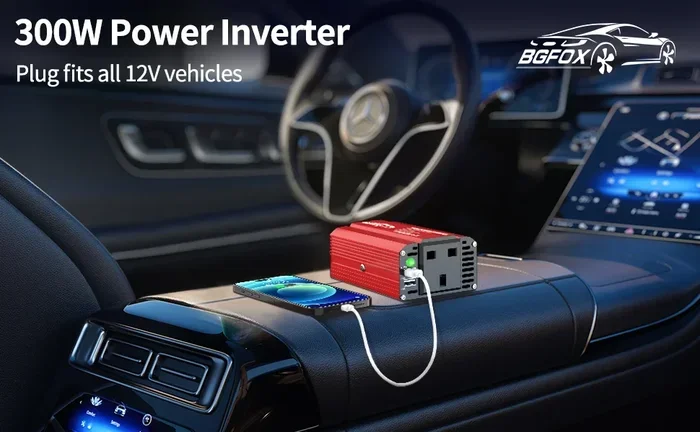
Most modern car inverter 12v to 230v units come with multiple outlets, USB ports, and even USB-C charging. Some models include digital displays that show wattage draw, battery voltage, and usage time. These features help you monitor your drive power supply and avoid draining your car battery unexpectedly.
Why a 12v to 230v Car Inverter Is Essential for Road Trips
There is something magical about hitting the open road. But long drives come with real power challenges. Gas stations may be far apart. Charging stations for electric vehicles are not always available on remote routes. And forgetting to charge your phone or camera before leaving home can turn a fun trip into a stressful one.
A power inverter for car solves these problems. It gives you a reliable source of AC power wherever you go. Whether you are driving through the countryside or parked at a scenic overlook, you can keep all your essential devices running.
Stay Connected and Productive
Many people need to stay connected even while traveling. A 12v to 230v car inverter lets you charge laptops, tablets, and phones without worrying about battery life. If you work remotely or need to respond to emails on the road, having a steady trip power solution is invaluable.
You can also power portable Wi-Fi hotspots, printers for business travelers, and even small monitors for presentations. The possibilities expand greatly when you are not limited by battery life.
Power Comfort and Entertainment
Road trips are more fun when you are comfortable. A car inverter 12v to 230v can power a small fan on a hot day or a heating pad on a cold night. You can run a portable TV, gaming console, or speaker system to keep everyone entertained during long stretches of driving.
For families with kids, this is a lifesaver. A powered tablet or laptop can keep children occupied for hours. A small microwave or electric kettle lets you prepare hot meals and drinks without stopping at a restaurant. These small comforts add up to a much more enjoyable journey.
Emergency Situations
Sometimes road trips do not go as planned. Your car might break down in a remote area. Weather might force you to wait for help. In these situations, a 12v to 230v car inverter becomes a lifeline. You can power emergency lights, charge communication devices, and run a small heater or fan while you wait.
This is why many experienced travelers and overlanders consider a portable car inverter an essential piece of safety equipment. It adds a layer of preparedness that can make a difficult situation much more manageable.
Types of 12v to 230v Car Inverters Available
Not all automotive inverter units are the same. Understanding the different types helps you make an informed choice. The two main categories are modified sine wave and pure sine wave inverters. Each has its own strengths and ideal use cases.
Modified Sine Wave Inverters
A modified sine wave inverter is the more affordable option. It produces a stepped waveform that approximates AC power. This type works well for most basic devices like phone chargers, laptops, light bulbs, and simple electronics.
However, modified sine wave inverters can cause issues with sensitive equipment. Devices with motors, medical equipment, or precision electronics may not perform optimally. Some audio equipment may produce a buzzing noise when connected to a modified wave inverter.
Pure Sine Wave Inverters
A pure sine wave inverter delivers smooth, clean power that matches what you get from a home outlet. This is the gold standard for car battery inverter technology. It works safely with all types of electronics, including laptops, medical devices, and sensitive audio equipment.
Pure sine wave units tend to cost more, but they offer superior performance and compatibility. If you plan to use your 12v to 230v car inverter for a wide range of devices, a pure sine wave model is the better long-term investment.
Comparison Table: Modified vs Pure Sine Wave
| Feature | Modified Sine Wave | Pure Sine Wave |
|---|---|---|
| Price Range | $30 – $80 | $80 – $250+ |
| Compatibility | Basic electronics | All devices |
| Power Quality | Stepped waveform | Smooth waveform |
| Noise with Audio | Possible buzzing | Clean, no noise |
| Motor Devices | May run hotter | Runs efficiently |
| Best For | Budget trips, basics | Full power needs |
How to Choose the Right 12v to 230v Car Inverter
Shopping for a car power inverter can feel overwhelming with so many options available. But the process becomes much simpler when you focus on a few key factors. Here is what you should consider before making a purchase.
Determine Your Wattage Needs
Inverter wattage is the most important specification. It tells you how much power the unit can handle at one time. To find your needs, add up the wattage of all the devices you plan to run simultaneously.
For example, if you want to charge a laptop (65 watts), run a phone charger (15 watts), and power a small fan (40 watts), you need at least 120 watts of capacity. It is wise to add a 20 percent buffer, so a 150-watt inverter would be a comfortable choice. Always check the inverter wattage rating on the device label or power adapter before buying.
Check Your Vehicle’s Output Capacity
Not every car can handle the same load. A standard cigarette lighter outlet typically supports 100 to 150 watts. If you need more power, you will need to hardwire the inverter directly to the battery using heavy-gauge cables. This is common for larger portable car inverter units rated at 1000 watts or more.
Before purchasing, check your vehicle’s manual or consult a mechanic about the maximum draw your accessory outlet can handle. Overloading a standard outlet can blow fuses or damage your car’s electrical system.
Look for Essential Safety Features
Inverter safety features should never be an afterthought. Quality units include built-in protections such as overload shutdown, short-circuit protection, over-temperature alarms, and low-voltage warnings. These features protect both your devices and your car.
Some advanced models also include cooling fans that activate automatically when the unit gets warm. This is especially important for inverter for camping use, where the unit might run for hours in enclosed spaces.
Consider Portability and Ease of Use
If you plan to move the inverter between vehicles or carry it on hikes, a compact and lightweight design matters. Many 12v to 230v converter units come with carrying cases, handles, or mounting brackets. Look for models with clear indicator lights and simple controls so anyone in the car can use it safely.
Brand Reputation and Warranty
Stick with reputable brands known for quality power inverter for car products. A good warranty signals confidence in the product. Look for at least a one-year warranty, and check customer reviews for real-world performance feedback. Brands like Renogy, AIMS Power, and Giandel are well-regarded in the automotive inverter space.
Top Tips for Using Your 12v to 230v Car Inverter Safely
Using a 12v to 230v car inverter is straightforward, but following best practices keeps you and your vehicle safe. Here are practical tips that every user should know.
Start the Engine When Using High-Wattage Devices
Always keep your car engine running when using the inverter for extended periods, especially with high-wattage devices. The alternator charges the battery while the engine runs, preventing excessive drain. Running a 500-watt inverter with the engine off can drain a standard car battery in under an hour.
Place the Inverter on a Flat, Ventilated Surface
Inverters generate heat during operation. Never place them on soft surfaces like seats or carpets that can block ventilation. A flat dashboard or floor area with good airflow is ideal. Some models include built-in fans, and these need space to breathe.
Use the Right Cables and Fuses
If your inverter comes with cables, use them. Cheap or undersized cables can overheat and cause a fire hazard. For hardwired installations, use cable gauges recommended by the manufacturer. Always install an inline fuse close to the battery terminal to protect against short circuits.
Do Not Exceed the Rated Wattage
This is the single most important rule. Every car inverter 12v to 230v unit has a maximum wattage rating. Exceeding it can trip the inverter’s safety shutoff, damage connected devices, or even cause electrical fires. If your inverter keeps shutting off, you are likely overloading it.
Turn Off the Inverter When Not in Use
Even when no devices are connected, some inverters draw a small amount of power from the battery. This is called a standby drain. Get in the habit of turning the inverter off when you are done using it. This simple habit preserves your car battery and extends the life of the unit.
Quick Tips for First-Time Users
- Test your inverter at home before your trip to make sure it works with your devices.
- Keep the inverter manual in your glove box for quick reference.
- Label which outlets on the inverter are in use to avoid confusion.
- Carry a multimeter to check battery voltage during long trips.
- Pack a spare fuse kit that matches your inverter’s specifications.
Common Mistakes to Avoid When Using a Car Inverter
Even with the best 12v to 230v car inverter, mistakes can happen. Learning from others’ errors saves time, money, and frustration. Here are the most common pitfalls and how to avoid them.
Underestimating Power Needs
Many buyers purchase an inverter based on price alone without calculating their actual power needs. This leads to overloading and frustration. Always make a list of the devices you will use and their wattage before shopping. A quick online search for “device wattage calculator” can help you add everything up accurately.
Ignoring Pure Sine Wave for Sensitive Electronics
Using a modified sine wave inverter with sensitive devices like laptops or medical equipment is a common error. The uneven power output can damage these devices over time. If you plan to use anything beyond basic charging, invest in a pure sine wave inverter from the start.
Connecting the Inverter to a Dead Battery
Trying to start an inverter when your car battery is already low is a recipe for trouble. The inverter will pull remaining charge and may leave you unable to start your car. Always check your battery voltage before heavy use. A reading below 12 volts means your battery needs attention.
Leaving the Inverter Plugged In During Storage
Some users leave the inverter connected to the accessory outlet even when the car is parked. Over days or weeks, this slowly drains the battery. Make it a routine to unplug the inverter after every trip. A dead car battery is an inconvenient and expensive problem to fix.
Skipping Regular Maintenance
Like any piece of equipment, inverters benefit from occasional maintenance. Check the cables for wear, clean the ventilation slots, and inspect the fuse connections. A well-maintained automotive inverter will last for many years and perform reliably on every trip.
Expert Insights: What Professionals Recommend
We spoke with several automotive electricians and overlanding enthusiasts about their 12v to 230v car inverter experiences. Here is what the experts had to say.
Mark T., automotive electrician: “I always tell customers to buy a pure sine wave inverter if their budget allows it. The extra cost pays for itself in device longevity and performance. Modified wave units are fine for basic charging, but anything sensitive deserves clean power.”
Sarah L., full-time van lifer: “My inverter is the backbone of my setup. I run a mini fridge, a laptop, and LED lights all day. I hardwired my unit directly to the battery with a proper fuse, and it has never given me a problem in three years of full-time travel.”
Quick Tip from the Experts: Always pair your car battery inverter with a battery monitor. This small device gives you real-time data on voltage, current draw, and remaining capacity. It takes the guesswork out of managing your car electrical system on long trips.
Key Takeaways
- Stay Powered Anywhere: A 12v to 230v car inverter lets you use household devices in your vehicle during road trips and camping adventures.
- Two Main Types Exist: Modified sine wave and pure sine wave inverters serve different needs and budgets.
- Wattage Matters: Matching your inverter’s power rating to your devices prevents overloads and ensures safe operation.
- Safety Features Are Key: Look for built-in protection like overload shutdown, cooling fans, and short-circuit prevention.
- Proper Installation Makes a Difference: Correct placement, cable sizing, and connection to the vehicle battery extend performance and lifespan.
- Avoid Common Pitfalls: Running the inverter with the engine off or exceeding wattage limits are the most frequent beginner mistakes.
Conclusion
A 12v to 230v car inverter is one of the most practical and underrated accessories you can add to your vehicle. It opens up a world of possibility on the road, from staying productive to keeping everyone comfortable and entertained. Whether you are a casual weekend road tripper or a full-time van life enthusiast, the right power inverter for car makes a noticeable difference.
Understanding the types, choosing the right wattage, and following safety guidelines ensures you get the most out of your investment. Avoid the common mistakes, follow the expert tips, and your car inverter 12v to 230v will serve you reliably for years to come.
The next time you plan a road trip, make a 12v to 230v car inverter part of your packing list. You will wonder how you ever traveled without one. Stay powered, stay connected, and enjoy every mile of the journey.
Frequently Asked Questions
Can I run a 12v to 230v car inverter with the engine off?
You can, but only for short periods and with low-wattage devices. Running the inverter with the engine off drains your car battery quickly. For anything beyond charging a phone for 30 minutes, keep the engine running to allow the alternator to recharge the battery.
What size inverter do I need for a road trip?
It depends on your devices. Add up the wattage of everything you plan to run at the same time. For basic charging of phones and laptops, a 150-watt unit works well. For running a mini fridge or microwave, you will need 1000 watts or more. Always add a 20 percent safety buffer to your total wattage calculation.
Is a pure sine wave inverter really worth the extra cost?
Yes, for most users. Pure sine wave inverters deliver clean, stable power that is safe for all electronics. They run motors more efficiently, produce no audio noise, and protect sensitive devices from damage. If you use your car inverter 12v to 230v for anything beyond basic charging, the extra cost is well worth it.
Can a car inverter start a fire?
When used correctly, a 12v to 230v car inverter is very safe. Fire risks come from overloading the unit, using damaged cables, or placing the inverter on flammable surfaces. Always follow the manufacturer’s guidelines, use the correct fuse, and never exceed the rated wattage to minimize any risk.
How long can I run a 12v to 230v car inverter on battery power?
This depends on your battery capacity and the inverter’s wattage draw. A standard car battery has about 40 to 60 amp-hours. A 100-watt inverter draws roughly 10 amps per hour. So on a fully charged battery, you could run it for approximately 4 to 6 hours before the voltage drops too low. Keeping the engine running extends this significantly.
Do I need special wiring to install a car inverter?
For small inverters under 200 watts, you can plug directly into the cigarette lighter outlet. For larger units, you should hardwire the inverter directly to the battery using thick-gauge cables and an inline fuse. If you are not comfortable with electrical work, have a professional mechanic handle the installation to ensure safety and proper connection to your car electrical system.