Can You Use Clorox Wipes on a Car Interior Safely
Can You Use Clorox Wipes on a Car Interior? The short answer is yes, but only on certain surfaces. While Clorox wipes work well on hard, non-porous surfaces like the dashboard and center console, they can damage softer materials like leather, vinyl, and tinted windows over time. This guide covers everything you need to know about using Clorox wipes on car interior surfaces safely, including which areas to avoid and what alternatives work best.
You love your car. It takes you everywhere. But after a long day, your car interior can get messy. Food crumbs, spills, and dust build up fast. That is why many car owners reach for the nearest wipe they can find. A common question comes up: Can You Use Clorox Wipes on a Car Interior? The answer is not as simple as yes or no. It depends on the surface, the material, and how often you clean. This article breaks down everything you need to know. You will learn which surfaces handle Clorox wipes well and which ones you should avoid. We also share safer alternatives and expert tips. By the end, you will feel confident about keeping your car clean and protected.
Car interior cleaning is more than just wiping things down. Different materials need different care. Using the wrong product can cause damage that costs money to fix. Clorox wipes are convenient and easy to grab. They smell fresh and promise to kill germs. But are they safe for every surface inside your vehicle? Let us find out.
In this guide, we will cover the ingredients in Clorox wipes, which car surfaces they are safe for, which ones to avoid, and the best alternatives. We also share practical tips and common mistakes to help you keep your car looking its best. Whether you are a new car owner or a seasoned driver, this article has something useful for you.
Key Takeaways
- Yes, you can use Clorox wipes on hard, non-porous car surfaces like the dashboard and center console — but only occasionally
- Never use Clorox wipes on leather, vinyl, fabric, or tinted windows as they can cause damage and discoloration
- Always check your car’s material type before using any cleaning wipe
- Rinse with water after wiping to remove chemical residue that can build up over time
- Better alternatives exist such as car-specific cleaners, microfiber cloths, and steam cleaners
- Never use Clorox wipes on car paint as they can strip protective coatings and clear coat
- Regular cleaning with the right products keeps your car interior hygienic and looking great for years
📑 Table of Contents
- What Are Clorox Wipes Made Of?
- Can You Use Clorox Wipes on a Car Interior?
- Which Car Interior Surfaces Can Handle Clorox Wipes?
- Surfaces You Should Never Clean with Clorox Wipes
- How to Use Clorox Wipes on Your Car Interior the Right Way
- Better Alternatives to Clorox Wipes for Car Cleaning
- Conclusion
What Are Clorox Wipes Made Of?
Before you wipe anything in your car, it helps to know what is in those wipes. Clorox wipes contain several ingredients designed to kill bacteria and viruses. The main active ingredient is benzalkonium chloride. This is a common disinfectant found in many cleaning products. It works by breaking down the cell walls of germs. The wipes also contain water, polyester fabric, and various preservatives. Some versions include fragrances and surfactants to help lift dirt.
Are the Chemicals in Clorox Wipes Harsh?
The chemicals in Clorox wipes are effective at disinfecting. However, they are also strong. The solution is more concentrated than what you would use on household surfaces. For hard floors or countertops, this is usually fine. But car interiors are different. They contain a mix of materials that can react poorly to harsh chemicals. Understanding car wipe safety starts with knowing what is in the product.
Here are the key ingredients found in Clorox wipes:
- Benzalkonium chloride — the primary disinfectant
- Water — the base ingredient
- Polyester fabric — the wipe material itself
- Preservatives — to keep the product fresh
- Fragrances — for a pleasant scent
- Surfactants — to help lift dirt and grease
When you think about interior car care, the cleaning product matters. The same wipe that works great on your kitchen counter may not be safe for your car. The difference lies in the materials and how they respond to chemicals over time. This is why knowing what is in your cleaning products is the first step toward better car maintenance tips.
Can You Use Clorox Wipes on a Car Interior?
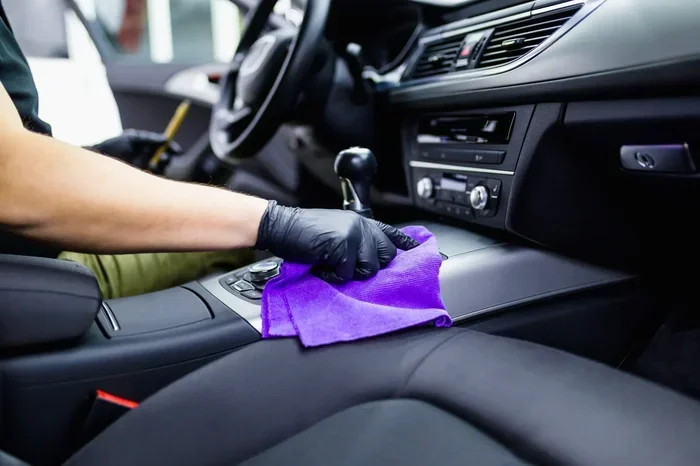
The short answer is yes, but with important limits. Can You Use Clorox Wipes on a Car Interior safely? Yes, on certain surfaces. Hard, non-porous surfaces like the dashboard, center console, and plastic trim can handle a Clorox wipe. These surfaces do not absorb liquids easily. They are less likely to be damaged by the chemicals in the wipes.
However, soft and porous materials are a different story. Leather seats, vinyl upholstery, and tinted windows need special care. Using Clorox wipes on these surfaces can cause long-term harm. The chemicals can dry out leather, discolor vinyl, and strip protective coatings on windows.
Which Surfaces Are Safe for Clorox Wipes?
Here are the car interior surfaces that generally handle Clorox wipes well:
- Hard plastic dashboard — non-porous and easy to wipe
- Center console — usually made of durable plastic
- Steering wheel cover (if made of hard plastic or synthetic material)
- Door panels — mostly hard plastic and fabric
- Radio and control panels — hard, non-porous surfaces
- Metal surfaces — like chrome trim or handles
How Often Should You Use Clorox Wipes in Your Car?
Moderation is key. Using Clorox wipes once in a while for a quick cleanup is fine. Making them a daily habit can cause buildup. Over time, the chemicals can create a film on your car surfaces. This film can make the interior look dull and feel sticky. For regular cleaning, consider gentler alternatives. Reserve Clorox wipes for situations where you need quick germ-killing power, like after a sickness in the car or a messy road trip.
The key to disinfect car surfaces without causing harm is balance. A little Clorox goes a long way. Pair it with proper follow-up care, and your car interior will stay clean and protected.
Which Car Interior Surfaces Can Handle Clorox Wipes?
Not all car interior surfaces are created equal. Some can take a Clorox wipe just fine. Others need much gentler treatment. Understanding car surface compatibility helps you clean smarter, not harder. Let us break down the different materials you will find inside your vehicle.
Hard Plastic and Vinyl Trim
Hard plastic and vinyl trim are the most forgiving surfaces in your car. They are non-porous, meaning they do not absorb liquids easily. A quick wipe with a Clorox wipe will disinfect and remove surface grime. These surfaces are commonly found on the dashboard, center stack, and door panels.
However, even hard plastic can suffer from repeated use of harsh chemicals. The surfactants and disinfectants in Clorox wipes can slowly break down the protective coating. This can lead to fading or cracking over months of repeated use. For best results, use Clorox wipes on hard plastic only when needed. Follow up with a damp cloth to remove residue.
Fabric Seats and Carpet
Fabric surfaces are more delicate than hard plastic. Clorox wipes are not ideal for fabric seats or carpet. The chemicals can seep into the fabric fibers and cause discoloration. They can also leave a residue that attracts dirt. If you need to clean fabric, use a fabric-specific cleaner or a steam cleaner instead. These methods penetrate deep without damaging the fibers.
Leather Seats
Leather is one of the most sensitive materials in your car. It needs conditioning to stay supple and prevent cracking. Clorox wipes strip away the natural oils in leather. Over time, this can cause the leather to dry out, crack, and fade. Never use Clorox wipes on leather seats. Instead, use a pH-balanced leather cleaner and conditioner designed for automotive use.
Tinted Windows
Car window tint is a thin film applied to the glass. Harsh chemicals can damage this film. Clorox wipes contain ingredients that can cause the tint to bubble, peel, or discolor. For tinted windows, use a dedicated automotive glass cleaner and a soft microfiber cloth. Always choose ammonia-free options to protect the tint adhesive.
| Surface | Safe for Clorox Wipes? | Risk Level | Recommended Alternative |
|---|---|---|---|
| Hard Plastic Trim | Yes (occasional use) | Low | Microfiber cloth with water |
| Center Console | Yes (occasional use) | Low | Car-specific interior cleaner |
| Fabric Seats | No | High | Fabric cleaner or steam cleaner |
| Leather Seats | No | Very High | pH-balanced leather cleaner |
| Tinted Windows | No | High | Ammonia-free automotive glass cleaner |
| Metal Chrome Trim | Yes (occasional use) | Low | Dry microfiber cloth |
| Rubber Seals and Gaskets | No | Medium-High | Rubber conditioner |
Surfaces You Should Never Clean with Clorox Wipes
Some car interior surfaces are especially vulnerable to the chemicals in Clorox wipes. Knowing what not to clean is just as important as knowing what to clean. Using Clorox wipes on the wrong surfaces can lead to costly repairs or permanent damage to your automotive upholstery and interior finish.
Leather and Leather-Like Materials
Leather seats are a premium feature in many cars. They look great and feel luxurious. But they are also sensitive to harsh chemicals. The benzalkonium chloride in Clorox wipes strips the natural oils from leather. This causes the material to dry out and crack. Over time, your expensive leather seats can look worn and old. Always use a cleaner designed specifically for automotive leather. A good leather conditioner after cleaning helps maintain the material’s softness and flexibility.
Vinyl Upholstery
Vinyl is common in many car interiors, especially in more affordable models. It looks similar to leather but is actually a synthetic material. Vinyl can be sensitive to the chemicals in Clorox wipes. Prolonged use can cause the vinyl to fade, become brittle, or develop a sticky residue. For vinyl surfaces, use a gentle automotive vinyl cleaner. These products clean effectively without breaking down the material.
Car Paint and Clear Coat
This one is important. Never use Clorox wipes on your car’s exterior paint or clear coat. The harsh chemicals can strip away the protective wax and clear coat. This leaves the paint vulnerable to UV damage, oxidation, and fading. If you need to clean the exterior, use a dedicated car wash soap and a soft microfiber mitt. Protecting your car paint protection should always be a priority.
Tinted Windows and Rear Windshield
As mentioned earlier, window tint can be damaged by Clorox wipes. The chemicals can cause the tint adhesive to weaken. This may lead to bubbling or peeling. For tinted glass, stick to automotive glass cleaners that are ammonia-free and tint-safe. Your window tint is an investment that deserves the right care.
Unfinished or Raw Plastic Surfaces
Some car interiors have matte or unfinished plastic surfaces. These surfaces are more porous than glossy plastic. They can absorb the chemicals from Clorox wipes more easily. This can lead to discoloration and a chalky appearance. For matte plastics, use a dedicated interior detailer spray. These products are formulated to clean without damaging textured surfaces.
How to Use Clorox Wipes on Your Car Interior the Right Way
If you decide to use Clorox wipes on hard car surfaces, there is a right way and a wrong way. Following proper technique helps you get the best results while protecting your car interior. Here is a step-by-step guide for safe and effective cleaning.
Step-by-Step Guide to Safe Wiping
- Check the surface material — Make sure it is hard plastic, metal, or another non-porous surface before you start wiping.
- Wipe gently — Do not scrub aggressively. Let the wipe do the work. Pressing too hard can push chemicals deeper into surface textures and seams.
- Do not oversaturate the surface — Use one wipe per section. Excess moisture can seep into seams, electronics, and vent openings.
- Follow up with a damp cloth — After using a Clorox wipe, go over the surface with a clean, damp microfiber cloth. This removes chemical residue.
- Dry the surface — Use a dry microfiber cloth to pat the area dry. This prevents water spots and streaking.
- Wash your hands — After cleaning, wash your hands to remove any chemical residue from your skin.
Quick Tips for Best Results
- Wipe in one direction — This prevents spreading dirt and grime across the surface and ensures a more thorough clean.
- Use a fresh wipe for each section — Reusing wipes just moves dirt around and reduces disinfecting power.
- Avoid touching electronics right after wiping — Let the surface dry completely before using touchscreens or buttons.
- Store wipes properly — Keep the pack sealed to prevent them from drying out and losing effectiveness.
- Keep wipes at room temperature — Cold wipes from a winter car can be less effective and may leave more residue.
When to Avoid Using Clorox Wipes Entirely
There are times when you should skip Clorox wipes altogether. If your car has a recent interior detail or protection treatment, harsh chemicals can strip it away. If you have allergies or sensitivities, the fragrances and chemicals in Clorox wipes may irritate your skin or respiratory system. And if you are cleaning up a major spill, a dedicated stain remover will work better than a disinfecting wipe. Choosing the right product for the right situation is the foundation of good cleaning product safety.
Better Alternatives to Clorox Wipes for Car Cleaning
While Clorox wipes are convenient, they are not always the best choice for your car. Fortunately, there are many alternatives that are safer and just as effective. Using the right product for each surface keeps your car interior looking great for years. Investing a little time in choosing the right cleaner pays off in the long run.
Car-Specific Interior Cleaners
The best alternative to Clorox wipes is a cleaner made specifically for car interiors. Brands like Meguiar’s, Chemical Guys, and 303 Products make excellent interior cleaners. These products are formulated to be safe on all car surfaces. They clean effectively without stripping away protective coatings or causing discoloration. Look for ammonia-free cleaner options for the safest choice across all interior materials.
Microfiber Cloths and Water
Sometimes the simplest solution is the best. A good microfiber cloth dampened with water can clean most car interior surfaces effectively. Microfiber is gentle and does not scratch. It picks up dirt and dust without the need for harsh chemicals. For light cleaning and daily maintenance, this method works surprisingly well and costs almost nothing.
Ammonia-Free Glass Cleaners
For windows and mirrors, use an ammonia-free glass cleaner. Ammonia is a common ingredient in household glass cleaners, but it can damage car window tint. Ammonia-free options are safe for all glass surfaces and provide a streak-free shine. They are a must-have in any car-safe disinfectant toolkit.
Steam Cleaners
A handheld steam cleaner is a fantastic tool for car interior cleaning. Steam kills bacteria and germs without any chemicals. It works well on fabric seats, carpet, and hard-to-reach crevices. Steam cleaners are also great for removing stubborn stains from upholstery. They are a worthwhile investment for anyone serious about car interior hygiene.
DIY Cleaning Solutions
You can make your own car interior cleaner at home. A simple mix of water and a few drops of mild dish soap works well for most hard surfaces. For a fresh scent, add a small amount of white vinegar. Always test any DIY solution on a hidden area first to make sure it does not cause damage. DIY solutions give you control over what touches your car’s interior surfaces.
Conclusion
So, can you use Clorox wipes on a car interior? The answer is yes, but with clear limits. Hard, non-porous surfaces like the dashboard and center console can handle an occasional Clorox wipe. But softer materials like leather, vinyl, and fabric need gentler treatment. The key to car interior cleaning is knowing your surfaces and choosing the right product for each one.
Using Clorox wipes sparingly and following up with a damp cloth will help protect your car’s interior. But for everyday cleaning, consider safer alternatives like car-specific cleaners, microfiber cloths, and steam cleaners. These options give you excellent results without the risk of damage.
Your car interior is an investment. Taking care of it with the right products and techniques keeps it looking great and lasting longer. The next time you reach for a wipe, think about what surface you are cleaning. Make the smart choice. Your car will thank you for years to come.
Frequently Asked Questions
Can Clorox Wipes Damage My Car’s Dashboard?
Using Clorox wipes on your dashboard occasionally is generally safe. Dashboards are usually made of hard plastic that can handle the chemicals. However, frequent use can strip the protective coating and cause fading over time. For regular dashboard cleaning, use a dedicated automotive interior cleaner instead to keep the surface looking fresh.
Are Clorox Wipes Safe for Leather Car Seats?
No, Clorox wipes are not safe for leather car seats. The chemicals in the wipes strip natural oils from leather, causing it to dry out, crack, and fade over time. Always use a pH-balanced leather cleaner and conditioner to keep leather seats looking their best and feeling soft.
What Is the Best Way to Disinfect a Car Interior?
The best way to disinfect a car interior is to use car-safe disinfectant sprays or wipes designed specifically for automotive use. These products are formulated to be effective yet gentle on car materials. You can also use a diluted solution of water and mild soap for general disinfection of hard surfaces inside your vehicle.
Can I Use Clorox Wipes on My Car’s Touchscreen?
It is best to avoid Clorox wipes on touchscreens. The harsh chemicals can damage the anti-glare and oleophobic coatings on modern screens. Instead, use a microfiber cloth slightly dampened with water or a dedicated electronics-safe cleaner for your car’s touchscreen and display panels.
How Often Should I Clean My Car Interior?
For general maintenance, cleaning your car interior once a week is a good habit. For deep cleaning, aim for once a month. Using the right products for each surface during regular cleaning prevents buildup and keeps your car looking fresh without causing damage to the materials.
What Should I Do If Clorox Wipes Already Damaged My Car Interior?
If you notice discoloration or damage from Clorox wipes, stop using them immediately on that surface. For leather, apply a leather conditioner to help restore moisture. For hard plastic, an interior detailer spray can help restore the finish. If the damage is severe, consult a professional auto detailer for repair options and restoration advice.