Does Push Starting a Car Work Everything You Should Know
Does push starting a car work? Yes, it can bring your vehicle back to life when the battery dies. Push starting works best on manual transmission cars and relies on momentum and the starter motor to crank the engine. This guide covers everything from the basic technique to common mistakes, risks, and when push starting is your best option.
There is nothing worse than turning your car key and hearing nothing. Just silence. You are standing in a parking lot or on a quiet street, and your car refuses to start. The battery is dead. The dashboard lights are dim. And you have somewhere to be. So you wonder, does push starting a car work? The short answer is yes. But there is a lot more to know before you start pushing your car down the street. This guide covers everything you need to understand about push starting a vehicle, from the basic technique to safety tips and common mistakes.
Push starting is a method of starting a car without using the battery. Instead, you use physical momentum to turn the engine over. It works by rolling the car and then engaging the clutch quickly. This forces the crankshaft to spin, which ignites the fuel and gets the engine running. Many drivers have saved themselves a long night thanks to this technique. But it is not magic. There are rules, risks, and limitations you need to know.
Key Takeaways
- Push starting works on manual transmission cars: It uses momentum and the starter motor to ignite the engine when the battery is dead.
- Automatic cars cannot be push started safely: The internal transmission design makes push starting an automatic vehicle risky and ineffective.
- You need at least two people: One to steer and brake, and one or more to push the car to build enough momentum.
- Speed matters: You typically need to reach 10 to 15 mph before releasing the clutch to get the engine to turn over.
- Push starting is a temporary fix: You should address the root cause, like a dead battery or faulty alternator, as soon as possible.
- Common mistakes can damage your car: Releasing the clutch too early or forgetting to turn the ignition can waste your effort.
- Safety comes first: Always choose a flat, open area and use hazard lights to alert other drivers.
📑 Table of Contents
What Is Push Starting a Car?
Push starting a car means using external force to crank the engine. You push the car manually, build up speed, and then release the clutch to engage the engine. This method bypasses a dead or weak battery. It works because the engine does not need electricity to start. It needs mechanical rotation. Once the engine turns over, the alternator takes over and recharges the battery. Then your car can run normally again.
This technique has been around for decades. Before electric starters became common, drivers used hand cranks to start their engines. Push starting became popular with the rise of manual transmission vehicles. Today, most cars on the road have automatic transmissions. That means fewer people can use this method. But if you drive a manual car, knowing how to push start your vehicle is a valuable life skill.
How Does Push Starting Work?
The process is simple but requires timing and coordination. Here is what happens under the hood when you push start a car:
- The car is pushed by people or a slope to build momentum.
- The driver shifts the car into second gear while the clutch is pressed.
- The ignition is turned to the “on” position.
- The clutch is released quickly, which forces the engine to turn.
- The engine fires up and begins running on its own.
When the clutch releases, the wheels are connected to the engine through the transmission. The spinning wheels force the crankshaft to rotate. The crankshaft moves the pistons, which draws in fuel and air. The spark plugs ignite the mixture, and the engine starts. This is why push starting a car works. It uses the car’s own mechanical energy to start the engine.
Can You Push Start an Automatic Car?
This is one of the most common questions drivers ask. Does push starting a car work for automatic vehicles? The answer is no. You should not try to push start an automatic car. The internal transmission in an automatic vehicle uses a torque converter and planetary gear sets. These components cannot handle the sudden force of a push start. Attempting to do so can cause serious damage to the transmission.
Automatic cars also do not have a clutch pedal. The push start method relies on disengaging the engine from the wheels using a clutch. Without a clutch, there is no way to control the connection between the drivetrain and the engine. So if you drive an automatic, you need to find another way to start your car. Options include jump starting with jumper cables or using a portable jump starter pack.
Manual vs Automatic: Which Cars Can Be Push Started?
Here is a quick comparison to help you understand which vehicles can and cannot be push started:
- Manual transmission cars: Yes, push starting works well. These cars have a clutch that can disconnect the engine from the wheels.
- Automatic transmission cars: No. The internal design prevents safe push starting. The risk of transmission damage is too high.
- Diesel engines: Push starting a diesel is much harder. Diesel engines use compression to ignite fuel, and they need higher RPMs to start.
- Hybrid and electric cars: These have complex electrical systems. Push starting is not recommended and usually not possible.
If you own a manual transmission vehicle, you are in luck. Push starting is a reliable backup method for you. But even with a manual car, there are conditions that make push starting easier or harder. Let us look at those next.
Step-by-Step Guide to Push Starting a Car
Now that you know push starting a car works on manual vehicles, let us walk through the process. Follow these steps carefully to avoid injury or damage to your car.
Step 1: Find a Safe Location
Choose a flat, open area away from traffic. A long, straight road or a large empty parking lot works best. Avoid hills and steep slopes. You want control over the car at all times. Turn on your hazard lights to alert other drivers that something is wrong.
Step 2: Get Help
You need at least one person to push the car. Two or three people is ideal. The more people pushing, the faster you can build speed. Make sure everyone is clear of the car before you start moving.
Step 3: Turn the Ignition On
Insert your key and turn the ignition to the “on” position. Do not start the engine yet. You are just powering up the electrical system. The dashboard lights should come on. This tells you the ignition is active and the starter motor is ready to engage.
Step 4: Press the Clutch and Shift into Second Gear
Press the clutch pedal all the way down. Shift the gear lever into second gear. Second gear is the best gear for push starting because it reduces the strain on the engine. First gear is too low and can cause a jerky engagement. Third gear may not provide enough resistance to turn the engine over.
Step 5: Release the Parking Brake
Make sure the parking brake is released. The car needs to roll freely. Double-check this before you start pushing.
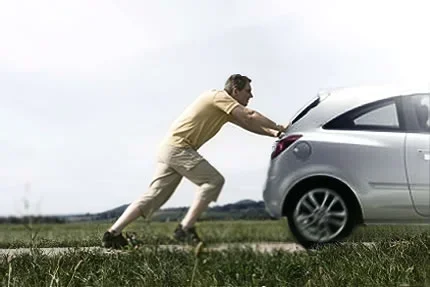
Step 6: Start Pushing
Have your helpers push the car. You may need to release the clutch slightly to allow the wheels to turn. The goal is to reach a speed of about 10 to 15 miles per hour. This is fast enough to turn the engine over but not so fast that it causes damage.
Step 7: Release the Clutch Quickly
Once you have built up enough speed, release the clutch pedal quickly and firmly. This is the most important step. The sudden engagement transfers the wheel’s momentum to the engine. If done correctly, the engine will turn over and start. You will hear it fire up and feel the car vibrate slightly.
Step 8: Re-Press the Clutch and Steer
As soon as the engine starts, re-press the clutch pedal. This disconnects the wheels from the engine and prevents stalling. Steer the car to a safe stop. Let the engine idle for a few minutes to recharge the battery.
Quick Tip: If the engine does not start after the first attempt, do not keep trying right away. Let the car rest for a few minutes. Repeated attempts can drain the battery further and wear out the starter motor.
When Does Push Starting a Car Work Best?
Push starting is not a one-size-fits-all solution. There are specific conditions where it works best and others where it may fail. Understanding these conditions helps you set realistic expectations.
Ideal Conditions for Push Starting
- A dead or weak battery: Push starting works best when the battery has no charge left. The engine needs no electrical power to turn over.
- A cold morning: Cold weather can weaken a battery. Push starting is often easier in cold conditions because the engine oil is thicker and provides more resistance, which helps the crankshaft spin.
- A flat, open road: You need enough space to build speed safely. Flat ground is easier than a hill.
- A manual transmission car: As discussed, push starting only works with manual vehicles.
- A car that ran fine before the battery died: If the engine and fuel system are healthy, push starting will work reliably.
When Push Starting May Not Work
There are situations where push starting a car will not solve your problem. Here are some examples:
- A faulty starter motor: If the starter motor itself is broken, push starting will not help. The starter motor is what actually cranks the engine when you release the clutch.
- An empty fuel tank: No fuel means no combustion. Push starting will not create fuel out of thin air.
- A clogged fuel system: If the fuel injectors or fuel pump are failing, the engine will not start regardless of how you try to turn it over.
- Seized engine: A seized engine cannot rotate. This is a serious mechanical failure that push starting cannot fix.
- Worn spark plugs: Old or damaged spark plugs may not produce a spark, even if the engine turns over.
If you try to push start your car and it still does not start, the problem is likely mechanical, not electrical. In that case, you need professional help. Call a tow truck or a mobile mechanic to diagnose the real issue.
Common Mistakes When Push Starting a Car
Push starting a car is straightforward, but small mistakes can cause problems. Here are the most common errors drivers make:
Mistake 1: Releasing the Clutch Too Slowly
The clutch must release quickly and fully. If you ease it out slowly, the engine will not get the sudden burst of energy it needs. The car will just stall, and you will waste your momentum. Release the clutch fast and firm.
Mistake 2: Using First Gear Instead of Second
First gear has too much gear ratio. It creates too much resistance on the engine. This can stall the car or even damage the engine mounts. Second gear is the sweet spot. It provides enough resistance to turn the engine without overwhelming it.
Mistake 3: Forgetting to Turn the Ignition On
This sounds obvious, but it happens more than you think. If the ignition is off, the starter motor is not active. The engine will not fire even if you build plenty of speed. Always confirm the key is turned to the “on” position before you push.
Mistake 4: Pushing on a Steep Hill
Hills are dangerous for push starting. The car can pick up too much speed, and you can lose control. Always choose flat ground. If you must use a slight slope, make sure you have good brakes and a clear path ahead.
Mistake 5: Not Having Enough People to Push
One person pushing a car is usually not enough to build the speed needed. You need at least two strong helpers. More is better, especially for heavier vehicles like SUVs or trucks.
Mistake 6: Ignoring Safety
Never push start a car in a busy street or highway. Other drivers may not expect your car to lurch forward. Use hazard lights, choose a safe location, and make sure everyone is aware of the plan before you begin.
Risks and Limitations of Push Starting
While push starting a car is a useful skill, it is not without risks. Understanding these risks helps you make informed decisions.
Transmission damage: If you attempt to push start an automatic car, you risk severe transmission damage. The internal components are not designed to handle the sudden force of a push start.
Engine damage: Releasing the clutch too aggressively can stress the engine mounts and drivetrain components. This is rare but possible, especially in older or poorly maintained vehicles.
Injury risk: Pushing a car is physical work. You can strain muscles, trip, or collide with other objects. Always wear sturdy shoes and communicate clearly with your helpers.
Temporary fix only: Push starting does not repair a dead battery or a faulty alternator. It is a temporary solution to get you to a mechanic or a safe location. You should address the root cause as soon as possible.
Not effective in all weather: Wet or icy roads make push starting dangerous. The car can slip, and you can lose control. Avoid push starting in poor weather conditions.
Expert Insight: According to automotive experts, push starting should be treated as an emergency backup method. It is not a substitute for regular battery maintenance or proper vehicle care. Keep your battery healthy, and you will rarely need to push start your car.
Alternatives to Push Starting
If push starting is not an option, there are several alternatives to get your car running again. Here are the most effective methods:
- Jump starting with jumper cables: Use another vehicle’s battery to start your car. This is the most common alternative to push starting.
- Portable jump starter: A compact device you keep in your trunk. It works like a small battery and can start your car without another vehicle.
- Roadside assistance: Call a towing service or your insurance roadside assistance program. They can jump start your car or tow it to a mechanic.
- Replace the battery: If your battery is old or damaged, replacing it is the permanent solution. Most auto parts stores will test your battery for free.
- Battery charger: Plug in a battery charger overnight. This slowly restores charge to a dead battery without the stress of a jump start.
Each alternative has its pros and cons. Jump starting is fast but requires another vehicle. A portable jump starter is convenient but needs to be charged regularly. Replacing the battery is the most reliable long-term solution. Choose the method that fits your situation best.
How to Prevent a Dead Battery
The best way to avoid push starting is to prevent a dead battery in the first place. Here are some simple habits that keep your battery healthy:
- Turn off all lights when you leave the car: This includes headlights, interior lights, and the radio.
- Have your battery tested regularly: Most auto shops offer free battery testing. Get it checked at least twice a year.
- Replace your battery every 3 to 5 years: Batteries degrade over time. Do not wait until it dies unexpectedly.
- Drive your car regularly: Short trips may not give the alternator enough time to recharge the battery fully.
- Avoid leaving accessories plugged in: Phone chargers, dash cams, and other accessories can drain the battery when the car is off.
These simple steps can save you from the frustration of a dead battery. And they reduce your need to know how to push start a car in the first place.
Conclusion
Does push starting a car work? Yes, it absolutely does. Push starting is a proven method for starting a manual transmission car with a dead battery. It uses momentum and the starter motor to crank the engine without needing electrical power. However, it is not a universal solution. It does not work on automatic cars, and it only addresses the symptom, not the root cause.
Knowing how to push start a vehicle is a valuable skill for every manual car owner. It can save you time, money, and a lot of stress on a bad day. Just remember to follow the steps carefully, prioritize safety, and use push starting as a temporary fix. Always follow up with proper battery maintenance or repairs to keep your car running reliably.
Whether you are dealing with a dead battery on a cold morning or a strange situation on the side of the road, push starting gives you a backup plan. Stay prepared, stay safe, and keep your car in good shape. That way, you will rarely need to rely on this technique at all.
Frequently Asked Questions
Can you push start an automatic car?
No, you should not push start an automatic car. The internal transmission design cannot handle the sudden force of a push start. Attempting to do so can cause serious damage to the torque converter and gear sets. Stick to jump starting or a portable jump starter for automatic vehicles.
How fast do you need to go to push start a car?
You typically need to reach 10 to 15 miles per hour before releasing the clutch. This speed provides enough momentum to turn the engine over. Going too fast can cause damage, so build up speed gradually and release the clutch quickly at the right moment.
Does push starting a car work on diesel engines?
Push starting a diesel engine is very difficult and generally not recommended. Diesel engines rely on high compression to ignite fuel, which requires more rotational force than a typical push start can provide. It is better to use a jump starter or call for professional help.
Can push starting damage your car?
When done correctly on a manual transmission car, push starting is safe. However, releasing the clutch too slowly, using the wrong gear, or attempting it on an automatic car can cause damage. Always follow the proper steps and avoid rushing the process.
How many people do you need to push start a car?
You need at least two people, but three is ideal. One person drives and steers, while the others push the car. More people means faster acceleration, which makes it easier to reach the speed needed to turn the engine over.
Is push starting a car safe in the rain?
No, push starting in wet or icy conditions is dangerous. The car can slip, and you can lose control. Always choose a dry, flat, and open area for push starting. If the weather is bad, wait for conditions to improve or call for roadside assistance instead.