Best 27 Mhz Remote Control Car Reviews and Buying Guide
The 27 MHz remote control car remains one of the most popular choices for hobbyists and beginners alike. This buying guide covers top models, key features, frequency comparisons, and maintenance tips to help you make the best purchase. Whether you want a fast racer, a durable off-roader, or a simple toy for your kids, understanding the 27 MHz frequency is the first step to a great experience.
Key Takeaways
- 27 MHz is ideal for beginners: It offers reliable range and simple operation without complex setup.
- Multiple channels prevent interference: Choose from several frequencies to race with friends without signal conflicts.
- Toy-grade vs hobby-grade matters: Hobby-grade models deliver better speed, durability, and customization options.
- Battery life varies widely: Rechargeable NiMH and LiPo batteries offer different performance levels and run times.
- Regular maintenance extends lifespan: Cleaning, battery care, and proper storage keep your RC car running smoothly.
- Price ranges from budget to premium: You can find solid 27 MHz options from under $20 to over $200.
- Accessories enhance the experience: Upgrades like LED lights, speakers, and better antennas boost fun and performance.
📑 Table of Contents
What Is a 27 MHz Remote Control Car?
A 27 MHz remote control car is a radio-controlled vehicle that operates on the 27 megahertz frequency band. This frequency has been a staple in the RC hobby for decades. It uses a transmitter (the controller you hold) and a receiver (the tiny circuit inside the car) to send and receive signals.
The 27 MHz band uses specific channels, usually labeled with colors like red, blue, green, yellow, orange, white, and black. Each channel corresponds to a slightly different frequency within the 27 MHz range. This color-coded system helps users avoid signal conflicts when multiple cars are running at the same time.
These remote control cars come in all shapes and sizes. You will find tiny micro cars, realistic scale models, and rugged off-road trucks. The 27 MHz frequency is especially popular for entry-level and mid-range models. It strikes a great balance between performance, simplicity, and affordability.
One of the biggest advantages of the 27 MHz band is its ease of use. Unlike more advanced 2.4 GHz systems, 27 MHz controllers do not require complex binding or frequency pairing. You simply turn on the transmitter and the car responds. This makes it a fantastic choice for kids, casual users, and anyone who wants a straightforward RC experience.
How Does the 27 MHz Frequency Work?
The transmitter sends radio waves at 27 MHz through the air. The receiver inside the car picks up these waves and translates them into movement. When you push the throttle stick forward, the transmitter sends a signal that tells the car to accelerate. When you steer left or right, a different signal tells the steering mechanism to turn.
The signal travels through the air at the speed of light, so the response feels almost instant. However, the range is limited compared to newer frequencies. Most 27 MHz RC cars work well within a range of about 30 to 100 feet. This is plenty for backyard fun, casual racing, or indoor play.
The 27 MHz band is also less crowded than some other frequencies. This means fewer chances of interference from neighbors or other RC enthusiasts in your area. Of course, if several people are using the same channel, you may experience some signal overlap. That is why choosing the right channel matters.
Top 27 MHz Remote Control Cars Reviewed
Not all 27 MHz RC cars are created equal. Some are built for speed, others for durability, and some simply for fun. Below, we break down the most popular types and highlight what makes each one stand out.
Best 27 MHz RC Cars for Beginners
If you are new to the world of remote control vehicles, start with a simple and forgiving model. Beginner-friendly 27 MHz cars typically have easy-to-use controllers, sturdy construction, and moderate speed. Look for cars with a top speed between 10 and 20 miles per hour. These are fast enough to be exciting but slow enough to avoid frustrating crashes.
Many beginner models come in ready-to-run (RTR) format. This means you open the box, install the batteries, and go. No assembly or soldering required. Popular brands in this category include Traxxas, ARRMA, and Redcat Racing. These companies offer reliable 27 MHz options at reasonable prices, often between $25 and $60.
A great example is a basic 27 MHz RC truck with a plastic body, simple suspension, and a rechargeable battery pack. These cars handle grass, dirt, and pavement with ease. They are perfect for family outings, birthday gifts, or weekend afternoons in the park.
Best 27 MHz RC Cars for Speed and Racing
For those who crave adrenaline, a high-speed 27 MHz RC car is a thrilling choice. Racing-oriented models can reach speeds of 30 to 50 miles per hour or more. These cars feature aerodynamic bodies, powerful motors, and responsive steering that make every race feel intense.
When shopping for a fast 27 MHz remote control car, pay attention to the motor type. Brushed motors are common in budget models, while brushless motors deliver significantly more power and efficiency. A brushless motor upgrade can transform a standard RC car into a serious racing machine.
Consider also the car’s weight and design. Lighter cars accelerate faster and handle turns more sharply. Many racing enthusiasts prefer low-profile bodies with wide tires for better grip. If you plan to race with friends, make sure everyone uses different color-coded channels to avoid interference on the track.
Best 27 MHz RC Cars for Off-Road Adventures
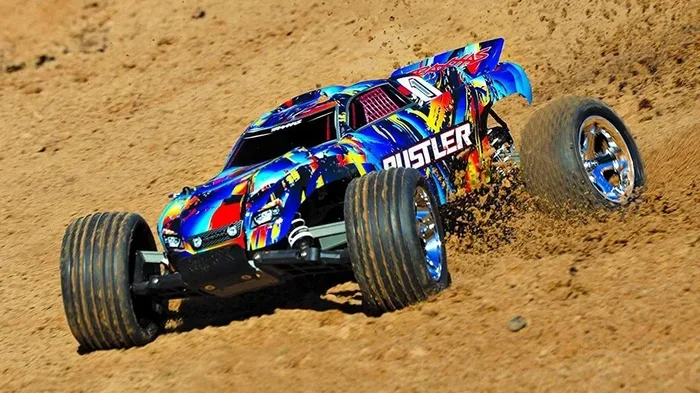
Off-road 27 MHz RC cars are built to tackle rough terrain. They feature large tires with deep treads, reinforced suspension systems, and durable plastic or metal chassis. These cars can handle rocks, mud, sand, and gravel without breaking a sweat.
Suspension travel is a key factor in off-road performance. Look for cars with long suspension arms and oil-filled shock absorbers. These components absorb bumps and keep the tires planted on uneven surfaces. A good off-road 27 MHz RC car will maintain speed and control even on challenging terrain.
Water resistance is another important consideration. Some off-road models come with waterproof electronics, which means you can drive through puddles, streams, and wet grass without worrying about damage. If you plan to explore creeks or muddy trails, this feature is a must-have.
Best 27 MHz RC Cars for Kids
When choosing a 27 MHz RC car for children, safety and simplicity should be your top priorities. Look for models with rounded edges, soft materials, and easy-to-grip controllers. Speed should be limited to a safe level, ideally under 15 miles per hour.
Many kid-friendly 27 MHz cars come in fun designs with bright colors and realistic styling. Some even mimic real cars, trucks, or SUVs. Children love the feeling of driving a miniature version of a vehicle they see on the road. These cars also help develop hand-eye coordination and spatial awareness.
Battery life is especially important for younger users. Rechargeable batteries that last 20 to 30 minutes per charge are ideal. Consider also the charging time, as kids can get impatient waiting for a battery to recharge. A fast-charging battery is a nice bonus that keeps the fun going without long pauses.
Key Features to Look for When Buying a 27 MHz Remote Control Car
With so many options available, choosing the right 27 MHz RC car can feel overwhelming. Focus on these essential features to narrow down your choices and find the perfect match.
Frequency and Channel Selection
The 27 MHz band offers seven standard channels, each identified by a color. This system allows multiple RC cars to operate in the same area without interfering with each other. Before you buy, check which channel your car uses. If you plan to race with friends, make sure everyone picks a different color channel.
Some advanced 27 MHz systems include a frequency flag or indicator on the transmitter. This makes it easy to see which channel is in use at a glance. It is a small detail that makes a big difference during group sessions or races.
Battery Type and Runtime
Battery choice directly affects how long you can enjoy your 27 MHz remote control car. The two most common types are nickel-metal hydride (NiMH) and lithium polymer (LiPo). NiMH batteries are safer, more affordable, and easier to maintain. They are the go-to choice for beginners and casual users.
LiPo batteries, on the other hand, are lighter, charge faster, and deliver more consistent power. They are popular among serious hobbyists and racers. However, LiPo batteries require careful handling and proper storage to prevent damage. Always follow the manufacturer’s charging and storage guidelines.
Runtime varies depending on battery capacity and driving style. Most 27 MHz RC cars offer between 15 and 45 minutes of run time per charge. Consider purchasing a spare battery so you can keep driving without interruption. A 12V car cigarette lighter socket can also serve as a convenient charging option for some models, especially if you charge from your vehicle during road trips.
Build Quality and Materials
The build quality of your 27 MHz RC car determines how long it will last and how well it handles crashes. Plastic bodies are lightweight and affordable, but they can crack on hard impacts. Metal chassis and aluminum parts offer superior durability and a more realistic feel.
Tires are another critical component. Rubber tires with tread patterns provide better grip on various surfaces. Some high-end models use foam-filled tires that cannot go flat, which is great for off-road driving. Check the suspension components as well. Shock absorbers with oil filling dampen impacts more effectively than simple spring-only setups.
Controller Range and Responsiveness
The transmitter, or controller, is your direct connection to the car. Look for a controller with a comfortable grip and responsive sticks or triggers. The range of the transmitter determines how far you can drive the car. Most 27 MHz controllers offer a range of 30 to 100 feet, which is sufficient for most casual and semi-competitive use.
Some controllers feature adjustable trim settings that let you fine-tune the steering and throttle response. This is especially useful if you want to customize the driving feel. A responsive controller makes the RC car feel more precise and enjoyable to drive, whether you are cruising around the yard or competing in a race.
27 MHz vs Other RC Car Frequencies Compared
Understanding how 27 MHz compares to other frequencies helps you make an informed decision. Each frequency band has its own strengths and ideal use cases.
27 MHz vs 49 MHz
The 49 MHz frequency is another common band found in toy-grade RC cars. Both 27 MHz and 49 MHz offer similar ranges and simplicity. However, 27 MHz tends to have slightly better penetration through obstacles like walls and trees. This makes 27 MHz a better choice for off-road and indoor-outdoor play.
The 49 MHz band uses fewer channels (typically two), which increases the chance of interference when multiple cars are nearby. The 27 MHz band’s seven channels provide more flexibility for group activities.
27 MHz vs 2.4 GHz
The 2.4 GHz frequency represents the latest generation of RC technology. It offers longer range, faster response times, and advanced features like frequency hopping. Unlike 27 MHz, 2.4 GHz systems automatically select the clearest channel, eliminating the need to manually choose frequencies.
However, 2.4 GHz systems are generally more expensive. If you are on a budget or buying a first RC car for a child, a 27 MHz model provides excellent value. The 27 MHz frequency also has a loyal following among hobbyists who appreciate its simplicity and reliability. For many users, the difference in performance between 27 MHz and 2.4 GHz is not noticeable in casual use.
27 MHz vs 75 MHz
The 75 MHz band is often used in more advanced RC systems, particularly in aircraft and larger vehicles. Compared to 27 MHz, 75 MHz offers better range and signal stability. However, 75 MHz equipment is typically more expensive and less common in the RC car market.
For most RC car enthusiasts, especially those focused on cars rather than aircraft, 27 MHz remains the most practical and cost-effective choice. It delivers reliable performance at a fraction of the cost of higher-frequency systems.
| Feature | 27 MHz | 2.4 GHz | 49 MHz |
|---|---|---|---|
| Number of Channels | 7 | Many (auto-select) | 2 |
| Typical Range | 30-100 ft | 100-300+ ft | 30-80 ft |
| Interference Resistance | Good | Excellent | Fair |
| Price Range | $15-$200 | $50-$500+ | $10-$100 |
| Best For | Beginners, casual use | Serious hobbyists | Basic toy cars |
| Setup Complexity | Very simple | Moderate | Very simple |
How to Maintain and Care for Your 27 MHz RC Car
Proper maintenance keeps your 27 MHz remote control car performing at its best and extends its lifespan. A well-maintained RC car also provides a safer and more enjoyable experience. Follow these simple care tips to get the most out of your investment.
Cleaning Your RC Car Regularly
After every off-road session, dirt, mud, and debris accumulate on your RC car. Over time, this buildup can clog the suspension, wear out gears, and corrode electrical connections. Use a soft cloth or a 3M car cleaning cloth to wipe down the body and chassis after each use. For stubborn dirt, a gentle rinse with water works well on most models, but always check the manufacturer’s guidelines first.
Pay special attention to the wheels and suspension arms. These components collect the most grime and can affect performance if not kept clean. A small brush, like an old toothbrush, helps remove dirt from tight spaces. Let the car dry completely before storing it to prevent rust and moisture damage.
Battery Care and Storage
Your RC car’s battery is its lifeblood. Treat it well, and it will reward you with consistent performance. Always charge your battery using the correct charger and follow the recommended charging time. Overcharging can reduce battery life or cause safety issues.
When not in use, store batteries in a cool, dry place. Avoid leaving them in direct sunlight or in hot cars. For LiPo batteries, use a fireproof storage bag and store them at partial charge (around 50%). If you notice swelling or damage on any battery, replace it immediately. A damaged battery is a safety hazard that should never be used.
Upgrading and Customizing Your 27 MHz RC Car
One of the most enjoyable aspects of RC car ownership is customization. Many 27 MHz RC cars support aftermarket upgrades that enhance performance and appearance. Common upgrades include better tires, upgraded shock absorbers, LED light kits, and audio systems.
For a fun audio upgrade, consider adding a small 6 inch car subwoofer to your RC car build. While this may sound unconventional, enthusiasts have created impressive miniature audio systems that play music while the car drives around. It is a great conversation starter at RC meetups and car shows.
LED light kits are another popular upgrade. They add visibility and a cool visual effect, especially for evening drives. You can also improve the car’s antenna for better signal reception. A stronger antenna reduces the chance of signal loss, especially when driving at the edges of the controller’s range.
Troubleshooting Common 27 MHz RC Car Issues
Even with proper care, you may encounter occasional issues with your 27 MHz RC car. Signal loss is the most common problem. If your car starts behaving erratically or stops responding, check that you are on the correct channel and that the transmitter batteries are fresh. Weak transmitter batteries often cause intermittent signal problems.
Another common issue is reduced speed or sluggish performance. This usually indicates a low battery or dirty motor contacts. Clean the battery terminals and motor connections with a dry cloth. If the problem persists, the motor or speed controller may need replacement. These parts are inexpensive and easy to swap out on most models.
Steering problems can also arise over time. If the car pulls to one side or does not respond smoothly, check the steering linkage for loose screws or bent parts. Tighten any loose connections and replace damaged components. Regular inspection of all moving parts prevents small issues from becoming major problems.
Common Mistakes Buyers Make with 27 MHz RC Cars
Avoid these common pitfalls to ensure a smooth and satisfying RC car experience. Learning from others’ mistakes saves time, money, and frustration.
Ignoring Channel Compatibility
One of the most frequent mistakes is buying multiple 27 MHz RC cars without checking their channels. If two cars share the same channel, they will interfere with each other. Always verify the channel before purchasing, especially if you plan to run more than one car at a time.
Underestimating Battery Needs
Many buyers focus on the car itself and overlook battery quality. Cheap or incompatible batteries can damage the car’s electronics and reduce run time. Invest in quality rechargeable batteries that match your car’s specifications. Having a spare battery on hand also prevents frustrating interruptions during play sessions.
Skipping Regular Maintenance
It is easy to toss your RC car in a closet after a fun session. However, skipping regular cleaning and inspection leads to premature wear and performance decline. A few minutes of maintenance after each use goes a long way toward keeping your car in top condition.
Buying the Wrong Skill Level
Some buyers purchase advanced racing models for children or beginners. These cars can be too fast, too complex, or too fragile for first-time users. Match the car’s skill level to the user’s experience. Starting with a simple, durable model builds confidence and ensures a positive first experience with RC cars.
Overlooking Accessory Compatibility
Not all RC cars accept the same accessories. Before buying upgrades like lights, speakers, or better antennas, check that they are compatible with your specific model. Some cars have standardized mounting points, while others require custom adapters. Doing your research beforehand saves time and money.
Conclusion
The 27 MHz remote control car continues to be a fantastic choice for hobbyists of all ages and skill levels. Its simplicity, affordability, and reliability make it the go-to frequency for anyone stepping into the RC world. Whether you are looking for a fun toy for your child, a weekend racing machine, or a rugged off-road adventurer, there is a 27 MHz RC car that fits the bill.
By understanding the key features, comparing frequencies, and following proper maintenance practices, you can get years of enjoyment from your RC car. Start with a beginner-friendly model, explore upgrades as your skills grow, and most importantly, have fun. The world of RC cars is vast and exciting, and the 27 MHz band is a wonderful place to begin your journey.
Remember to choose the right channel, care for your battery, and keep your car clean. These small habits make a big difference. With the right 27 MHz remote control car in hand, every driveway, park, and backyard becomes your personal race track. Happy driving!
Frequently Asked Questions
What is the best 27 MHz remote control car for beginners?
Look for a ready-to-run model with a simple controller, moderate speed, and sturdy construction. Cars in the $25 to $60 range from trusted brands like Traxxas or Redcat Racing offer excellent value. Choose a color-coded channel that does not conflict with other RC cars you may own.
How far can a 27 MHz remote control car travel?
Most 27 MHz RC cars have an effective range of 30 to 100 feet. This is sufficient for backyard play, casual racing, and indoor use. The range can be affected by obstacles like walls, trees, and other electronic devices. For longer range, consider upgrading the antenna or switching to a 2.4 GHz system.
Can I run multiple 27 MHz RC cars at the same time?
Yes, as long as each car operates on a different channel. The 27 MHz band offers seven color-coded channels, allowing up to seven cars to run simultaneously without interference. Always check and set each transmitter to a unique channel before starting a group session.
How long does a 27 MHz RC car battery last?
Battery life depends on the type and capacity. Most NiMH batteries provide 15 to 45 minutes of run time per charge. LiPo batteries tend to offer slightly longer and more consistent runtime. Charging typically takes one to three hours, depending on the battery type and charger used.
Is a 27 MHz RC car better than a 2.4 GHz RC car?
It depends on your needs. 27 MHz is simpler, more affordable, and perfect for beginners. 2.4 GHz offers longer range, better interference resistance, and automatic channel selection. For casual play and learning, 27 MHz is an excellent choice. For serious racing and advanced features, 2.4 GHz may be worth the extra investment.
What accessories should I get for my 27 MHz RC car?
Essential accessories include spare batteries, a quality charger, cleaning cloths, and replacement parts like tires and screws. For added fun, consider LED light kits, audio upgrades, or upgraded antennas. A 3M car cleaning cloth is a simple but effective way to keep your car looking and performing its best after every session.