How Far Past Empty Can a Car Go on a Nearly Empty Tank
How Far Past Empty Can a Car Go? Most vehicles can travel between 30 and 50 miles after the fuel warning light activates, but this varies by model and driving conditions. Your fuel range depends on tank capacity, fuel efficiency, and road terrain. Pushing your empty fuel tank too far risks fuel pump damage and engine trouble. This guide covers everything from miles to empty calculations to expert tips for staying safe on the road.
Key Takeaways
- Most cars go 30 to 50 miles past empty: The exact distance depends on your vehicle model, tank size, and driving habits.
- The fuel warning light is not a hard limit: It signals low fuel, but your driving range can still cover a meaningful distance.
- Running on empty risks fuel pump damage: Sediment settles at the bottom of the tank and can clog the fuel pump when levels are critically low.
- Driving conditions matter a lot: Highway driving extends your range, while stop-and-go traffic burns fuel faster.
- Keeping a half tank is a smart habit: It protects your engine, reduces strain on the fuel system, and gives you a safety buffer.
- Know your car’s numbers: Check your tank capacity and fuel consumption rate to estimate your personal fuel range.
- Never ignore the low fuel light: Act quickly and find a gas station to avoid getting stranded.
📑 Table of Contents
How Far Past Empty Can a Car Go?
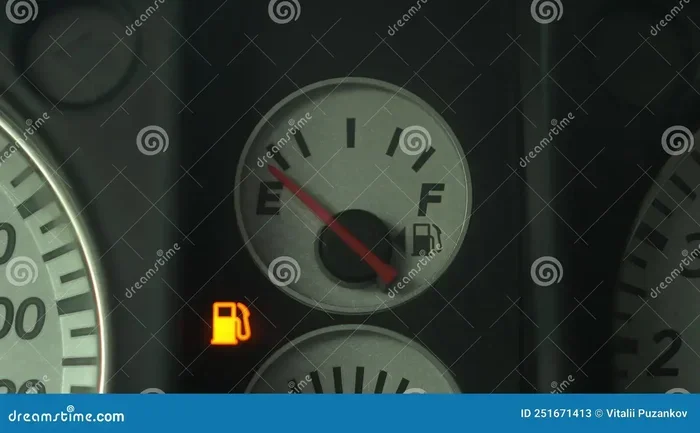
You are cruising down the highway. The fuel gauge needle hovers near the bottom. Then, a little light pops up on your dashboard. Your heart drops a little. You start doing the math in your head. How far can you really go?
The answer to how far past empty can a car go is not a single number. It depends on many factors. Your vehicle type matters. Your driving style matters. Even the road conditions play a role. Most cars can squeeze out 30 to 50 extra miles after the low fuel light comes on. Some models push past 70 miles. Others barely make it 20.
This is important knowledge for every driver. Whether you are on a road trip fuel adventure or just stuck in a rush, understanding your fuel range can save you from a stressful situation. Let us break down everything you need to know about driving on a nearly empty tank.
The truth is, many drivers push their gas tank closer to empty than they should. Life gets busy. Gas stations get skipped. But knowledge is power. When you understand what happens inside your vehicle when the fuel drops low, you can make smarter decisions. You can protect your engine. And you can avoid the nightmare of getting stranded on the side of the road.
Why Does This Question Matter So Much?
Every year, thousands of drivers find themselves stuck because they ran out of gas. Some are on busy highways. Others are in remote areas with no cell service. The fuel warning light exists for a reason. It gives you a buffer. But many people treat it as a suggestion rather than a warning. Understanding your driving range on low fuel helps you plan better. It keeps you safe. And it saves you from expensive repairs down the road.
Understanding Your Fuel Gauge and Reserve Tank
Your fuel gauge is your best friend when it comes to managing your fuel level. But most drivers do not fully understand what the gauge is telling them. Let us take a closer look at how it works and what those readings really mean.
How the Fuel Gauge Works
The fuel gauge reading on your dashboard uses a sensor inside the gas tank. This sensor measures the amount of fuel remaining. It sends a signal to the gauge, which then displays the level. Simple, right? But here is the catch. The gauge is not always perfectly accurate.
Factors like temperature, fuel sloshing, and sensor wear can affect the reading. Your fuel gauge might show half full when you actually have less fuel than that. This is why it is smart to track your fuel consumption over time. Pay attention to how far you drive between fill-ups. That gives you a much more accurate picture of your true fuel economy.
What Is the Reserve Tank?
Most vehicles have a reserve portion built into their tank capacity. When the fuel warning light turns on, you still have reserve fuel left. This reserve is typically about 10 to 15 percent of your total tank capacity. The exact amount varies by car model and manufacturer.
For example, if your car has a 15-gallon gas tank, the reserve might be 1.5 to 2.25 gallons. That reserve fuel is what gives you those extra miles after the light comes on. But here is the important part. The reserve is not meant for regular use. It is an emergency buffer. Think of it as a safety net, not a second tank.
Some older vehicles do not even have a reserve indicator. They simply have a fuel gauge that drops to empty. If you drive one of these older models, you need to be even more careful. Monitor your fuel level closely and refuel early. Do not wait for the needle to hit the bottom.
How Many Miles Can You Drive After the Warning Light Comes On?
This is the question on everyone’s mind. When that little light turns on, how much further can you go? The answer varies, but let us look at some real-world numbers.
Average Miles to Empty by Vehicle Type
Different vehicles have different driving ranges on low fuel. Here is a general breakdown:
- Compact cars: Usually 30 to 40 miles past the warning light. These smaller vehicles have smaller tank capacity and less reserve fuel.
- Sedans: Typically 35 to 50 miles. Mid-size sedans often have larger tanks and better fuel efficiency.
- SUVs and trucks: Can go 40 to 60 miles or more. Their bigger gas tanks hold more reserve fuel.
- Hybrid vehicles: Some hybrids can go 50 to 70 miles past empty. They use fuel more efficiently and sometimes have clever reserve systems.
- Luxury vehicles: Often 40 to 55 miles. Larger tanks and smoother engines help extend the range.
Factors That Affect Your Miles to Empty
Your personal miles to empty number depends on several things. Let us walk through them.
Your driving speed plays a big role. Highway cruising at a steady 60 mph uses fuel more efficiently than stop-and-go city driving. If you are on the highway when the light comes on, you will likely get more miles than someone stuck in downtown traffic.
Your driving habits matter too. Aggressive acceleration burns fuel fast. Smooth, steady driving helps you stretch every last drop. If you ease off the gas pedal and avoid hard braking, your fuel economy improves noticeably.
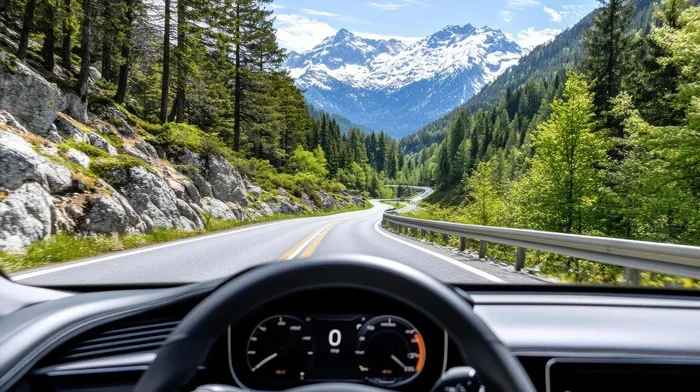
Road terrain also counts. Flat highways are easier on fuel than hilly mountain roads. Climbing hills forces your engine to work harder, which burns more gas. If you are driving through the mountains on low fuel, your range will shrink.
Weather conditions can affect your range as well. Cold weather reduces fuel efficiency because engines take longer to warm up. Running the heater also draws energy. Hot weather can increase fuel consumption through increased air conditioning use.
Vehicle load is another factor. A full trunk of heavy items makes your engine work harder. If you are carrying extra weight, your fuel range will be shorter. Lightening your load when fuel is low can help squeeze out a few extra miles.
What Happens When You Run Out of Gas?
Running out of gas is more than just an inconvenience. It can cause real damage to your vehicle. Let us talk about what happens inside your car when the empty fuel tank runs dry.
Fuel Pump Damage
This is the biggest risk. Your fuel pump relies on fuel to stay cool. When the fuel level drops very low, the pump sits in hot air instead of cool fuel. Over time, this causes the pump to overheat. Repeated overheating leads to premature fuel pump damage.
A new fuel pump can cost anywhere from 400 to 800 dollars. That is a steep price for ignoring a fuel warning light. The pump also has a built-in motor that needs fuel for lubrication. Without fuel, the motor grinds and wears out faster.
Contaminants and Sediment
Over time, dirt, rust, and sediment settle to the bottom of your gas tank. When you drive on a nearly empty fuel tank, the fuel pump sucks up this debris along with the last drops of fuel. This gunk can clog fuel filters and injectors.
Clogged injectors lead to poor engine performance. You might notice rough idling, hesitation when accelerating, or reduced fuel economy. In severe cases, dirty fuel can cause your engine to stall or fail to start.
Stranded on the Road
Getting stranded is the most immediate danger. You could be on a busy highway, a dark rural road, or in an unfamiliar area. Being stranded is stressful and potentially dangerous. You might need to call for roadside assistance. You could be waiting hours for help. And if you are in an unsafe location, the situation can escalate quickly.
Even if you do get your car restarted with a fuel can, you may have already caused damage. The sediment that gets pulled into the system during a dry run can affect your engine for a long time.
Tips to Avoid Running Out of Fuel
The best way to deal with low fuel is to prevent the situation altogether. Here are some practical tips to keep your gas tank full and your engine happy.
Monitor Your Fuel Gauge Regularly
Do not ignore the numbers on your fuel gauge. Make it a habit to check your fuel level every time you get behind the wheel. If you see the needle dropping below a quarter tank, start planning your next stop.
Refuel at a Quarter Tank
Many mechanics recommend refueling when your tank reaches a quarter full. This keeps your fuel pump submerged in cool fuel at all times. It also prevents sediment from being drawn into the system. A half tank is even better if you have the convenience.
Keeping your tank at least a quarter full also gives you a safety margin. If you get stuck in traffic or take a wrong turn, you will not suddenly find yourself running on empty.
Plan Ahead on Road Trips
When you are on a road trip fuel plan, know where the gas stations are along your route. Use your phone or GPS to locate stations before you are in a pinch. Map out your stops every 100 miles or so, depending on your vehicle’s fuel range.
Keep a small emergency fuel can in your trunk if you frequently travel through remote areas. Just make sure you follow safety guidelines for transporting fuel. A 2-gallon can can give you enough to reach the next station in an emergency.
Track Your Fuel Economy
Learn your vehicle’s fuel economy over time. Use an app or a simple notebook to record your mileage and fuel purchases. This helps you spot changes in fuel consumption that might signal a problem. It also helps you estimate your personal miles to empty more accurately.
Drive Smoothly on Low Fuel
If your fuel level is getting low, adjust your driving style. Accelerate gently. Maintain steady speeds. Avoid sudden braking. These habits reduce fuel consumption and help you stretch your remaining fuel further.
Also, turn off your air conditioning if it is not essential. AC puts extra load on the engine, which burns more fuel. Opening the windows at lower speeds can be a good alternative.
Common Mistakes Drivers Make When Fuel Is Low
Many drivers make avoidable mistakes when their fuel level drops. These mistakes can lead to bigger problems down the road.
Waiting for the Light to Come On
Some drivers treat the low fuel light as a challenge. They try to see how far they can push it. This is a risky habit. The warning light exists to give you time to find a gas station safely. Ignoring it puts unnecessary strain on your fuel system.
Ignoring Fuel Gauge Accuracy
Your fuel gauge is not always precise. It can be off by a quarter tank or more. Do not assume that a half-tank reading means you have exactly half your fuel left. Use the gauge as a general guide, not an exact measurement.
Skipping Regular Maintenance
Regular maintenance keeps your fuel system healthy. Fuel filters should be replaced on schedule. Fuel injectors should be cleaned periodically. A well-maintained engine uses fuel more efficiently, which extends your driving range on every tank.
Carrying Too Much Weight
Extra weight in your vehicle reduces fuel efficiency. If you are carrying heavy items you do not need, remove them. Every extra pound means your engine works harder and burns more fuel. This is especially noticeable when you are already on low fuel.
Choosing the Wrong Gas Station
Not all gas stations are created equal. Some stations get their fuel deliveries more frequently than others. Choosing a busy, well-stocked station reduces the chance of filling up with contaminated fuel. When your fuel level is low, be picky about where you refuel.
Conclusion
How far past empty can a car go is a question every driver should understand. The answer is typically 30 to 50 miles, but many factors influence this number. Your fuel range depends on your vehicle type, tank capacity, driving habits, and road conditions.
The most important takeaway is this: do not push your luck. The fuel warning light is your cue to refuel soon. Ignoring it risks fuel pump damage, engine problems, and getting stranded on the road. Keep your gas tank at least a quarter full at all times. Monitor your fuel gauge regularly. And plan your stops ahead of time, especially on long trips.
Your vehicle is a big investment. Taking care of the fuel system is one of the simplest ways to protect that investment. Smart fuel habits save you money. They keep you safe. And they give you peace of mind every time you hit the road. So the next time your fuel level drops, do not wait. Find a gas station and fill up. Your car will thank you for it.
Frequently Asked Questions
Can I drive on empty without damaging my car?
Driving briefly on empty is unlikely to cause immediate damage, but it is not recommended. When the fuel level drops very low, the fuel pump can overheat and sediment can clog the system. Even a short trip on empty adds wear over time. It is always better to refuel before the tank runs dry.
How many miles can a car go on empty?
Most cars can travel between 30 and 50 miles after the fuel warning light comes on. Some larger vehicles like SUVs and trucks can go 40 to 60 miles. Hybrid vehicles may push past 70 miles. Your exact miles to empty depend on your vehicle model, tank capacity, and driving conditions.
Is it bad to drive with low fuel?
Driving with low fuel occasionally is not harmful, but making a habit of it can cause problems. Low fuel levels expose the fuel pump to heat and allow sediment to be drawn into the system. Over time, this leads to reduced fuel efficiency and potential fuel pump damage. Keeping at least a quarter tank is the safest practice.
What should I do if I run out of gas on the highway?
Pull over to the right shoulder as far from traffic as possible. Turn on your hazard lights. Do not attempt to walk to a gas station on a highway. Call roadside assistance or a tow truck. Keep a small emergency fuel can in your trunk for situations like this. Always prioritize your safety over saving a few minutes.
Does low fuel affect engine performance?
Yes, low fuel can affect engine performance over time. When the fuel level is very low, the fuel pump works harder and may overheat. Sediment and contaminants can also reach the engine, causing rough idling, hesitation, or stalling. Maintaining a healthy fuel level keeps your engine running smoothly and efficiently.
How often should I refill my tank?
There is no set schedule, but refueling when your tank reaches a quarter full is a great habit. This keeps the fuel pump cool and prevents sediment buildup. If you drive frequently, you may need to fill up every few days. For occasional drivers, aim to refuel at least once every two weeks to keep the fuel system in good shape.