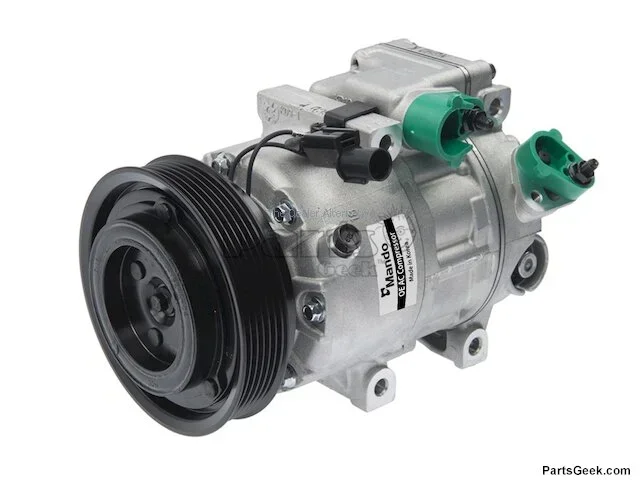
AC Compressor for a 2011 Hyundai Sonata Replacement
Replacing the AC compressor on a 2011 Hyundai Sonata is a common repair that restores cold air to your cabin. This guide covers warning signs, replacement costs, OEM vs aftermarket parts, and a step-by-step DIY walkthrough. Whether you are a DIYer or a car owner seeking knowledge, you will find practical tips to save money and avoid costly mistakes.
Your 2011 Hyundai Sonata AC compressor is the heart of your car’s air conditioning system. When it fails, the heat inside your cabin can become unbearable, especially during summer months. This guide walks you through everything you need to know about AC Compressor for a 2011 Hyundai Sonata replacement. From recognizing the first warning signs to completing the replacement yourself, we cover it all in simple, clear language.
Many car owners ignore early AC problems until the system stops working entirely. That is a mistake. Addressing compressor issues early can save you hundreds of dollars. Whether you are a hands-on DIYer or someone who wants to understand what the mechanic is quoting you, this article gives you the knowledge you need. Let us dive in and make sure your Sonata stays cool all year long.
Key Takeaways
- Know the Symptoms: Recognizing early signs of AC compressor failure saves you from bigger repairs.
- Cost Range: Expect to pay between $400 and $1,200 for parts and labor combined.
- OEM vs Aftermarket: Both options have pros and cons. Choose based on your budget and needs.
- DIY Friendly: With basic tools and patience, you can replace the compressor yourself.
- Preventive Care: Regular maintenance extends compressor life and keeps your AC system running smoothly.
📑 Table of Contents
- Understanding the AC Compressor in Your 2011 Hyundai Sonata
- Signs Your 2011 Hyundai Sonata AC Compressor Is Failing
- AC Compressor Replacement Cost for 2011 Hyundai Sonata
- Step-by-Step AC Compressor Replacement Process
- OEM vs Aftermarket AC Compressors
- Tips to Extend Your AC Compressor Life
- When to Seek Professional Help
- Conclusion
Understanding the AC Compressor in Your 2011 Hyundai Sonata
The AC compressor is a small but mighty component. It pressurizes the refrigerant and circulates it through the system. Without a working compressor, your air conditioning simply cannot function. The 2011 Hyundai Sonata uses a belt-driven compressor that relies on the engine for power.
Here is how the system works in simple terms. The compressor takes low-pressure refrigerant gas and compresses it into high-pressure gas. This hot gas then flows to the condenser, where it cools down and becomes a liquid. The liquid moves through the expansion valve and evaporator, absorbing heat from your cabin. The cycle repeats continuously to keep you cool.
Several things can cause compressor failure. Age and wear are the most common culprits. Low refrigerant levels strain the compressor. Contamination from debris or moisture inside the system also causes damage. Sometimes, the clutch fails, which stops the compressor from engaging even when the AC is turned on.
Signs Your 2011 Hyundai Sonata AC Compressor Is Failing
Catching compressor problems early makes a huge difference. You do not want to be stuck on a hot highway with no cold air. Here are the most common warning signs to watch for.
Warm Air Blowing from the Vents
This is the most obvious sign. If your AC blows warm or lukewarm air instead of cold, the compressor may not be working. However, this symptom can also point to a refrigerant leak or a faulty condenser. It is important to diagnose the root cause correctly.
Strange Noises From the AC System
Listen carefully when you turn on the AC. A loud clicking, grinding, or squealing noise often means the compressor internal parts are worn out. A failing compressor clutch can also produce a rattling sound when you engage the AC.
AC Compressor Clutch Not Engaging
The compressor clutch connects the compressor to the engine. When you turn on the AC, the clutch should engage and the compressor should start working. If the clutch does not engage, you may have an electrical issue, a low refrigerant level, or a dead compressor.
Visible Leaks Around the Compressor
Check the area around the compressor for oily residue. Refrigerant oil leaks often accompany compressor failure. You might see wet spots or greasy film near the AC lines connected to the compressor.
AC System Tripping or Cycling Erratically
If your AC turns on and off frequently, the compressor might be struggling. This short cycling puts extra stress on the system and wastes fuel. It is a clear signal that something needs attention.
Want to keep your Sonata in top shape overall? Consider upgrading other parts like a 200 Watt LED Light For Car for better visibility or a 12V DC to 220V AC Car Power Inverter for powering devices on the road.
AC Compressor Replacement Cost for 2011 Hyundai Sonata
Cost is always a big concern when it comes to car repairs. Let us break down what you can expect for an AC compressor replacement on your 2011 Hyundai Sonata.
| Cost Component | Low Estimate | Average Estimate | High Estimate |
|---|---|---|---|
| OEM Compressor Part | $350 | $450 | $600 |
| Aftermarket Compressor Part | $200 | $280 | $400 |
| Labor Cost | $200 | $350 | $500 |
| Refrigerant Recharge | $50 | $100 | $150 |
| Total Replacement Cost | $600 | $1,180 | $1,650 |
These numbers vary based on your location, the mechanic’s labor rate, and whether you choose an OEM or aftermarket part. Labor costs tend to be higher in urban areas. The replacement process takes about 2 to 4 hours for a professional mechanic.
DIY replacement can save you the labor cost entirely. However, it requires proper tools and knowledge of handling refrigerant. In many states, releasing refrigerant into the air is illegal without proper certification. You will need an AC recovery machine to handle the refrigerant safely.
Quick Tip: Always get quotes from at least two or three repair shops before committing. Prices can vary significantly, and you might find a better deal than the first estimate you receive.
Step-by-Step AC Compressor Replacement Process
Replacing the AC compressor on a 2011 Hyundai Sonata is a manageable project for intermediate DIYers. Here is a detailed walkthrough of the process.
Step 1: Gather Your Tools and Materials
Before you start, make sure you have everything you need. You will need a wrench set, a refrigerant recovery machine, a new compressor, a new clutch if needed, replacement O-rings, AC refrigerant oil, and a refrigerant recharge kit. Having all your materials ready prevents frustrating delays.
Step 2: Recover the Old Refrigerant
Connect the refrigerant recovery machine to the low and high-side service ports. Follow the machine instructions to safely extract the old refrigerant. Never release refrigerant into the atmosphere. It is harmful to the environment and illegal in most places.
Step 3: Disconnect the Electrical and Mechanical Connections
Disconnect the battery first for safety. Then unplug the electrical connector from the compressor clutch. Remove the serpentine belt that drives the compressor. Next, disconnect the AC lines from the compressor. Use a wrench to carefully loosen the fittings. Have a rag ready to catch any residual refrigerant or oil.
Step 4: Remove the Old Compressor
Unbolt the compressor mounting bolts. The compressor should come free fairly easily. Set it aside and inspect the mounting bracket for any damage. Clean the mounting surface before installing the new unit.
Step 5: Install the New Compressor
Position the new compressor in place and hand-tighten the mounting bolts. Then torque them to the manufacturer specifications. Reconnect the AC lines and tighten the fittings securely. Install a new serpentine belt and reconnect the electrical connector.
Step 6: Recharge the System
Add the correct amount of refrigerant and oil to the system. Use a recharge kit to fill the low-side port. Check for leaks by applying a leak detection solution to all connections. Start the engine and turn on the AC to verify cold air is blowing.
Need to upgrade other parts of your car while you are at it? A 3M Anti Glare Film For Car Windshield can reduce eye strain during long drives, and a 000 Lbs Heavy For A Car guide can help you understand weight limits for your vehicle.
OEM vs Aftermarket AC Compressors
When shopping for a replacement compressor, you will encounter two main options: OEM (Original Equipment Manufacturer) and aftermarket parts. Let us compare them side by side.
OEM AC Compressors
OEM parts are made by the same manufacturer that supplied the original compressor for your 2011 Sonata. They match the exact specifications and fit perfectly. The quality is consistent with what Hyundai originally installed. OEM parts typically come with a warranty from the manufacturer or dealer.
The downside is the price. OEM compressors cost significantly more than aftermarket alternatives. Availability can also be an issue for older models like the 2011 Sonata. You might need to order the part from a dealer or a specialty supplier.
Aftermarket AC Compressors
Aftermarket parts are produced by third-party manufacturers. They are designed to fit and function as a replacement for the original part. Many aftermarket compressors come from reputable brands that meet or exceed OEM quality standards. The price advantage is the biggest benefit here.
However, quality varies widely among aftermarket brands. Some budget options use lower-grade materials that may wear out faster. It is important to choose a trusted aftermarket brand with good reviews and a solid warranty.
Expert Insight: For a daily driver like the 2011 Hyundai Sonata, a quality aftermarket compressor is often the smart choice. It saves you money without sacrificing reliability. Just make sure to buy from a reputable supplier.
Tips to Extend Your AC Compressor Life
Prevention is always better than replacement. These simple habits can help your AC compressor last longer and perform better.
- Run Your AC Regularly: Even in winter, run the AC for a few minutes once a week. This keeps the seals lubricated and prevents them from drying out.
- Check Refrigerant Levels: Low refrigerant forces the compressor to work harder. Have the system checked annually for leaks and proper charge levels.
- Replace Cabin Air Filters: A clean cabin air filter allows proper airflow through the system. Replace it every 12,000 to 15,000 miles.
- Keep the Condenser Clean: Debris can block the condenser and reduce cooling efficiency. Hose it down gently during car washes.
- Address Leaks Promptly: Even small refrigerant leaks strain the compressor. Fix leaks as soon as you notice them.
- Avoid Overloading the AC System: Do not use aftermarket AC accessories that put extra strain on the compressor without proper installation.
Common Mistake: Many car owners turn off the AC just before reaching their destination. This is a bad habit. Instead, turn off the AC a minute or two before arrival but keep the fan on high. This dries out the evaporator and prevents mold and mildew buildup, which protects the entire AC system.
When to Seek Professional Help
While replacing an AC compressor is a DIY-friendly task, some situations call for a professional mechanic. If you do not have the right tools, especially a refrigerant recovery machine, it is best to leave the job to an expert. Handling refrigerant without proper equipment is both unsafe and illegal.
You should also consult a professional if the compressor failure was caused by a broader system issue. For example, if debris entered the system and damaged the compressor, the condenser, or the evaporator may also need replacement. A professional can flush the entire AC system properly and ensure no contamination remains.
Additionally, if you are uncomfortable working with car electrical systems or do not have a lift or jack stands, a mechanic is the safer choice. Your safety always comes first.
For other car maintenance needs, check out our guide on 10 Seater Car For Travelling if you are planning a family trip and need reliable transportation options.
Conclusion
Replacing the AC compressor for a 2011 Hyundai Sonata is a repair that brings back the comfort of cold air on hot days. By understanding the symptoms early, knowing the replacement costs, and following the right process, you can handle this job with confidence. Whether you choose to DIY or visit a mechanic, being informed puts you in the best position to make smart decisions.
Remember to maintain your AC system regularly. Simple habits like running the AC weekly and checking for leaks go a long way in preventing costly repairs. Your 2011 Hyundai Sonata is a reliable car, and with proper care, it will keep you cool for many miles to come.
Take action today. If your AC is not performing as it should, do not wait for the problem to get worse. Diagnose the issue, get a quote, and get your Sonata cooling again. Your comfort on the road depends on it.
Frequently Asked Questions
How long does an AC compressor last on a 2011 Hyundai Sonata?
With proper maintenance, an AC compressor can last 10 to 15 years or 150,000 miles. The 2011 Hyundai Sonata is now over a decade old, so compressor wear is not unusual. Regular AC system maintenance helps extend its lifespan significantly.
Can I drive my 2011 Hyundai Sonata with a bad AC compressor?
Yes, you can still drive the car. A bad compressor only affects the air conditioning system. However, if the compressor clutch is stuck engaged, it may cause the serpentine belt to slip, which can affect other engine accessories. Get it repaired as soon as possible.
Do I need to replace the AC compressor clutch separately?
Not always. If the clutch is the only failed component, you can replace just the clutch. However, if the compressor itself is damaged, it is usually best to replace the entire unit. A mechanic can diagnose exactly what needs replacement.
Is it legal to recharge AC refrigerant myself?
In many states and countries, it is illegal for individuals to release or recharge refrigerant without EPA certification or equivalent. The refrigerant must be recovered and recycled properly. Consider having a licensed professional handle the refrigerant recharge.
What causes an AC compressor to fail on a Hyundai Sonata?
The most common causes are low refrigerant levels, contaminated refrigerant, worn clutch bearings, and age-related wear. Electrical issues, such as a faulty pressure switch, can also prevent the compressor from engaging properly.
How much does it cost to replace an AC compressor on a 2011 Hyundai Sonata?
The total cost typically ranges from $600 to $1,650, depending on whether you choose an OEM or aftermarket part and whether you do the work yourself or hire a mechanic. The average cost for professional replacement is around $1,180 including parts, labor, and refrigerant recharge.