Does Check Engine Light Come On for Oil Change Volkswagen
Yes, the check engine light can come on for an oil change in Volkswagen vehicles. This happens when the oil change interval is overdue or when oil-related sensors detect a problem. Understanding why your Volkswagen check engine light activates after an oil change helps you address issues quickly and keep your car running smoothly.
Does the check engine light come on for an oil change in Volkswagen? This is a question many VW owners ask, especially when they see a warning on the dashboard right after a service. The answer is not always straightforward. Sometimes the light signals a simple oil reminder. Other times it points to a deeper engine problem. Understanding how your Volkswagen handles oil change alerts can save you time, money, and stress.
Volkswagen vehicles are known for their engineering quality and reliable performance. But like any car, they need regular maintenance. Oil changes rank among the most essential services. Yet many drivers feel confused when a warning light appears on the dashboard. Is it just a reminder? Or is something seriously wrong? This article breaks it all down for you.
If you also care about keeping your Volkswagen interior clean and well-lit, you might want to check out how a 200 watt LED light for car can improve visibility inside your vehicle during late-night drives or long road trips. Good lighting helps you spot dashboard warnings more clearly too.
The check engine light is one of the most misunderstood indicators in any vehicle. People often panic when it flashes on. But it does not always mean disaster. In many cases, it is simply a maintenance reminder. Let us explore exactly how this works in Volkswagen models.
Key Takeaways
- Oil change reminders can trigger the check engine light: Volkswagen vehicles use oil change interval sensors that may activate the dashboard warning.
- Low oil level is a common cause: Insufficient engine oil leads to low oil pressure, which directly triggers the warning light.
- An OBD scanner helps diagnose the real issue: Reading the fault codes tells you whether the light is oil-related or something else entirely.
- Regular maintenance prevents false alarms: Staying on top of oil changes and sensor resets keeps your Volkswagen dashboard clear.
- Ignoring the light risks engine damage: Driving with an active check engine light can lead to costly repairs down the road.
- Reset the light after an oil change: Most Volkswagen models require a manual reset after completing an oil service.
📑 Table of Contents
- What Triggers the Check Engine Light in Volkswagen Vehicles
- Does an Oil Change Trigger the Check Engine Light
- Common Oil-Related Issues That Activate the Warning Light
- How to Diagnose the Check Engine Light
- Preventive Maintenance Tips for Volkswagen Owners
- When to See a Mechanic
- Resetting the Check Engine Light After an Oil Change
- Key Takeaways
- Conclusion
- FAQs
What Triggers the Check Engine Light in Volkswagen Vehicles
The check engine light in a Volkswagen serves as a general warning system. It monitors dozens of sensors throughout the engine and exhaust system. When any sensor detects a value outside the normal range, the light turns on. This system is part of the onboard diagnostics, commonly known as OBD-II.
Volkswagen uses a centralized computer to track engine performance. The computer receives data from sensors measuring things like oxygen levels, fuel mixture, and engine oil condition. If something falls out of range, the computer stores a fault code and illuminates the warning light on the dashboard.
Common Reasons the Check Engine Light Comes On
Several factors can activate the check engine light in a Volkswagen. Here are the most common ones:
- Loose or damaged gas cap: A loose fuel cap can trigger the light because it affects the evaporative emissions system.
- Faulty oxygen sensor: This sensor measures unburned oxygen in the exhaust. When it fails, the light comes on.
- Catalytic converter issues: A failing catalytic converter is a serious problem that activates the warning.
- Mass airflow sensor failure: This sensor measures the air entering the engine. Dirt or damage can cause it to malfunction.
- Spark plug or ignition coil problems: Worn spark plugs can cause engine misfires, which trigger the light.
- Oil change overdue: When the oil change interval is past due, the system may flag this as a warning.
Each of these issues sends a specific fault code to the Volkswagen computer system. A mechanic or car owner can read these codes using an OBD-II scanner. This tool is essential for understanding exactly why the light is on.
Oil change reminders are among the most common reasons the check engine light appears in Volkswagen vehicles. The system tracks your driving habits, mileage, and engine conditions to estimate when an oil change is needed. When the interval is reached, the light comes on to remind you.
Does an Oil Change Trigger the Check Engine Light
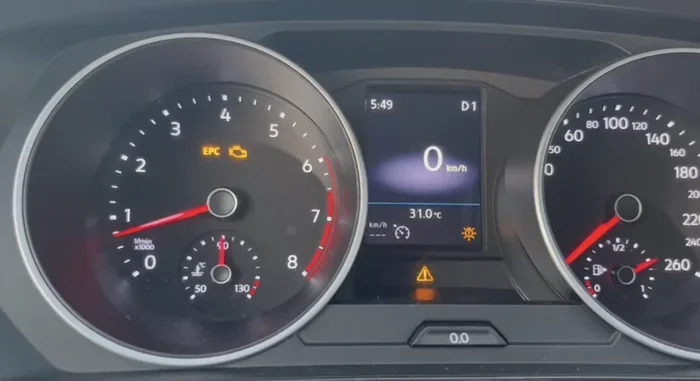
The short answer is yes. In many Volkswagen models, the oil change indicator is connected to the check engine light system. When your Volkswagen determines that the oil needs replacing, it may display a warning on the dashboard. This is different from the red oil pressure light, which signals an urgent problem.
Volkswagen vehicles use a maintenance reminder system. This system tracks the miles driven since the last oil change. When the recommended oil change interval is reached, the system activates the reminder. In some models, this shows as a yellow warning light. In others, it appears as a message on the digital display.
How the Oil Change Indicator Works
The oil change indicator in a Volkswagen works based on a few factors:
- Mileage tracking: The system counts the miles driven since the last service.
- Driving conditions: Harsh driving, short trips, and stop-and-go traffic can shorten the oil life.
- Engine temperature data: The computer monitors how hot the engine runs during each trip.
- Oil quality sensors: Some newer Volkswagen models have sensors that measure oil quality directly.
When these factors combine to suggest that the oil is no longer effective, the system triggers the warning. The check engine light may come on as part of this reminder. It is the car’s way of saying, “Hey, it is time for an oil change.”
If you are planning a road trip and need a reliable vehicle, consider how Volkswagen offers options for different group sizes. For example, if you are travelling with a large family, you might look at a 10 seater car for travelling to ensure everyone fits comfortably. Proper vehicle selection also plays a role in keeping maintenance simple.
Common Oil-Related Issues That Activate the Warning Light
Not every oil-related check engine light is just a reminder. Sometimes, it signals a real problem. Understanding the difference is critical for every Volkswagen owner.
Low Oil Level
Low engine oil is one of the most common reasons the check engine light comes on. When the oil level drops below the minimum threshold, the oil pressure sensor detects the change. This triggers the warning light immediately.
Volkswagen vehicles rely on proper oil levels for engine lubrication. Without enough oil, engine parts grind against each other. This causes friction, heat, and eventually severe damage. If your Volkswagen check engine light comes on and you suspect low oil, check the dipstick right away.
Common causes of low oil include:
- Oil leaks from the gasket or oil pan
- Excessive oil consumption in older engines
- Forgetting to refill oil after a previous service
- Using the wrong type of engine oil
Oil Pressure Problems
Oil pressure is the lifeblood of your engine. It circulates oil to every moving part. When oil pressure drops, the engine does not get the lubrication it needs. Volkswagen vehicles have a dedicated oil pressure sensor that monitors this constantly.
If the sensor detects low oil pressure, it will trigger a warning. This is different from the oil change reminder. The oil pressure warning is usually red and requires immediate attention. Driving with low oil pressure can destroy an engine within minutes.
If you notice both the check engine light and the oil pressure light on, pull over safely and turn off the engine. Check the oil level and contact a mechanic before driving again.
Dirty or Contaminated Oil
Over time, engine oil collects contaminants. Dirt, metal particles, and combustion byproducts mix with the oil. This reduces its ability to lubricate and cool the engine. Volkswagen vehicles with oil quality sensors can detect this degradation and trigger the warning light.
Regular oil changes remove contaminated oil and replace it with fresh, clean lubricant. Skipping oil changes allows the contaminants to build up. This can eventually cause the check engine light to come on.
How to Diagnose the Check Engine Light
When the check engine light comes on in your Volkswagen, the first step is diagnosis. You cannot fix what you do not understand. Modern Volkswagen models make this process easier than ever.
Using an OBD-II Scanner
An OBD-II scanner is the most reliable tool for diagnosing check engine lights. These devices plug directly into the diagnostic port under the steering column. They communicate with the Volkswagen computer system and retrieve stored fault codes.
Here is how to use one:
- Locate the OBD-II port under the dashboard.
- Plug the scanner into the port.
- Turn the ignition to the “on” position.
- Follow the scanner prompts to read the codes.
- Look up the codes to understand what they mean.
Each fault code starts with a letter followed by numbers. For example, a P0300 code indicates a random engine misfire. A P0524 code points to low oil pressure. Understanding these codes helps you determine whether the issue is oil-related or something else.
Many auto parts stores offer free OBD-II scanning services. You can also purchase a scanner for home use. They are affordable and easy to operate.
Understanding Oil Change Codes
When the check engine light is related to an oil change, the fault code will typically fall within a specific range. Common codes include:
- P000A: Oil control valve performance issue
- P0524: Low oil pressure detected
- P001A: Oil flow sensor malfunction
These codes tell you that the problem is oil-related. However, they do not always mean the oil needs changing. Sometimes they indicate a sensor failure or a blockage in the oil system. A professional mechanic can interpret these codes accurately.
Regular car maintenance is the best way to prevent unexpected check engine lights. Keeping up with oil changes, filter replacements, and sensor checks ensures your Volkswagen runs at its best. If you are considering a vehicle upgrade or exploring options, you might look at a 7 seater car on rent in Mumbai for a test drive experience before committing to a purchase.
Preventive Maintenance Tips for Volkswagen Owners
Prevention is always better than repair. Volkswagen owners who follow a consistent maintenance schedule enjoy fewer check engine light surprises. Here are practical tips to keep your car healthy.
Follow the Recommended Oil Change Schedule
Volkswagen recommends oil changes every 10,000 miles for most models. However, this interval can vary based on driving conditions. If you frequently drive in stop-and-go traffic, tow heavy loads, or operate in extreme temperatures, you may need more frequent changes.
Always use the oil grade recommended by Volkswagen for your specific model. Using the wrong oil can cause performance issues and trigger the check engine light. Check your owner’s manual for the exact specifications.
Reset the Maintenance Reminder After Each Oil Change
After completing an oil change, do not forget to reset the maintenance reminder. In most Volkswagen models, this is a simple process:
- Turn the ignition to the “on” position without starting the engine.
- Press and hold the trip reset button.
- Turn the ignition off.
- Release the button.
- Turn the ignition back on to confirm the reset.
If you skip this step, the reminder will continue to display even after a fresh oil change. This can cause confusion and unnecessary concern.
Monitor Oil Levels Between Changes
Do not wait for the reminder light to check your oil. Make it a habit to inspect the oil level once a month. Use the dipstick to check the level and the color of the oil. Fresh oil is amber in color. Dark, gritty oil indicates it is time for a change.
Keep in mind that some Volkswagen models, especially those with turbocharged engines, consume more oil than others. Topping up between changes is normal for these vehicles. But consistently low oil levels may indicate a leak that needs professional attention.
Keep an Eye on Dashboard Warnings
Your Volkswagen dashboard communicates a lot of information through its warning lights. Familiarize yourself with each symbol and what it means. The check engine light is just one of many indicators. Others include the oil pressure warning, battery light, and temperature gauge.
If multiple lights come on at the same time, pull over safely and assess the situation. A combination of warning lights often signals a serious problem that requires immediate attention.
For better visibility of your dashboard at night, consider installing a 3M anti glare film for car windshield. This simple upgrade reduces glare from headlights and streetlights, making it easier to read dashboard warnings during night driving.
When to See a Mechanic
Not every check engine light requires a trip to the shop. But some situations demand professional attention. Here is when you should take your Volkswagen to a mechanic.
- The light is flashing: A flashing check engine light indicates a severe problem, often related to engine misfires. Stop driving and seek help immediately.
- The light stays on for more than a few days: A persistent light that does not go away after an oil change needs diagnosis.
- You notice other symptoms: If the check engine light comes with unusual noises, vibrations, or performance issues, do not ignore it.
- The oil pressure light is also on: This combination is a red flag. Low oil pressure can cause catastrophic engine failure.
- You have checked the oil level and it is fine: If the oil level is normal but the light remains on, the issue may be a sensor or electrical problem.
A qualified mechanic can perform a thorough inspection and address the root cause. Many Volkswagen dealerships and independent shops specialize in European vehicles. They have the tools and expertise to diagnose complex issues accurately.
Regular visits to a trusted mechanic also help build a maintenance history for your Volkswagen. This history adds value if you ever decide to sell the vehicle. Buyers appreciate well-documented maintenance records.
Resetting the Check Engine Light After an Oil Change
Once you have completed the oil change and addressed any underlying issues, you may want to reset the check engine light. Here is how to do it in most Volkswagen models.
- Ensure the oil level is correct and the oil filter is properly installed.
- Turn the ignition to the “on” position.
- Locate the trip button on the dashboard or steering wheel controls.
- Hold the trip button until the maintenance light resets.
- Turn the ignition off and then back on to verify the reset.
If the light does not reset, the underlying issue may not be fully resolved. In this case, use an OBD-II scanner to clear the fault codes. Some scanners allow you to clear codes directly. However, if the problem persists, the light will return.
Remember that clearing a code without fixing the root cause is only a temporary solution. Always address the actual problem first. If you are looking to personalize your Volkswagen or make it stand out, you might explore options like 3D letters for car to add a unique touch to your vehicle’s exterior.
Key Takeaways
- Yes, the check engine light can come on for an oil change: Volkswagen vehicles use maintenance reminder systems that activate the warning light when the oil change interval is reached.
- Distinguish between a reminder and a warning: A steady yellow light usually indicates a maintenance reminder. A flashing or red light signals an urgent problem.
- Low oil level and oil pressure issues are serious: These conditions require immediate attention to prevent engine damage.
- Use an OBD-II scanner for accurate diagnosis: Reading fault codes helps you understand exactly why the light is on.
- Reset the reminder after each oil change: This simple step prevents confusion and unnecessary worry.
- Follow the recommended maintenance schedule: Consistent oil changes and regular inspections keep your Volkswagen running smoothly.
- See a mechanic when in doubt: Professional diagnosis ensures you address the real problem and avoid costly repairs.
Conclusion
So, does the check engine light come on for an oil change in Volkswagen? The answer is yes, it can. Volkswagen vehicles are designed to remind you about oil changes through the check engine light system. This feature helps you stay on top of essential maintenance and protect your engine.
However, not every check engine light is just a reminder. Sometimes it signals a real problem with oil level, oil pressure, or other engine components. Understanding the difference between a maintenance reminder and a serious warning is key to being a responsible car owner.
By following the recommended oil change schedule, monitoring your oil levels regularly, and using an OBD-II scanner when needed, you can keep your Volkswagen in excellent condition. Regular maintenance not only prevents check engine light surprises but also extends the life of your vehicle.
Take the time to learn your specific Volkswagen model’s warning system. Every vehicle is slightly different, and knowing what your dashboard is telling you makes all the difference. When in doubt, consult a professional mechanic. Your Volkswagen deserves the best care, and a well-maintained engine rewards you with years of reliable performance.
Stay proactive about your car’s health. The check engine light is your vehicle’s way of communicating with you. Listen to it, respond quickly, and enjoy the peace of mind that comes with a well-maintained Volkswagen.
FAQs
Can a dirty oil filter cause the check engine light to come on in a Volkswagen?
Yes, a clogged or dirty oil filter can restrict oil flow and trigger the check engine light. When the filter is blocked, the engine does not receive proper lubrication. This can cause low oil pressure and activate the warning. Replace the oil filter during every oil change to prevent this issue.
How long can I drive my Volkswagen with the check engine light on?
If the light is steady and yellow, you can usually drive a short distance to a service center. However, if the light is flashing or red, stop driving immediately. A flashing light often indicates a severe problem like an engine misfire that can damage the catalytic converter. Always err on the side of caution.
What is the difference between the check engine light and the oil change light in a Volkswagen?
The check engine light is a general warning that covers many engine-related issues, including oil reminders. The oil change light, often shown as a wrench icon, specifically indicates that maintenance is due. Some Volkswagen models combine these into one light, while others display them separately on the digital dashboard.
Will the check engine light reset itself after an oil change?
In most cases, no. The check engine light will not reset automatically after an oil change. You need to manually reset the maintenance reminder using the trip button or an OBD-II scanner. If the light stays on after resetting, there may be an unresolved issue that needs professional diagnosis.
Can I use any type of engine oil in my Volkswagen?
No, Volkswagen recommends specific oil grades for each model. Using the wrong oil can affect engine performance and trigger the check engine light. Always check your owner’s manual for the recommended oil specification. Synthetic oils are often preferred for newer Volkswagen engines because they provide better protection and longer intervals between changes.
How often should I check my Volkswagen’s oil level?
It is a good practice to check your oil level once a month. Volkswagen engines, especially turbocharged ones, can consume oil between changes. Regular checks help you catch low oil levels early before they cause the check engine light to come on or lead to engine damage. Make it part of your monthly car care routine.