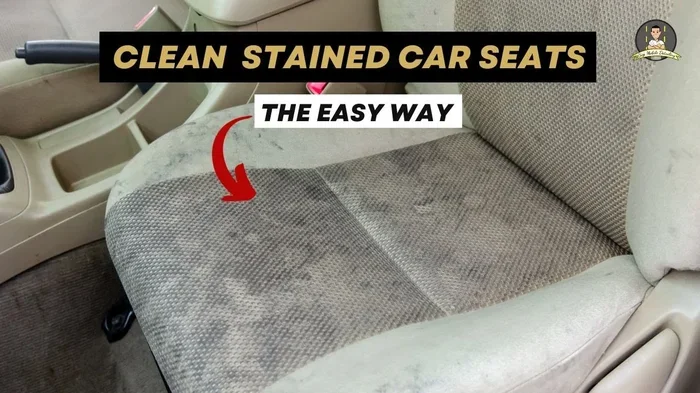
How Do You Get Stains Out of Car Seat Covers Quickly
Getting stains out of car seat covers is easier than you think. With the right car seat cover cleaning methods, you can tackle everything from coffee spills to grease marks. This guide shows you how to remove stains from car seats using household items and professional products.
There is nothing more frustrating than spilling something on your car seat covers. Whether it is a morning coffee, a child’s juice box, or a greasy fast food wrap, stains seem to appear out of nowhere. Getting stains out of car seat covers quickly can save you from permanent damage and costly replacements. In this guide, we will walk you through every step you need to know.
You do not need expensive products or a professional to handle most stains. Many household items work just as well. We will cover everything from basic car interior cleaning tips to advanced techniques for tough marks. By the end, you will feel confident tackling any stain on your car seat covers.
Key Takeaways
- Act fast: The quicker you treat a stain, the easier it is to remove.
- Use household items: Baking soda, vinegar, and dish soap work wonders on most stains.
- Know your fabric: Fabric and leather seat covers need different cleaning approaches.
- Always spot test: Test any cleaner on a hidden area before applying it to the stain.
- Prevent future stains: Regular maintenance keeps your car seat covers looking new.
- Seek professional help: Stubborn or large stains may need expert car detailing services.
📑 Table of Contents
- Why Car Seat Covers Get Stained So Easily
- Types of Car Seat Cover Materials
- How Do You Get Stains Out of Car Seat Covers Quickly
- Best Cleaning Products for Car Seat Stains
- Common Mistakes to Avoid When Cleaning Car Seat Covers
- Preventing Future Stains on Car Seat Covers
- When to Seek Professional Help for Car Seat Cover Cleaning
- Key Takeaways
- Conclusion
Why Car Seat Covers Get Stained So Easily
Car seat covers face a lot of daily wear and tear. They sit in direct sunlight, absorb spills, and collect dirt from shoes. Understanding why stains happen helps you prevent them.
Common Causes of Car Seat Cover Stains
Several everyday activities lead to upholstery stains on car seats:
- Food and drinks: Coffee, soda, sauce, and crumbs are the top culprits.
- Dirt and mud: Shoes track in soil, especially during rainy seasons.
- Pet hair and accidents: Pets leave behind hair, dander, and sometimes worse.
- Ink and markers: Kids love drawing on seat surfaces.
- Oil and grease: Mechanical work or cooking spills leave oily marks.
- Sun damage: UV rays fade and weaken fabric over time.
The good news is that most of these stains respond well to proper car seat cover cleaning. The key is knowing what to use and when to use it.
Types of Car Seat Cover Materials
Before you start cleaning, you need to know what your seat covers are made of. Different materials require different approaches. Using the wrong method can make stains worse or damage the fabric.
Fabric Seat Covers
Fabric covers are the most common type. They are soft, comfortable, and come in many colors. However, they absorb liquids quickly, which means stains set in fast. Fabric car seat cleaning usually involves water-based solutions and gentle scrubbing.
Leather Seat Covers
Leather looks premium and feels luxurious. But it is more delicate than fabric. Harsh chemicals can crack or discolor leather. Leather seat cover cleaning requires pH-balanced products and conditioning after washing.
Vinyl and Synthetic Covers
Vinyl and synthetic materials are durable and water-resistant. They are common in budget cars and SUVs. These covers are the easiest to clean, but they can still stain from dyes and oils.
| Material | Cleaning Difficulty | Best Method | Common Stains |
|---|---|---|---|
| Fabric | Moderate | Water-based cleaners, baking soda | Coffee, juice, food |
| Leather | Moderate to Hard | pH-balanced leather cleaner | Ink, oil, dye transfer |
| Vinyl/Synthetic | Easy | Soap and water, all-purpose cleaner | Oil, marker, mud |
How Do You Get Stains Out of Car Seat Covers Quickly
How do you get stains out of car seat covers is a question many car owners ask. The answer depends on the stain type, the material, and how old the stain is. Below is a complete step-by-step process that works for most situations.
Step 1: Gather Your Cleaning Supplies
Before you start, collect these items:
- Warm water
- Mild dish soap (like Dawn or any brand)
- White vinegar
- Baking soda
- Soft-bristle brush or old toothbrush
- Clean microfiber cloths
- Spray bottle
- Vacuum cleaner
You probably already have most of these items in your kitchen. That is the beauty of DIY car seat cleaning. You do not need to buy expensive specialty products for everyday stains.
Step 2: Vacuum the Seat Covers First
Always start by removing loose dirt and debris. Use your vacuum cleaner on the lowest setting. Go over the entire surface, including seams and crevices. This prevents dirt from turning into mud when you apply water.
If you have a 3M Car Cleaning Cloth, it works great for picking up fine dust before wet cleaning. These cloths are designed for car interior cleaning and do not leave lint behind.
Step 3: Spot Test Any Cleaner
This step is critical and often skipped. Before applying any cleaner to the stain, test it on a hidden area. Choose a spot under the seat or behind the headrest. Wait 10 minutes and check for discoloration or damage.
If the spot looks fine, you are safe to proceed. If not, try a different method or product. Spot testing saves seat covers from irreversible damage.
Step 4: Treat the Stain Based on Type
Different stains need different treatments. Here is a breakdown of the most common upholstery stains and how to handle them.
For food and drink stains: Mix one tablespoon of dish soap with two cups of warm water. Dip a cloth into the solution and gently blot the stain. Do not rub, as this pushes the stain deeper. Work from the outside of the stain inward to prevent spreading.
For grease and oil stains: Sprinkle baking soda directly on the stain. Let it sit for 15 minutes to absorb the oil. Then brush it off and apply a vinegar-water solution (one part vinegar to one part water). Blot with a clean cloth.
For ink or marker stains: Apply a small amount of rubbing alcohol to a cloth and gently dab the stain. Be careful with leather covers, as alcohol can dry them out. For fabric covers, this method works well.
For pet stains: Blot up as much liquid as possible first. Then sprinkle baking soda generously and let it sit for 30 minutes. Vacuum it off and spray a mixture of one part vinegar to two parts water. Blot dry.
Step 5: Rinse and Dry Properly
After treating the stain, rinse the area with a damp cloth to remove any cleaner residue. Then blot dry with a clean towel. Let the seat covers air dry completely before using the car again.
Do not use a hair dryer or direct heat. High heat can shrink fabric or crack leather. Instead, leave the windows down or use a fan to speed up drying. If you live in a humid area, consider removing the seat covers entirely and hanging them to dry.
Quick Tips for Faster Stain Removal
- Blot, never rub. Rubbing spreads the stain.
- Use cold water for protein-based stains like blood or milk.
- Work from the outside of the stain toward the center.
- Repeat the treatment if the stain persists after the first attempt.
- Keep a small cleaning kit in your trunk for emergencies.
Best Cleaning Products for Car Seat Stains
While household items work great for most stains, some situations call for dedicated stain remover for car products. Here are some top options you can consider:
Foam Cleaners
Foam cleaners are ideal for fabric seat covers. They penetrate deep into the fibers and lift dirt without soaking the material. Simply spray, let it foam, and wipe away with a cloth.
Enzyme-Based Cleaners
Enzyme cleaners are excellent for organic stains like food, blood, and pet accidents. They break down the stain at a molecular level. This makes them one of the best choices for deep clean car seats that have been neglected for a while.
Leather Cleaners and Conditioners
For leather seat covers, always use a cleaner designed specifically for leather. After cleaning, apply a conditioner to keep the leather soft and supple. This prevents cracking and extends the life of your covers.
If you are unsure about which products to use, a local 3M Car Care Chennai center can recommend the right solutions for your specific seat cover material. Similarly, a 3M Car Care Hyderabad service provider can help with professional-grade car interior cleaning products that are safe and effective.
Common Mistakes to Avoid When Cleaning Car Seat Covers
Many people make mistakes that worsen stains or damage their seat covers. Here are the most common errors to avoid:
- Using too much water: Excess water seeps through the seat foam and causes mold or mildew. Always use damp cloths, not soaking wet ones.
- Skipping the spot test: This can lead to discoloration or fabric damage. Always test first.
- Using harsh chemicals: Bleach and ammonia can weaken fabric and discolor leather. Stick to mild, pH-neutral cleaners.
- Rubbing instead of blotting: Rubbing pushes stains deeper into the material. Always blot gently.
- Ignoring stains: Old stains are much harder to remove. Treat spills as soon as they happen.
- Not drying seat covers fully: Moisture trapped in seat covers leads to odor and mold growth.
Avoiding these mistakes will keep your car seat covers looking great for years.
Preventing Future Stains on Car Seat Covers
Once you have cleaned your seat covers, you want to keep them looking new. Prevention is always easier than treatment.
Use Seat Cover Protectors
Seat cover protectors create a barrier between the seat surface and potential spills. They are especially useful for families with young children or pet owners. You can find waterproof protectors that fit most car models.
Establish a Cleaning Routine
Regular car seat cover maintenance goes a long way. Here is a simple routine:
- Weekly: Vacuum seat covers to remove dust and crumbs.
- Monthly: Wipe down covers with a damp microfiber cloth.
- Every 3 months: Deep clean with a foam cleaner or take them to a professional.
Keep a Cleaning Kit in Your Car
Having supplies on hand means you can treat stains immediately. A small kit with a spray bottle, cloth, and stain remover can make a huge difference. Quick action is the best defense against permanent upholstery stains.
When to Seek Professional Help for Car Seat Cover Cleaning
Not all stains can be removed at home. Some situations call for professional car detailing services. Here are signs you should seek help:
- The stain has been on the cover for weeks or months and home methods are not working.
- The stain covers a large area of the seat cover.
- The seat cover material is delicate or high-end leather.
- There is mold or mildew growth from moisture damage.
- The stain has a strong odor that will not go away.
Professional cleaners have access to industrial-grade equipment and deep clean car seats techniques that are not possible at home. They can restore even severely stained covers to near-new condition. For regular maintenance, many car owners also rely on professional services between deep cleaning sessions.
Key Takeaways
- Act fast: The sooner you treat a stain, the easier it is to remove completely.
- Know your material: Fabric, leather, and vinyl each need specific cleaning methods.
- Use household items first: Baking soda, vinegar, and dish soap handle most common stains.
- Always spot test: Test any cleaner on a hidden area to avoid damage.
- Blot, do not rub: This prevents stains from spreading and sinking deeper.
- Dry completely: Moisture leads to mold, odor, and material damage.
- Prevent future stains: Regular cleaning and protectors keep covers looking new.
Conclusion
How do you get stains out of car seat covers quickly? The answer is simple: act fast, use the right method for your material, and do not skip the spot test. Most stains respond well to basic household cleaners like dish soap, baking soda, and vinegar. For tougher marks, dedicated stain remover for car products or professional car detailing services can help.
Regular car seat cover maintenance and car interior cleaning habits keep your seats looking fresh and extend their lifespan. Whether you have fabric, leather, or synthetic covers, the tips in this guide will help you handle any stain with confidence. Start with the simplest methods first, and work your way up if needed. Your car seat covers will thank you.
Remember, prevention is your best tool. Keep a cleaning kit handy, use protectors, and make car seat cover cleaning part of your regular routine. With these practices, you will enjoy a clean and comfortable car interior for years to come.
Frequently Asked Questions
Can I use bleach to clean car seat covers?
No, bleach is too harsh for most seat cover materials. It can weaken fabric fibers and discolor leather. Stick to mild, pH-neutral cleaners like dish soap or white vinegar for safe and effective car seat cover cleaning.
How often should I deep clean my car seat covers?
Experts recommend deep cleaning every three months. However, if you eat in your car frequently or have pets, you may need to clean them more often. Regular car interior cleaning keeps stains from setting in.
What is the best homemade cleaner for car seat stains?
A mixture of dish soap and warm water works great for most fabric stains. For stubborn marks, add a sprinkle of baking soda and a splash of white vinegar. These household items are safe and effective for upholstery stains.
Will vinegar damage leather car seat covers?
Vinegar is generally safe for leather when diluted properly. Use one part vinegar to one part water and always spot test first. After cleaning, apply a leather conditioner to keep the material soft and prevent drying.
Can I machine wash my car seat covers?
Some fabric seat covers are machine washable, but always check the manufacturer’s label first. Use cold water and a gentle cycle. Avoid high heat when drying, as it can shrink or warp the material. For leather covers, never machine wash.
How do I remove old, set-in stains from car seat covers?
Old stains require more effort. Start with an enzyme-based cleaner, which breaks down organic stains effectively. Let it sit for 30 minutes before blotting. You may need to repeat the process. For persistent stains, professional deep clean car seats services at a 3M Car Care center can deliver excellent results.