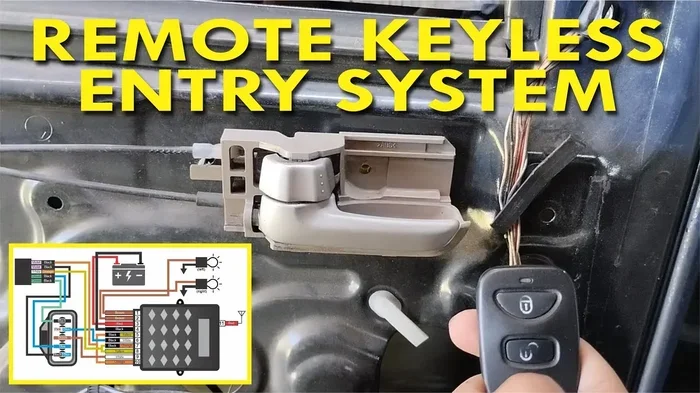
How Does Seat Keyless Entry Work to Unlock Your Vehicle
Seat keyless entry lets you unlock and start your vehicle without using a traditional key. The system uses smart key fob technology and proximity sensors to detect your presence. You simply approach your car, and the doors unlock automatically for a seamless experience.
Have you ever walked up to your car with your hands full of groceries and watched the doors unlock all by themselves? That is the magic of seat keyless entry. It is one of the most convenient features in modern vehicles today. Instead of fumbling through your pockets for a key, you simply walk up, and your car recognizes you.
But how does this actually work? Under the hood, there is a fascinating mix of electronics, radio signals, and smart software all working together. In this article, we will break down the entire process in simple terms. You will learn what makes seat keyless entry tick, why it is so reliable, and what you can do to keep it running smoothly.
Whether you already love your keyless system or are just curious about the technology, this guide has you covered. We will walk through every step of the process. By the end, you will understand your vehicle better than ever before.
Key Takeaways
- Proximity-Based System: Your vehicle detects the smart key fob within a certain range
- Encrypted Signals: Rolling code technology keeps your car secure from theft
- Push Button Start: Start your engine without inserting a key into the ignition
- Passive Entry: The system works automatically without any button presses
- Common Issues: Battery death and signal interference are the most frequent problems
- Easy Maintenance: Simple steps keep your keyless entry system running smoothly
📑 Table of Contents
- What Is Seat Keyless Entry?
- The Technology Behind Seat Keyless Entry
- How the Keyless Entry Process Works Step by Step
- Benefits of Seat Keyless Entry
- Common Problems with Keyless Entry Systems
- Tips to Maintain Your Keyless Entry System
- How to Choose the Right Keyless Entry System
- Future of Keyless Entry Technology
- Conclusion
What Is Seat Keyless Entry?
What It Means for Modern Drivers
Seat keyless entry is a system that lets you lock and unlock your car without physically inserting a key. It uses a small device called a smart key fob. This fob sends a signal to your vehicle. When the car receives the right signal, it unlocks the doors or starts the engine.
This technology has been around for a while now. Many car brands use it under different names. Some call it passive entry. Others call it smart key access. But no matter what the brand calls it, the basic idea is the same. Your car talks to your key fob, and if everything checks out, you are in.
The beauty of this system is how simple it feels. You do not need to press any buttons on the fob. You just walk up to the car. The doors unlock on their own. It feels like magic, but it is just really smart engineering.
How It Differs from Traditional Keys
Traditional keys use a physical shape to match the lock inside your door. You insert the key, turn it, and the lock opens. A remote keyless system takes it a step further. It uses a radio signal to send a lock or unlock command from the fob to the car.
Seat keyless entry goes even further than that. It does not require you to press any button at all. The system detects your fob automatically. This is called passive entry. Your car does all the work. You just need to be nearby.
Here is a quick comparison of the three systems:
| Feature | Traditional Key | Remote Keyless | Seat Keyless Entry |
|---|---|---|---|
| Physical Key Needed | Yes | No | No |
| Button Press Required | Yes (to turn) | Yes | No |
| Detection Method | Mechanical | Radio Signal | Proximity Sensor |
| Security Level | Basic | Moderate | High |
| Push Button Start | No | Sometimes | Yes |
As you can see, seat keyless entry is the most advanced of the three. It offers the best combination of convenience and security.
The Technology Behind Seat Keyless Entry
Proximity Sensors and Antenna Modules
The heart of any keyless entry system is the proximity sensor. Your car has several antenna modules built into the body. These are usually placed in the door handles, the trunk, and the dashboard area.
When you walk up to your car, these antennas send out a low-frequency signal. They are constantly scanning for your smart key fob. Once the fob picks up that signal, it responds. The car then measures the strength of the response. This helps it figure out how close you are.
If you are within the right range, the car unlocks the doors. This whole process happens in a fraction of a second. You barely notice it is happening. But behind the scenes, there is a lot of fast communication going on.
The antenna module is a small but important part of the system. If it gets damaged or corroded, the keyless entry might stop working. That is why keeping your car clean and dry matters more than you might think.
Encrypted Signals and Rolling Code Technology
Security is a big deal with seat keyless entry. You do not want just anyone walking up to your car and unlocking it. That is why modern systems use encrypted signals.
Here is how it works. Your key fob and your car share a secret code. But this code changes every time you use it. This is called rolling code technology. Each time you lock or unlock the car, the code shifts to a new one. The car and the fob stay perfectly in sync.
Even if someone tried to copy your signal, it would not work. The copied code would be old. The car would reject it. This encrypted signal system makes vehicle security much stronger than with traditional keys.
Some systems also use something called a transponder chip. This tiny chip inside the fob sends a unique identifier. The car checks this identifier against its stored list. If it matches, the authentication process begins. If it does not match, the car stays locked.
The Role of the Immobilizer System
When you press the push button start, the immobilizer system kicks in. This is a security feature that prevents your engine from starting unless the right key fob is present.
The immobilizer talks to the transponder chip in your fob. It verifies the identity of the key. Only after this verification passes does the engine start. This adds another layer of protection against theft.
Even if someone breaks into your car, they cannot start the engine without the correct fob. The immobilizer system makes sure of that. This is one reason why seat keyless entry is not just convenient but also very secure.
How the Keyless Entry Process Works Step by Step
Step One: Approach Detection
Everything starts when you walk toward your car. The antenna modules in the doors and trunk begin scanning. They are looking for the unique signal from your smart key fob.
Most systems have a detection range of about 3 to 6 feet. This means the car starts preparing to unlock before you even reach the door. The proximity sensor picks up your fob and sends a signal to the central computer.
This is what makes the experience feel so seamless. You do not have to do anything. The car just knows you are there. It is all thanks to the wireless door lock system and the antenna network built into the vehicle.
Step Two: Door Unlock Sequence
Once the car confirms your fob is close enough, it triggers the unlock sequence. The electronic lock mechanism in each door receives the command. The locks disengage, and the doors open.
In many vehicles, the liftgate or trunk will unlock too. This is especially handy when you are carrying heavy bags. You just wave your foot near the sensor under the rear bumper. The trunk pops open.
The entire sequence takes less than a second. It is fast, smooth, and very reliable. This is why so many drivers now consider seat keyless entry a must-have feature.
Step Three: Push Button Start
Once you are inside the car, you can start the engine with the press of a button. This is the push button start feature. It works hand in hand with the keyless entry system.
When you press the button, the car checks for your fob one more time. It makes sure the fob is inside the cabin. If it is, the engine starts. If it is not, the car will not start. This prevents someone from hot-wiring your vehicle.
The keyless ignition system is a direct result of seat keyless entry technology. Together, they create a fully hands-free driving experience. You never need to touch a key.
Step Four: Vehicle Authentication and Locking
When you walk away from your car, the system does something clever. It detects that your fob is moving away. The door handle sensor notices you have left the area.
The car then locks itself automatically. The signal relay sends the lock command to all doors and the trunk. The rolling code changes again, so the old code is no longer valid.
This entire authentication process happens without you lifting a finger. You walk away, and your car secures itself. It is one of the many reasons seat keyless entry feels so modern and intuitive.
Benefits of Seat Keyless Entry
Convenience and Speed
The biggest benefit of seat keyless entry is convenience. You never have to dig for your keys again. Whether you are carrying packages, holding a coffee, or pushing a stroller, your car is always ready for you.
The system saves you time every single day. You do not need to stop and fumble with a key. Just walk up, and you are in. Over weeks and months, those saved seconds add up to real convenience.
Enhanced Vehicle Security
Many people worry that keyless entry is less secure. But the opposite is true. Seat keyless entry uses advanced encryption that is much harder to crack than a traditional lock.
The rolling code technology ensures that every signal is unique. There is no pattern for a thief to exploit. The immobilizer system adds another strong layer of protection. Together, these features make your vehicle safer than ever.
Hands-Free Operation
With seat keyless entry, you get true hands-free operation. You unlock the car, start the engine, and drive away. None of this requires you to touch a physical key.
This is especially useful in bad weather. You do not need to shake rain or snow off a key before you can get in. Everything happens automatically and effortlessly.
Quick Tip: Keep your smart key fob in a dedicated spot at home, like a small tray by the door. This prevents you from losing it and makes your morning routine smoother.
Common Problems with Keyless Entry Systems
Signal Interference Issues
Sometimes seat keyless entry does not work as expected. The most common cause is signal interference. Other electronic devices, metal structures, or even large buildings can block the signal between your fob and the car.
If you are standing near a tall building or in a crowded parking garage, your fob might struggle to reach the car. Moving to a clearer spot usually fixes the problem right away.
Key Fob Battery Problems
The smart key fob runs on a small battery. When that battery gets low, the signal weakens. You might notice that the car does not unlock until you are very close. In some cases, the fob might stop working entirely.
Replacing the fob battery is usually simple and inexpensive. Most fobs use a common coin-cell battery. Check your owner’s manual for the exact type. A fresh battery almost always solves the problem.
Software Glitches
Like any electronic system, keyless entry systems can sometimes experience software glitches. A sudden freeze or unresponsive fob might just need a reset. In many cases, holding the fob close to the push button start for a few seconds will do the trick.
If the problem continues, a visit to the dealership might be needed. A software update can often fix stubborn issues. Always keep your vehicle’s software up to date for the best performance.
Common Mistakes to Avoid:
- Leaving the fob near electronic devices that can drain its battery faster
- Ignoring low battery warnings on the dashboard
- Using aftermarket fobs that are not properly programmed
- Hiding the fob too far from the car, which can prevent the system from detecting it
Tips to Maintain Your Keyless Entry System
Regular Battery Replacement
The simplest way to keep your seat keyless entry working well is to replace the fob battery on schedule. Most batteries last about one to two years. If you notice the range getting shorter, it is time for a new battery.
Keep a spare battery in your glove box. This way, you are never caught off guard. A quick swap takes only a few minutes and costs very little.
Keeping the Fob Clean
Dirt and moisture can damage the fob over time. Wipe it down regularly with a soft, dry cloth. Avoid getting moisture inside the key fob case. If the buttons start sticking or feeling sticky, it might be a sign of moisture damage.
A clean fob sends a stronger, more reliable signal. This small habit can extend the life of your keyless entry system by years.
Avoiding Signal Blockers
Some people use signal-blocking pouches or boxes to prevent key fob hacking. While these can improve security, they can also cause problems if you forget to take the fob out before driving.
If you use a signal blocker at home, make sure you remove the fob before approaching the car. Otherwise, the proximity sensor will not detect it, and the doors will not unlock.
Expert Insight: Automotive technicians recommend keeping your fob at least 10 feet away from your car when stored at home. This prevents the car from accidentally unlocking during the night and also reduces the risk of signal relay attacks.
How to Choose the Right Keyless Entry System
If you are shopping for a new vehicle, seat keyless entry should be high on your list. Most modern cars offer it as standard or as an affordable option. But not all systems are created equal. Here are a few things to look for.
First, check the detection range. A longer range means the car will unlock sooner as you approach. Second, look for additional features like hands-free liftgate access. Third, consider the security features. A good system will have strong encryption and a reliable immobilizer system.
Also, think about how easy the system is to use. Some fobs are small and easy to carry. Others have helpful features like remote start. All of these add to the overall convenience of seat keyless entry.
Future of Keyless Entry Technology
The future of seat keyless entry is exciting. Car manufacturers are constantly finding new ways to make the system better. One trend is the use of smartphones as digital keys. Instead of carrying a separate fob, your phone becomes your key.
Another development is ultra-wideband technology. This allows for much more precise location detection. Your car will know exactly where you are standing. It can unlock just the driver door or the entire car based on your position.
Facial recognition and fingerprint scanning are also on the horizon. These technologies could replace the fob entirely. You would simply stand in front of your car, and it would recognize you and unlock the doors. The possibilities are truly endless.
No matter what the future holds, one thing is clear. Seat keyless entry has already changed the way we interact with our vehicles. It makes driving more convenient, more secure, and more enjoyable every single day.
Conclusion
Seat keyless entry is a remarkable piece of technology that has transformed the driving experience. From the moment you walk up to your car to the moment you drive away, the system works silently in the background. It detects your presence, unlocks the doors, and starts the engine at the touch of a button.
Understanding how this system works helps you appreciate the engineering behind it. It also helps you take better care of your vehicle. By replacing the fob battery regularly, keeping the fob clean, and avoiding signal interference, you can enjoy trouble-free keyless entry for years to come.
So the next time your car greets you with a gentle unlock as you approach, take a moment to appreciate the smart technology at work. Seat keyless entry is not just a luxury feature. It is a well-designed system that makes your life easier, safer, and more convenient every single day.
Frequently Asked Questions
Can seat keyless entry be hacked?
Modern seat keyless entry systems use rolling code technology and strong encryption to prevent hacking. However, signal relay attacks are a known risk. Keeping your fob in a signal-blocking pouch at home can reduce this risk significantly.
What happens if my key fob battery dies?
Most vehicles with seat keyless entry have a backup method. You can place the dead fob directly against the push button start. The car reads the fob through contact, allowing you to start the engine even with a dead battery.
Is seat keyless entry available on all vehicles?
Not all vehicles come with seat keyless entry as standard. It is more common on mid-range and luxury models. However, many automakers offer it as an optional package on most trim levels.
How far can the key fob signal reach?
The typical detection range for seat keyless entry is between 3 to 6 feet. Some vehicles have a longer range of up to 10 feet. This range can be affected by interference from buildings, other electronics, or a weak fob battery.
Can I replace my key fob myself?
Yes, you can replace a lost or damaged fob yourself in many cases. You need to purchase a compatible fob and follow the programming instructions in your owner’s manual. For some vehicles, a dealership visit may be required for proper programming.
Does seat keyless entry work in all weather conditions?
Yes, seat keyless entry works reliably in rain, snow, and extreme heat. The radio signals used by the system are not affected by weather. However, a heavily insulated fob case or a weak battery might reduce performance in very cold temperatures.