Does Tesla Model 3 Roof Open and What You Should Know
No, the Tesla Model 3 roof does not open. It features a fixed panoramic glass roof that cannot be opened, tilted, or removed. While this design enhances the car’s sleek look and structural strength, some buyers miss the option of a traditional sunroof or convertible top. In this guide, we break down everything about the Tesla Model 3 roof, from its engineering to real-world comfort.
When you first lay eyes on a Tesla Model 3, one thing immediately stands out. That stunning, sleek glass roof stretches from the windshield all the way back to the rear of the car. It looks futuristic. It looks premium. But here is the big question most buyers ask: does Tesla Model 3 roof open? The short answer is no. But the full story is much more interesting than a simple yes or no.
If you are shopping for a 5 seater car under 3 lakh or just curious about EV design, understanding the Tesla Model 3 roof is essential. This guide covers everything you need to know. We will explore why Tesla chose a fixed glass roof, what it means for daily driving, and how it compares to other vehicles on the road.
Whether you are a first-time EV buyer or a seasoned car enthusiast, this article has you covered. Let us dive in.
Key Takeaways
- Fixed Glass Roof: The Tesla Model 3 roof does not open. It uses a fixed panoramic glass panel instead.
- No Sunroof Option: Tesla does not offer an openable roof or sunroof on the Model 3.
- Structural Benefits: The fixed glass roof adds rigidity and lowers the center of gravity.
- Heat and Noise: The glass roof can trap heat and let in more road noise compared to a solid roof.
- Tinted Glass: The roof includes a built-in UV and infrared filter for comfort.
- Resale Value: The unique roof design is a standout feature that many buyers appreciate.
- Alternative Options: If you want an openable roof, consider other electric or combustion vehicles.
📑 Table of Contents
What Kind of Roof Does the Tesla Model 3 Have?
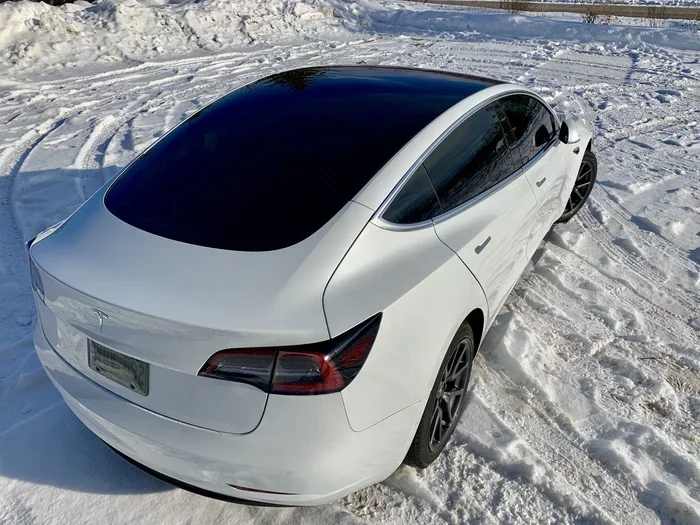
The Tesla Model 3 features a fixed panoramic glass roof. This is not a traditional sunroof that slides open. It is not a convertible top that folds away. The entire roof panel is made of laminated glass that is permanently attached to the car’s body. There is no mechanism to open, tilt, or remove it.
This design choice sets the Model 3 apart from most cars on the road. The glass roof is a signature Tesla design element. It gives the interior a bright, airy feel. Passengers in the back seat get plenty of natural light. The car feels open and spacious even though it is a compact electric sedan.
The glass used is not ordinary window glass. It is a special laminated panel with a UV and infrared filter built in. This helps block harmful rays and keeps the cabin cooler. Tesla designed this roof to be both beautiful and functional. But beauty does come with trade-offs, which we will explore below.
How the Glass Roof Is Built
The panoramic glass roof consists of multiple layers. There is an outer layer of tempered glass for strength. Below that is a laminated layer for safety. Then comes the UV and infrared filtering layer. Finally, there is an inner acoustic layer that helps reduce noise. All of these layers work together to create a roof that looks like glass but performs like a solid panel.
The roof also contributes to the car’s structural rigidity. Because the glass panel is bonded directly to the body, it adds stiffness. This is one reason the Model 3 scores so well in safety tests. The fixed roof design helps protect passengers in a rollover or collision.
Why Doesn’t the Tesla Model 3 Roof Open?
Tesla made a deliberate decision to use a fixed roof on the Model 3. There are several reasons behind this choice. Understanding them helps you appreciate the engineering behind the car.
1. Structural Integrity
A fixed roof is stronger than an openable one. When you remove the mechanism that opens a sunroof, you eliminate potential weak points in the car’s body. The Model 3’s glass roof helps the car maintain a rigid structure. This is especially important for an electric vehicle, where the battery pack sits in the floor.
2. Aerodynamics
Tesla spends a lot of time optimizing aerodynamics. A fixed glass roof creates a smooth, uninterrupted line from the front to the back of the car. This reduces drag and improves range. An openable sunroof would create a gap, disrupt airflow, and reduce efficiency. For an electric car where every mile counts, this matters.
3. Weight Savings
An openable roof mechanism adds weight. A motorized sunroof, tracks, seals, and drainage systems all add pounds. By using a fixed glass panel, Tesla keeps the car lighter. A lighter car means better performance, better handling, and better efficiency. This is a key reason why the Model 3 feels so quick and responsive.
4. Design Philosophy
Tesla has always prioritized a futuristic, minimalist design. The panoramic glass roof is a core part of that vision. It makes the car feel like it is from the future. It is a bold statement that turns heads on the road. For Tesla, the trade-off of no open roof was worth the design impact.
The Glass Roof: Pros and Cons
Like any car feature, the Tesla Model 3 glass roof has advantages and disadvantages. Let us break them down so you can decide what matters most to you.
Pros of the Fixed Glass Roof
- Bright Interior: The glass roof makes the cabin feel open and light. Even passengers in the back row enjoy natural sunlight.
- Modern Aesthetic: The roof gives the Model 3 a sleek, futuristic look that stands out in any parking lot.
- Added Structural Strength: The fixed glass panel reinforces the car’s body, improving safety and rigidity.
- No Sunroof Noise: Traditional sunroofs can rattle or leak over time. The fixed glass roof eliminates these problems entirely.
- UV and Infrared Protection: The special glass filters block harmful rays, protecting your skin and interior from sun damage.
Cons of the Fixed Glass Roof
- No Fresh Air: You cannot crack the roof for ventilation on a warm day. The car relies entirely on the HVAC system.
- Heat Build-Up: The glass can trap heat in the cabin, especially when the car is parked in direct sunlight.
- Road Noise: Some owners report more wind and road noise compared to cars with a solid roof.
- Replacement Cost: If the glass roof is ever damaged, replacement is expensive. The panel is not a standard part.
- No Open-Air Driving: For those who love the feeling of wind in their hair, the fixed roof is a limitation.
Real-World Experience
Many Tesla Model 3 owners say they love the glass roof after a few weeks. The natural light makes every drive feel better. The interior does not feel confined. However, some owners in hot climates mention the cabin gets warm on sunny days. Tesla addresses this with the air conditioning system, which is powerful and fast.
If you have driven a car with a sunroof before, you might miss that option at first. But most owners adjust quickly. The glass roof becomes one of the features they love most about the car.
How the Tesla Model 3 Roof Compares to Other EVs
The electric vehicle market has grown a lot in recent years. Many EVs now offer unique roof designs. How does the Model 3 compare?
| Vehicle | Roof Type | Opens? | Panoramic? |
|---|---|---|---|
| Tesla Model 3 | Fixed Glass | No | Yes |
| Tesla Model S | Fixed Glass | No | Yes |
| Tesla Model X | Fixed Glass with Falcon Doors | No | Partial |
| Hyundai Ioniq 5 | Fixed Glass | No | Yes |
| Kia EV6 | Fixed Glass | No | Yes |
| BMW iX | Fixed Glass | No | Yes |
As you can see, the fixed glass roof is a trend across the EV industry. Most modern electric cars use this design. It is not unique to Tesla. The reason is simple: a fixed glass roof looks better, is lighter, and is more reliable than an openable one.
If you want an openable roof, you might need to look at traditional combustion cars. Some SUVs and sedans still offer 3 cylinder cars in India with tilt-and-slide sunroofs. These give you the option of fresh air when you want it. But if you are set on an EV, the fixed glass roof is the standard.
What About Convertible EVs?
Currently, there are very few convertible electric cars on the market. The BMW i8 Roadster was one, but it is no longer in production. The Mazda MX-5 Miata EV is an upcoming option. But for now, if you want an open-top EV experience, choices are limited. Most EV buyers accept the fixed glass roof as part of the package.
Common Concerns About the Tesla Model 3 Roof
Buyers often have specific worries about the Model 3 roof. Let us address the most common ones.
Does the Roof Leak?
One of the most frequent concerns is whether the glass roof leaks. The short answer is no. Tesla designed the roof with advanced sealing technology. The glass panel is bonded to the body with adhesive and rubber seals. In normal driving conditions, water does not enter through the roof.
However, some older Model 3 vehicles from early production years had minor issues with water seepage. Tesla has addressed most of these through service updates and improved seals. If you are buying a used car, it is worth checking the roof seals for any signs of wear.
Does the Roof Break Easily?
The glass used in the Model 3 roof is not regular glass. It is tempered and laminated, similar to what you find in smartphone screens but much thicker and stronger. It can withstand significant impact. That said, no glass is indestructible. A large rock or severe impact could crack the panel.
If the roof does get damaged, replacement is possible but costly. Tesla service centers can replace the roof panel, but it is not a cheap repair. This is something to keep in mind if you live in an area with lots of road debris or hail.
Can You Add a Roof Rack?
Yes, you can add a roof rack to the Tesla Model 3. Tesla offers a factory roof rack option for some configurations. Aftermarket roof racks are also available. These are useful for carrying bikes, cargo boxes, or roof rails for extra storage.
Keep in mind that a roof rack will add some weight and may slightly affect aerodynamics. If you rarely need a roof rack, it is best to skip it and keep the car as light and aerodynamic as possible.
Is the Roof Noisy on the Highway?
Some owners report a slight wind noise at highway speeds. This is more noticeable with the windows down. With the windows up and the climate control on, most people do not notice any difference from a solid roof. Tesla has done a good job of minimizing noise through the acoustic layer in the glass.
If you are sensitive to noise, we recommend test-driving the car at highway speeds before purchasing. This gives you a firsthand feel for how the roof performs in real conditions.
Should You Buy a Tesla Model 3 Despite the Fixed Roof?
This is the question every buyer must answer. The fixed glass roof is not for everyone. But for most people, it is a feature they grow to love. Here are some things to consider.
If you live in a sunny area and enjoy natural light inside the car, the glass roof is a huge plus. If you prioritize design and want a car that looks modern and futuristic, the roof is a major selling point. If you want the strongest possible structure and best aerodynamics, the fixed roof delivers.
On the other hand, if you love the feeling of open-air driving or need ventilation on hot days, the fixed roof might frustrate you. In that case, you might want to explore other options. There are many 2nd hand cars under 3 lakhs that offer sunroofs or convertible tops if that is important to you.
At the end of the day, the Tesla Model 3 roof does not open, and that is a fact. But the car offers so many other benefits that the fixed roof is just one piece of the puzzle. Consider your priorities, test drive the car, and decide what matters most to you.
The Tesla Model 3 roof is a defining feature of one of the best-selling electric cars in the world. Whether you see it as a limitation or a luxury depends on your personal preferences. We hope this guide has given you all the information you need to make an informed decision.
Final Thoughts
The Tesla Model 3 roof does not open, and that is the bottom line. The fixed panoramic glass roof is a bold design choice that defines the car’s look and feel. It brings light, style, and structural strength to the cabin. But it also means no open-air driving and no sunroof ventilation.
Most owners say the glass roof grows on them quickly. The bright interior becomes something they cannot live without. The car feels more spacious and welcoming because of it. For many, the trade-off is absolutely worth it.
If you are still on the fence, we recommend visiting a Tesla showroom and sitting inside a Model 3. Experience the roof for yourself. Look up at the glass panel. Feel how the light fills the cabin. Once you see it in person, you will understand why Tesla made this choice.
The Tesla Model 3 is a remarkable car in many ways. The roof is just one part of what makes it special. Whether it opens or not, it is a feature that makes the Model 3 stand out on the road.
Frequently Asked Questions
Can you open the Tesla Model 3 roof at all?
No, the Tesla Model 3 roof cannot be opened. It is a fixed panoramic glass roof that is permanently attached to the car’s body. There is no mechanism to tilt, slide, or remove it. Tesla designed it this way for structural strength, aerodynamics, and aesthetics.
Does the Tesla Model 3 glass roof leak?
In normal driving conditions, the Tesla Model 3 roof does not leak. The glass panel is sealed with advanced rubber gaskets and adhesive. Early production models had minor seepage issues, but Tesla has resolved most of these. If you are buying used, inspect the seals carefully.
Is the Tesla Model 3 roof expensive to replace?
Yes, replacing the Tesla Model 3 glass roof can be costly. The panel is a specialized part with UV and infrared layers. Repair costs vary depending on the damage, but it is significantly more expensive than replacing a standard roof panel. Consider this when parking in tight spaces.
Can you add a sunroof to a Tesla Model 3?
No, Tesla does not offer an aftermarket sunroof option for the Model 3. The fixed glass roof is a core part of the car’s design. There are no official or reliable aftermarket solutions to make the roof openable. If an open roof is important, consider other vehicles.
Does the glass roof make the Tesla Model 3 hotter inside?
The glass roof can trap more heat than a solid roof, especially on sunny days. However, Tesla includes a powerful air conditioning system that handles this well. The glass also has a UV and infrared filter that blocks a lot of solar heat. Using a sunshade can help further.
Is the Tesla Model 3 roof safe in a rollover accident?
Yes, the fixed glass roof contributes to the Model 3’s structural rigidity. The car has a low center of gravity due to the battery placement, which reduces rollover risk. The glass panel is laminated and strong, providing protection in the event of a collision or rollover.
=== CONCLUSION ===
The Tesla Model 3 roof does not open, and that is a defining feature of the car. The fixed panoramic glass roof brings a unique blend of style, light, and strength to the vehicle. While it may not suit everyone, most owners find it to be one of the most enjoyable aspects of the car.
If you are shopping for an EV and the openable roof is a must-have, there are other options to explore. But if you value modern design, structural integrity, and a bright, airy cabin, the Model 3 delivers on all fronts. The roof is just one reason this car continues to be a top choice in the electric vehicle market.