How Many Gallons Can a Jeep Wrangler Fuel Tank Hold
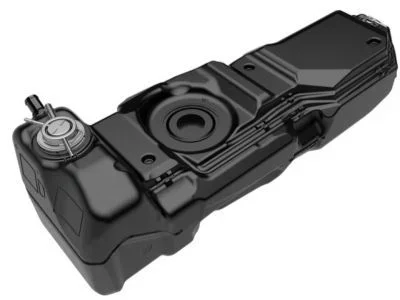
The Jeep Wrangler fuel tank capacity varies by generation, with most modern models holding between 17.5 and 21.8 gallons. Whether you drive a classic TJ, a rugged JK, or the latest JL, understanding your tank size helps you plan trips and estimate fuel costs. This guide covers every generation, compares models, and shares practical tips to get the most out of each gallon.
Have you ever wondered exactly how much fuel your Jeep Wrangler can carry? Maybe you are planning a long road trip through the desert or heading out on a weekend trail run. Knowing your Jeep Wrangler fuel tank capacity is one of the smartest things any owner can do. It helps you plan stops, estimate costs, and avoid getting stranded in the middle of nowhere.
The answer is not as simple as one number. Different model years, trims, and even engine options change the gallons of gas a Jeep Wrangler holds. A classic YJ from the 1990s carries a different amount than a brand-new 2024 JL Unlimited. In this article, we break down the exact fuel tank size for every major generation. We also share tips to improve your fuel economy and get the most miles out of every trip.
Whether you are a daily driver or a weekend warrior, this guide has everything you need. Let us dive into the details and make sure you never run out of gas when the trail gets tough.
Key Takeaways
- Tank Size Varies by Generation: Older YJ and TJ models hold around 19 gallons, while newer JK and JL models range from 17.5 to 21.8 gallons depending on the trim.
- Fuel Range Depends on Driving Habits: With an average of 17-22 MPG, a full tank can take you anywhere from 300 to 450 miles on the highway.
- Aftermarket Tanks Are Available: Enthusiasts can upgrade to larger tanks for extended off-road adventures and longer road trips.
- Weight Matters: A full tank adds significant weight to the vehicle, which affects handling and fuel efficiency.
- Simple Habits Save Fuel: Steady speeds, proper tire pressure, and reduced idling all help stretch your range between fill-ups.
📑 Table of Contents
- Jeep Wrangler Fuel Tank Capacity by Generation
- How Far Can a Jeep Wrangler Go on a Full Tank
- Understanding Fuel Tank Weight and Vehicle Impact
- Aftermarket Fuel Tank Options for Jeep Wranglers
- Tips to Maximize Your Jeep Wrangler Fuel Range
- Common Mistakes That Drain Your Jeep Wrangler’s Fuel
- Frequently Asked Questions About Jeep Wrangler Fuel Capacity
- Final Thoughts
Jeep Wrangler Fuel Tank Capacity by Generation
Every generation of the Jeep Wrangler has its own tank capacity. Automakers made changes over the years to balance weight, range, and packaging. Here is a breakdown of what each generation offers.
YJ Generation (1987-1995)
The first Wrangler, the YJ, came with a fuel tank capacity of about 19 gallons. This was a solid size for its era. The 2.5-liter inline-four and the 4.2-liter inline-six both used this same tank. Back then, 19 gallons gave drivers a respectable driving range. With an average fuel economy of around 15 MPG, you could expect roughly 285 miles per full tank on the highway.
The YJ was a simple machine. There were not many electronic gadgets draining power. The gas tank size was straightforward and easy to maintain. Many owners from this era still appreciate the simplicity of the stock setup.
TJ Generation (1997-2006)
Jeep updated the design with the TJ generation and kept the tank size close to the YJ. The Jeep Wrangler TJ fuel tank held approximately 19 gallons as well. The new rounded body style did not change the capacity much. The 2.5-liter engine and later the 4.0-liter inline-six powered most models.
The 4.0-liter engine became legendary for its reliability. With 19 gallons and an average of 16-18 MPG, the TJ could comfortably cover 300 to 340 miles. This made it a favorite for off-road adventures and long-distance cruising alike.
JK Generation (2007-2018)
The JK brought some significant changes. The base Jeep Wrangler JK came with a 20.5-gallon tank. However, the Rubicon and Unlimited versions sometimes varied slightly. The 3.6-liter Pentastar V6 replaced the old 4.0-liter and offered more power. With a bigger engine came a slight drop in miles per gallon, but the larger tank helped compensate.
The JK Unlimited, with its longer wheelbase, also used the 20.5-gallon unit. Some enthusiasts swapped in aftermarket fuel tanks for extra capacity. If you plan to go far off the beaten path, a larger tank is a smart investment. The JK era marked a big jump in both capability and comfort.
JL Generation (2018-Present)
The current JL generation offers the largest factory tank yet. The standard Jeep Wrangler JL holds 17.5 gallons. But here is the twist: the Unlimited version and certain trims can be equipped with an optional 21.8-gallon tank. This is a huge difference and a big selling point for anyone who loves long road trips.
The 2.0-liter turbocharged four-cylinder and the 3.6-liter Pentastar V6 both use these tank sizes. With the bigger 21.8-gallon option, your driving range jumps significantly. On the highway, you could push past 500 miles on a single fill-up. The JL also introduced more advanced fuel economy features, including stop-start technology and cylinder deactivation.
| Generation | Years | Standard Tank (Gallons) | Optional Tank (Gallons) | Avg. MPG | Est. Range (Miles) |
|---|---|---|---|---|---|
| YJ | 1987-1995 | 19.0 | None | 15 | ~285 |
| TJ | 1997-2006 | 19.0 | None | 17 | ~323 |
| JK | 2007-2018 | 20.5 | None | 17-20 | ~349-410 |
| JL | 2018-Present | 17.5 | 21.8 | 17-22 | ~300-480 |
As you can see, the Jeep Wrangler fuel tank capacity has evolved over the decades. Newer models offer better efficiency and sometimes larger tanks, but the core mission remains the same: go anywhere, anytime.
How Far Can a Jeep Wrangler Go on a Full Tank
The driving range of a Jeep Wrangler depends on more than just tank size. Your fuel economy, driving style, terrain, and load all play a role. Let us look at real-world numbers.
For a JL with the 21.8-gallon tank and an average of 20 MPG on the highway, you are looking at about 436 miles. That is a serious distance. In the city, where MPG drops to around 17, your range falls to about 370 miles. The JK with its 20.5-gallon tank and similar numbers gives you roughly 410 miles on the highway.
Older generations like the TJ and YJ had smaller tanks but also lighter curb weights. A TJ with 19 gallons and 17 MPG averages about 323 miles. These numbers are great for planning weekend getaways and cross-country trips.
Keep in mind that off-road driving will reduce your range significantly. Stop-and-go crawling, steep inclines, and tire drag all consume more fuel. If you are heading deep into the backcountry, always carry extra fuel and plan your route carefully.
Factors That Affect Your Driving Range
- Driving Speed: Highway cruising at steady speeds is more efficient than city stop-and-go.
- Terrain: Flat roads save fuel; rocky trails and steep climbs burn it fast.
- Load Weight: A heavier vehicle uses more gas. Adding roof racks, bumpers, and gear adds up quickly.
- Tire Size: Larger tires create more rolling resistance, which reduces fuel economy.
- Weather Conditions: Cold weather and headwinds both hurt your range.
- Maintenance: Clean air filters, fresh spark plugs, and proper tire pressure all help.
Understanding Fuel Tank Weight and Vehicle Impact
Here is something many Jeep owners overlook: fuel has weight. A gallon of gasoline weighs roughly 6 pounds. When your Jeep Wrangler is running on a full 21.8-gallon tank, you are carrying about 130 pounds of fuel alone. That is a significant amount of extra weight.
All that weight affects how your vehicle handles, brakes, and accelerates. It also impacts fuel consumption. A heavier vehicle needs more energy to move, which creates a cycle of using more fuel to carry more fuel. Understanding this helps you make smarter decisions about when and how much to fill up.
The overall vehicle weight of a Jeep Wrangler already makes it a heavy SUV. Adding a full tank of fuel pushes the numbers even higher. In fact, the total weight of a fully fueled Wrangler can be quite substantial. If you are curious about how weight impacts vehicle performance in general, check out our detailed breakdown on 000 Lbs Heavy For A Car to understand the relationship between vehicle mass and handling.
For off-roaders, the weight of a full tank can actually be an advantage on certain trails. More weight over the wheels improves traction in sand, snow, and mud. But on paved roads, it means slightly slower acceleration and longer braking distances. Always consider the trade-offs.
Does a Full Tank Affect Fuel Economy?
Yes, it does. A full tank adds weight, which slightly reduces your miles per gallon. However, the difference is usually small enough that it should not change your plans. The benefit of having enough fuel to reach your destination far outweighs the minor efficiency loss. Most experts agree that keeping your tank at least a quarter full is the best practice for any vehicle.
Aftermarket Fuel Tank Options for Jeep Wranglers
If 21.8 gallons is still not enough for your adventures, you are not alone. Many Jeep enthusiasts upgrade to aftermarket fuel tanks for extra capacity. These tanks can add several gallons and extend your driving range significantly.
Why Upgrade Your Tank
- Long Road Trips: Fewer fuel stops mean more time on the road and less time waiting.
- Remote Off-Roading: In areas without gas stations for miles, extra fuel is a lifesaver.
- Overlanding: Multi-day trips through remote areas demand more fuel reserves.
- Resale Value: A well-installed aftermarket tank can add appeal for future buyers.
Popular Aftermarket Tank Brands
Several reputable brands offer extended fuel tanks for the Jeep Wrangler. Companies like Rugged Ridge, Smittybilt, and Mopar itself have options available. Most extended tanks add between 3 and 10 extra gallons. Installation varies by model but is usually straightforward for anyone with basic mechanical skills.
Before buying an aftermarket tank, check your local regulations. Some areas have laws about auxiliary fuel tanks and their placement. Safety should always come first. Make sure any tank you install is certified and properly secured.
Tips to Maximize Your Jeep Wrangler Fuel Range
Want to squeeze every last mile out of your tank? Here are some proven tips to improve your fuel economy and stretch your range.
1. Keep Your Speed Steady
Rapid acceleration and hard braking waste fuel. Maintaining a steady speed, especially on the highway, is one of the easiest ways to boost your MPG. Use cruise control when conditions allow.
2. Check Your Tire Pressure Regularly
Underinflated tires create more rolling resistance. This means your engine works harder and burns more fuel. Check your tire pressure at least once a month and before long trips. The recommended pressure for your specific Wrangler model can be found on the driver-side door jamb sticker.
3. Reduce Unnecessary Weight
Every extra pound in your vehicle costs you fuel. Remove roof racks, cargo carriers, and heavy gear when you are not using them. The less weight your engine has to move, the better your fuel economy will be.
4. Use the Right Oil
Using the manufacturer-recommended motor oil can improve engine efficiency. Synthetic oils often flow better at extreme temperatures, reducing engine friction and improving fuel consumption slightly.
5. Plan Your Routes Wisely
Avoid heavy traffic and frequent stops when possible. Use navigation apps to find the most fuel-efficient route. Sometimes a slightly longer highway route beats a shorter but stop-and-go city route.
6. Keep Up with Maintenance
Regular oil changes, air filter replacements, and spark plug checks all contribute to better fuel economy. A well-maintained engine runs cleaner and more efficiently. Simple maintenance habits save you money at the pump over time.
Common Mistakes That Drain Your Jeep Wrangler’s Fuel
Avoiding these mistakes can help you get more miles per gallon and save money on fuel.
- Idling Too Long: Letting your engine run while parked wastes fuel. Turn off the engine if you expect to wait more than a minute.
- Ignoring Check Engine Lights: A faulty oxygen sensor or misfiring spark plug can slash your MPG by 10-15 percent.
- Using the Wrong Fuel: Always use the recommended octane rating. Using premium when regular is fine does not improve performance.
- Aggressive Driving: Speeding, rapid acceleration, and hard braking all burn fuel faster.
- Neglecting Aerodynamics: Open doors, hard tops, and roof cargo create drag. At highway speeds, drag has a big impact on fuel consumption.
Frequently Asked Questions About Jeep Wrangler Fuel Capacity
Can I put a bigger fuel tank in my Jeep Wrangler?
Yes, many aftermarket companies offer extended fuel tanks that fit inside the stock tank cavity or as auxiliary external tanks. These can add anywhere from 3 to 10 extra gallons depending on the brand and model. Always check compatibility with your specific year and trim before purchasing.
How much does a full tank of gas weigh in a Jeep Wrangler?
A full 21.8-gallon tank carries roughly 130 pounds of gasoline, since each gallon weighs about 6 pounds. This added weight affects handling slightly and reduces fuel economy a small amount. However, the convenience of having a full range far outweighs these minor drawbacks.
What is the best Jeep Wrangler generation for fuel range?
The 2018-present JL Unlimited with the optional 21.8-gallon tank offers the best driving range in the lineup. Combined with the efficient 3.6-liter V6 or 2.0-liter turbo engine, you can expect 400-plus miles on a highway trip. The JK generation is also a strong contender with its 20.5-gallon standard tank.
Does the Jeep Wrangler Rubicon have a different tank size?
Not necessarily. The Rubicon trim on both the JK and JL generations shares the same fuel tank capacity as the base model. However, Rubicon owners tend to add more accessories that increase vehicle weight, which can slightly reduce the actual miles per gallon achieved in real-world driving.
Is it better to keep your tank full or half full?
Keeping your tank at least a quarter full is generally recommended. A full tank prevents moisture buildup inside the tank and gives you the maximum driving range. However, carrying a full tank adds weight, so some drivers prefer to fill up only as needed for their trip length.
How often do I need to fill up my Jeep Wrangler?
This depends on your driving habits and tank size. With a 21.8-gallon tank and 20 MPG, you can go about 436 miles before needing a fill-up. In city driving with 17 MPG, you will need to refuel roughly every 300 miles. Planning your fuel stops around your route is always a smart move.
Final Thoughts
The Jeep Wrangler fuel tank capacity is an important detail every owner should know. From the classic YJ with its 19-gallon tank to the modern JL Unlimited with its optional 21.8-gallon unit, each generation has its own strengths. Understanding your specific model’s tank size helps you plan trips, estimate costs, and avoid running low in remote areas.
Your driving range depends on more than just gallons in the tank. Driving habits, terrain, vehicle weight, and maintenance all play a role. By following the tips in this guide, you can maximize your fuel economy and enjoy every mile behind the wheel.
Whether you are hitting the trails or cruising the highway, knowing exactly how much fuel your Jeep Wrangler carries gives you confidence and peace of mind. So fill up, hit the road, and enjoy everything this iconic SUV has to offer.