How Much Is a New Tesla Compared to Other Electric Cars
So how much is a new Tesla? The answer depends on the model, trim level, and options you choose, but new Tesla prices range from around $39,000 for the base Model 3 to over $100,000 for a loaded Model X. This guide breaks down every Tesla price point and compares them side by side with rival electric cars so you can make a smart buying decision.
Key Takeaways
- Tesla prices vary widely: Base models start under $40,000, while flagship models exceed $100,000.
- Trim levels matter a lot: Choosing the right trim can save or add thousands to your final price.
- Other EVs compete on price: Brands like Hyundai, Ford, and Chevrolet offer strong alternatives at lower price points.
- Tax credits and incentives: Federal and state programs can reduce your net cost significantly.
- Total cost of ownership: Lower fuel and maintenance costs make Teslas more affordable over time.
- Weight affects performance: A car being 000 lbs heavy for a car impacts range, handling, and efficiency.
- Compare before you buy: Always test drive and compare multiple electric vehicles before committing.
📑 Table of Contents
- How Much Is a New Tesla Compared to Other Electric Cars?
- Tesla Model Prices at a Glance
- How Do Tesla Prices Compare to Rival Electric Cars?
- What Affects the Price of a New Tesla?
- Is a Tesla Worth the Price?
- Quick Tips for Buying a New Tesla
- Common Mistakes to Avoid When Buying an Electric Car
- Expert Insights on the Electric Car Market
- Final Thoughts
How Much Is a New Tesla Compared to Other Electric Cars?
Electric vehicles are changing the way we drive. And when most people think about going electric, Tesla comes to mind first. But the big question is always the same: how much is a new Tesla really going to cost you?
The answer is not as simple as picking one number. Tesla sells several models, each with different price points, features, and trim levels. On top of that, rival electric cars from brands like Hyundai, Ford, and Chevrolet are giving Tesla some real competition. Some of these rivals cost less upfront. Others offer features that Tesla does not.
In this guide, we will walk through every new Tesla price. We will compare them to popular electric cars on the market. And we will help you figure out which option makes the most sense for your budget and needs. Whether you are looking for a sleek electric sedan or a spacious electric SUV, this article has you covered.
So let us dive right in and break down the numbers. By the end, you will know exactly what to expect when shopping for a new Tesla or any other electric vehicle.
Tesla Model Prices at a Glance
Tesla currently sells four main models: the Model 3, Model Y, Model S, and Model X. Each one targets a different type of buyer. Here is a quick look at what you can expect to pay for a new Tesla in 2024 and 2025.
Model 3: The Entry-Level Tesla
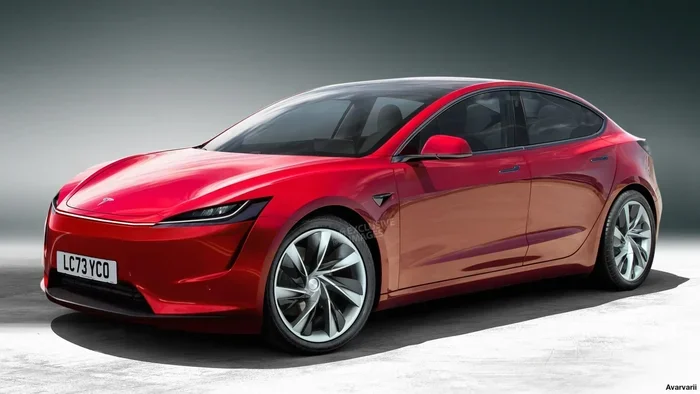
The Model 3 is Tesla most affordable car. It starts at around $39,000 for the base Rear-Wheel Drive trim. This makes it one of the most popular electric sedans on the road. The Model 3 offers great range, sharp handling, and Tesla signature tech like Autopilot.
If you step up to the Long Range or Performance trims, the price climbs to roughly $47,000 and $53,000 respectively. Both trims offer all-wheel drive and longer range. The Performance trim also adds sport-tuned suspension and faster acceleration.
Model Y: The Compact SUV
The Model Y is essentially a taller Model 3 built on the same platform. It starts at around $45,000 for the base Rear-Wheel Drive version. The Long Range trim pushes the price to about $53,000, and the Performance trim starts around $62,000.
The Model Y is hugely popular because it offers more cargo space and a higher seating position. It is a great family car for those who want the Tesla experience without the full-size SUV price tag.
Model S: The Flagship Sedan
The Model S is Tesla luxury sedan. It starts at around $75,000 for the base trim and climbs to over $100,000 for the Plaid variant. This car delivers insane performance, with the Plaid doing 0 to 60 in under two seconds.
The Model S also features a stunning 17-inch touchscreen, luxury interiors, and the longest range of any Tesla. It is designed for buyers who want the absolute best Tesla has to offer.
Model X: The Full-Size SUV
The Model X is Tesla most expensive production car. It starts at around $80,000 and can easily exceed $100,000 when fully loaded. This is a large, luxury SUV with falcon-wing doors, seating for up to seven, and incredible range.
It is heavy, though. A vehicle that is 000 lbs heavy for a car will always face some trade-offs in efficiency and handling. Still, the Model X remains one of the most capable electric SUVs available.
How Do Tesla Prices Compare to Rival Electric Cars?
Tesla is no longer the only game in town. Many automakers now offer compelling electric cars that compete directly with Tesla models. Let us look at how the pricing stacks up.
Tesla Model 3 vs. Hyundai Ioniq 6
The Hyundai Ioniq 6 is a direct rival to the Tesla Model 3. It starts at around $41,000, which is slightly more than the base Model 3. However, the Ioniq 6 offers a very comfortable interior and a smooth ride. It also qualifies for the federal electric car tax credit in many trims.
Where the Ioniq 6 falls short is in performance and tech. Tesla Supercharger network access and Autopilot give the Model 3 an edge that Hyundai has not fully matched yet.
Tesla Model Y vs. Ford Mustang Mach-E
The Ford Mustang Mach-E starts at about $43,000, making it slightly cheaper than the base Model Y. It offers a stylish design and good range. The Mach-E also has a more traditional SUV feel, which some buyers prefer over the Tesla approach.
However, the Model Y still leads in range, cargo space, and charging speed. Ford is a strong competitor, but Tesla still holds the crown in this segment.
Tesla Model S vs. Lucid Air
The Lucid Air is Tesla most direct rival in the luxury sedan space. It starts at around $70,000, which is actually cheaper than the base Model S. The Lucid Air also offers impressive range and a beautiful interior.
Tesla counters with its stronger brand recognition, Supercharger network, and performance numbers. The Model S Plaid is still one of the fastest sedans ever made. Both cars are excellent choices for luxury EV buyers.
What Affects the Price of a New Tesla?
The sticker price is just the starting point. Several factors can push the final cost up or down. Understanding these factors helps you make a smarter purchase.
Trim Level and Options
Every Tesla model comes in multiple trims. The base trim is always the cheapest. But adding all-wheel drive, performance upgrades, or premium interiors can add thousands to the price.
For example, the Model 3 Rear-Wheel Drive starts at $39,000. Add the Performance package, and you are looking at over $53,000. The same goes for the Model Y. Choosing the right trim is the single biggest way to control your Tesla cost.
Federal and State Incentives
The federal electric vehicle tax credit can reduce the cost of a new Tesla by up to $7,500. However, not all Tesla models qualify. As of 2024, the Model 3 and Model Y may qualify depending on trim and battery sourcing.
State incentives vary widely. Some states offer additional rebates, tax credits, or perks like free HOV lane access. Always check your local incentives before buying. These programs can make a Tesla more affordable than you think.
Delivery and Fees
Tesla charges a delivery fee that typically ranges from $1,000 to $1,500. There may also be documentation fees and taxes added at checkout. These costs are small but worth factoring into your budget.
Is a Tesla Worth the Price?
This is the question every buyer should ask. A Tesla is not just a car. It is a tech platform on wheels. Here are some reasons why many owners feel the price is justified.
Lower Fuel Costs
Electricity is cheaper than gasoline in almost every market. The average Tesla owner saves thousands of dollars on fuel over the life of the vehicle. Charging at home is especially convenient and affordable.
Minimal Maintenance
Electric cars have fewer moving parts than gas cars. There is no oil to change, no transmission to service, and fewer brake replacements thanks to regenerative braking. Over time, these savings add up significantly.
Supercharger Network
Tesla built the most extensive fast-charging network in the world. This is a huge advantage for road trips and daily driving. Other EV brands are catching up, but Tesla still leads in charging infrastructure.
Resale Value
Teslas hold their value better than most cars. The combination of strong demand, frequent software updates, and brand prestige helps Tesla models retain resale value. This means your Tesla loses less money over time compared to a gas car.
Quick Tips for Buying a New Tesla
Ready to buy a Tesla? Here are some practical tips to help you get the best deal and the right car for your needs.
- Start with the base trim. You can always upgrade later, but you cannot downgrade. Save money now and add options as your budget allows.
- Check for tax credit eligibility. Visit the IRS website or consult a tax professional to confirm which Tesla models qualify for the federal credit.
- Use the Tesla referral program. Existing Tesla owners can share referral links that earn you rewards like free Supercharging miles.
- Compare insurance quotes. Tesla insurance costs can vary by model and location. Get multiple quotes before finalizing your purchase.
- Test drive multiple models. Do not settle on the first Tesla you sit in. Compare it with rivals like the Hyundai Ioniq 5 or the Ford Mustang Mach-E to make sure it is the right fit.
- Consider used or certified pre-owned. If a new Tesla is out of your budget, a used Tesla can offer great value. Just make sure to check the battery health and warranty status.
Common Mistakes to Avoid When Buying an Electric Car
Buying an electric car is exciting, but it is easy to make costly mistakes. Here are some pitfalls to watch out for.
- Ignoring total cost of ownership. The sticker price is not the whole story. Factor in fuel savings, maintenance, and incentives to get the true cost.
- Overlooking charging needs. If you do not have home charging access, an electric car may not be practical. Make sure your lifestyle supports EV ownership.
- Choosing the wrong trim. The base model is not always the best value. Sometimes a mid-level trim offers the features you need at a reasonable price.
- Not comparing rivals. Tesla is great, but it is not perfect for everyone. Other electric cars may offer better value, more space, or different features that suit your needs better.
- Underestimating range needs. Consider your daily driving distance and charging habits. A car that is 000 lbs heavy for a car may have different range implications than a lighter vehicle, so factor weight into your range calculations.
Expert Insights on the Electric Car Market
The electric vehicle market is evolving fast. New models launch every year, and prices are slowly coming down. Industry experts predict that by 2030, most new cars sold will be electric or hybrid.
Tesla remains the market leader, but competition is intensifying. Brands like BYD, Rivian, and Volkswagen are investing heavily in electric vehicles. This competition benefits buyers by driving prices down and improving quality across the board.
For now, Tesla still offers the best combination of range, performance, and charging infrastructure. But the gap is closing. Buyers today have more choices than ever before, which is great news for anyone considering a switch to electric.
Final Thoughts
So how much is a new Tesla? The answer ranges from about $39,000 for a base Model 3 to over $100,000 for a fully loaded Model X. But price is only one piece of the puzzle. Value, features, range, and ownership costs all matter just as much.
When you compare a new Tesla to other electric cars, you will find strong competition at every price level. The Hyundai Ioniq 6, Ford Mustang Mach-E, and Lucid Air all offer compelling alternatives. The best approach is to define your budget, identify your needs, and test drive as many cars as possible.
Buying an electric car is a big decision. But with the right information, you can make a choice that fits your wallet and your lifestyle. We hope this guide has given you the clarity and confidence to move forward. The future of driving is electric, and there has never been a better time to make the switch.
Frequently Asked Questions
What is the cheapest new Tesla you can buy?
The cheapest new Tesla is the Model 3 Rear-Wheel Drive, which starts at around $39,000. It offers solid range, good performance, and all the Tesla tech features you need. It is the best entry point into the Tesla lineup.
Do Teslas qualify for the federal tax credit?
Some Tesla models may qualify for the $7,500 federal electric vehicle tax credit. Eligibility depends on the model, trim, and battery sourcing requirements. Always check the latest IRS guidelines before purchasing.
How does a Tesla price compare to other electric SUVs?
Tesla Model Y starts at around $45,000, which is competitive with rivals like the Ford Mustang Mach-E and Hyundai Ioniq 5. The Model Y often offers better range and charging network access than competitors at a similar price point.
Why are Teslas more expensive than some rival electric cars?
Tesla prices reflect its brand prestige, advanced technology, and extensive Supercharger network. The vehicles also use high-quality materials and offer over-the-air software updates that improve features over time. However, rival brands are closing the gap as the EV market grows.
What should I consider before buying a new Tesla?
Consider your budget, daily driving needs, charging access, and whether you need all-wheel drive. Also factor in total cost of ownership, including fuel savings and maintenance. Test driving multiple electric cars helps you make the best choice.
Can I negotiate the price of a new Tesla?
Tesla has traditionally sold cars online at fixed prices with limited negotiation. However, Tesla occasionally offers discounts, incentives, or seasonal promotions. Checking the Tesla website regularly and using referral programs can help you save money.