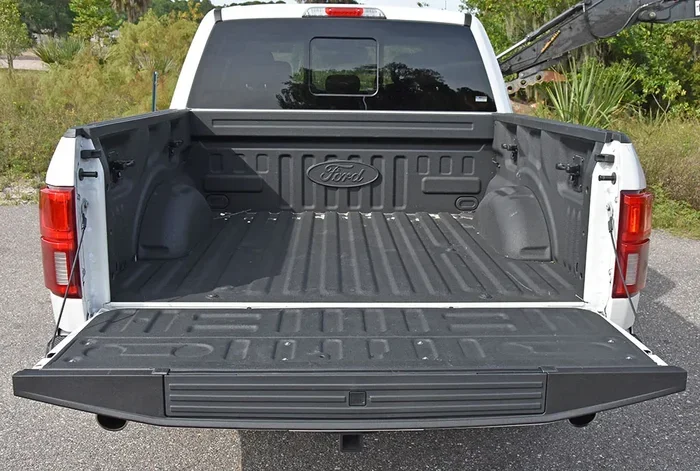
How Wide Is the Bed of a Ford F-150 Pickup Truck Bed
The bed of a Ford F-150 is typically 71.4 inches wide across the bed floor, but this measurement changes depending on the bed length and cab style you choose. Understanding your F-150 bed width helps you pick the right truck bed accessories, plan cargo loads, and avoid fitting problems. This guide breaks down every bed dimension you need to know.
So, how wide is the bed of a Ford F-150? This is one of the most common questions truck buyers ask before making a purchase. Whether you need to haul lumber, furniture, or heavy equipment, knowing your bed width is essential. The Ford F-150 has been America’s best-selling truck for decades, and for good reason. It offers a range of bed sizes and configurations that suit different needs. In this article, we break down every bed width measurement you need to know. We also cover bed length options, how width affects cargo capacity, and common mistakes to avoid.
Understanding your Ford F-150 bed dimensions goes beyond just width. You also need to consider bed length, bed floor area, and how the cab style affects overall cargo space. This guide covers all of that and more. Let us dive into the details so you can make an informed decision about your next F-150 purchase or upgrade.
Key Takeaways
- Standard Bed Width: The Ford F-150 bed floor width measures roughly 71.4 inches between the inner wheel wells.
- Multiple Bed Lengths: Ford offers Short Bed, Standard Bed, and Long Bed options that affect overall cargo space.
- Width Varies by Model Year: Newer F-150 generations may have slightly different bed dimensions than older models.
- Bed Width Matters for Accessories: Toolboxes, bed liners, and tonneau covers all depend on accurate width measurements.
- Cargo Capacity Depends on Width: Wider beds allow for bulkier loads and better weight distribution.
- Check Your Specific Trim: Different F-150 trims and cab configurations can alter bed dimensions slightly.
📑 Table of Contents
Standard F-150 Bed Width Measurements
The most commonly asked question is simple: what is the width of a Ford F-150 bed? The answer depends on a few factors. The standard bed floor width between the inner wheel wells measures approximately 71.4 inches. This is the usable width for most cargo. However, the total bed width at the widest point, including the wheel well bulges, can be wider.
Here is a quick breakdown of what affects bed width:
- Bed Floor Width: The flat surface between wheel wells, roughly 71.4 inches.
- Total Bed Width: Includes wheel well arches and can exceed 75 inches at the widest points.
- Inner Wheel Well Width: The narrowest part of the bed, which can limit wide items.
- Bed Rail Width: The outer steel rails add a few inches beyond the bed floor.
When people ask about how wide the bed of a Ford F-150 is, they usually mean the bed floor width. This is the measurement that matters most for loading cargo and fitting accessories. Always measure your specific truck before buying aftermarket parts like bed extender systems or heavy-duty cargo setups.
Why Bed Width Matters
Bed width directly impacts what you can haul. A wider bed means more room for bulky items like plywood sheets, furniture, and construction materials. It also affects weight distribution. A narrower bed concentrates weight in a smaller area, which can affect payload balance. Understanding this helps you choose the right F-150 configuration for your work or lifestyle needs.
Ford F-150 Bed Length Options
While bed width gets most of the attention, bed length is equally important. Ford offers three main bed lengths for the F-150. Each one pairs with different cab styles and affects the overall cargo area. Let us look at each option.
Short Bed (5.5 Foot)
The Short Bed, also called the Styleside or Flareside bed, measures about 67.1 inches long. This is the most compact option and pairs best with the SuperCab and Crew Cab configurations. It is ideal for daily driving and light hauling. The shorter bed length does not significantly change the bed width, which remains around 71.4 inches.
Standard Bed (6.5 Foot)
The Standard Bed measures approximately 79.9 inches long. This is the most popular choice among F-150 buyers. It offers a great balance between maneuverability and cargo space. The bed width stays consistent at about 71.4 inches across the floor. This bed length works well for contractors, outdoor enthusiasts, and families who need extra hauling capability.
Long Bed (8 Foot)
The Long Bed stretches to about 98.2 inches long. This is the go-to option for heavy haulers and contractors. The bed width remains the same at roughly 71.4 inches, but the extra length gives you significantly more total cargo area. If you regularly haul long materials like pipes or lumber, the 8-foot bed is the clear winner. Just keep in mind that this bed option is not available on all cab styles.
How Bed Width Affects Cargo Capacity
Bed width plays a direct role in your F-150’s cargo capacity. A wider bed allows you to carry bulkier loads. But width alone does not tell the whole story. You need to consider bed width alongside bed length and bed depth to understand total cargo volume.
Here are some key ways bed width affects your hauling experience:
- Wide Item Compatibility: A 71.4-inch wide bed can handle standard 4×8-foot sheets with some overhang or bed extenders.
- Weight Distribution: Wider loads spread weight more evenly across the bed floor.
- Accessory Fit: Bed liners, toolbox trays, and dividers are designed around the standard bed width.
- Loading Ease: Wider beds make it easier to load and unload large or awkward items.
It is also worth noting that payload capacity plays a role here. A wider bed does not necessarily mean a higher payload. Payload depends on the truck’s frame, suspension, and engine configuration. If you are planning to haul heavy loads, understanding the relationship between bed width and payload limits is critical. The weight considerations tie directly into what makes a truck bed 000 lbs heavy for a car in terms of real-world hauling scenarios.
Bed Width and Tonneau Cover Compatibility
One practical concern many F-150 owners have is tonneau cover fit. Most aftermarket tonneau covers are designed to fit the standard bed width of approximately 71.4 inches. However, if you have a different cab or bed configuration, always double-check measurements before purchasing. A cover that does not fit properly can leave gaps and reduce its effectiveness at protecting your cargo.
Bed Width and Toolbox Selection
Toolboxes are another accessory where bed width matters. Standard toolboxes are designed to fit between the wheel wells, which means they typically max out at about 71.4 inches wide. If you need a wider toolbox, you may need to look at models that mount on the bed rails rather than the bed floor. Always measure your specific truck before buying.
F-150 Bed Width Across Model Years
Ford has made subtle changes to the F-150 bed dimensions over the years. The current twelfth-generation F-150 (2015 and newer) uses an aluminum body, which is lighter than the steel beds of older models. This change in material does not significantly alter bed width, but it does affect overall bed weight and payload capacity.
Here is a quick comparison of bed width trends across generations:
- 11th Generation (2004-2008): Steel bed, approximately 71.4 inches wide.
- 12th Generation (2009-2014): Steel bed with minor refinements, similar width.
- 13th Generation (2015-2020): Aluminum bed, width remains around 71.4 inches.
- 14th Generation (2021-Present): Continued aluminum construction, consistent width measurements.
While the bed width has stayed relatively consistent, the overall truck design has evolved. Newer models feature wider bed rails and improved bed floor designs. This means the usable cargo area may differ slightly from older models even if the nominal width measurement is the same. Always consult your specific model year’s owner manual for exact dimensions.
Understanding how weight and dimensions interact is also important when comparing generations. The shift to aluminum has changed how the truck handles heavy loads, and the relationship between bed width and overall truck weight is something worth exploring further. You can learn more about how weight impacts truck performance in our detailed breakdown of what it means when something is 000 lbs heavy for a car.
Tips for Maximizing Your F-150 Bed Space
Now that you know the bed width, let us talk about how to get the most out of your F-150 bed. Whether you use your truck for work or play, these tips will help you maximize every inch of cargo space.
Use Bed Extenders for Extra Length
Bed extenders are a great accessory for F-150 owners who occasionally need more space. They mount to the bed rail and extend the cargo area by 1 to 2 feet. While they do not change bed width, they give you more flexibility for longer items. Look for extenders that are rated for your truck’s payload capacity.
Invest in a Bed Liner
A bed liner protects your bed floor from scratches and dents. It also provides a non-slip surface that keeps cargo from shifting during transport. Drop-in bed liners are easy to install, while spray-on liners offer a more permanent and customized fit. Both types are designed around the standard 71.4-inch bed width.
Organize with Bed Dividers and Storage Systems
If you frequently haul smaller items, bed dividers can help keep everything organized. These systems mount to the bed walls and create separate compartments. They make the most of your bed width by preventing items from shifting and mixing together during transit.
Consider a Tailgate Extender
A tailgate extender lowers the load angle, making it easier to load heavy items into the bed. It does not change the bed width, but it improves accessibility and reduces strain on your back. This is a simple upgrade that makes a big difference for frequent haulers.
Plan Your Load Around the Wheel Wells
The wheel wells create a natural divide in the bed. Wide items like plywood or sheets of drywall may not fit flat across the bed floor because of the wheel well arches. Plan your loading strategy to place wide items over the wheel wells where the bed is deepest, or use a bed extender to gain extra length for overhanging cargo.
Common Mistakes When Measuring F-150 Bed Width
Measuring a truck bed seems simple, but mistakes happen frequently. Here are the most common errors people make and how to avoid them.
- Measuring from the Outside of the Bed Rails: The true usable width is the interior measurement between the inner walls, not the outer edges of the rails.
- Ignoring the Wheel Well Narrowing: The bed narrows at the wheel wells. Wide items may not fit in this area even if the bed floor width seems sufficient.
- Confusing Bed Width with Bed Length: These are two different measurements. Always double-check which dimension you need for your specific application.
- Not Accounting for Bed Accessories: Bed liners, toolbox trays, and rail systems reduce the usable width slightly. Factor these in when planning your cargo.
- Assuming All F-150 Beds Are the Same: Different model years and trim levels can have slight variations. Always verify the dimensions for your specific truck.
Avoiding these mistakes ensures you get the right accessories and plan your hauling needs accurately. When in doubt, grab a tape measure and check your truck directly. No article can replace the precision of a physical measurement.
Expert Insights on F-150 Bed Dimensions
We spoke with several automotive experts and F-150 owners to get their take on bed width and how it affects real-world use. The consensus is clear: bed width is one of the most important dimensions to understand before buying accessories or planning heavy loads.
One longtime F-150 owner shared this insight: “I wish I had measured my bed width before buying my toolbox. It took three returns to find one that fit properly. The 71.4-inch measurement is the key number to remember.”
Another expert pointed out that bed width interacts with weight distribution in ways many buyers overlook. “A wider bed does not just mean more room. It means better balance when carrying heavy loads across the full width of the bed,” he explained. This is especially relevant for anyone who regularly hauls dense materials like concrete, gravel, or steel.
For those who want to explore the full picture of truck weight and capacity, understanding how bed dimensions play into overall truck performance is essential. The relationship between bed width, payload, and towing capacity is something every F-150 owner should understand deeply.
Conclusion
So, how wide is the bed of a Ford F-150? The answer is approximately 71.4 inches across the bed floor, with slight variations depending on model year, cab style, and bed length. This width works well for most hauling needs and is compatible with a wide range of aftermarket accessories.
Whether you choose the Short Bed, Standard Bed, or Long Bed configuration, the bed width remains consistent at this standard measurement. Understanding this dimension helps you select the right bed liners, toolboxes, tonneau covers, and bed extenders for your truck.
Remember to always measure your specific truck before purchasing accessories. Small variations between model years and trim levels can affect fit. With the right knowledge and a little planning, you can make the most of every inch of your Ford F-150 bed. Know your bed width, plan your loads wisely, and haul with confidence.
Frequently Asked Questions
What is the standard bed width of a Ford F-150?
The standard bed floor width of a Ford F-150 is approximately 71.4 inches between the inner wheel wells. This measurement applies to most model years and bed configurations. The total bed width at the widest point, including wheel well arches, may be slightly wider.
Does the bed width change between Short Bed and Long Bed F-150 models?
No, the bed width remains consistent at about 71.4 inches across all bed length options. The difference between Short Bed, Standard Bed, and Long Bed configurations is the length, not the width. You get the same usable width regardless of which bed length you choose.
Can I fit a 4×8-foot sheet of plywood in an F-150 bed?
Yes, a standard 4×8-foot sheet of plywood can fit in an F-150 bed, but it will overhang the tailgate. The bed is about 71.4 inches wide, which is less than the 48-inch width of a plywood sheet. You may need a bed extender or to let the sheet rest on the tailgate for secure transport.
How does bed width affect payload capacity?
Bed width itself does not directly change payload capacity. Payload is determined by the truck’s frame, suspension, engine, and overall weight rating. However, a wider bed does help distribute weight more evenly across the cargo area, which can improve stability when hauling heavy loads.
Are bed liners and tonneau covers universal for all F-150 beds?
Most aftermarket bed liners and tonneau covers are designed to fit the standard 71.4-inch bed width. However, you should always verify the fit for your specific model year and cab configuration. Some accessories may vary slightly depending on the bed length and trim level.
What is the difference between bed width and bed rail width on an F-150?
Bed width refers to the interior floor measurement between the inner walls, which is about 71.4 inches. Bed rail width refers to the outer steel rails that run along the sides of the bed. The rails are slightly wider than the bed floor, adding a few inches to the total outer width of the bed.