Can You Still Drive a Hybrid Without the Battery Now
Yes, you can still drive a hybrid without a working battery, but only on gasoline power and with serious limitations. A dead hybrid battery means you lose electric assist, regenerative braking, and fuel efficiency. Understanding what happens helps you make smart decisions about repair or replacement.
You are cruising down the highway when a warning light suddenly pops up on your dashboard. The message reads something about your hybrid battery. Your heart sinks. Can you still drive a hybrid without the battery? The short answer is yes, but the full story is more complicated than most people think.
Hybrid vehicles have become incredibly popular over the past decade. They promise better fuel economy, lower emissions, and a quieter ride. But what happens when that fancy battery pack starts to fail? Many drivers find themselves stuck wondering whether their car is still usable or whether they need a tow truck right now.
This guide breaks down everything you need to know about driving a hybrid with a dead or failing battery. We will cover what actually happens, what warning signs to watch for, how much repairs cost, and what you can do to prevent problems in the first place. Whether you own a Toyota Prius, a Ford Escape Hybrid, or any other hybrid vehicle, this article has you covered.
Key Takeaways
- Hybrid cars can run on gas alone: Most hybrids will still drive if the battery fails, but performance drops significantly.
- You lose electric-only mode: Without a working battery, your car cannot use its electric motor for low-speed driving.
- Warning signs are easy to spot: Dashboard lights, reduced fuel economy, and strange noises often signal battery problems early.
- Replacement costs vary widely: Hybrid battery replacements range from $1,000 to over $6,000 depending on the vehicle.
- Regular maintenance helps prevent failure: Simple habits like avoiding extreme temperatures and monitoring charge levels extend battery life.
- DIY diagnostics can save money: Basic checks at home can help you identify battery issues before they become expensive repairs.
📑 Table of Contents
- What Happens When a Hybrid Battery Dies
- Can You Still Drive on Gasoline Alone?
- Warning Signs Your Hybrid Battery Is Failing
- How Much Does It Cost to Replace a Hybrid Battery?
- Tips for Maintaining Your Hybrid Battery
- Common Mistakes Hybrid Owners Make
- How Hybrid Battery Technology Has Evolved
- When Should You Replace the Battery vs. Sell the Car?
- Final Thoughts
What Happens When a Hybrid Battery Dies
A hybrid car uses two power sources: a gasoline engine and an electric motor. The electric motor runs on a high-voltage battery pack that is separate from your regular 12-volt car battery. When the hybrid battery stops working properly, your car does not just shut off like a regular vehicle might.
Instead, the car switches to gasoline-only mode. The gasoline engine takes over all the work that the electric motor normally helps with. This means your car will still move, but it will not feel the same.
Loss of Electric Assist
The electric motor in a hybrid does more than just move the car. It assists the gasoline engine during acceleration, helps you merge onto highways, and gives you that extra burst of speed when you need it. Without the electric motor, your car feels sluggish. Acceleration takes longer. Passing other cars on the road becomes less effortless.
You might also notice that your car struggles on hills. The gasoline engine alone has to do all the work, which can feel strained on steep inclines. This is one of the most obvious changes drivers notice when their hybrid battery starts to fail.
Regenerative Braking Stops Working
One of the smartest features of any hybrid is regenerative braking. When you take your foot off the accelerator or press the brake pedal, the electric motor reverses and acts as a generator. It captures energy and sends it back to the battery.
When the battery is dead, regenerative braking stops working entirely. Your car relies solely on traditional friction brakes. This means you lose that smooth, one-pedal driving feel. You also lose the energy recovery system that helps improve your fuel economy hybrid ratings.
Reduced Fuel Efficiency
This is the big one. The whole point of owning a hybrid is to save money on gas. When the battery dies, you lose the fuel-saving benefits of the electric motor. Your gas mileage drops significantly. Some drivers report going from 50 miles per gallon down to 30 or even lower. That is a huge difference at the pump.
If you are someone who drives a lot, this drop in efficiency can cost you hundreds of dollars per month. It is one of the main reasons drivers decide to repair or replace the battery rather than just ignore the problem.
Can You Still Drive on Gasoline Alone?
The good news is that yes, you can still drive a hybrid car even when the hybrid battery is completely dead. The gasoline engine is a fully functional power source on its own. Your car was designed with a backup system so you are never completely stranded.
However, driving on gasoline alone comes with trade-offs. The car is heavier because it still carries the battery pack. The engine works harder without electric assist. And your driving experience is simply not what it was designed to be.
How Far Can You Go?
Most hybrids have a decent gasoline tank, so you can still drive quite far on gas alone. A Toyota Prius, for example, has a fuel tank that holds about 11 gallons. With reduced fuel economy, you might still get 300 to 400 miles of driving range. That is plenty to get you to a repair shop.
If you are wondering about long-distance driving in a hybrid with a dead battery, the answer is technically yes, but it is not ideal. You will spend more on fuel and deal with a less comfortable driving experience. It works as a temporary solution, not a long-term one.
What About the 12-Volt Battery?
Here is something many people do not realize. Hybrids have two batteries. The high-voltage hybrid battery powers the electric motor. The standard 12-volt battery powers your lights, radio, and computer systems. These two batteries are completely separate.
So even if your high-voltage hybrid battery dies, your 12-volt battery keeps working. Your car can still start. Your lights still come on. The infotainment system still works. This is why hybrids can still operate in gasoline-only mode when the main battery fails.
You can also check out our article on can I do my own car diagnostics to learn how to check both batteries at home.
Warning Signs Your Hybrid Battery Is Failing
The best thing you can do is catch battery problems early. The sooner you identify the issue, the less expensive the repair will be. Here are the most common warning signs that your hybrid battery is starting to go.
Dashboard Warning Lights
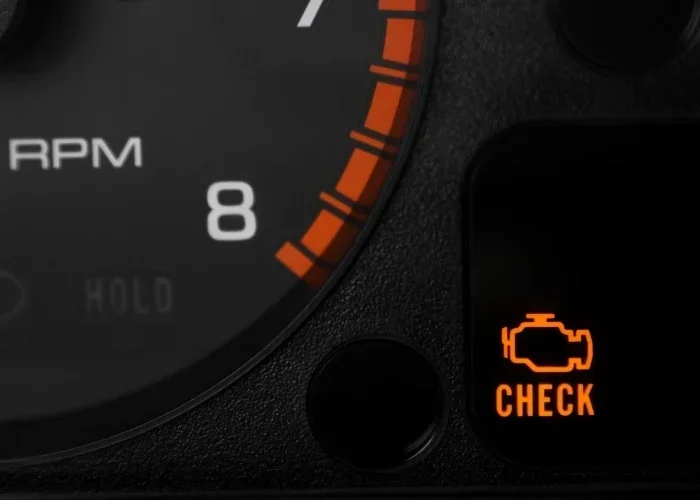
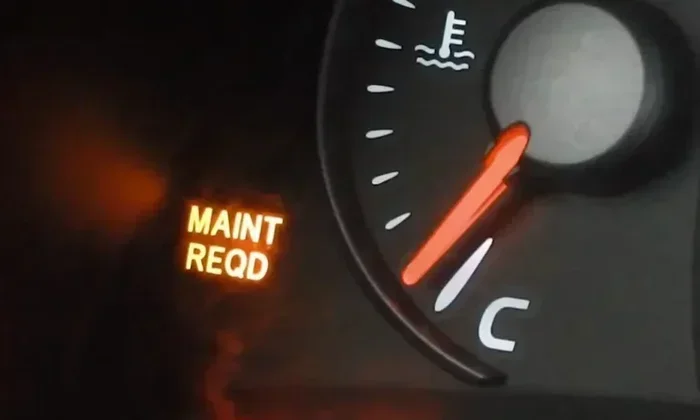
Most hybrids have a dedicated warning light for the battery system. It might look like a triangle with an exclamation mark or a battery icon. If you see this light, do not ignore it. It means the car’s computer has detected a problem with the hybrid powertrain.
Some cars also display a message on the digital dashboard. It might say something like “Check Hybrid System” or “Battery Service Required.” These messages are your car telling you something is wrong. Take them seriously.
Unusual Noises
A healthy hybrid is relatively quiet. The electric motor handles most low-speed driving without making much noise. When the battery starts to fail, you might hear the gasoline engine kick in more often than usual.
Some drivers report hearing a humming or whining sound coming from the battery area. Others notice a clicking noise when the car tries to switch between electric and gasoline power. Any new or strange noise deserves attention.
Decreased Fuel Economy
This is one of the earliest and most noticeable signs. You start filling up the tank more often. Your miles per gallon drops over a few weeks or months. If you keep track of your fuel economy, you will catch this change early.
Keep in mind that fuel economy can also drop for other reasons, like tire pressure or driving habits. But if you notice a significant and consistent drop, the hybrid battery should be one of the first things you check.
Battery State of Charge Fluctuates
Most hybrids display the battery charge level on the dashboard or instrument cluster. You might notice the charge bouncing around more than usual. It might drop quickly when you drive and fail to recharge properly during braking.
This is a sign that the battery cells are not holding a charge the way they should. Individual cells inside the battery pack might be failing, which throws off the entire system.
Failed Self-Tests and Error Codes
Modern hybrids run automatic self-tests on the battery system every time you start the car. If a test fails, the car stores an error code. A mechanic can read these codes with a diagnostic tool. Common codes relate to battery voltage, cell imbalance, or temperature problems.
You can also invest in an OBD2 scanner for home use. These devices plug into your car’s diagnostic port and read error codes directly. It is a great way to get a heads-up before a full battery failure.
How Much Does It Cost to Replace a Hybrid Battery?
Let us talk numbers. Replacing a hybrid battery is not cheap. But the cost varies a lot depending on several factors. Understanding what drives the price helps you make informed decisions.
Battery Type Matters
Most modern hybrids use either nickel-metal hydride or lithium-ion battery technology. Nickel-metal hydride batteries have been around longer and are generally less expensive to replace. Lithium-ion batteries are newer, more energy-dense, and often pricier.
Here is a quick comparison of the two battery types:
- Nickel-Metal Hydride (NiMH): Found in older hybrids like the Toyota Prius (2001-2015). Replacement cost typically ranges from $1,500 to $3,500.
- Lithium-Ion (Li-ion): Found in newer hybrids and plug-in hybrids. Replacement cost typically ranges from $3,000 to $6,000 or more.
Vehicle Make and Model
The brand and model of your hybrid also affects the price. Toyota and Honda batteries tend to be more affordable because these manufacturers have been making hybrids for decades. They have established supply chains and more mechanics who know these systems well.
Luxury hybrid brands or newer models with less market penetration can have significantly higher battery costs. The battery pack itself might cost more, and fewer shops may offer competitive pricing.
New vs. Refurbished vs. Remanufactured
You do not always have to buy a brand-new battery. There are three main options:
- New Battery: Most expensive option but comes with the full manufacturer warranty. Lasts the longest.
- Refurbished Battery: The old battery is rebuilt with new cells. Costs less than new but may not last as long.
- Remanufactured Battery: The entire battery pack is rebuilt to factory specifications. Often comes with a warranty and costs less than new.
Many drivers save thousands by choosing a refurbished or remanufactured option. Just make sure the supplier is reputable and offers a solid warranty.
Labor Costs
Labor for a hybrid battery replacement typically runs between $500 and $1,500. The job requires special training because you are working with high-voltage electrical systems. Not every mechanic shop is qualified to do this work safely.
If you are comfortable with DIY car diagnostics, you can save on diagnostic fees. But the actual replacement should almost always be handled by a trained professional. High-voltage systems can be dangerous if handled incorrectly.
Tips for Maintaining Your Hybrid Battery
The best way to avoid a dead hybrid battery is to take care of it from the start. Good maintenance habits can extend the life of your battery pack by many years. Here are some practical tips that really work.
Avoid Extreme Temperatures
Heat is the number one killer of hybrid batteries. Parking in direct sunlight for long periods accelerates battery degradation. If you live in a hot climate, try to park in the shade or a garage whenever possible.
Extreme cold is less damaging but can temporarily reduce battery performance. If you live somewhere with harsh winters, your battery might take longer to recharge in cold weather. This is normal and usually not a sign of failure.
Drive Regularly
Hybrid batteries like to be used. If you let your car sit for weeks or months without driving, the battery cells can develop problems. The state of charge can drop too low, which damages the cells over time.
Try to drive your hybrid at least a few times per week. Even a short 15-minute drive helps keep the battery healthy and the systems functioning properly.
Monitor Your Battery Charge
Keep an eye on the battery charge display in your car. Ideally, the charge should stay within a normal range during driving. If you notice the charge dropping unusually fast or staying unusually low, get it checked.
Some experts recommend keeping the battery charge between 40% and 80% for optimal long-term health. This is especially true for lithium-ion batteries in newer hybrid models.
Follow the Maintenance Schedule
Your hybrid owner’s manual includes a maintenance schedule. It tells you when to inspect the battery system, check the cooling system, and perform other important services. Following this schedule is one of the easiest ways to prevent unexpected failures.
Many hybrid manufacturers also recommend checking the battery cooling fan and cleaning the battery vent system as part of regular service. These small steps go a long way.
Be Gentle with Acceleration
Hard acceleration puts extra stress on both the battery and the electric motor. While hybrids are designed to handle normal driving demands, constantly pushing the car hard can wear out battery components faster over time.
Smooth, steady driving not only saves fuel but also reduces wear on the hybrid battery. It is a win-win for your wallet and your car.
Common Mistakes Hybrid Owners Make
Even the best hybrid drivers can make mistakes that shorten their battery life. Here are the most common ones and how to avoid them.
Ignoring Warning Signs
The biggest mistake is ignoring dashboard lights or unusual behavior. Many drivers put off getting a check-up because the car still drives fine. By the time they finally visit a mechanic, the battery damage has already gotten worse.
If something feels off, get it checked. A quick diagnostic scan can save you thousands of dollars in the long run.
Overcharging or Deep Discharging
Letting your hybrid battery drain completely or keeping it at 100% charge for extended periods can damage the cells. Most modern hybrids manage this automatically, but some older models need more attention from the owner.
If you are unsure about your specific model, ask your dealer or a trusted mechanic about the best charging practices.
Skipping Coolant Checks
Hybrid batteries have a dedicated cooling system that uses coolant to regulate temperature. If the coolant level drops or the system develops a leak, the battery can overheat. Overheating leads to accelerated degradation and eventual failure.
Make sure your mechanic checks the hybrid battery cooling system during every service visit. It is a small step that pays off big.
Using the Wrong Replacement Battery
Not all hybrid batteries are created equal. Using a battery that is not compatible with your specific model can cause all kinds of problems. It might not fit properly, might not communicate correctly with the car’s computer, or might even damage other electrical components.
Always use OEM (Original Equipment Manufacturer) parts or certified aftermarket replacements. The extra cost is worth the peace of mind.
How Hybrid Battery Technology Has Evolved
Understanding a bit about how hybrid batteries work helps you appreciate why they sometimes fail. Early hybrids used nickel-metal hydride batteries. These were reliable but heavy and less energy-dense than modern alternatives.
Today, most new hybrids use lithium-ion technology. These batteries are lighter, more efficient, and offer better performance. They also tend to last longer under normal driving conditions. However, they are more sensitive to temperature extremes and require more sophisticated battery management systems.
The evolution of hybrid battery technology has made these vehicles more practical for everyday use. But it has also made repairs more complex and expensive when things do go wrong. This is why proper maintenance and early intervention matter so much.
When Should You Replace the Battery vs. Sell the Car?
This is a tough question that many hybrid owners face. The answer depends on several factors, including the age of the car, the cost of replacement, and your overall budget.
As a general rule, if your car is less than 8 years old and has under 100,000 miles, replacing the battery usually makes sense. You will get years of additional driving out of the vehicle and recoup the cost through fuel savings.
If your car is older and has high mileage, you might want to weigh the battery cost against the resale value of the car. Sometimes the math just does not work out. In those cases, selling the car as-is or trading it in might be the smarter financial move.
You can also consider the hybrid battery warranty. Many manufacturers cover hybrid batteries for 8 to 10 years or 100,000 miles. If your car is still under warranty, the replacement cost might be covered entirely. Check your warranty paperwork or contact your dealer to find out.
Final Thoughts
So, can you still drive a hybrid without the battery? Yes, you absolutely can, at least for a while. Your car will switch to gasoline-only mode and keep running. But driving with a dead or failing hybrid battery is not the same as driving a healthy hybrid. You lose performance, fuel efficiency, and the smooth driving experience that made you choose a hybrid in the first place.
The smartest thing you can do is pay attention to warning signs and address battery problems early. A small repair today can save you from a much bigger problem tomorrow. Keep up with maintenance, drive regularly, and treat your hybrid battery with care.
If you are dealing with battery issues right now, do not panic. You can still get to the shop. Just plan your route, keep an eye on your fuel level, and schedule the repair as soon as possible. Your hybrid is more resilient than you think, but it does need your help to stay in top shape.
For more information on hybrid driving, check out our guide on are hybrid cars good for long distance driving to learn how to get the most out of your vehicle. You can also read about when a hybrid switches to gas to better understand how your hybrid system works under the hood.
Frequently Asked Questions
Can you drive a hybrid with a completely dead battery?
Yes, most hybrids can still drive on gasoline alone when the hybrid battery is completely dead. The gasoline engine takes over all propulsion. However, you will lose electric assist, regenerative braking, and fuel efficiency. It is best to drive to a repair shop as soon as possible.
How long can you drive a hybrid without a working battery?
You can drive indefinitely on gasoline alone, but your fuel economy will drop significantly. Most hybrids get noticeably worse gas mileage without the electric motor. Plan to replace or repair the battery within a reasonable timeframe to avoid excessive fuel costs.
Is it safe to drive a hybrid with a failing battery?
Generally yes, it is safe. The gasoline engine operates independently of the hybrid battery. However, a failing battery can cause unpredictable behavior like sudden power loss or warning lights. Have the car inspected by a qualified mechanic at the earliest opportunity.
How do I know if my hybrid battery needs replacement?
Common signs include dashboard warning lights, significantly reduced fuel economy, unusual noises, and fluctuating battery charge levels. A mechanic can run a diagnostic test to confirm whether the battery needs replacement or just a repair.
Can a hybrid battery be repaired instead of replaced?
Yes, in many cases individual battery cells or modules can be replaced rather than the entire pack. This is often much cheaper than a full replacement. A qualified technician can assess whether a repair is a viable option for your specific situation.
Does driving a hybrid on gas alone damage the car?
Driving on gas alone for short periods does not cause damage. The gasoline engine is designed to handle the work. However, prolonged driving with a dead battery can put extra strain on the engine and reduce overall vehicle performance over time.
=== CONCLUSION ===
Driving a hybrid without a working battery is possible, but it is far from ideal. You lose the electric assist, the fuel savings, and the smooth driving experience that make hybrids special. The good news is that your car will still get you where you need to go on gasoline power alone.
The key takeaway is simple: do not ignore warning signs. Early detection and prompt repair can save you hundreds or even thousands of dollars. Keep up with regular maintenance, monitor your battery health, and address problems before they become emergencies.
Your hybrid battery is one of the most important components of your vehicle. Treat it well, and it will reward you with years of reliable, efficient driving. Neglect it, and you will be stuck paying for a very expensive replacement. The choice is yours, and now you have the knowledge to make the best decision for your car and your wallet.