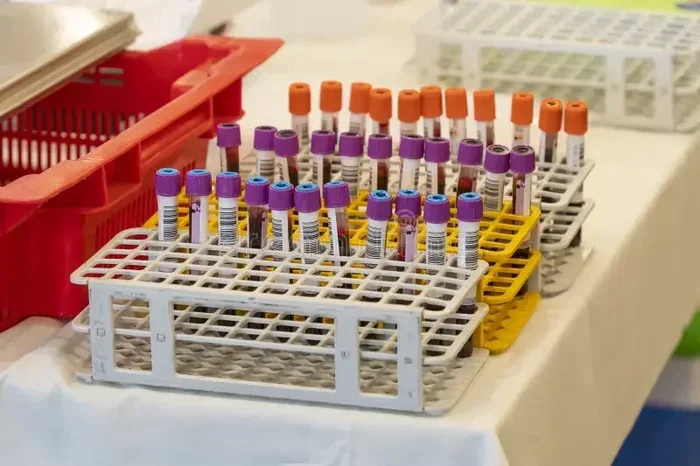
What Is a Rainbow Blood Draw Everything You Need to Know
A rainbow blood draw uses a set of color-coded vacuum tubes to collect multiple blood samples in a single venipuncture. Each tube color signals a specific additive or purpose, making diagnostic testing faster and more accurate. This system is essential for automotive workers who undergo occupational health screening to monitor exposure to chemicals, metals, and other workplace hazards.
This is a comprehensive guide about What Is a Rainbow Blood Draw?.
Key Takeaways
- Color-Coded System: Each vacuum tube color represents a specific additive, preventing mix-ups and ensuring sample integrity.
- Multiple Samples, One Draw: A rainbow blood draw allows several tests from a single venipuncture, reducing discomfort and time.
- Automotive Relevance: Automotive workers benefit from rainbow blood draws during occupational health screenings for chemical and heavy metal exposure.
- Additive Matters: Different additives like anticoagulants and serum separators serve distinct lab purposes.
- Proper Order Matters: The order of tube draw follows strict protocols to prevent cross-contamination and false results.
- Preparation Is Key: Knowing what to expect before and after a rainbow blood draw helps ensure accurate results.
- Safety First: Following safety protocols protects both the phlebotomist and the patient during the procedure.
[FEATURED_IMAGE_PLACEHOLDER]
What Is a Rainbow Blood Draw?
A rainbow blood draw is the process of collecting multiple blood samples using a set of vacuum tubes that come in different colors. Each color represents a specific type of additive inside the tube. These additives prepare the blood for different kinds of diagnostic testing. The name “rainbow” comes from the bright array of colors you see on the tube racks at any lab or clinic.
If you have ever had blood work done, chances are you experienced a rainbow blood draw without even knowing it. The phlebotomist may have drawn several tubes, each a different color, and sent them to the lab for various tests. This system makes blood sample collection efficient, organized, and safe.
In the automotive world, rainbow blood draws play a critical role in occupational health. Automotive workers face exposure to solvents, heavy metals, fumes, and other hazardous materials. Regular blood tests help monitor their health and catch potential issues early. The color-coded tube system ensures that each test gets the right sample, with no confusion or cross-contamination.
Understanding how a rainbow blood draw works can ease anxiety and help you feel more confident before your next lab visit. Let us break it all down in simple, practical terms.
Why Are Blood Draw Tubes Color-Coded?
The color-coding system on blood collection tubes is not just for looks. It serves a vital purpose. Each color tells the lab technician exactly what kind of additive is inside the tube and what type of test the sample is meant for. Without this system, labs would face chaos. Samples could get mixed up, tests could fail, and results could be inaccurate.
The Science Behind the Colors
Every tube in a rainbow blood draw set contains a specific additive. Some additives prevent the blood from clotting. Others separate the serum from the cells. The additive determines how the lab processes the sample. Here is a quick look at what the colors mean:
- Red Tube: No additive. Used for serum tests. The blood clots naturally, and the serum is separated for analysis.
- Lavender or Purple Tube: Contains EDTA, an anticoagulant that prevents clotting. Used for complete blood counts and blood bank testing.
- Green Tube: Contains heparin. Used for plasma tests and chemistry panels.
- Blue Tube: Contains sodium citrate. Used for coagulation tests like PT and INR.
- Gray Tube: Contains sodium fluoride and potassium oxalate. Used for glucose testing.
- Gold or Tiger Top Tube: Contains a serum separator gel. Used for chemistry and serology tests.
- Light Blue Tube: Used for coagulation studies with sodium citrate.
These are the most common colors you will see during a rainbow blood draw. The exact set may vary depending on the lab and the tests ordered by the doctor.
How Does a Rainbow Blood Draw Work?
A rainbow blood draw follows a specific process. The phlebotomist draws multiple tubes in a set order. This order is not random. It follows strict guidelines to prevent contamination between additives. Let us walk through the steps.
Step-by-Step Process
- Verification: The phlebotomist confirms your identity and checks the lab requisition form.
- Tourniquet Application: A tight band is placed on your upper arm to make the veins more visible.
- Venipuncture: A sterile needle is inserted into a vein, usually in the inner elbow.
- First Tube: Blood flows into the first tube, typically a light blue or red tube, depending on the test order.
- Sequential Draw: The phlebotomist moves through the tubes in the correct order, switching tubes without removing the needle.
- Withdrawal: Once all tubes are filled, the needle is removed, and pressure is applied to the site.
- Labeling: Each tube is labeled immediately with your name, date, and other identifying details.
- Transport: The samples are sent to the lab for processing.
The entire process usually takes less than five minutes. Most people feel only a quick pinch when the needle goes in. The rainbow blood draw is designed to be fast and efficient.
The Order of Draw
The order of draw is a critical part of the rainbow blood draw process. The Clinical and Laboratory Standards Institute (CLSI) sets the standard order to prevent additive carryover. If additives from one tube leak into another, the results can be wrong. The standard order is:
- Blood culture bottles
- Light blue (citrate)
- Red (no additive)
- Gold or tiger top (serum separator)
- Green (heparin)
- Lavender or purple (EDTA)
- Gray (fluoride)
Following this order protects sample integrity and ensures accurate diagnostic testing every time.
The Role of Rainbow Blood Draws in Automotive Health
The automotive industry involves exposure to a wide range of chemicals and substances. Workers in manufacturing, painting, welding, and engine repair face unique health risks. This is where rainbow blood draws become especially important.
Common Occupational Exposures
Automotive workers may encounter the following hazards on a regular basis:
- Lead: Found in batteries, paints, and older vehicle parts. Chronic lead exposure can damage the nervous system and kidneys.
- Solvents: Used in degreasing and painting. These chemicals can affect the liver and bone marrow.
- Heavy Metals: Including cadmium, chromium, and nickel, which are common in welding and plating operations.
- Benzene: Found in fuels and some solvents. Long-term exposure increases the risk of blood disorders.
- Isocyanates: Used in spray paints and coatings. These can cause respiratory issues and allergic reactions.
How Blood Tests Help Monitor Worker Health
Regular occupational health screening uses rainbow blood draws to check for signs of chemical exposure and organ damage. The different tube colors allow the lab to run multiple tests from one draw:
- Complete Blood Count (CBC): Checks for anemia, infections, and blood disorders. Uses the lavender tube.
- Liver Function Tests: Monitors for solvent-related liver damage. Uses the gold or green tube.
- Heavy Metal Panels: Detects lead, cadmium, and other metals. Uses specific tubes depending on the metal.
- Kidney Function Tests: Ensures the kidneys are filtering properly. Uses the gold or red tube.
- Glucose Levels: Screens for metabolic effects of chemical exposure. Uses the gray tube.
For automotive workers, a single rainbow blood draw can provide a comprehensive health snapshot. This saves time, reduces discomfort, and gives doctors a full picture of the worker’s health status.
Common Mistakes and How to Avoid Them
Even with a well-organized system, mistakes can happen during a rainbow blood draw. Here are some common errors and how to prevent them.
Mistake 1: Wrong Order of Draw
Drawing tubes out of order can cause additive contamination. For example, if the lavender EDTA tube is drawn before the blue citrate tube, residual EDTA can carry over and interfere with coagulation results. Always follow the standard order of draw.
Mistake 2: Insufficient Mixing
After the blood is collected, each tube needs to be gently inverted several times. This mixes the additive with the blood properly. Failure to do so can cause clotting or inaccurate results. A good rule of thumb is to invert the tube five to ten times immediately after collection.
Mistake 3: Incorrect Tube Fill
Each tube has a specific volume requirement. Underfilling a tube changes the ratio of blood to additive. This can ruin the sample and require a redraw. Always make sure each tube fills to the correct line.
Mistake 4: Mislabeling
Labels must be applied immediately at the bedside or draw station. A mislabeled sample can lead to a wrong diagnosis or unnecessary repeat testing. Double-check every label before the sample leaves the draw station.
Mistake 5: Ignoring Patient Preparation
Some blood tests require fasting or specific preparation. If a patient has not followed instructions, the results may be invalid. Always confirm preparation requirements before the rainbow blood draw begins.
Tips for a Smooth Rainbow Blood Draw Experience
Whether you are an automotive worker heading in for routine screening or a patient getting multiple tests done, these tips will help you have the best experience possible.
Before the Draw
- Stay hydrated: Drink plenty of water the day before and morning of your draw. Hydrated veins are easier to find.
- Eat a light meal: Unless you are told to fast, a small meal can prevent dizziness.
- Wear loose sleeves: A shirt with sleeves that roll up easily gives the phlebotomist better access to your inner elbow.
- Tell them about medications: Some medications can affect test results. Be upfront with the lab staff.
- Stay calm: Deep breathing helps relax your veins and reduces anxiety.
During the Draw
- Keep your arm still: Moving your arm can cause the needle to shift or the vein to collapse.
- Speak up: If you feel pain, tingling, or dizziness, tell the phlebotomist right away.
- Watch the tubes: Seeing the different colors fill up can be interesting. It shows you how many tests are being run.
After the Draw
- Apply pressure: Keep the cotton ball on the site for a few minutes to stop bleeding.
- Avoid heavy lifting: Give your arm a break for the rest of the day.
- Watch for bruising: A small bruise is normal and should fade within a few days.
- Follow up: Contact your doctor if you experience swelling, numbness, or persistent pain at the draw site.
Expert Insights on Rainbow Blood Draws
We spoke with experienced phlebotomists and occupational health specialists who work in the automotive industry. Here is what they had to say about rainbow blood draws.
“The color-coded system is one of the greatest innovations in lab medicine,” says Maria Torres, a certified phlebotomist with over 15 years of experience. “It removes guesswork. When you see a green tube, you know exactly what it is for. This speeds up the process and keeps patients safe.”
“For automotive workers, the rainbow blood draw is a lifesaver,” adds Dr. James Chen, an occupational health physician. “We can run a full panel of tests from one draw. That means less time away from work and better health monitoring for our employees.”
These professionals agree that the rainbow blood draw system has transformed how labs handle blood specimen handling and clinical laboratory workflows. The system continues to evolve, with new tube colors and additives being developed for emerging tests and technologies.
Key Takeaways
- Color-Coded System: Each vacuum tube color represents a specific additive, preventing mix-ups and ensuring sample integrity during blood sample collection.
- Multiple Samples, One Draw: A rainbow blood draw allows several tests from a single venipuncture, reducing discomfort and saving time for both patients and lab staff.
- Automotive Relevance: Automotive workers benefit greatly from rainbow blood draws during occupational health screening for chemical and heavy metal exposure.
- Additive Matters: Different additives like anticoagulants and serum separators serve distinct lab purposes and require specific tube types.
- Proper Order Matters: The order of draw follows strict protocols to prevent cross-contamination and maintain sample integrity.
- Preparation Is Key: Knowing what to expect before and after a rainbow blood draw helps ensure accurate results and a smooth experience.
- Safety First: Following safety protocols protects both the phlebotomist and the patient during the entire venipuncture process.
Conclusion
A rainbow blood draw is more than just a collection of colorful tubes. It is a carefully designed system that makes diagnostic testing accurate, efficient, and safe. From the blood collection tubes and their specific additives to the strict order of draw, every detail matters.
For those in the automotive industry, rainbow blood draws are a vital tool in occupational health. They help monitor workers for the effects of chemical and heavy metal exposure, catching potential health issues before they become serious. The system allows labs to run multiple tests from a single draw, saving time and reducing discomfort.
Whether you are a healthcare professional, an automotive worker, or someone simply preparing for routine lab work, understanding the rainbow blood draw process empowers you. You know what to expect, why each tube matters, and how to prepare for the best possible results.
The next time you see a row of colorful tubes at the lab, you will know exactly what each one does. And that knowledge can make the experience feel less intimidating and more straightforward. Embrace the system, follow the preparation tips, and trust the process. Your health is worth it.
Frequently Asked Questions
How long does a rainbow blood draw take?
A typical rainbow blood draw takes between three and five minutes. The exact time depends on how many tubes are needed and how easily the phlebotomist can access your veins. Most people are in and out of the lab within 15 minutes, including check-in and post-draw monitoring.
Is a rainbow blood draw painful?
Most people feel only a brief pinch when the needle goes in. The sensation is quick and mild. Some people feel a slight tug as the tubes fill. If you have a fear of needles, let the phlebotomist know. They can use techniques to make the experience more comfortable.
Why are different additives used in blood draw tubes?
Different diagnostic testing requirements need different sample conditions. Some tests need blood that has not clotted, so they use anticoagulants. Others need the serum separated from the cells. The additives in each tube ensure the blood is prepared correctly for the specific test being run.
Can I eat or drink before a rainbow blood draw?
This depends on the tests ordered. Some tests require fasting for eight to 12 hours. Others have no dietary restrictions. Always follow the instructions your doctor provides. If you are unsure, call the lab ahead of time to confirm what you should do before your rainbow blood draw.
What happens if a tube is filled incorrectly?
An underfilled or overfilled tube can compromise the sample. The ratio of blood to additive must be precise. If a tube is incorrect, the lab may reject it, and a redraw will be needed. This is why proper technique and attention to detail are so important during a rainbow blood draw.
How are rainbow blood draw samples stored and transported?
After collection, each tube is labeled and placed in a secure holder or biohazard bag. Samples are stored at the correct temperature based on the additive and test type. Most samples are transported to the lab within a few hours. Some tests require refrigeration or freezing to maintain sample integrity until processing.
Frequently Asked Questions
What is What Is a Rainbow Blood Draw??
What Is a Rainbow Blood Draw? is an important topic with many practical applications.