Can I Cancel My Cars Extended Warranty and Get a Refund
Yes, you can cancel your car’s extended warranty and often get a refund. Most third-party warranty providers allow cancellation within a specific window, and some even offer a full money-back guarantee. Understanding your warranty terms, cancellation fees, and refund policies helps you make a smart decision and avoid losing money unnecessarily.
Key Takeaways
- Most extended warranties allow cancellation: You can typically cancel within 30 to 90 days for a full refund.
- Refund amounts vary: You may receive a full, prorated, or partial refund depending on your provider and timing.
- Read the fine print: Cancellation fees, transfer fees, and claim history can affect your refund amount.
- DIY maintenance matters: Some warranties require professional servicing; failing this can void your coverage.
- Act quickly: The sooner you cancel, the better your chances of receiving a full or near-full refund.
- Compare options: Always review alternative car protection plans before committing to a new warranty.
📑 Table of Contents
- Can I Cancel My Car’s Extended Warranty and Get a Refund?
- Understanding Your Extended Warranty
- Why People Cancel Their Extended Warranties
- How to Cancel Your Extended Warranty
- What Refund Can You Expect?
- Common Mistakes to Avoid When Cancelling
- Expert Tips for Getting the Most Refund
- What Happens After You Cancel?
- Final Thoughts
Can I Cancel My Car’s Extended Warranty and Get a Refund?
Buying an extended car warranty feels reassuring at first. You picture yourself driving worry-free for years. But life changes. Maybe you sold the car. Maybe you found a better plan. Or maybe you simply realized the coverage doesn’t match what you need. Whatever the reason, the question is the same: can I cancel my car’s extended warranty and get a refund?
The short answer is yes. Most extended warranty providers allow you to cancel your policy. But the refund you receive depends on several factors. These include your provider’s cancellation policy, how long you’ve had the plan, and whether you’ve already filed any claims. This guide walks you through everything you need to know. You’ll learn about refund options, common fees, and how to get the most money back when you decide to cancel.
Think of this as your plain-English roadmap. No jargon. No confusing fine print. Just clear steps to help you navigate the warranty cancellation process with confidence.
Understanding Your Extended Warranty
Before you cancel anything, it helps to understand what you actually have. Not all vehicle service contracts are the same. Knowing the basics puts you in a much stronger position.
What Is an Extended Warranty?
An extended car warranty is a service contract that covers repair costs after your factory warranty expires. It’s not technically a “warranty” in the legal sense. Most providers call it a vehicle service contract or a car protection plan. But people use the terms interchangeably, and that’s fine.
These plans typically cover major systems like the engine, transmission, and electrical components. Some plans also include roadside assistance and rental car coverage. The scope of coverage varies widely from one provider to the next.
Types of Extended Warranties
Not all plans are created equal. Here are the most common types you’ll encounter:
- Bumper-to-bumper coverage: This is the most comprehensive plan. It covers almost everything except wear-and-tear items like brake pads and wiper blades.
- Powertrain coverage: This focuses on the engine, transmission, and drivetrain. It’s more limited but also more affordable.
- Exclusionary coverage: This covers everything except a specific list of excluded parts. Read this list carefully.
- Named-component coverage: This only covers specific parts listed in the contract. It’s the most basic option.
Your type of coverage can affect how easy it is to cancel and how much refund you receive. Plans with broader coverage tend to cost more upfront, which means there’s more potential for a refund.
Why People Cancel Their Extended Warranties
People cancel extended warranties for many reasons. Understanding these reasons can help you decide if cancellation is right for you.
You No Longer Own the Vehicle
This is the most common reason. If you sold your car or traded it in, continuing to pay for a warranty on a vehicle you no longer drive makes no sense. Some providers allow you to transfer the warranty to a new owner, but this often comes with a warranty transfer fee. Sometimes it’s cheaper and easier to just cancel.
The Coverage Doesn’t Fit Your Needs
Maybe you bought a plan that’s too basic or too expensive for your current situation. Perhaps your car is now reliable enough that you don’t need the extra protection. Or maybe you found a better car protection plan elsewhere with better terms and lower monthly payments.
You’ve Already Used the Warranty
If you’ve filed multiple claims and the warranty has already paid out significant amounts, the remaining coverage might not be worth the ongoing cost. In this case, canceling can free up money for other expenses.
You Want to Handle Repairs Yourself
Some car owners prefer to manage their own repairs. If you’re comfortable doing your own car diagnostics or handling minor fixes, an extended warranty might feel like an unnecessary expense. Just keep in mind that some warranties require professional servicing, and skipping this can void your coverage entirely.
How to Cancel Your Extended Warranty
The cancellation process is usually straightforward, but the steps vary by provider. Here’s a general roadmap you can follow.
Step 1: Review Your Contract
Before you do anything else, pull out your warranty contract. Look for the cancellation policy section. This is usually in the fine print near the end of the document. Pay attention to:
- The cancellation window (how long you have to cancel for a full refund)
- Any cancellation fees or penalties
- Whether the refund is full, prorated, or partial
- How to submit your cancellation request (mail, email, or online portal)
Knowing your contract inside and out prevents surprises. It also gives you leverage if the provider tries to deny your refund.
Step 2: Contact Your Warranty Provider
Call or email your warranty provider directly. Ask for the cancellation department or customer service team. Be clear about your intent. Say something like: “I would like to cancel my extended warranty and request a refund. Can you walk me through the process?”
Keep records of every conversation. Write down the date, time, and name of the person you spoke with. If you cancel by email, save a copy of the sent message and any confirmation you receive.
Step 3: Submit a Written Request
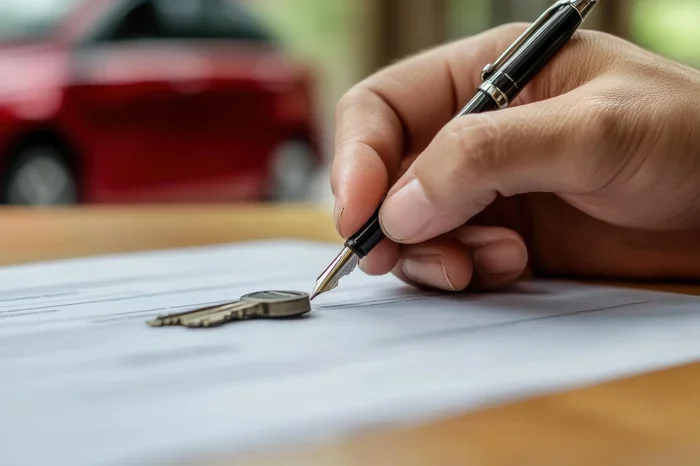
Most providers require a written cancellation request. This can be a formal letter or a completed cancellation form. Include your full name, policy number, vehicle information, and the date you want the cancellation to take effect.
Sending this via certified mail or through a tracked online portal ensures you have proof of submission. Never rely solely on a phone call.
Step 4: Wait for Confirmation
After you submit your request, the provider will review it. This can take anywhere from a few days to a few weeks. Once approved, you’ll receive a confirmation letter or email. This document should state the refund amount and the expected timeline for the payout.
Do not assume the cancellation is complete until you have this confirmation in writing. Follow up if you don’t hear back within the timeframe stated in your contract.
What Refund Can You Expect?
The refund you receive depends on several key factors. Understanding these helps set realistic expectations.
Full Refund
Some providers offer a money-back guarantee within the first 30 to 90 days of purchase. If you cancel during this window, you typically receive a full refund minus any small administrative fee. This is the best-case scenario.
Prorated Refund
If you cancel after the money-back window closes, you’ll likely receive a prorated refund. This means the provider subtracts the cost of coverage you’ve already used. For example, if you bought a two-year plan and cancel after one year, you might get roughly half your money back. The exact calculation varies by provider.
Partial or No Refund
In some cases, you may receive only a partial refund or none at all. This often happens if you’ve filed multiple claims or if the contract includes a steep cancellation penalty. This is exactly why reading the fine print before signing is so important.
| Cancellation Timing | Likely Refund |
|---|---|
| Within 30 days | Full refund (minus small fee) |
| Within 30 to 90 days | Full or near-full refund |
| After 90 days, no claims | Prorated refund |
| After 90 days, with claims | Partial or no refund |
Keep in mind that these are general guidelines. Always check your specific contract for exact terms.
Common Mistakes to Avoid When Cancelling
Canceling an extended warranty can go wrong if you’re not careful. Here are some common mistakes to avoid.
Skipping the Fine Print
Everyone wants to get to the good part. But skipping the cancellation section of your contract is a costly mistake. You might miss important deadlines or hidden fees that reduce your refund significantly.
Canceling Too Late
Timing matters a lot. The longer you wait to cancel, the less your refund will be. If you’ve decided to cancel, do it as soon as possible. Every month you keep the plan costs you money that could be going back to your pocket.
Not Keeping Records
Without written proof of your cancellation request, the provider might claim they never received it. Always use certified mail, email with read receipts, or an online portal with confirmation. Document everything.
Assuming All Providers Are the Same
Not all warranty companies handle cancellation the same way. Some are generous with refunds. Others are notoriously difficult. If you’re shopping for a new plan, look for providers with clear, fair cancellation policies and positive customer reviews.
Forgetting to Update Your Insurance
Once you cancel your extended warranty, make sure your regular car insurance still provides adequate coverage. Some owners cancel their warranty without realizing they need to adjust their insurance plan to fill the gap. You can also check if your insurance policy includes rental coverage or roadside assistance, which might reduce the need for an extended warranty in the first place.
Expert Tips for Getting the Most Refund
Want to maximize your refund? Follow these practical tips from industry experts.
- Cancel early: The sooner you cancel, the higher your refund. Don’t sit on the decision if you’re unsure.
- Don’t file unnecessary claims: Every claim reduces your potential refund. Use the warranty only for genuine big-ticket repairs.
- Negotiate: If the provider offers a low refund, push back. Reference your contract and politely ask for a better deal. You’d be surprised how often this works.
- Check for state regulations: Some states have laws protecting consumers during warranty cancellation. A quick search for your state’s regulations can give you leverage.
- Consider a replacement plan: If you’re canceling because the coverage doesn’t fit, look for a better vehicle service contract before you cancel the old one. Having a new plan ready makes the transition smoother.
- Don’t overlook DIY options: For minor repairs, handling them yourself can save you money. Just make sure your warranty doesn’t require professional servicing, or you risk voiding the coverage entirely.
What Happens After You Cancel?
Once your cancellation is approved and your refund is processed, a few things happen. First, your coverage ends on the effective date you specified. Any repairs needed after that date are your responsibility. Second, the refund is typically issued via check or direct deposit within two to four weeks.
If you had a third-party warranty, the process is usually smoother than if you bought through a dealership. Third-party providers often have clearer cancellation policies and faster refund timelines. Dealership-issued warranties, on the other hand, can sometimes be more rigid and harder to cancel.
Keep your cancellation documents in a safe place for at least a year. You may need them if there’s a dispute or if the provider delays your refund.
Final Thoughts
Canceling your car’s extended warranty is absolutely possible, and in many cases, you can get a meaningful refund back. The key is to act quickly, understand your contract, and follow the proper process. Don’t let confusion or fear of losing money keep you from making the right decision for your financial situation.
Whether you’re selling your car, switching to a better plan, or simply deciding the coverage isn’t worth it anymore, you have options. Read your contract carefully, submit a clear written request, and keep thorough records. With the right approach, you’ll navigate the warranty cancellation process smoothly and come out ahead.
Remember, your extended car warranty is a contract, and contracts work both ways. You have the right to cancel. Use that knowledge wisely, and you’ll get the refund you deserve.
Frequently Asked Questions
Can I cancel my extended warranty at any time?
Most providers allow cancellation at any time, but the refund amount depends on when you cancel. Early cancellations within the first 30 to 90 days typically receive the highest refund. Always check your specific contract for the exact timeline and refund structure before proceeding.
How long does the warranty cancellation process take?
The process usually takes between a few days and a few weeks. Submitting a clear written request speeds things up significantly. If the provider doesn’t respond within the timeframe stated in your contract, follow up in writing to keep things moving.
Will canceling my warranty affect my car’s value?
Not directly. However, having an active extended warranty can make a used car more attractive to buyers. If you’re planning to sell, consider transferring the warranty instead of canceling it. Check if your provider charges a warranty transfer fee, as this may impact your decision.
Do I need a reason to cancel my extended warranty?
No. Most vehicle service contracts allow cancellation without requiring a specific reason. You simply need to follow the cancellation process outlined in your contract. That said, keeping good records of your request is always a smart move.
Can I get a full refund if I’ve already filed claims?
This is unlikely. Most providers subtract the cost of any claims you’ve already filed from your refund. The more claims you’ve used, the smaller your refund will be. This is one of the strongest reasons to cancel early if you’re not actively using the coverage.
Is it better to cancel through the dealer or a third-party provider?
Third-party providers often have simpler and more consumer-friendly cancellation processes. Dealership-issued warranties can sometimes be more restrictive. If you’re considering a new plan in the future, look for providers with transparent cancellation policies and strong customer reviews.