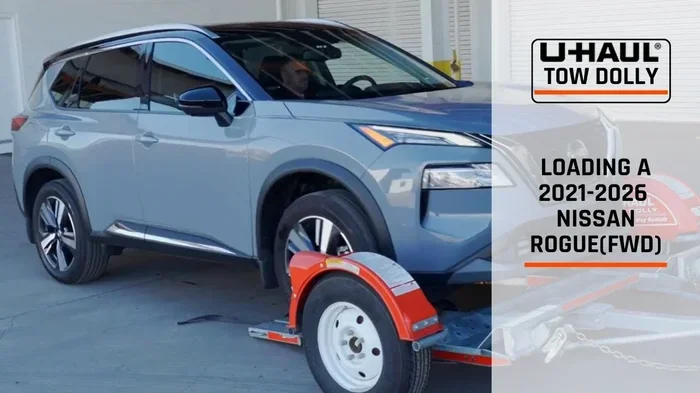
Can Nissan Rogue Tow Your Complete Guide To Towing
The Nissan Rogue can tow, but its capacity is limited compared to larger SUVs and trucks. With the right tow package, the Rogue can handle up to 1,103 pounds of towing weight. This guide covers every trim level, towing requirement, safety tip, and accessory you need to know before hitting the road.
So you just bought a Nissan Rogue and now you want to know if it can tow. Maybe you have a small trailer, a jet ski, or a camping setup that you want to haul behind your SUV. The good news is that the Nissan Rogue can indeed tow. But there are limits, requirements, and important details you need to understand before you hit the road. This guide breaks down everything you need to know about Nissan Rogue towing in plain, simple language.
Whether you are a first-time tower or a seasoned hauler, knowing your vehicle’s capabilities saves money, prevents damage, and keeps you safe. The Rogue is a popular compact SUV, and millions of drivers trust it for daily commuting, road trips, and light hauling. But towing is a different beast than just driving around town. It puts extra stress on your engine, brakes, and transmission. So let us dive deep into what the Rogue can and cannot do when it comes to towing.
Key Takeaways
- towing capacity: The Nissan Rogue can tow up to 1,103 pounds when properly equipped.
- Trim matters: Not all Rogue trims come with a tow package. The SV and SL trims offer the best towing support.
- Safety first: Always check your towing weight, distribute cargo evenly, and maintain your vehicle before every trip.
- Accessories are essential: A proper tow hitch, wiring harness, and brake controller make towing safer and easier.
- Common mistakes are avoidable: Overloading, skipping maintenance, and ignoring weight limits are the top errors Rogue owners make.
- Routine checks help: doing your own car diagnostics before a towing trip keeps your Rogue in top shape.
📑 Table of Contents
What Is the Nissan Rogue Towing Capacity?
Understanding Towing Capacity Numbers
Every vehicle has a towing capacity, which is the maximum weight it can safely pull behind it. For the Nissan Rogue, that number is approximately 1,103 pounds (500 kilograms) when the vehicle is properly equipped with the available towing package. This number can vary slightly depending on the model year, trim level, and engine configuration.
To put 1,103 pounds into perspective, that is enough to pull a small boat, a lightweight camping trailer, or a couple of dirt bikes. It is not enough for a large travel trailer or a horse trailer. Understanding your towing weight limits is the single most important step in safe towing. If you have ever wondered about putting too much weight in your car, the same principle applies here. Exceeding your towing capacity can damage your engine, warp your brakes, and even cause a serious accident.
How Much Can a Nissan Rogue Actually Tow?
The Rogue’s tow rating of 1,103 pounds means you can safely pull loads within that range. Here is a quick breakdown of what that weight can handle:
- Small utility trailers: Perfect for hauling yard debris, furniture, or landscaping supplies.
- Jet skis or ATVs: A single jet ski or ATV with a trailer falls well within the Rogue’s limits.
- Light camping trailers: Pop-up campers and small tent trailers are a great match for the Rogue.
- Motorcycles: A motorcycle trailer with one or two bikes is easily within range.
- Boats: Small inflatable or aluminum fishing boats under 1,000 pounds work well.
If you are trying to pull something heavier, the Rogue is not the right vehicle for that job. Always check the actual weight of your trailer and cargo before towing. Guessing can lead to dangerous situations on the highway.
Which Nissan Rogue Trims Can Tow?
Rogue S and the Tow Package
The base Rogue S trim can tow, but it may not come with the tow package standard. Some model years include the towing package as an add-on option. This means you may need to visit your dealer to have the proper wiring harness, hitch receiver, and electrical connections installed. The Rogue S uses the same 2.5-liter four-cylinder engine as other trims, which produces around 181 horsepower. This engine is capable of handling light towing, but it is not designed for heavy loads.
If you are shopping for a used Rogue and towing is important to you, make sure to confirm whether the vehicle has the towing package installed. Not every Rogue S on the lot will have it. Ask the seller for the vehicle identification number and check the factory specifications.
Rogue SV and Rogue SL Towing Features
The Rogue SV and Rogue SL trims are the best options for towing. These higher-end trims are more likely to include the towing package as standard or as a readily available option. The Rogue SV and SL also come with additional features that make towing easier, such as:
- Available all-wheel drive: Better traction when hauling a trailer, especially in wet or uneven conditions.
- Rear spoiler: Helps with aerodynamics and stability while towing.
- Improved suspension: Handles the extra weight of a trailer more smoothly.
- Integrated wiring harness: Makes connecting trailer lights and brakes simpler and safer.
Even if you are just using the Rogue for daily driving and occasional light towing, the SV or SL trims give you the best overall experience. They offer more comfort, more features, and better towing readiness than the base S trim.
How to Tow Safely with a Nissan Rogue
Weight Distribution and Balance
One of the most overlooked aspects of vehicle towing is how you distribute the weight in your trailer. The weight should be centered over the trailer axles, with about 60 percent of the cargo weight in the front half of the trailer and 40 percent in the back. This prevents swaying and keeps the Rogue stable while driving.
Never load all of your cargo to the rear of the trailer. This shifts too much weight behind the axle and can cause the trailer to sway dangerously at highway speeds. If you are unsure about proper weight distribution, invest in a simple scale and weigh your trailer before every trip. Even a small imbalance can cause handling problems, especially at higher speeds or in windy conditions.
Towing Safety Tips for Beginners
If you are new to towing, these practical tips will help you stay safe and confident on the road:
- Do a pre-trip inspection every time. Check your trailer tires, lights, hitch connections, and brake fluid before you drive.
- Drive slower than usual. The Rogue is not a truck. Give yourself extra time to brake and turn when towing a trailer.
- Use your mirrors. Extended side mirrors or tow mirrors help you see the full width of your trailer.
- Avoid sudden maneuvers. Smooth acceleration, gentle braking, and wide turns keep everything stable.
- Practice in an empty parking lot. Before hitting traffic, practice turning, backing up, and braking with your trailer attached.
- Check your Rogue’s fluid levels. Towing puts extra strain on your transmission and engine oil. Top them off before every trip.
Even something as simple as fitting large items in an SUV requires planning and smart loading. Towing is no different. Take the time to plan your load, your route, and your stops.
Towing Safety Tips for Beginners
Towing with a Nissan Rogue requires attention to detail and a respectful approach to the limits of your vehicle. Here are some additional safety considerations that every Rogue owner should keep in mind:
- Know your Rogue’s gross vehicle weight rating (GVWR): This number includes the weight of the vehicle, passengers, cargo, and the tongue weight of your trailer. Stay under this limit at all times.
- Use the right hitch: A Class I or Class II trailer hitch is appropriate for the Rogue’s towing capacity. Do not use a hitch rated for a much heavier vehicle.
- Check local towing laws: Some states require additional equipment like brake controllers or safety chains. Make sure you comply with all regulations.
- Keep a safe following distance: A trailer adds length and weight, so you need more distance to stop safely.
- Never tow in overdrive on steep hills: Downshift to a lower gear when going uphill or downhill to reduce strain on your brakes and engine.
Towing Accessories You Will Need
Hitches and Wiring
The right accessories make all the difference when it comes to towing with a Nissan Rogue. The most important piece of equipment is the tow hitch. For the Rogue, a Class I or Class II receiver hitch is the standard choice. These hitches are designed for lighter towing loads and are easy to install. Many owners choose a removable hitch receiver so they can take it off when they are not towing, which keeps the bumper clean and unobstructed.
You will also need a wiring harness to connect your trailer lights to the Rogue’s electrical system. This ensures your brake lights, turn signals, and running lights work properly on the trailer. Most towing kits for the Rogue include everything you need for a straightforward installation. If you are not comfortable wiring it yourself, a dealership or auto shop can handle the installation for you in about an hour.
Other Essential Towing Gear
Beyond the hitch and wiring, there are a few other accessories that make towing safer and more convenient:
- Trailer brake controller: If your trailer has its own brakes, a brake controller syncs the trailer brakes with your Rogue’s braking system. This is essential for safe stopping.
- Safety chains: Always attach safety chains to your hitch in a crisscross pattern under the trailer tongue. If the hitch ever fails, the chains keep the trailer attached to your vehicle.
- Tire pressure gauge: Trailer tires lose air faster than car tires. Check them before every trip.
- Cargo straps and tie-downs: Keep your load secure with heavy-duty straps. Loose cargo is a safety hazard.
- Extended side mirrors: If your trailer is wider than your Rogue, you need mirrors that give you a clear view of both sides of the trailer.
Investing in quality accessories pays off in safety and peace of mind. Do not cheap out on hitches or wiring. These are the components that keep you and your cargo safe on the road.
Common Towing Mistakes to Avoid
Overloading Your Rogue
The most common mistake Rogue owners make is exceeding the towing capacity. It is tempting to load up your trailer and assume the Rogue will handle it. But the 1,103-pound limit is not a suggestion. It is a hard safety boundary set by Nissan based on extensive testing. Going over this limit puts stress on every part of your vehicle, from the engine to the brakes to the suspension.
Signs that you are overloading your Rogue include:
- The vehicle struggles to maintain speed on inclines.
- Your brakes feel spongy or take longer to stop.
- The suspension bottoms out or feels extremely stiff.
- The Rogue overheats during long drives.
- Your tires show uneven wear or feel overinflated.
If you notice any of these signs, stop immediately and reduce your load. Continuing to drive while overloaded can cause permanent damage to your vehicle and create dangerous driving conditions.
Skipping Maintenance Before a Trip
Towing is harder on your vehicle than normal driving. Before every towing trip, make sure your Nissan Rogue is in good mechanical condition. This means checking your oil, coolant, brake fluid, and transmission fluid levels. Inspect your tires, including the spare, and make sure your lights and signals are working properly.
If you want to take extra precautions, consider doing your own car diagnostics before a big towing trip. A simple diagnostic scan can reveal hidden issues that could turn into serious problems on the road. Many auto parts stores offer free diagnostic scanning, or you can invest in an inexpensive OBD-II scanner and check your vehicle yourself.
Ignoring Wind and Road Conditions
Another mistake towers make is ignoring weather and road conditions. A trailer acts like a sail in strong wind, and your Rogue is not a heavy-duty truck. If winds are high or the road is wet and slippery, consider postponing your trip. Towing in adverse conditions increases the risk of swaying, jackknifing, and losing control of your vehicle.
Final Thoughts on Nissan Rogue Towing
The Nissan Rogue is a capable and versatile SUV that can handle light towing with confidence. With a towing capacity of up to 1,103 pounds, it is well-suited for small trailers, jet skis, camping gear, and motorcycles. But it is not a truck, and it should not be treated like one. Respect the limits of your vehicle, invest in the right accessories, and always prioritize safety over convenience.
Before every towing trip, take the time to inspect your Rogue, your trailer, and your cargo. Check your hitch, your wiring, your tire pressure, and your load distribution. These simple steps make a huge difference in your safety and the longevity of your vehicle. Towing with a Nissan Rogue can be a rewarding experience when done correctly. It opens up new possibilities for adventure, hauling, and getting the most out of your SUV.
Remember, the key to successful towing is preparation and respect for the limits of your vehicle. Know your weight limits, use the right equipment, drive defensively, and maintain your Rogue regularly. Follow these principles and you will enjoy many safe and successful towing trips with your Nissan Rogue for years to come.
Frequently Asked Questions
What is the towing capacity of a Nissan Rogue?
The Nissan Rogue can tow up to approximately 1,103 pounds (500 kilograms) when equipped with the available towing package. This capacity applies to model years that include the towing package as an option. Always check your specific model year and trim for the exact towing specs.
Can any Nissan Rogue trim tow?
Most Nissan Rogue trims can tow when equipped with the proper towing package. However, the Rogue SV and Rogue SL trims are the best suited for towing because they more commonly include the towing package as standard or as an available option. The base Rogue S may require the package to be added separately.
Do I need a special hitch for my Nissan Rogue?
Yes, you need a Class I or Class II trailer hitch for the Nissan Rogue. These hitches are rated for lighter towing loads and are the appropriate choice for the Rogue’s towing capacity. A removable hitch receiver is a popular option among Rogue owners who do not tow frequently.
Is the Nissan Rogue good for towing a boat?
The Nissan Rogue can tow a small boat, such as an inflatable or a lightweight aluminum fishing boat, as long as the total trailer weight stays under 1,103 pounds. Larger boats exceed the Rogue’s towing limits and require a bigger vehicle. Always weigh your trailer and cargo before towing.
What accessories do I need for towing with a Nissan Rogue?
The essential towing accessories include a Class I or Class II hitch, a wiring harness for trailer lights, safety chains, a trailer brake controller (if your trailer has brakes), extended side mirrors, and a tire pressure gauge for your trailer. These items ensure safe and legal towing.
Can I tow a camper with a Nissan Rogue?
You can tow a small pop-up camper or lightweight tent trailer with a Nissan Rogue, provided the total weight stays within the 1,103-pound towing limit. Larger travel trailers or fifth-wheel campers exceed the Rogue’s capacity and are not safe to tow with this vehicle. Always verify the weight of your camper before towing.