Do Hybrids Really Cost More to Insure Than Gas Cars
Do hybrids cost more to insure? The answer is not a simple yes or no. While hybrid vehicle insurance can sometimes run higher due to repair costs and special parts, many auto insurance companies offer discounts that offset the difference. Hybrid cars often qualify for lower rates thanks to safety features, green vehicle incentives, and lower mileage. Understanding what drives insurance premium pricing helps you make a smart choice.
This is a comprehensive guide about Do Hybrids Cost More to Insure?.
Key Takeaways
- Hybrids may cost slightly more to insure: Repair expenses and specialized parts can raise your premium compared to a standard gas car.
- Insurance discounts help balance the cost: Many insurers offer eco-friendly car discounts, safety feature credits, and low-mileage incentives.
- Your driving record matters most: Clean driving history has a bigger impact on your rate than whether you drive a hybrid or gas vehicle.
- Hybrid repair costs vary widely: Some repairs are cheaper due to regenerative braking, while battery replacement can be expensive.
- Shopping around pays off: Comparing quotes from multiple insurance companies ensures you get the best rate for your hybrid or gas car.
- Coverage type affects price: Comprehensive and collision coverage costs differ between hybrid and gas models.
- Hybrid reliability reduces claim frequency: Many hybrid owners file fewer claims, which can work in your favor with insurers.
[FEATURED_IMAGE_PLACEHOLDER]
Do Hybrids Really Cost More to Insure Than Gas Cars?
Here is a question that keeps popping up in car forums and insurance offices alike: do hybrids cost more to insure? If you are shopping for a new ride and wondering about the full cost of ownership, this is a big deal. Insurance is not just a minor expense. It can add thousands of dollars over the life of your vehicle.
The short answer is that hybrid insurance cost is not always higher. Sometimes it is lower. It depends on a mix of factors that include your insurance company, your driving habits, the specific model you choose, and even where you live. Let us break all of this down so you can make a confident decision.
Many people assume that because a hybrid vehicle has expensive battery packs and specialized parts, the insurance must be sky-high. But that is only part of the story. Insurers also look at safety ratings, claim history, and how often a car gets stolen. And guess what? Hybrids often score well on several of those fronts.
By the end of this guide, you will know exactly what goes into setting your insurance premium. You will understand where hybrids have an edge and where they do not. You will also walk away with practical tips to keep your rates low, no matter what kind of car you drive.
Why Hybrid Insurance Costs Differ from Gas Cars
Understanding the basics of how car insurance rates are set helps you see why hybrids and gas cars sometimes have different price tags. Insurance companies use complex algorithms to assess risk. Every factor either raises or lowers your rate.
The Role of Repair Costs
One of the biggest factors in your insurance premium is how much it costs to repair your car after an accident. Hybrids use advanced technology, including high-voltage battery systems and specialized electronics. When something goes wrong, not every mechanic can fix it. This means labor costs can climb.
However, hybrids also have some cheaper repair advantages. For example, regenerative braking reduces wear on traditional brake pads and rotors. That means fewer brake jobs over the life of the car. Over time, this can lower your overall auto insurance costs, especially for collision claims.
Safety Features and Claims History
Most hybrid cars come packed with advanced safety features. Things like lane departure warnings, automatic emergency braking, and adaptive cruise control are standard on many models. Insurers love these features because they reduce the likelihood of accidents.
When you combine strong safety tech with the fact that hybrid owners tend to drive fewer miles, the result is often a lower claims frequency. And lower claims mean lower rates. This is one of the reasons why some insurance companies actually price hybrid policies below their gas counterparts.
The Battery Factor
Let us talk about the elephant in the room: the battery. A hybrid battery pack can be expensive to replace. We are talking several thousand dollars in some cases. But here is the thing. Battery failures are relatively rare. Most manufacturers offer long warranties on hybrid batteries, often eight to ten years.
Insurance companies know this. They also know that battery-related claims are uncommon. So while the potential cost is high, the probability is low. This balance keeps hybrid vehicle insurance rates reasonable for most owners.
Factors That Determine Your Hybrid Insurance Premium
Your insurance premium is not set in stone. It is shaped by a unique combination of personal and vehicle-specific factors. Let us walk through the key elements that insurers evaluate.
Your Driving Record
This is the single biggest factor in any car insurance rate. A clean driving history with no accidents or tickets will always get you lower premiums. Period. Whether you drive a hybrid or a gas car, a spotless record saves you real money.
On the flip side, if you have a history of accidents or speeding tickets, your rates will climb regardless of your vehicle type. Driving safely is the best thing you can do to keep insurance costs down.
Your Location
Where you live and park your car matters a lot. Urban areas with high traffic and theft rates will always have higher premiums than rural areas. If you live in a city, your insurance company will factor in local crime rates, accident frequency, and even weather patterns.
Interestingly, some of the best deals on hybrid insurance cost come from states and cities that offer green vehicle incentives. These programs reward eco-conscious drivers with reduced rates or special discounts.
Your Credit Score
In many states, insurers use credit-based insurance scores to help set your rate. A higher credit score signals financial responsibility, and that translates to lower premiums. This applies equally to hybrid and gas car owners.
Keeping your credit in good shape is one of the simplest ways to reduce your insurance premium. Pay your bills on time, keep your debt low, and check your credit report regularly for errors.
The Specific Hybrid Model
Not all hybrids are created equal when it comes to insurance. A Toyota Prius might have a very different insurance profile than a Tesla Model 3 (which is a plug-in hybrid or EV). The make, model, year, and trim level all play a role.
Popular hybrids with strong safety records and affordable parts tend to have the lowest insurance costs. Before you buy any hybrid car, it is smart to get a quick quote from your insurer. This gives you a realistic picture of the total ownership cost.
Where Hybrids Save You Money on Insurance
Now for the good news. Hybrids come with several built-in advantages that can actually lower your auto insurance costs. Here are the areas where you are likely to see savings.
Green Vehicle Discounts
Many major insurance companies now offer green vehicle discounts. These programs reward owners of fuel-efficient and low-emission vehicles. The discount amount varies, but it typically ranges from 5% to 10% off your premium.
Some insurers also offer discounts for cars that use alternative fuels or have plug-in capability. If you are considering a plug-in hybrid, make sure to ask your agent about these programs. They can make a noticeable difference in your annual bill.
Low-Mileage Discounts
Hybrid owners tend to drive less. Why? Because many people choose hybrids for short commutes and city driving. Electric-only mode makes stop-and-go traffic much more efficient. Insurers recognize this and often offer low-mileage discounts.
If you drive under 7,500 miles per year, you may qualify for a significant reduction in your insurance premium. Some companies even offer pay-per-mile policies that track your actual driving distance through a mobile app or device.
Advanced Safety Equipment
We touched on this earlier, but it deserves its own spotlight. The advanced driver assistance systems (ADAS) found in most modern hybrids are insurance gold. Features like blind spot monitoring, rear cross-traffic alert, and automatic high beams reduce accident risk.
Insurers reward these features with safety equipment discounts. Before buying a hybrid, check which safety features come standard. The more safety tech on board, the better your car insurance rates are likely to be.
Where Hybrids Cost More on Insurance
It is not all sunshine and savings. There are real areas where owning a hybrid can increase your insurance expenses. Being aware of these helps you plan ahead.
Specialized Repair and Parts
Not every repair shop is equipped to work on a hybrid vehicle. The high-voltage electrical system requires trained technicians and specialized tools. This limits your options after an accident and can drive up labor costs.
Parts for hybrids can also be more expensive. Battery modules, power inverters, and electric motors are not cheap. If your car is totaled or suffers major damage, the payout from your insurance policy may be higher, which affects your overall cost.
Higher Vehicle Value
Hybrids often come with a higher sticker price than comparable gas models. This higher vehicle value means that collision and comprehensive coverage will cost more. If you total your hybrid, the insurer has to pay more to replace it.
This is especially true for luxury hybrids and plug-in models. A Lexus hybrid or a BMW plug-in will carry a higher insurance cost than a basic gas sedan. Always factor the purchase price into your insurance calculations.
Battery Replacement Risk
While rare, battery failure does happen. And when it does, the bill can be steep. Some insurers classify battery replacement as a covered repair under comprehensive or collision coverage. Others may treat it differently depending on the cause.
If your hybrid battery fails after the warranty expires, you could face a repair bill of $3,000 to $8,000 or more. Make sure your insurance coverage includes adequate protection for electrical components. Ask your agent to clarify exactly what is and is not covered.
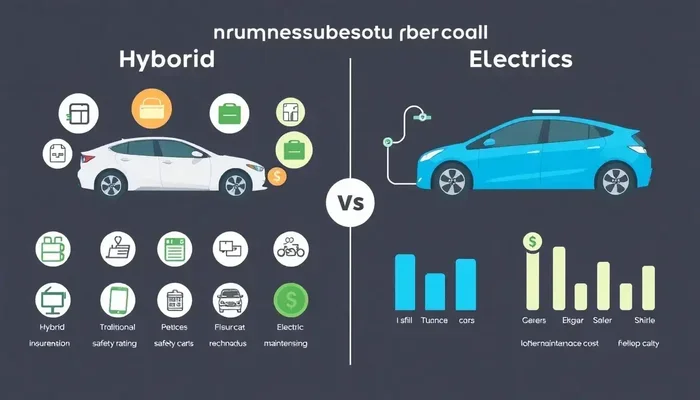
Insurance Comparison: Hybrid vs Gas Cars
Let us put some real numbers on the table. While exact figures vary by insurer, location, and driver profile, here is a general comparison of what you can expect.
- Average annual premium for a hybrid sedan: $1,200 to $1,600
- Average annual premium for a comparable gas sedan: $1,100 to $1,500
- Difference: Hybrids typically cost 5% to 15% more, but discounts can close or eliminate the gap
- Collision claim average for hybrids: Slightly lower due to fewer accidents
- Comprehensive claim average for hybrids: Higher when battery or electrical damage is involved
The spread between hybrid and gas car premiums is narrowing. As more insurers recognize the safety and efficiency benefits of hybrid cars, the pricing gap continues to shrink. Some insurers now offer identical rates for both vehicle types.
If you are comparing quotes, always provide the same level of coverage and deductible on both. This gives you a true apples-to-apples comparison of how your vehicle type affects your auto insurance costs.
Tips to Lower Your Hybrid Insurance Costs
Want to keep your insurance premium as low as possible? Here are some practical steps that work for hybrid owners.
- Shop around for quotes. Different insurers price hybrids differently. Getting at least three quotes ensures you find the best deal.
- Ask about green discounts. Not all agents mention these automatically. Be proactive and ask if your insurer offers eco-friendly car or hybrid discounts.
- Bundle your policies. Combining your auto and home insurance with the same company often unlocks multi-policy discounts.
- Maintain a clean driving record. Avoid tickets and accidents. Safe driving is the most powerful way to keep rates low.
- Choose a higher deductible. Raising your deductible from $500 to $1,000 can significantly reduce your monthly premium.
- Limit your annual mileage. If you can, drive less. Low-mileage drivers qualify for better rates across the board.
- Keep your car well-maintained. Regular servicing reduces the risk of breakdowns and claims. It also signals responsibility to insurers.
Common Mistakes Hybrid Owners Make with Insurance
Avoiding these pitfalls can save you money and headaches down the road.
- Assuming hybrids are always more expensive to insure. This is not true. Many hybrid owners pay the same or even less than gas car owners.
- Skipping comprehensive coverage. Hybrid battery damage can be costly. Dropping comprehensive coverage to save money is a risky move.
- Not informing your insurer about safety features. If your car has advanced safety tech, make sure your insurer knows. You may qualify for additional discounts.
- Choosing the wrong deductible. A deductible that is too low inflates your premium. One that is too high leaves you exposed. Find the right balance.
- Failing to compare quotes regularly. Insurance rates change frequently. Reviewing your policy annually ensures you are not overpaying.
Expert Insights on Hybrid Insurance Trends
Industry experts agree that the future of hybrid vehicle insurance looks bright for consumers. As hybrid technology becomes more mainstream, insurers are developing better pricing models that reflect the actual risk profile of these vehicles.
According to several industry analysts, the cost gap between hybrid and gas car insurance is expected to continue closing. Some predict that within five years, hybrids could be cheaper to insure than gas cars in many markets. This shift is driven by improved safety records, lower accident rates, and the growing availability of affordable hybrid models.
For now, the smartest move is to stay informed and shop around. Use online comparison tools, ask your insurer about every available discount, and never be afraid to switch companies if you find a better rate. Your insurance company should earn your business every year.
Key Takeaways
- Hybrids may cost slightly more to insure: Repair expenses and specialized parts can raise your premium compared to a standard gas car.
- Insurance discounts help balance the cost: Many insurers offer eco-friendly car discounts, safety feature credits, and low-mileage incentives.
- Your driving record matters most: Clean driving history has a bigger impact on your rate than whether you drive a hybrid or gas vehicle.
- Hybrid repair costs vary widely: Some repairs are cheaper due to regenerative braking, while battery replacement can be expensive.
- Shopping around pays off: Comparing quotes from multiple insurance companies ensures you get the best rate for your hybrid or gas car.
- Coverage type affects price: Comprehensive and collision coverage costs differ between hybrid and gas models.
- Hybrid reliability reduces claim frequency: Many hybrid owners file fewer claims, which can work in your favor with insurers.
Frequently Asked Questions
Do all insurance companies offer hybrid discounts?
No, not all insurance companies offer hybrid or green vehicle discounts. However, many major carriers do. Companies like Progressive, State Farm, and Allstate have been expanding their eco-friendly car programs. Always ask your agent or check the insurer’s website for available discounts before purchasing a policy.
Is hybrid insurance cheaper than gas car insurance?
Sometimes it is. Hybrids often qualify for safety discounts, low-mileage credits, and green vehicle incentives. But higher repair costs and vehicle value can push premiums up. The net effect depends on your specific situation, driving record, and the insurer you choose.
How can I find the best insurance rate for my hybrid?
The best approach is to compare quotes from at least three different insurers. Use online comparison tools to speed up the process. Be sure to provide consistent coverage levels and deductibles across all quotes. Also, ask about every discount you may qualify for, including safe driver, low-mileage, and hybrid-specific programs.
Does a hybrid battery replacement affect my insurance?
Generally, battery replacement is covered under comprehensive or collision coverage if the damage is from an accident or covered event. Normal wear and battery degradation is not covered. Check with your insurance company to understand exactly what is included in your policy. Some insurers also offer extended warranty add-ons for hybrid batteries.
Are hybrids cheaper to maintain, which affects insurance?
Yes, hybrids often have lower maintenance costs for things like brakes and tires due to regenerative braking. Lower maintenance needs can mean fewer claims, which insurers view favorably. Over time, this can contribute to more stable or even lower auto insurance rates for hybrid owners.
Should I choose a higher deductible to save on hybrid insurance?
A higher deductible does lower your monthly premium. But make sure you can afford to pay that amount out of pocket if you ever need to file a claim. Hybrid repairs can be expensive, so choose a deductible that balances savings with financial comfort. If you have an emergency fund, a higher deductible is often a smart move.
Conclusion
So, do hybrids really cost more to insure than gas cars? The honest answer is: it depends, but often the difference is smaller than you think. Hybrid vehicle insurance comes with its own set of advantages and challenges. The key is to understand your specific situation and shop smart.
Hybrids offer real savings potential through green discounts, safety credits, and low-mileage incentives. At the same time, specialized parts and higher vehicle values can add to your insurance premium. The best way to navigate this is to compare quotes, ask about every discount, and stay informed about your coverage options.
Whether you drive a hybrid car or a traditional gas vehicle, the fundamentals of saving on insurance remain the same. Drive safely, maintain your car, keep your credit strong, and review your policy annually. These habits will serve you well no matter what you drive.
Take the time to understand your car insurance rates before you buy. A few minutes of research today can save you hundreds of dollars over the life of your vehicle. And that is money better spent on the road, not on premiums.
Frequently Asked Questions
What is Do Hybrids Cost More to Insure??
Do Hybrids Cost More to Insure? is an important topic with many practical applications.