Does the Mitsubishi Outlander Have Transmission Problems
The Mitsubishi Outlander has had some transmission problems reported by owners, especially with the CVT and hybrid models. Common issues include rough shifting, gear slippage, and warning lights on the dashboard. However, regular maintenance and timely repairs can significantly reduce the risk of serious transmission failure.
The Mitsubishi Outlander is one of the most popular SUVs on the road today. It offers a spacious cabin, solid fuel economy, and a smooth ride. But one question keeps popping up in forums and owner groups: does the Mitsubishi Outlander have transmission problems? If you are considering buying one or already own one, this is a valid concern. Transmission issues can be expensive and stressful. They can turn a reliable daily driver into a constant source of worry.
In this article, we will break down everything you need to know about the Mitsubishi Outlander transmission. We will look at common problems, warning signs, repair costs, and what you can do to keep your vehicle running strong. Whether you drive a gas-powered Outlander or the Outlander PHEV, this guide has you covered.
Key Takeaways
- CVT and PHEV models are more prone to reported transmission issues than earlier automatic versions.
- Common symptoms include rough shifting, delayed engagement, and unusual noises during acceleration.
- Regular transmission fluid changes are one of the best ways to prevent long-term damage.
- Repair costs can range from a few hundred dollars for fluid changes to several thousand for a full rebuild.
- Warranty coverage may help offset costs for newer Outlander models still under factory protection.
- Early detection of warning signs saves money and prevents costly repairs down the road.
📑 Table of Contents
- Understanding the Mitsubishi Outlander Transmission
- Common Transmission Problems Reported by Owners
- Warning Signs Your Outlander Transmission Is Failing
- Transmission Repair Costs and Maintenance Tips
- How to Prevent Transmission Issues in Your Outlander
- Final Verdict: Should You Worry About Outlander Transmission Problems?
Understanding the Mitsubishi Outlander Transmission
Before we dive into the problems, it helps to understand what transmission your Outlander uses. Different model years and trims come with different transmission types. Knowing which one you have is the first step toward understanding potential issues.
CVT Transmission in the Outlander
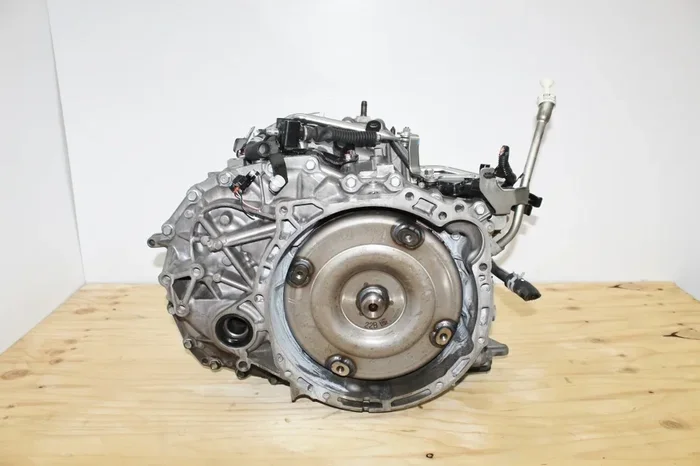
Most recent model year Outlanders use a continuously variable transmission, commonly known as a CVT. A CVT does not have fixed gears like a traditional automatic. Instead, it uses a belt and pulley system to provide an infinite number of gear ratios. This design helps improve fuel economy and gives the engine a smoother power delivery. Many drivers love the seamless acceleration a CVT provides.
However, CVTs have a reputation for being less durable than traditional automatics under heavy stress. They can be sensitive to fluid condition and driving habits. This is especially true for the Mitsubishi Outlander CVT models that have been on the market for several years.
The Outlander PHEV Transmission Setup
The Outlander PHEV, or plug-in hybrid electric vehicle, uses a different powertrain setup. It combines an electric motor with a gas engine. The hybrid system switches between electric and gas power depending on driving conditions and battery charge. This means the transmission works a bit differently in a PHEV compared to a standard gas model. The electric motor handles much of the low-speed driving, which reduces strain on the transmission in some situations. But when the gas engine kicks in, the transmission still needs to function properly.
Older Automatic Transmissions
Earlier model year Outlanders used a traditional 6-speed or 5-speed automatic transmission. These older units are generally more robust and have fewer reported issues than the newer CVT designs. If you are shopping for a used Outlander, a model with a traditional automatic may be a safer bet from a transmission reliability standpoint.
Common Transmission Problems Reported by Owners
So, what exactly goes wrong with the Mitsubishi Outlander transmission? Let us look at the most commonly reported issues. These are the problems that show up again and again in owner forums, repair shops, and complaint databases.
Rough or Harsh Shifting
One of the most frequent complaints is rough shifting. Drivers describe a jerking or jolting sensation when the transmission changes gears. This can happen during acceleration or when slowing down. It is not just annoying. It can also be a sign that the transmission fluid is degraded or that internal components are wearing out.
Rough shifting is especially common in CVT models. The belt-and-pulley system in a CVT can develop irregularities over time. These irregularities cause the harsh feel that so many Outlander owners dislike.
Gear Slippage
Gear slippage happens when the transmission momentarily loses connection between gears. You might feel the engine rev higher without a corresponding increase in speed. This is a serious issue that should not be ignored. Gear slippage often points to low transmission fluid, worn clutch packs, or internal damage to the CVT belt.
Delayed Engagement
Some Outlander owners report a delay when shifting from Park to Drive or Reverse. The vehicle may sit idle for a second or two before moving. This delay can be mild or severe. In some cases, it gets worse as the transmission ages. Delayed engagement is often linked to low fluid levels or a failing transmission pump.
Transmission Warning Lights
Dashboard warning lights are never a good sign. The check engine light or a specific transmission warning light may illuminate when something is wrong. Modern Outlanders have sophisticated sensors that detect transmission faults. When these sensors pick up an issue, they trigger a warning. Ignoring these lights can lead to bigger and more expensive problems.
Unusual Noises
Grinding, whining, or buzzing noises from the transmission area are red flags. A healthy transmission should operate quietly. Any new or unusual sound deserves immediate attention. These noises can indicate worn bearings, low fluid, or internal component failure.
Warning Signs Your Outlander Transmission Is Failing
Catching transmission problems early can save you a lot of money and headaches. Here are the warning signs you should watch for. If you notice any of these, get your vehicle checked by a qualified mechanic as soon as possible.
Burning Smell
A burning smell coming from under the hood is a classic sign of overheating transmission fluid. Transmission fluid should be reddish and smell slightly sweet. If it smells burnt, it has likely broken down and is no longer lubricating properly. This can lead to increased friction and heat inside the transmission.
Fluid Leaks
Puddles of fluid under your parked vehicle are never a good sign. Transmission fluid is usually red or brown and has a slippery texture. Check under your Outlander regularly for any signs of leaks. A small leak can become a major problem if left unaddressed.
Vibrations at Speed
Unusual vibrations, especially at higher speeds, can indicate transmission trouble. These vibrations may feel like a shudder or a wobble. They often worsen as the vehicle accelerates. Vibrations can be caused by worn CVT belts, damaged drivetrain components, or transmission mount failure.
Difficulty Shifting Gears
If your Outlander hesitates or refuses to shift gears, take it seriously. This can happen in both manual and automatic transmissions. In a CVT, you might notice the engine screaming without the vehicle speeding up proportionally. Difficulty shifting is almost always a sign of internal transmission wear or fluid system failure.
Sudden Loss of Power
A sudden loss of power while driving is alarming and dangerous. This can happen when the transmission enters a fail-safe mode to protect itself from further damage. The vehicle may limit engine power and restrict gear changes. If this happens, pull over safely and have the vehicle towed to a service center.
Transmission Repair Costs and Maintenance Tips
Nobody wants to think about expensive repairs. But understanding the potential costs and maintenance needs of your Outlander transmission can help you plan ahead and avoid surprises.
How Much Does Transmission Repair Cost?
The cost of fixing a Mitsubishi Outlander transmission problem varies widely. It depends on the type of issue, the model year, and where you get the work done. Here is a rough breakdown of common repair costs:
- Transmission fluid change: $150 to $300. This is the cheapest and most important maintenance task.
- Transmission fluid flush: $300 to $500. A full flush replaces all the old fluid and is more thorough than a simple change.
- Transmission sensor replacement: $200 to $500. This covers the part and labor for fixing faulty sensors.
- CVT belt or pulley replacement: $1,500 to $3,500. This is a more involved repair that requires specialized knowledge.
- Full transmission rebuild or replacement: $4,000 to $8,000. This is the worst-case scenario and can happen if small problems are ignored for too long.
These numbers can vary based on your location, the mechanic’s labor rates, and whether you use OEM or aftermarket parts. Always get a detailed estimate before authorizing any major transmission work.
Maintenance Tips to Extend Transmission Life
The good news is that you can take steps to keep your Outlander transmission healthy for a long time. Prevention is always cheaper than repair. Here are some practical tips:
- Change your transmission fluid regularly. Most experts recommend a fluid change every 30,000 to 60,000 miles. Check your owner manual for the exact interval for your model year.
- Check fluid levels monthly. A quick check under the hood takes only a few minutes. Low fluid is one of the leading causes of transmission problems.
- Avoid aggressive driving. Hard acceleration and sudden stops put extra stress on the transmission. Smooth driving habits help the transmission last longer.
- Get regular inspections. During routine oil changes or service visits, ask the technician to inspect the transmission for early signs of wear.
- Address small issues immediately. Do not ignore warning lights, unusual noises, or minor shifting delays. Catching problems early prevents them from becoming major repairs.
Where to Get Your Outlander Serviced
When it comes to transmission service, you have a few options. You can visit a local dealership or a trusted independent mechanic. Dealerships have access to factory-trained technicians and OEM parts. They also have specialized diagnostic equipment for Mitsubishi vehicles. Independent shops may offer lower labor rates but make sure they have experience with the Outlander specifically. A mechanic who knows the CVT and PHEV systems will give you the best results.
How to Prevent Transmission Issues in Your Outlander
Prevention is the best medicine. Here are some proactive steps every Outlander owner should take to protect their transmission.
Follow the Manufacturer Maintenance Schedule
Mitsubishi provides a detailed maintenance schedule in the owner manual. This schedule includes transmission fluid checks and changes at specific intervals. Following this schedule is one of the best things you can do for your vehicle. Skipping recommended maintenance is the number one cause of premature transmission failure.
Use the Right Transmission Fluid
Not all transmission fluids are the same. The Outlander CVT requires a specific type of fluid designed for continuously variable transmissions. Using the wrong fluid can cause slipping, overheating, and accelerated wear. Always check with your dealer or owner manual to confirm the correct fluid specification for your model year.
Be Mindful of Towing and Hauling
The Outlander is not a heavy-duty towing vehicle. If you regularly tow a trailer or haul heavy loads, you are putting extra strain on the transmission. This is especially true for CVT models. If you must tow, stay within the manufacturer recommended weight limits and give your transmission extra attention through more frequent fluid changes.
Keep the Cooling System in Good Shape
The transmission generates a lot of heat, and the cooling system helps manage that heat. A malfunctioning cooling system can lead to overheating, which damages transmission components. Make sure your coolant levels are correct and your radiator is functioning properly.
Final Verdict: Should You Worry About Outlander Transmission Problems?
So, does the Mitsubishi Outlander have transmission problems? The honest answer is: it depends. Many Outlander owners drive their vehicles for years without any major transmission issues. The problems tend to appear more frequently in CVT and PHEV models, particularly as the vehicles age past the 60,000 to 80,000 mile mark. However, these issues are not universal, and many owners never experience serious transmission failure.
The key takeaway is that maintenance matters. A well-maintained Outlander transmission can last the life of the vehicle. Regular fluid changes, prompt attention to warning signs, and gentle driving habits go a long way. If you are buying a used Outlander, get a pre-purchase inspection that includes a thorough transmission check. If you already own one, stay on top of your maintenance schedule and listen to your vehicle.
Transmission problems should not scare you away from the Mitsubishi Outlander. But they should make you an informed and proactive owner. Know the risks, watch for the signs, and take action early. Your wallet and your Outlander will thank you.
For owners considering a used Outlander or those already experiencing issues, staying informed is your best defense. The Mitsubishi Outlander remains a solid choice in the compact SUV segment. With the right care and attention, its transmission can deliver reliable service for many miles to come.
Frequently Asked Questions
What are the most common Mitsubishi Outlander transmission problems?
The most common issues include rough shifting, gear slippage, delayed engagement, and transmission warning lights. CVT models tend to report more problems than older automatic versions. These issues often appear after 60,000 miles if the transmission fluid has not been changed regularly.
How much does it cost to repair a Mitsubishi Outlander transmission?
Costs range widely depending on the issue. A fluid change costs around $150 to $300, while a full transmission rebuild can cost $4,000 to $8,000. CVT belt or pulley replacements typically fall in the $1,500 to $3,500 range. Getting an early diagnosis and repair is always the most cost-effective approach.
Does the Mitsubishi Outlander PHEV have transmission issues?
The Outlander PHEV uses a different powertrain that combines an electric motor with a gas engine. While the electric motor reduces strain on the transmission during low-speed driving, the hybrid system can still develop issues. PHEV owners should follow the same maintenance schedule and watch for warning signs just like gas model owners.
How often should I change the transmission fluid in my Outlander?
Most experts recommend changing the transmission fluid every 30,000 to 60,000 miles. Check your specific model year owner manual for the exact interval. If you drive in severe conditions such as heavy traffic or hot climates, you may need to change the fluid more frequently.
Can I prevent transmission problems in my Mitsubishi Outlander?
Yes, you can significantly reduce the risk of transmission problems through regular maintenance. Change the fluid on schedule, use the correct type of fluid, avoid aggressive driving, and address any warning signs immediately. These simple steps can extend your transmission life by many years.
Are older Mitsubishi Outlander models better for transmission reliability?
Generally, yes. Older models with traditional automatic transmissions tend to have fewer reported issues than newer CVT-equipped models. If transmission reliability is a top priority for you, a used Outlander with a traditional automatic transmission from an earlier generation may be a good choice.
=== CONCLUSION ===
The Mitsubishi Outlander is a capable and popular SUV, but it is not immune to transmission problems. CVT models and hybrid versions have had their share of reported issues, ranging from rough shifting to gear slippage and warning lights. However, these problems are manageable with the right approach. Regular maintenance, early detection of warning signs, and prompt repairs can keep your Outlander transmission running smoothly for years. Stay informed, stay proactive, and enjoy the ride.