How Do You Price Your Car to Sell Without Losing Money
Pricing your car to sell is one of the most important decisions you will make. Setting the right asking price means the difference between a quick sale and a car sitting on your driveway for months. This guide walks you through proven methods, common mistakes, and practical steps to maximize your car resale value while staying competitive in the market.
Selling a car can feel overwhelming. You want to get the best price possible. But you also do not want your car to sit unused for weeks while potential buyers scroll past your listing. The truth is that pricing your car to sell is part art and part science. It requires a mix of research, honesty, and strategy.
Whether you are selling a daily driver or a classic vehicle, the way you set your price directly impacts how fast the car sells and how much money you walk away with. This guide breaks down every step of the process. You will learn how to evaluate your car, use online tools, avoid common traps, and position your listing for success. By the end, you will feel confident about setting a price that attracts buyers without losing money.
Key Takeaways
- Know your car’s true market value: Use tools like Kelley Blue Book and Edmunds to set a realistic listing price.
- Condition matters more than you think: A clean, well-maintained car commands a significantly higher selling price.
- Avoid the biggest pricing mistakes: Overpricing is the number one reason cars fail to sell quickly.
- Research comparable listings: See what similar cars are going for in your local area before setting your price.
- Leave room to negotiate: Build a small buffer into your asking price so buyers feel they are getting a deal.
- Timing affects price: Selling at the right time of year can boost your car resale value by hundreds of dollars.
- Get a professional appraisal if needed: For high-value or unique vehicles, a car appraisal gives you solid pricing data.
📑 Table of Contents
Understand Your Car’s Market Value
The first step in pricing your car to sell is understanding what it is actually worth. Every vehicle has a market value that shifts based on supply, demand, season, and condition. You cannot guess this number. You have to do the homework.
Use Online Valuation Tools
Several trusted websites give you a quick estimate of your car’s worth. Kelley Blue Book and Edmunds are two of the most popular. You simply enter your car’s make, model, year, mileage, and condition. The tool then provides a range of values including trade-in value, private party value, and dealer retail price.
Here is a quick comparison of what these tools typically show:
- Trade-In Value: The lowest number. This is what a dealer would offer you.
- Private Party Value: The middle range. This is what you should aim for when selling to an individual.
- Dealer Retail Value: The highest number. Dealers charge this because they add reconditioning costs.
For most private sellers, the private party value is the sweet spot. It is fair to buyers and still puts money back in your pocket.
Check Local Comparable Listings
Online tools give you a national average. But car prices vary by region. A truck in Texas might sell for more than the same truck in New York. A sedan in a rainy city with high mileage might fetch less than the same model in a sunny, dry area.
Before you set your listing price, browse local classifieds and online marketplaces. Look for cars with similar mileage, condition, and features. Pay attention to how long those cars have been listed. If similar cars have been sitting for weeks, that tells you something about the local market demand.
Consider Your Car’s Depreciation
Every car loses value over time. This is called car depreciation. New cars lose the most value in the first few years. After that, the rate slows down. Understanding where your car sits on the depreciation curve helps you set realistic expectations.
For example, a three-year-old sedan might have lost 40% of its original value. A five-year-old SUV might have lost 50%. These numbers are averages. Your actual car resale value depends on maintenance history, mileage, and overall condition.
Prepare Your Car for Sale
First impressions matter. A buyer who sees a dirty, cluttered car will lowball their offer. A clean, well-presented car signals that it was well cared for. Taking the time to prep your vehicle can add hundreds of dollars to your selling price.
Deep Clean Inside and Out
Start with a thorough wash and wax on the outside. Pay attention to the wheels, trim, and windows. On the inside, vacuum every seat, wipe down all surfaces, and clean the windows. A 3M car cleaning cloth works wonders for removing stubborn streaks and grime from glass without leaving residue.
Do not forget the details. Clean the cup holders, the center console, and underneath the seats. A 30 unwanted things you can remove from car glass checklist can help you identify hidden dirt and grime that turns buyers off. Things like sticky residue, water spots, and film buildup can make even a nice car look neglected.
Remove Personal Items and Excess Weight
Buyers want to see the car as it truly is. Remove all personal belongings, phone mounts, and accessories that clutter the interior. You should also consider whether excess weight is affecting the car’s appeal. While you do not want to strip the car completely, removing heavy items you no longer need can subtly improve how the car feels during a test drive.
Some people wonder, can I put too much weight in my car? The answer is yes. Excess weight can affect fuel efficiency and suspension performance over time. Lightening the load before a sale shows the car in its best light.
Address Minor Issues Before Listing
You do not need to make major repairs. But fixing small problems can make a big difference. Replace burnt-out headlights. Touch up minor scratches. Fix a loose door handle. These small fixes signal that the car has been well maintained.
Consider getting a basic car diagnostic done before listing. Many people ask, can I do my own car diagnostics? The answer is yes, with the right tools and a little patience. A diagnostic scan can reveal hidden issues that might come up during a buyer’s inspection. Addressing them proactively saves you from price negotiations later.
Tidy Up the Interior
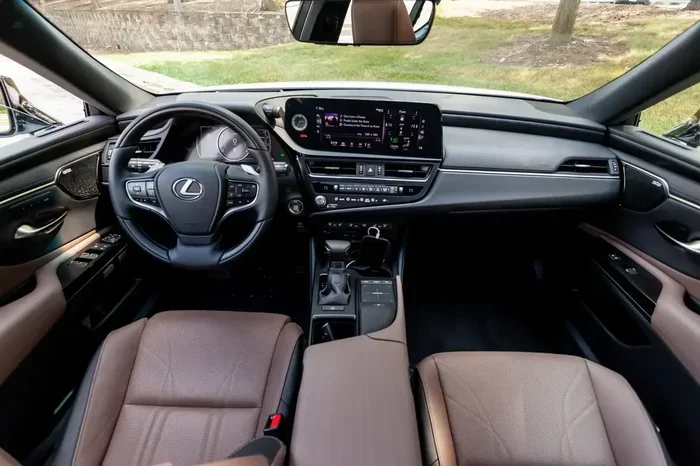
Buyers pay close attention to the seats, carpet, and dashboard. If your seats are stained or worn, consider using seat covers or having them professionally cleaned. Are car seats easy to take out? In many vehicles, yes. Removing seats allows you to clean hidden areas and fix stains that would otherwise go unnoticed. This small effort can significantly boost the perceived value of your car.
Set the Right Price Strategy
Once you know your car’s value and have it looking its best, it is time to set the actual price. This is where many sellers make costly mistakes. A good strategy gets you closer to your goal without scaring buyers away.
Start Slightly Above Your Target Price
Most buyers expect to negotiate. If you list your car at exactly what you want to receive, you leave no room for haggling. Instead, add 5% to 10% above your target offer price. This gives both you and the buyer a comfortable space to meet in the middle.
For example, if you want to receive $12,000, list the car at $12,500 or $13,000. When a buyer offers $11,500, you can counter at $12,000 and still feel good about the deal.
Know When to Stand Firm and When to Compromise
Not every offer will be reasonable. Some buyers will lowball you by 20% or more. You do not have to accept every offer. At the same time, being flexible on smaller details like the car warranty period or a minor repair can close the deal faster.
Here are some tips for navigating negotiations:
- Know your bottom line: Decide the lowest price you will accept before the first conversation.
- Let the buyer make the first offer: This gives you leverage and insight into their expectations.
- Highlight your car’s strengths: Mention recent maintenance, new tires, or a clean vehicle history report.
- Stay calm and polite: A friendly attitude builds trust and makes buyers more willing to meet your price.
Price for Speed Versus Price for Maximum Profit
There is always a trade-off between selling fast and getting the highest price. If you need to sell quickly, set a competitive price slightly below market value. This attracts more buyers and creates a sense of urgency. If you have time and want to maximize profit, price at the higher end of the market value range and wait for the right buyer.
Think about your personal situation. Do you need the money for a new car? Are you trying to get rid of a vehicle before moving? Your timeline should influence your pricing strategy.
Avoid Common Pricing Mistakes
Even experienced sellers sometimes make errors that cost them money. Being aware of these mistakes helps you avoid them and stay on track.
Overpricing Your Car
This is the most common mistake. Sellers often overvalue their car because of emotional attachment or memories. A car that sits on the market for too long starts to look desperate. Buyers notice this and use it as leverage to drive the price down. In the end, an overpriced car often sells for less than it would have if priced correctly from the start.
Ignoring the Car’s Mileage
Mileage is one of the biggest factors in car depreciation. A car with 150,000 miles will sell for less than one with 80,000 miles, even if they are the same model and year. Be honest about mileage. Buyers will check the odometer during a test drive, and any discrepancy destroys trust.
Neglecting Maintenance Records
Buyers want proof that the car was well maintained. If you have car maintenance records, gather them and include them in your listing. Records of oil changes, tire rotations, brake jobs, and inspections give buyers confidence. They are willing to pay more for a car with a documented service history.
Failing to Adjust for Seasonal Demand
Car demand shifts with the seasons. Convertibles sell better in spring and summer. Four-wheel-drive trucks and SUVs sell better in winter and after storms. Selling a convertible in January in Minnesota is not ideal. Timing your sale to match seasonal demand can boost your price and shorten the time on the market.
Get Professional Help When Needed
Not every car sale is straightforward. If your vehicle is high-value, rare, or has unique features, you may benefit from professional assistance.
When to Get a Car Appraisal
A professional car appraisal gives you an accurate, documented value. This is especially useful for classic cars, luxury vehicles, or cars with unusual options. An appraisal costs a small fee but can prevent you from undervaluing or overvaluing your car.
You might also consider an appraisal if you are going through a divorce, settling an estate, or dealing with insurance claims. These situations require a precise vehicle value that online tools cannot always provide.
Use a Vehicle History Report
A vehicle history report from services like Carfax or AutoCheck adds credibility to your listing. It shows accident history, ownership changes, service records, and title status. Buyers trust sellers who provide this information upfront. It also prevents surprises during the sale process.
Final Tips to Maximize Your Sale Price
Here are some expert-backed tips that separate a good sale from a great one:
- Take high-quality photos: Natural lighting, clean backgrounds, and shots from multiple angles attract more buyers.
- Write a detailed description: Highlight features, maintenance, and any recent upgrades or repairs.
- List on multiple platforms: Use Craigslist, Facebook Marketplace, Autotrader, and local car selling groups.
- Respond quickly to inquiries: Fast responses show professionalism and keep buyers engaged.
- Be transparent about flaws: Honesty builds trust and prevents deals from falling apart at the last minute.
- Meet in a safe, public location: Choose a well-lit parking lot or a local coffee shop for test drives and transactions.
Remember that pricing your car to sell is not just about the number on the sticker. It is about presenting your car in the best possible light, understanding what buyers in your area are willing to pay, and being willing to have a reasonable conversation. The right balance of confidence and flexibility leads to a successful sale.
Take the time to research, prepare, and price thoughtfully. You will not only sell your car faster but also protect your hard-earned money. A well-priced car attracts serious buyers, generates competitive offers, and turns the selling process into a positive experience for everyone involved.
Now that you have the tools and knowledge to set the right price, you are ready to list your car with confidence. Go ahead, apply these strategies, and watch your car find its next owner at a price you can be proud of.
Frequently Asked Questions
How do I know if my car is worth selling or trading in?
Compare the trade-in value from online tools with the private party value. If the difference is significant and you have the time and ability to sell privately, a private party sale usually nets you more money. However, if convenience is your priority, trading in at a dealer is perfectly fine.
What is the best time of year to sell a car?
Spring and early summer are generally the best times to sell. Buyers are more active, and weather conditions make it easier to showcase the car. However, timing also depends on your specific vehicle type and local market conditions.
Should I include a warranty when selling my car?
Offering a short warranty, even 30 days, can make your listing more attractive. It shows confidence in the car’s condition and gives buyers peace of mind. This small gesture can justify a slightly higher asking price.
How does mileage affect my car’s selling price?
Mileage is one of the top factors buyers consider. Lower mileage generally means a higher price. However, a well-maintained car with higher mileage can still command a good price if it has documented service records and no major issues.
Can I sell my car if I still owe money on it?
Yes, but the process is slightly more complex. You need to pay off the remaining loan balance before transferring the title. Some buyers and dealers can facilitate a payoff as part of the transaction. Make sure to check with your lender for the exact payoff amount before listing.
What should I do if my car won’t sell at my asking price?
If your car has been listed for more than three to four weeks without interest, consider lowering the price by 5% to 10%. Re-evaluate your photos and description as well. Sometimes a fresh listing with updated information and better photos can reignite buyer interest.
=== CONCLUSION ===
Pricing your car to sell without losing money comes down to preparation, research, and strategy. Start by understanding your car’s market value through reliable tools and local comparable listings. Invest time in cleaning and presenting your vehicle in the best possible condition. Set a listing price that leaves room for negotiation while still protecting your profit. Avoid common mistakes like overpricing, ignoring maintenance records, and failing to account for seasonal demand.
The effort you put into pricing correctly pays off in a faster sale, better offers, and a smoother transaction. Whether you are selling a daily commuter or a cherished vehicle, the principles remain the same. Know your numbers, present your car honestly, and negotiate with confidence. With the right approach, you can sell your car at a fair price and move forward without regrets.