How Long Does a Subaru Battery Last and What Affects It
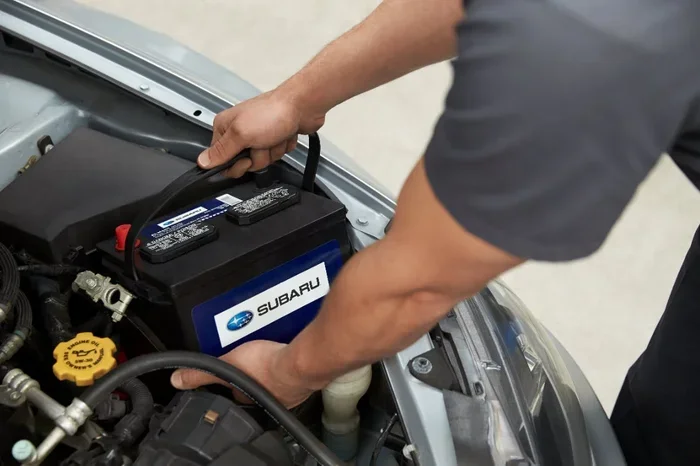
A Subaru battery typically lasts between 3 and 5 years, but driving habits, climate, and maintenance play a huge role in how long it actually performs. Cold weather, short trips, and old age are the biggest enemies of battery health. Regular testing and proper care can push your battery life closer to the upper end of that range. Knowing the warning signs early saves you from unexpected breakdowns and costly car battery replacement.
Key Takeaways
- Average lifespan: Most Subaru batteries last 3 to 5 years under normal conditions.
- Climate matters: Extreme heat and cold both shorten battery life significantly.
- Driving habits count: Short trips and infrequent use drain battery charge faster.
- Warning signs: Slow cranking, dim lights, and the battery warning light are red flags.
- Maintenance helps: Cleaning terminals and testing voltage regularly extends battery lifespan.
- Replacement timing: Replace your battery every 3 to 5 years even if it still works.
- Battery type: AGM batteries last longer but cost more than standard lead-acid options.
📑 Table of Contents
How Long Does a Subaru Battery Last on Average
If you own a Subaru, you probably wonder about your Subaru battery life at some point. The honest answer is that most Subaru batteries last between 3 and 5 years. But that range is not set in stone. Several factors push some batteries to die after two years while others keep running strong past the five-year mark.
The average car owner drives their Subaru about 12,000 to 15,000 miles per year. Over that time, the battery goes through thousands of charge and discharge cycles. Each cycle slowly wears down the internal plates and chemical components. After enough cycles, the battery simply cannot hold a full charge anymore.
Your driving style matters a lot here. If you take long highway trips, the alternator keeps the battery topped off. But if you only drive short distances around town, the battery never fully recharges. This partial charging cycle is one of the fastest ways to kill battery health.
Temperature plays a huge role too. Batteries in cold northern states tend to fail faster than those in warmer climates. Heat causes fluid evaporation and accelerates internal corrosion. Cold temperatures reduce the battery’s ability to deliver power when you need it most.
So when someone asks how long a Subaru battery lasts, the real answer depends on your specific situation. Let us break down exactly what affects battery lifespan so you can get the most out of yours.
What the Manufacturer Says
Subaru does not officially guarantee a specific number of years for battery life. Most Subaru models come equipped with a standard lead-acid battery from the factory. The original battery is typically rated for 3 to 5 years of service. Some newer Subaru models with start-stop technology use more advanced battery types that can last longer.
Your owner manual is the best place to check for battery specifications. It will tell you the recommended battery type and group size for your specific model. Whether you drive a Subaru Outback, Subaru Forester, or Subaru Legacy, the battery fundamentals remain similar.
How Old Is Your Current Battery?
If your Subaru is more than three years old, you should start paying closer attention to battery health. After the three-year mark, the battery begins to weaken gradually. You might not notice at first, but the capacity drops slowly over time. By year four or five, many batteries are struggling to hold a full charge.
A simple battery test at any auto parts store can tell you the current condition. Most stores offer free battery testing. They check the voltage, cold cranking amps, and overall health of the battery. This test takes about two minutes and gives you a clear picture of where you stand.
What Affects Subaru Battery Life
Many things influence how long your Subaru battery lasts. Some factors you can control, and others you cannot. Understanding these factors helps you make smarter decisions about maintenance and replacement.
Climate and Temperature
Extreme temperatures are the number one killer of car batteries. High heat causes the battery fluid to evaporate faster. This damages the internal plates and accelerates corrosion on the battery terminals. In hot climates like Arizona or Texas, batteries often die after just two or three years.
Cold weather is not much better. Low temperatures thicken the engine oil, making the starter work harder. The battery must deliver more power to turn over a cold engine. At the same time, cold reduces the battery’s overall capacity. A battery that is 80 percent charged in summer might only deliver 40 percent of its power at freezing temperatures.
If you live in an area with harsh winters, a battery blanket or insulated wrap can help. These accessories keep the battery warm during cold nights and improve starting performance.
Driving Habits and Frequency
How and how often you drive directly impacts battery health. Short trips under 10 minutes are especially hard on batteries. The alternator needs time to recharge the battery after a start. On short trips, the battery never gets fully recharged, so it slowly loses capacity over time.
If you only drive your Subaru on weekends or occasionally, the battery may drain completely over time. A fully discharged battery can suffer permanent damage within just a few days. The lead-acid cells begin to sulfate, which reduces the overall battery lifespan.
People who drive long distances regularly tend to have healthier batteries. The extended driving time allows the alternator to fully recharge the battery and keep it in good condition.
Electrical Load and Accessories
Modern Subarus come packed with electronics. Navigation systems, heated seats, premium audio, and LED lighting all draw power. When the engine is off, these accessories run directly on battery power. Leaving them on for extended periods causes significant battery drain.
Aftermarket accessories like dash cameras, phone chargers, and LED light bars add extra electrical load. If you have installed any of these, your battery works harder than a stock Subaru. Over time, this extra demand can shorten battery life.
Even something as simple as leaving the interior lights on overnight can drain a battery. Modern vehicles have systems that automatically turn off lights, but older models may not. Always double-check that all accessories are off before walking away from your car.
Battery Age and Maintenance
Time is the most inevitable factor. Even if you drive your Subaru every day on long trips, the battery ages. The chemical reactions inside the battery slowly degrade the components. There is no way to stop this process entirely.
Regular maintenance can slow it down. Cleaning the battery terminals prevents corrosion buildup. Corrosion creates resistance between the battery cables and the terminals, reducing the flow of electricity. A simple cleaning with a baking soda solution and a wire brush goes a long way.
Checking the battery fluid level is also important for non-sealed batteries. If the electrolyte level drops below the plates, the exposed plates dry out and become damaged. Most modern batteries are sealed and maintenance-free, but it is still worth checking the overall condition during oil changes.
Alternator Health
The alternator charges the battery while the engine runs. If the alternator is failing, it does not deliver a full charge to the battery. This causes the battery to run low over time, even on longer drives. A weak alternator can make a perfectly good battery appear dead.
Common alternator warning signs include dimming headlights, a battery warning light on the dashboard, and unusual whining noises from the engine bay. If you notice any of these, get the alternator checked right away. Replacing a failing alternator early prevents unnecessary battery damage.
Signs Your Subaru Battery Is Failing
Batteries rarely die without warning. Your Subaru gives you several clues before a complete failure. Recognizing these signs early helps you avoid getting stranded.
Slow Engine Cranking
The most obvious sign of a weak battery is slow cranking when you turn the key. Instead of starting immediately, the engine turns over slowly and labors before catching. This happens because the battery cannot deliver enough power to the starter motor. If you notice this happening consistently, it is time to test the battery.
Battery Warning Light
The battery warning light on your dashboard looks like a rectangular box with a plus and minus sign. If this light comes on while driving, it indicates a charging system problem. It could be a failing alternator, loose battery cables, or a dead battery. Do not ignore this light. Pull over safely and check the situation.
Dimming Lights and Electronics
When the battery is weak, electrical components lose power. Headlights may dim when you idle or turn on the heater. The dashboard display might flicker. Power windows may operate slower than usual. These are all signs that the battery is not providing enough voltage to the electrical system.
Swollen or Bloated Battery Case
A healthy battery case should be firm and flat. If the case looks swollen or bloated, the battery is overheating internally. This usually happens due to overcharging or extreme heat exposure. A swollen battery is dangerous and should be replaced immediately. Do not attempt to use a battery with a damaged case.
Corrosion on Battery Terminals
White or bluish powdery buildup on the battery terminals is a sign of corrosion. Corrosion prevents the battery from charging properly and reduces the electrical connection. You can clean minor corrosion with a wire brush and a baking soda solution. But heavy corrosion often means the battery is nearing the end of its life.
Needing Frequent Jump Starts
If you find yourself needing a jump start more than once a month, the battery is clearly struggling. Occasional jump starts happen, but frequent jump-starts indicate a deeper problem. The battery may not hold a charge anymore, or the alternator might not be charging it properly.
How to Extend Your Subaru Battery Life
You cannot stop a battery from aging, but you can take steps to maximize its lifespan. Simple habits make a big difference over time.
Drive Longer Distances Regularly
The best thing you can do for your battery is take longer drives. A 30-minute highway drive allows the alternator to fully recharge the battery. Try to avoid relying only on short trips around the neighborhood. If you only drive short distances, consider using a battery maintainer or trickle charger when the car is parked.
Keep the Battery Clean
Regularly inspect the battery terminals for corrosion. Clean any buildup with a wire brush and a mixture of baking soda and water. After cleaning, apply a thin layer of petroleum jelly to the terminals. This prevents future corrosion and keeps the electrical connection strong.
Turn Off Accessories Before Shutting Off the Engine
Make it a habit to turn off all accessories before shutting down the engine. This includes the radio, heated seats, phone chargers, and interior lights. When you restart the car, the battery delivers a burst of power to the starter. Starting with a full electrical load puts extra strain on the battery.
Use a Battery Maintainer for Parked Vehicles
If you do not drive your Subaru regularly, a battery maintainer is a smart investment. This device connects to the battery and delivers a small, steady charge. It keeps the battery at full capacity without overcharging. Battery maintainers are inexpensive and can add months or even years to battery life.
Get Regular Battery Tests
Have your battery tested every oil change or at least twice a year. Most auto parts stores offer free testing. A quick check tells you the current voltage, cold cranking amps, and overall health. This proactive approach lets you replace the battery before it leaves you stranded.
Avoid Extreme Heat Exposure
Parking in a garage or shaded area protects the battery from extreme heat. If you live in a hot climate, heat shields or battery blankets can help regulate temperature. Keeping the battery cool slows down internal degradation and preserves battery health.
When to Replace Your Subaru Battery
Timing your battery replacement correctly saves money and prevents inconvenience. You do not want to wait until the battery dies on a cold morning. Here is when you should consider a replacement.
If your battery is more than three years old, get it tested annually. After four years, even if the tests look okay, start shopping for a replacement. By year five, most batteries are on their way out regardless of how they perform. Replacing the battery before it fails keeps you safe and avoids unexpected situations.
Watch for the warning signs discussed earlier. If you experience slow cranking, dim lights, or frequent jump starts, do not wait. Replace the battery as soon as possible. Driving with a weak battery risks leaving you stranded and can damage the alternator and other electrical components.
Also consider replacing the battery if you have been through extreme weather. A severe cold snap or heat wave can push an aging battery over the edge. Even if the battery tested okay before the weather event, it may be weakened enough to fail soon.
When replacing your battery, make sure to choose the correct group size and cold cranking amps for your Subaru model. The owner manual lists the exact specifications. Using the wrong battery can cause poor performance and even damage the electrical system.
Subaru Battery Types Explained
Not all car batteries are the same. Understanding the different types helps you choose the right replacement when the time comes.
Standard Lead-Acid Batteries
Most Subarus come with a standard lead-acid battery from the factory. These batteries are affordable, widely available, and reliable. They typically last 3 to 5 years with proper care. Lead-acid batteries use a liquid electrolyte solution to create the electrical charge. They require no special maintenance but should be checked periodically for fluid levels and terminal corrosion.
AGM Batteries
Absorbent Glass Mat, or AGM batteries, are a more advanced option. They use a fiberglass mat to absorb the electrolyte, making them spill-proof and more durable. AGM batteries handle vibration better and last longer than standard lead-acid batteries. They typically last 4 to 6 years. The trade-off is a higher price point. AGM batteries cost about 50 to 100 percent more than standard batteries.
AGM batteries are ideal for Subarus with start-stop technology or heavy electrical loads. If you frequently drive in extreme temperatures, an AGM battery is a worthwhile investment. These batteries also handle the demands of modern electronics better than standard options.
Some drivers wonder whether battery technology affects fuel economy or performance during long drives. For example, if you are considering a hybrid vehicle, it is worth checking whether are hybrid cars good for long distance driving before making the switch, as hybrid battery systems work differently from traditional car batteries.
EFB Batteries
Enhanced Flooded Batteries, or EFB batteries, are a middle-ground option. They offer better cycling capability than standard lead-acid batteries but cost less than AGM batteries. EFB batteries are commonly found in vehicles with basic start-stop systems. They provide reliable performance and a longer lifespan than conventional batteries.
Choosing the Right Battery for Your Subaru
Always match the replacement battery to your Subaru model and year. The battery group size, terminal configuration, and cold cranking amps must meet factory specifications. Using an incompatible battery can cause starting problems and electrical issues. When in doubt, consult your owner manual or ask a Subaru dealer for the correct part number.
Battery weight is another factor worth considering. Heavier batteries sometimes indicate higher quality construction and more active material. If you are curious about how much a car battery weighs and why it matters, you can explore more about 000 lbs heavy for a car to understand how weight impacts vehicle performance and battery design.
Common Subaru Battery Myths
There are several myths about car batteries that can lead to poor decisions. Let us clear up a few of the most common ones.
Myth: A battery that starts the car is a good battery. Reality: A battery can start the car but still be weak. It may not hold a full charge or deliver enough power in cold weather. Always test the battery with a proper load tester.
Myth: You need to drive the car for hours to recharge a battery. Reality: A 30-minute drive on the highway is usually enough to recharge a healthy battery. Short drives are not enough, but long drives do the job.
Myth: All batteries are the same. Reality: Battery quality, construction, and technology vary widely. AGM batteries outperform standard lead-acid batteries in almost every category. Investing in a quality battery pays off in reliability and longevity.
Myth: A new battery means you never have to worry again. Reality: Even a new battery has a limited lifespan. Proper maintenance and good driving habits extend the life of any battery, new or old.
Understanding how the electrical system works in your Subaru also helps. For instance, the way a hybrid system switches between power sources can affect your overall electrical load. If you are curious about how hybrid vehicles manage this transition, you can read more about at what point does a hybrid switch to gas to understand the broader electrical dynamics.
Conclusion
A Subaru battery typically lasts between 3 and 5 years, but your individual experience depends on climate, driving habits, maintenance, and battery type. By understanding what affects battery health, you can take proactive steps to extend its life and avoid unexpected failures. Regular testing, clean terminals, and longer driving distances all contribute to a healthier battery.
Watch for the warning signs of a failing battery and replace it before it leaves you stranded. Choosing the right battery type for your Subaru model and driving conditions makes a significant difference. AGM batteries offer the best longevity, while standard lead-acid batteries provide reliable performance at a lower cost.
Take care of your Subaru battery, and it will take care of you. A little attention goes a long way toward reliable starts and worry-free driving for years to come.
Frequently Asked Questions
How do I know when my Subaru battery needs replacing?
Watch for slow engine cranking, dimming lights, the battery warning light on the dashboard, and frequent jump starts. These are clear signs that your battery is weakening and likely needs replacement soon.
Can a Subaru battery last 7 years?
It is possible but rare. Most Subaru batteries last 3 to 5 years. With ideal driving conditions, regular maintenance, and a quality AGM battery, some owners push past 5 years. But 7 years is uncommon and not something you should count on.
How much does a Subaru battery replacement cost?
A standard Subaru battery costs between 100 and 200 dollars for the part. Installation at a dealer or shop adds 50 to 100 dollars for labor. AGM batteries cost more, typically 200 to 350 dollars including installation.
Does cold weather kill Subaru batteries faster?
Yes, cold weather is tough on batteries. Low temperatures reduce the battery’s ability to deliver power and thicken engine oil, making the starter work harder. Batteries in cold climates often fail 1 to 2 years sooner than those in warmer regions.
Should I disconnect my Subaru battery if I do not drive it often?
Yes, disconnecting the battery prevents slow battery drain over time. If you do not drive your Subaru for weeks at a time, disconnect the negative terminal or use a battery maintainer to keep the charge level stable.
What is the difference between a standard battery and an AGM battery?
A standard lead-acid battery uses liquid electrolyte and costs less. An AGM battery uses a fiberglass mat to absorb the electrolyte, making it spill-proof, more durable, and longer-lasting. AGM batteries cost more but offer better performance and a longer battery lifespan.