When Daytime Running Lights Are On And Why They Matter
When daytime running lights are on, your vehicle is automatically illuminating the road to improve vehicle safety and daytime visibility for everyone on the road. These automatic lighting systems have become a standard safety feature in modern cars, helping prevent accidents and making accident prevention easier during daylight hours. Understanding when daytime running lights are on gives you confidence that your car lighting system is always working to protect you.
When daytime running lights are on, your vehicle is doing more than just lighting up the road. It is actively keeping you and everyone around you safer. These automatic lighting systems have become a standard safety feature in modern cars, trucks, and SUVs across the globe. Understanding when daytime running lights are on helps you appreciate how they improve daytime visibility during daylight hours. Whether you drive a new car or an older model, knowing how your car lighting system works can make a real difference every time you get behind the wheel.
Most drivers take their lights for granted. You turn the key, the car starts, and lights appear on the front of your vehicle. But how many of us actually think about what those lights are doing? When daytime running lights are on, they serve a very specific purpose. They are not the same as your headlights. They are not the same as your fog lights either. They are a dedicated safety feature designed to make your vehicle more visible to other drivers during the day. This simple yet effective technology has saved countless lives over the past few decades. Let us dive deep into everything you need to know.
Key Takeaways
- Automatic Activation: Daytime running lights turn on automatically when you start your engine, requiring no manual input from the driver.
- Enhanced Safety: DRLs significantly improve road visibility and help other drivers see your vehicle during daylight hours.
- Energy Efficient: Modern DRL systems use LED technology that consumes very little power and extends bulb life.
- Regulated Feature: Many countries have made daytime running lights mandatory on new vehicles due to proven safety benefits.
- Weather Adaptability: DRLs work especially well in weather conditions like fog, rain, and overcast skies when visibility drops.
- Easy Maintenance: DRL systems are low-maintenance but should be checked regularly to ensure they function properly.
- Smart Sensor Tech: Most vehicles use a light sensor to determine when automatic headlights and DRLs should activate.
📑 Table of Contents
What Are Daytime Running Lights?
Daytime running lights, commonly known as DRLs, are lighting fixtures on the front of your vehicle that automatically turn on when the engine is running. They are designed to increase the daytime visibility of your car, truck, or SUV to other road users. Unlike regular headlights, DRLs are not meant to help you see the road ahead. Instead, they help others see you. This distinction is important and often misunderstood by many drivers.
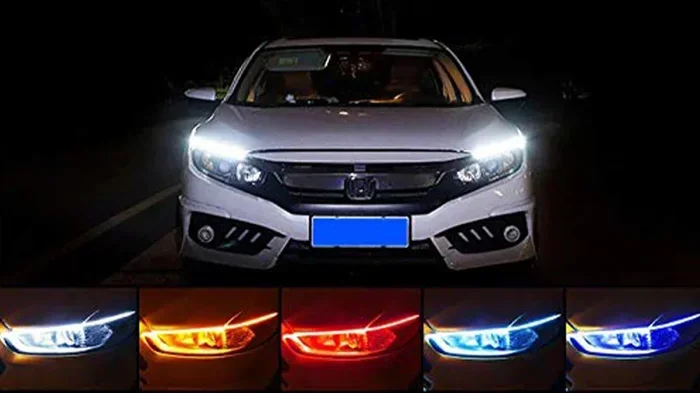
DRLs are typically mounted on the front bumper, grille, or headlight assembly. They emit a white or yellowish light that is bright enough to be seen during daylight but not so bright that they blind oncoming traffic. Over the years, daytime running lights have evolved from simple halogen bulbs to advanced LED systems. Today, most new vehicles come equipped with DRLs as a standard feature. This shift has been driven by vehicle regulations and growing awareness of their safety benefits.
How DRLs Differ From Regular Headlights
There is a common confusion between daytime running lights and regular headlights. Here is the key difference. Regular headlights are designed to help the driver see the road in dark or low-light conditions. Daytime running lights are designed to make the vehicle visible to other drivers during the day. They serve two completely different purposes. When daytime running lights are on, your headlights may still be off if there is enough natural light. This is perfectly normal and by design.
Another key difference is brightness. DRLs are dimmer than full headlights. They operate at a lower wattage to save energy and reduce glare. This makes them ideal for continuous use during the day without draining your battery or shortening bulb life. Regular headlights, on the other hand, are much brighter and are used when visibility drops, such as at night or in heavy rain.
The History of Daytime Running Lights
The concept of daytime running lights dates back to the 1970s. Scandinavian countries were among the first to adopt DRLs due to their long, dark winters. Studies from that era showed a significant reduction in daytime collisions when vehicles used running lights during daylight hours. By the 1990s, the European Union made DRLs mandatory on all new passenger vehicles. Canada followed suit in 1990, becoming the first North American country to require them. Today, more than 30 countries worldwide have vehicle regulations that mandate daytime running lights on new cars.
The United States has been slower to adopt mandatory DRL laws, but most manufacturers now include them as standard equipment on vehicles sold in the U.S. market. This is largely driven by consumer demand and the proven safety data supporting daytime visibility improvements. The trend is clear. DRLs are here to stay and will only become more advanced in the years ahead.
When Daytime Running Lights Are On
So, exactly when do daytime running lights turn on? The answer is simpler than you might think. In most modern vehicles, DRLs activate automatically the moment you start the engine. You do not need to flip any switch or turn any knob. As soon as your engine is running, the automatic DRL system kicks in and lights up the front of your vehicle. This is true whether you are parked in a driveway or cruising down the highway.
Some vehicles also use a light sensor to determine whether DRLs should be active. These sensors measure ambient light levels and automatically turn the lights on or off based on the surrounding brightness. In most cases, when daytime running lights are on, they remain active as long as the engine is running and the ambient light is above a certain threshold. Once you turn off the engine, the DRLs shut off automatically.
Automatic Activation Based on Engine Start
The most common way DRLs activate is through the engine start process. When you turn the key or press the start button, the car’s computer sends a signal to the DRL module. This module then powers up the lights. The entire process happens in seconds. You barely notice it, but your vehicle is now more visible to other drivers on the road.
This automatic activation is one of the biggest advantages of DRLs. You never have to remember to turn them on. They work whether you are running a quick errand or driving across the country. This hands-free operation makes vehicle safety effortless. Even if you forget to turn on your headlights at dusk, your DRLs may still be providing some level of visibility to other drivers.
Manual Override and Driver Controls
While most DRLs operate automatically, some vehicles allow drivers to control them manually. In certain cars, you can turn the DRLs off through a switch on the dashboard or steering column. However, this is not common in newer models. Most manufacturers recommend keeping DRLs on at all times while driving. Turning them off manually is generally only recommended in specific situations, such as when driving in heavy fog and you want to avoid light reflection.
If your vehicle has a manual DRL switch, it is important to understand how it works. Refer to your owner’s manual for specific instructions. Some drivers mistakenly turn off their DRLs and forget to turn them back on. This can reduce your road visibility and put you at greater risk. A good habit is to leave DRLs on and only override them when necessary.
When Daytime Running Lights Are On During Different Driving Conditions
When daytime running lights are on, they provide benefits in a wide range of driving conditions. Here are some common scenarios where DRLs make a noticeable difference.
- Sunny Days: Even in bright sunlight, DRLs help other drivers spot your vehicle from a distance. They stand out against the bright background and draw attention to your car’s presence on the road.
- Overcast and Cloudy Days: On gray, cloudy days, visibility drops significantly. DRLs become even more important during these conditions because the lack of contrast makes vehicles harder to see.
- Dawn and Dusk: The hours around sunrise and sunset are particularly dangerous for driving. Glare from the sun can blind other drivers, and DRLs help your vehicle stand out during these transitional light periods.
- Light Rain and Drizzle: Even light rain can reduce visibility and create glare from streetlights and sunlight. DRLs help maintain your presence on the road during these conditions.
- Heavy Fog: In dense fog, DRLs alone may not be enough. You should switch to low beam headlights and fog lights. However, DRLs still contribute to your overall visibility profile.
Quick Tip: If you live in an area with frequent fog or heavy rain, consider keeping your low beam headlights on in addition to your DRLs. This combination provides the best daytime visibility in challenging conditions.
How Daytime Running Lights Work Under the Hood
Understanding how DRLs work mechanically can help you appreciate the technology behind them. The system is simpler than most people think, yet it is highly effective. At its core, a DRL system consists of a few key components that work together to illuminate your vehicle during the day.
The Light Sensor and Control Module
Most modern DRL systems rely on a light sensor and a control module. The light sensor is usually mounted on the dashboard or near the windshield. It continuously measures the amount of ambient light outside the vehicle. When the sensor detects that it is daytime and the engine is running, it sends a signal to the control module. The module then powers the DRL bulbs. When light levels drop, such as at night or in a tunnel, the system may trigger the automatic headlights to turn on as well.
This sensor-based approach is smart and efficient. It ensures that DRLs are only active when they are needed. The system adapts to changing light conditions throughout the day without any input from the driver. This is a major advantage over older lighting systems that required manual operation.
LED vs. Halogen DRL Systems
Today’s DRLs come in two main types: LED and halogen. LED DRLs are the most common in modern vehicles. They offer several advantages over halogen systems. LEDs consume very little energy, which means they have minimal impact on fuel economy. They also last much longer, which means less frequent replacements and lower maintenance costs. The bulb life of an LED DRL can exceed 50,000 hours in many cases.
Halogen DRLs are older technology but still found in many vehicles. They are brighter than early LED systems but consume more power. Over time, halogen bulbs burn out more frequently and need replacement. If your older vehicle still has halogen DRLs, consider upgrading to an LED retrofit kit. The improvement in brightness and efficiency is significant, and the cost is usually quite affordable.
Expert Insight: According to automotive lighting specialists, LED DRLs are the future of vehicle lighting. They not only improve energy efficiency but also allow designers to create distinctive light signatures that make vehicles instantly recognizable on the road.
Why Daytime Running Lights Matter for Safety
The primary reason daytime running lights exist is safety. And the data backs this up. Multiple studies conducted over the past three decades have shown that vehicles equipped with DRLs are involved in fewer daytime collisions. The reason is straightforward. When other drivers can see you better, they can react faster. This leads to fewer accidents and safer roads for everyone.
Improved Visibility for Oncoming Traffic
One of the most important benefits of DRLs is improved visibility for oncoming traffic. When you are driving on a two-lane road, drivers approaching from the opposite direction need to see your vehicle clearly. DRLs make your car, truck, or SUV stand out against the background, whether that background is a bright sky, a forest, or a cityscape. This extra visibility gives oncoming drivers more time to judge distance and adjust their driving accordingly.
This is especially important at intersections. When a driver is about to pull out of a side road, having DRLs on your vehicle makes it much easier for them to notice you approaching. The safety feature works silently in the background, doing its job without requiring any effort from you.
Accident Prevention in Low-Light Conditions
While DRLs are designed for daytime use, they also play a role in accident prevention during low-light conditions. On overcast days, in heavy shadows, or in wooded areas where sunlight is blocked, visibility can drop to near-nighttime levels. In these situations, DRLs provide a critical visual cue to other drivers. They signal that a vehicle is present and moving, giving everyone more time to react.
Studies from countries with mandatory DRL laws show impressive results. Canada reported a 11% reduction in daytime multi-vehicle crashes after implementing its DRL mandate. Sweden saw similar improvements. These numbers make a strong case for the effectiveness of automatic lighting systems in reducing accidents on the road.
Common Mistake: Many drivers confuse DRLs with a sign that their headlights are on. Remember, DRLs only light the front of your vehicle during the day. They do not guarantee that your taillights are illuminated. Always check that your regular headlights are on when visibility drops significantly, such as at night or in heavy rain.
The Data Behind DRL Safety Benefits
The safety benefits of daytime running lights are well documented. Here is a summary of key findings from major studies:
- Canada (1990s Study): A 5.7% reduction in daytime multi-vehicle crashes involving passenger cars after DRL mandate.
- Sweden (1990s Study): A 7% reduction in daytime crashes for vehicles equipped with DRLs compared to those without.
- European Union (2000s Study): A measurable decrease in pedestrian accidents during daylight hours in countries with mandatory DRL laws.
- U.S. Studies: While the U.S. does not mandate DRLs, voluntary adoption by manufacturers has contributed to a steady decline in daytime accident rates over the past two decades.
The evidence is clear. When daytime running lights are on, vehicles are easier to see, reactions are faster, and accidents are fewer. This is a safety feature that benefits every road user, not just the driver of the equipped vehicle.
DRL Settings and Options Across Different Vehicles
Not all DRL systems are the same. Different vehicles offer different options for how daytime running lights operate. Understanding these options can help you get the most out of your vehicle’s lighting system.
Factory-Installed DRL Systems
Most new vehicles sold today come with factory-installed DRL systems. These systems are integrated into the vehicle’s electrical architecture and work seamlessly with the engine start process. They require no maintenance and operate automatically. When daytime running lights are on in a factory system, you will typically notice a slight dimming of the headlights if they are set to automatic mode. This is normal and ensures the DRLs do not overpower the low beam headlights during the day.
Factory DRL systems are designed to meet strict vehicle regulations for brightness and positioning. They are tested to ensure they provide adequate visibility without causing glare to other drivers. This makes them a reliable and hassle-free option for most drivers.
Aftermarket DRL Kits and Upgrades
If your older vehicle does not have factory DRLs, you can add them with an aftermarket kit. Aftermarket DRL kits are widely available and relatively easy to install. Most kits include LED strips or modules that mount to the front of the vehicle and connect to the existing electrical system. The installation process typically takes one to two hours and does not require professional help.
When shopping for an aftermarket DRL kit, look for these features. Choose kits with LED bulbs for better energy efficiency and longer bulb life. Make sure the kit includes a wiring harness that taps into your vehicle’s existing circuits. Opt for kits with a built-in light sensor for automatic activation. A good aftermarket DRL kit can significantly improve your vehicle’s daytime visibility and add value to your car.
Quick Tip: Before purchasing an aftermarket DRL kit, check your local laws. Some regions have specific regulations about the type, color, and placement of auxiliary lights on vehicles. Make sure your kit complies with all vehicle regulations in your area.
Troubleshooting Common DRL Issues
Like any electrical system in your vehicle, DRLs can sometimes experience problems. Most issues are minor and easy to fix. Understanding common DRL problems can save you time and money.
DRLs Not Turning On
If your DRLs are not turning on when the engine starts, there are a few things to check. First, verify that the DRL function is enabled in your vehicle settings. Some cars have a dashboard toggle that allows you to turn DRLs off. If the setting is correct, check the dashboard indicator. Most vehicles have a green or white light on the instrument cluster that illuminates when DRLs are active. If this light is not on, there may be an electrical issue.
Common causes for DRLs not working include a blown fuse, a faulty light sensor, or a malfunctioning control module. In most cases, a blown fuse is the easiest fix. Check your owner’s manual for the location of the DRL fuse. Replacing a fuse is a simple and inexpensive repair that you can often do yourself.
Dashboard Warning Lights
If your DRL warning light stays on after you start driving, it usually indicates a problem with the system. The warning light may look like a small sun or a lamp with horizontal lines. When you see this light, do not ignore it. It could mean a bulb has burned out, a sensor is malfunctioning, or there is a wiring issue.
Bring your vehicle to a trusted mechanic or dealership for diagnosis. Most DRL warning lights are caused by simple issues like a burned-out LED or a loose connection. Addressing the problem early ensures your automatic lighting system continues to work properly and keeps you safe on the road.
Common Mistake: Do not ignore a persistent DRL warning light. Even if your lights appear to be working, the warning indicates a potential issue that could worsen over time. Early diagnosis prevents more costly repairs down the road.
Conclusion
When daytime running lights are on, your vehicle is doing its part to keep the roads safer for everyone. These automatic lighting systems are one of the most important safety features in modern vehicles, yet many drivers take them for granted. From improving road visibility to preventing accidents in low-light conditions, DRLs play a vital role in vehicle safety every single day.
Understanding when daytime running lights are on and how they work empowers you as a driver. You can appreciate the technology, maintain your system properly, and make informed decisions about your vehicle’s lighting setup. Whether you drive a new car with factory-installed DRLs or an older model with an aftermarket kit, these lights are working hard to keep you visible and safe.
The data is clear. DRLs reduce daytime accidents. They improve daytime visibility in all weather conditions. They operate automatically, requiring no effort from the driver. As vehicle regulations continue to evolve and lighting technology advances, DRLs will only become more effective and more widespread. The next time you start your engine and see those lights come on, remember that they are there for a reason. They are there to protect you. Embrace the safety they provide and always keep your car lighting system in top condition.
Frequently Asked Questions
Do daytime running lights turn off automatically at night?
Yes, in most vehicles, when daytime running lights are on, they will automatically dim or turn off when the ambient light drops to a certain level. At that point, your automatic headlights or regular headlights will activate instead. The transition is seamless and controlled by the vehicle’s light sensor.
Can I leave my daytime running lights on all the time?
You already do. DRLs are designed to stay on whenever the engine is running during daylight hours. They are built for continuous use and consume very little energy. Modern LED DRLs have a long bulb life and do not cause any strain on your vehicle’s electrical system.
Are daytime running lights the same as low beam headlights?
No, they are not the same. DRLs are dimmer than low beam headlights and are designed only to make your vehicle visible to others. Low beam headlights are brighter and are meant to help you see the road ahead. When daytime running lights are on, your low beam headlights may still be off unless the light sensor triggers them.
Do daytime running lights drain the car battery?
No, DRLs use very little power, especially modern LED systems. The energy efficiency of LED DRLs means they have a negligible impact on your battery and fuel economy. Even halogen DRLs draw very little power compared to full headlights.
Is it legal to install aftermarket daytime running lights?
In most regions, yes. However, you should check your local vehicle regulations before installing aftermarket DRLs. Make sure the kit meets brightness and color requirements. Improperly installed DRLs can cause glare and may result in fines or failed inspections.
Why are my daytime running lights flickering?
Flickering DRLs are usually caused by a loose connection, a failing bulb, or a problem with the control module. If you notice your DRLs flickering, have the system inspected as soon as possible. A simple wiring fix or bulb replacement is often all it takes to resolve the issue and restore proper road visibility.