Are 1999 4Runners Reliable Find Out Why Owners Love Them
Are 1999 4Runners reliable? Yes, and they have a reputation for lasting well over 200,000 miles with proper care. The 1999 Toyota 4Runner remains one of the most trusted rugged SUVs thanks to its durable body-on-frame design, strong 3.4-liter V6 engine, and proven off-road capability. Owners love the simplicity, low maintenance costs, and outstanding resale value that this classic SUV delivers.
When it comes to rugged SUVs that stand the test of time, the 1999 Toyota 4Runner tops many lists. But the real question is simple: are 1999 4Runners reliable? The short answer is a strong yes. These trucks have earned a loyal following over the years, and for good reason. They were built tough, they run forever, and they only get better with age.
If you are considering buying a used 1999 4Runner, you are making a smart move. This generation of the 4Runner is known for its simplicity, durability, and honest performance. There are no fancy electronics to fail. No complex systems to worry about. Just a straightforward, dependable SUV that gets the job done. Let us dive into exactly why owners love the 1999 4Runner and what you need to know before buying one.
The 1999 Toyota 4Runner belongs to the third generation of this iconic SUV. It was produced from 1996 to 2002, and the 1999 model sits right in the middle of that range. Toyota designed it as a body-on-frame SUV, which means the body is mounted to a separate ladder frame. This design choice is the main reason these trucks are so incredibly strong and long-lasting. Modern hybrids may get all the attention, but there is something timeless about a well-built body-on-frame truck like the 4Runner.
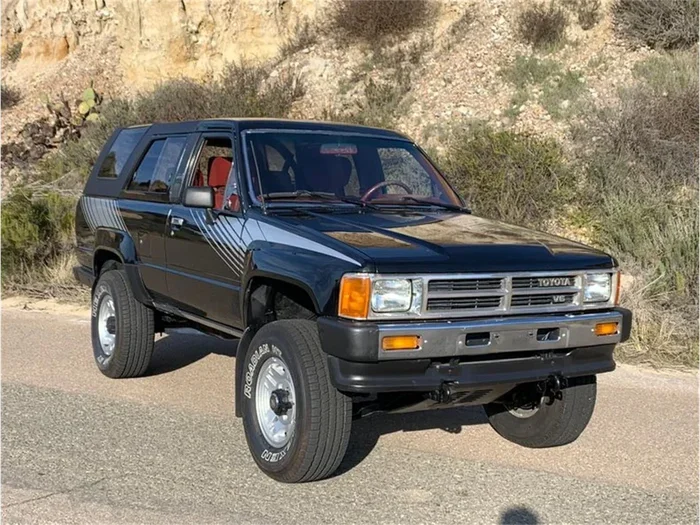
Toyota built the 1999 4Runner for people who needed a vehicle that could handle anything. Whether you were commuting to work on Monday or tackling a muddy trail on Saturday, this SUV delivered. It came with a powerful 3.4-liter V6 engine, solid rear axle, and available four-wheel drive. The interior was basic but functional. And the exterior? It has a boxy, rugged look that only gets better with age. Are 1999 4Runners reliable? Absolutely, and here is everything you need to know.
Key Takeaways
- Proven Reliability: The 1999 4Runner has a strong track record of lasting 200,000+ miles with basic maintenance.
- Durable Build: Body-on-frame construction and solid axles make it one of the toughest SUVs on the road.
- Affordable Maintenance: Parts are widely available and repairs are straightforward, keeping costs low.
- Strong Engine: The 3.4-liter V6 provides ample power for both daily driving and off-road adventures.
- Great Resale Value: These older models hold their value remarkably well in the used SUV market.
- Family-Friendly: With removable seats and good cargo space, the 4Runner works for daily life and weekend trips alike. Learn more about car seat removal if you plan to use yours for family hauling.
- Off-Road Champion: The solid design makes it a favorite for trail driving and outdoor adventures.
📑 Table of Contents
What Makes the 1999 Toyota 4Runner Special
A Quick Look at the 1999 4Runner
The 1999 4Runner came in several trim levels. The base model was the SR5, and the top trim was the Limited. Both shared the same strong mechanical foundation. The SR5 focused on function, while the Limited added comfort features like leather seats and upgraded sound systems. No matter which trim you chose, you got the same reliable Toyota engineering underneath.
The 4Runner of this era was not about luxury. It was about capability. Toyota designed it for people who actually used their vehicles. Farmers, outdoors enthusiasts, and families who needed a dependable hauler all gravitated toward the 4Runner. If you plan long road trips, the 1999 4Runner handles highway cruising with ease, thanks to its stable chassis and comfortable seating position.
The 1999 model year brought some minor updates over the 1998 version. Toyota refined the suspension and improved the interior slightly. But the core of the truck remained the same, and that is exactly what owners love about it. When something works well, you do not fix it. The 1999 4Runner proved that philosophy year after year.
Key Specs and Features
Here is a quick look at what the 1999 4Runner offered:
- Engine: 3.4-liter V6 producing 190 horsepower and 220 lb-ft of torque
- Transmission: 5-speed manual or 4-speed automatic
- Drivetrain: Rear-wheel drive or part-time four-wheel drive
- Fuel Tank: 22 gallons
- Towing Capacity: Up to 4,000 pounds
- Ground Clearance: Approximately 8.6 inches
- Seating: Five passengers with removable rear seats
These numbers tell you everything you need to know. The 1999 4Runner was built to work. It could tow a trailer, carry gear, and handle rough terrain without breaking a sweat. The removable rear seats also made it incredibly versatile for hauling cargo or accommodating larger items. Removing seats is easy in many SUVs, but the 4Runner made it even simpler with its practical design.
Engine and Performance Details
The 3.4-Liter V6 Engine
The heart of the 1999 4Runner is its 3.4-liter V6 engine. Toyota calls this the 5VZ-FE engine, and it has a reputation for being one of the most durable engines ever produced. The engine uses a cast iron block and aluminum heads, which gives it a great balance of strength and weight.
With 190 horsepower and 220 lb-ft of torque, the 1999 4Runner has more than enough power for daily driving and moderate off-roading. The engine pulls strongly from low RPMs, which makes it feel responsive even when loaded down with gear or passengers. Are 1999 4Runners reliable when it comes to the engine? Owners consistently report that these engines easily reach 250,000 miles or more with basic maintenance.
The 5VZ-FE engine is also known for being simple to work on. There are no turbochargers, no direct injection systems, and no complex variable valve timing mechanisms. Just a straightforward, naturally aspirated V6 that Toyota engineered to last. Mechanics love working on these engines because they are so accessible and predictable.
One thing to keep in mind is that the 1999 4Runner is not a fuel-sipper. You can expect around 16 to 19 miles per gallon in mixed driving. The city numbers tend to be lower, around 15 to 16 MPG, while highway driving can push close to 20 MPG. For a truck of this size and capability, that is reasonable. Driving with proper lighting and maintaining a steady speed on highways can help you get the best fuel economy from your 4Runner.
Transmission and Drivetrain Options
The 1999 4Runner offered two transmission choices: a 5-speed manual and a 4-speed automatic. The manual transmission is a favorite among enthusiasts because it gives the driver more control. It also tends to be simpler and less expensive to maintain over time.
The automatic transmission, the A750F, is also well-regarded. It is a robust unit that handles the torque from the V6 engine without issue. Some owners report that the automatic shifts can feel a bit slow by modern standards. But for a truck built in 1999, the shifting is perfectly acceptable.
The part-time four-wheel drive system is another highlight. It uses a transfer case that allows you to switch between two-wheel drive and four-wheel drive. This is ideal for highway driving when you do not need four-wheel traction, and then engaging 4WD when the trail gets tough. The system is not full-time, which means you should not drive in 4WD on dry pavement. But for off-road use, it works brilliantly.
Reliability Factors That Owners Love
Body-on-Frame Durability
The body-on-frame design is the biggest reason 1999 4Runner reliability is so impressive. Unlike unibody SUVs that rely on the outer skin for structural strength, the 4Runner has a separate steel ladder frame. This frame is incredibly strong and resistant to flex and fatigue.
Body-on-frame construction means the 4Runner can handle heavy loads, rough terrain, and years of hard use without the structural issues that plague some unibody vehicles. The frame does not rust easily either, especially if you keep up with undercoating and maintenance. Many 1999 4Runners on the road today still have their original frames in solid condition.
This design also makes the truck easier and cheaper to repair. If the body gets damaged, it can often be repaired without affecting the structural frame. Compare that to a unibody vehicle where a bad accident can compromise the entire structure. The 4Runner’s design philosophy is built to endure.
Common Mechanical Strengths
When owners talk about 1999 4Runner reliability, several mechanical strengths come up again and again:
- Engine longevity: The 5VZ-FE V6 routinely lasts 250,000 to 300,000 miles
- Simple electronics: Fewer computers and sensors mean fewer things to break
- Solid axles: The front and rear solid axles are tough and easy to maintain
- Reliable cooling system: The engine does not overheat easily, even in hot climates
- Durable transmission: Both the manual and automatic transmissions are known for lasting a long time
- Steering box: The recirculating ball steering box is simple and lasts for years
These strengths add up to a vehicle that requires less frequent repairs and fewer expensive trips to the mechanic. When something does need fixing, the repairs are usually straightforward and affordable. That is a huge part of why the 1999 4Runner has such a strong reputation for long-term reliability.
Known Weaknesses to Watch For
No vehicle is perfect, and the 1999 4Runner has a few known issues that potential buyers should be aware of:
- Rust on the rear wheel wells: This is the most common issue. Check the rear fenders carefully for rust, especially in northern states where road salt is used.
- Oil consumption: Some 1999 4Runners burn a small amount of oil. Check the level regularly.
- Worn ball joints: These can wear out after 100,000 miles and need replacement.
- Cracked dashboard: The plastic dashboard can crack over time due to UV exposure and age.
- Automatic transmission slip: On higher-mileage automatics, you may notice slight slipping between gears.
Most of these issues are manageable and affordable to fix. A pre-purchase inspection from a trusted mechanic can catch most problems before they become expensive surprises. The key is to buy a well-maintained example and stay on top of routine service.
Maintenance and Ownership Costs
Routine Maintenance Schedule
Keeping a 1999 4Runner running strong is straightforward. The maintenance schedule is simple and does not require expensive dealer visits. Here is what you need to stay on top of:
- Oil changes: Every 3,000 to 5,000 miles with conventional oil
- Tire rotations: Every 5,000 to 7,500 miles
- Brake inspections: Every 15,000 miles or when you notice wear
- Transmission fluid: Change every 60,000 miles
- Coolant flush: Every 50,000 miles
- Spark plugs: Replace every 60,000 miles
- Transfer case fluid: Change every 30,000 miles if using 4WD regularly
Sticking to this schedule will keep your 1999 4Runner running smoothly for many years. The maintenance costs are reasonable, especially compared to modern vehicles with complex systems. Parts are widely available and affordable since the 4Runner has been in production for decades.
Common Repairs and Costs
Here are some common repairs and their approximate costs for a 1999 4Runner:
- Ball joint replacement: $200 to $400 per joint
- Brake pad and rotor replacement: $250 to $400 per axle
- Timing chain replacement: $500 to $800
- Exhaust manifold gasket: $150 to $300
- Radiator replacement: $300 to $500
These are all very manageable costs for a vehicle that can last well beyond 200,000 miles. The simplicity of the 1999 4Runner means that many repairs can be done at home with basic tools and a weekend of free time. That is a huge advantage for budget-conscious owners.
Off-Road and Daily Driving Performance
Off-Road Capability
The 1999 4Runner is a genuine off-road machine. With its solid axles, good ground clearance, and part-time four-wheel drive, it can handle trails that would leave many modern SUVs stuck. Toyota designed this generation of the 4Runner with serious off-road capability in mind.
The 4Runner came with features like locking differentials, skid plates, and good approach and departure angles. The suspension travel is generous enough to absorb rocks, ruts, and uneven terrain. Many owners use their 1999 4Runners for overlanding, rock crawling, and backcountry camping trips.
One of the best things about the 1999 4Runner is how forgiving it is. Even if you are not an experienced off-roader, the truck will handle most trails with confidence. The low-range gearing in the transfer case gives you plenty of torque at slow speeds, which is exactly what you need when climbing over obstacles or navigating steep trails.
On-Road Comfort and Practicality
Despite its rugged credentials, the 1999 4Runner is surprisingly comfortable on the highway. The ride is firm but not harsh. The seats are supportive, and the driving position gives you a great view of the road ahead. The noise level is higher than modern SUVs, but that is part of the old-school truck charm.
The 4Runner also works well as a daily driver. The cargo area is spacious, and the removable rear seats make it easy to switch between passenger and cargo modes. Need to haul furniture? Remove the seats. Need to seat five people for a road trip? Put them back in. The versatility is one of the reasons the 4Runner has remained popular for so many years.
For families, the 1999 4Runner offers enough space and safety features to be a practical daily driver. It is not the most fuel-efficient option, but the reliability and capability it offers more than make up for it. If you are looking for a vehicle that can handle both your daily commute and your weekend adventures, the 1999 4Runner delivers on both fronts.
Owner Reviews and Real-World Feedback
What Owners Say About Long-Term Ownership
Owner reviews consistently praise the 1999 4Runner for its durability and simplicity. Many owners report crossing the 200,000-mile mark without major mechanical issues. The most common complaints involve cosmetic wear, such as cracked dashboards and rust on the rear wheel wells. But even with these issues, owners say the truck keeps running strong.
Here is what real owners are saying:
- “I have over 230,000 miles on my 1999 4Runner. It has never let me down.”
- “The simplicity of this truck is its greatest strength. There is nothing complicated to break.”
- “I use it for work and weekend trips. It handles both perfectly.”
- “The only thing I have replaced regularly is brakes and tires. Everything else is original.”
These reviews paint a clear picture of a vehicle that is built to last. The 1999 4Runner does not need constant attention or expensive repairs. It just keeps running, mile after mile, year after year.
Is the 1999 4Runner Worth Buying Today?
If you are shopping for a used SUV and considering a 1999 4Runner, the answer depends on what you value. If you want a reliable, capable, and simple truck that will serve you well for years, the 1999 4Runner is an excellent choice. Prices for these models have been rising as more people discover their durability and capability.
Expect to pay between $5,000 and $15,000 depending on the condition, mileage, and trim level. Well-maintained examples with clean frames and good engines command higher prices, and they are worth every penny. A solid 1999 4Runner can easily last another 100,000 miles or more with proper care.
Before buying any used vehicle, always get a pre-purchase inspection. Have a mechanic check the frame for rust, test the engine and transmission, and inspect the suspension components. A thorough inspection will give you confidence in your purchase and help you avoid any hidden problems.
Conclusion
So, are 1999 4Runners reliable? The evidence is overwhelming: yes, they are. The 1999 Toyota 4Runner stands as one of the most dependable SUVs ever built. Its body-on-frame construction, durable 3.4-liter V6 engine, and simple mechanical design combine to create a vehicle that can last for hundreds of thousands of miles.
Owners love the 4Runner because it delivers where it counts. It is strong, capable, affordable to maintain, and easy to work on. Whether you need a daily driver, a weekend adventure vehicle, or a dependable work truck, the 1999 4Runner rises to the occasion. The growing prices on the used market reflect what owners already know: these trucks are worth their weight in gold.
If you are in the market for a used SUV that will not let you down, the 1999 Toyota 4Runner should be at the top of your list. It is a timeless machine that proves you do not need modern technology to have modern reliability. Find a well-maintained example, stay current with basic maintenance, and your 1999 4Runner will reward you with years of dependable service.
Frequently Asked Questions
What is the lifespan of a 1999 Toyota 4Runner?
With proper maintenance, a 1999 4Runner can easily last 250,000 to 300,000 miles or more. Many owners report crossing the 200,000-mile mark without any major engine or transmission issues. The key is staying consistent with oil changes, fluid replacements, and routine inspections.
Is the 1999 4Runner a good daily driver?
Yes, the 1999 4Runner works well as a daily driver for those who appreciate simplicity and durability. The ride is comfortable enough for commuting, and the truck handles all kinds of weather and road conditions with confidence. Just be prepared for slightly higher fuel costs compared to smaller vehicles.
What engine does the 1999 4Runner have?
The 1999 4Runner comes with a 3.4-liter V6 engine known as the 5VZ-FE. It produces 190 horsepower and 220 lb-ft of torque. This engine is naturally aspirated and uses a cast iron block with aluminum heads, making it one of the most durable Toyota engines ever produced.
Does the 1999 4Runner have any common problems?
The most common issues include rust on the rear wheel wells, occasional oil consumption, worn ball joints, and cracked dashboards. These are all manageable and affordable to fix. A thorough inspection before purchase can identify any existing problems and give you a clear picture of what to expect.
How much does it cost to maintain a 1999 4Runner?
Maintenance costs are reasonable for a vehicle of this age and size. Routine services like oil changes, brake jobs, and tire replacements are affordable and straightforward. The simplicity of the design means fewer expensive repairs compared to modern vehicles with complex electronic systems.
Should I buy a manual or automatic 1999 4Runner?
It depends on your preference and driving habits. The manual transmission offers more driver control and is generally simpler and cheaper to maintain. The automatic is more convenient for daily driving and city traffic. Both transmissions are reliable and have a strong track record in the 4Runner.