Does Toyota Handle State Inspections for Your Vehicle
Toyota dealerships do not perform state vehicle inspections in most states. State inspections are handled by licensed inspection stations, not car manufacturers or dealerships. However, Toyota service centers can help prepare your vehicle and identify issues before you visit an official inspection station. Understanding this process saves time, money, and stress.
If you own a Toyota, you have probably wondered about state inspections at some point. Whether you just bought a new Camry or you have been driving your trusty RAV4 for years, staying compliant with your state’s vehicle inspection rules matters. It keeps you legal on the road and helps your car run safely.
But here is the big question many Toyota owners ask: does Toyota itself handle state inspections? The short answer is no. Toyota dealerships and service centers do not perform official state inspections. However, that does not mean Toyota has nothing to do with the process. Your local Toyota dealer can help you prepare, diagnose problems, and get your car inspection-ready.
In this article, we will walk through everything you need to know about Toyota and state inspections. We will cover what inspections involve, why Toyota dealerships do not perform them, how you can prepare your vehicle, and what common mistakes to avoid. By the end, you will feel confident and ready for your next inspection.
Let us dive in and make sense of this process once and for all.
Key Takeaways
- Toyota dealerships do not conduct state inspections: Inspections are performed by state-licensed stations, not manufacturer service centers.
- Toyota service centers help with preparation: They can diagnose and fix issues that might cause your vehicle to fail an inspection.
- State inspection requirements vary: Different states have different rules for emissions, safety, and hybrid vehicles.
- Pre-inspection checks save money: Using DIY car diagnostics tools before visiting a station can prevent costly re-inspection fees.
- Hybrid Toyota models have unique considerations: Understanding when hybrid vehicles switch to gas can help you pass inspection more easily.
- Common failures are preventable: Issues like worn brake pads, dirty air filters, and faulty lights are the top reasons vehicles fail.
- Knowing the process helps you stay compliant: Being informed keeps your Toyota road-legal and avoids penalties.
📑 Table of Contents
- What Are State Vehicle Inspections?
- Does Toyota Handle State Inspections?
- Types of State Inspections Your Toyota May Need
- How to Prepare Your Toyota for a State Inspection
- Common Toyota Inspection Failures and How to Avoid Them
- Quick Tips for a Stress-Free Inspection
- When to Visit a Toyota Dealer Before Your Inspection
- State Inspection Costs and What to Expect
- Final Thoughts on Toyota and State Inspections
What Are State Vehicle Inspections?
State vehicle inspections are mandatory checks that ensure your car meets safety and emissions standards set by your state government. These inspections exist to protect drivers, passengers, and the environment. Every state has its own rules about what needs to be checked and how often.
Most inspections fall into two main categories. The first is a safety inspection. This checks things like brakes, lights, tires, steering, and suspension. The second is an emissions test. This measures the pollutants your car releases into the air. Some states require both. Others only require one or the other.
The inspection process usually involves driving your car to a licensed inspection station. A trained technician will run a series of tests. If your car passes, you receive an inspection sticker or certificate. If it fails, you must fix the issues and return for a re-test. The whole process can take anywhere from 30 minutes to a couple of hours, depending on the state and the type of inspection.
Why Do States Require Vehicle Inspections?
States require inspections for a few key reasons. First, safety inspections help catch dangerous problems before they cause accidents. A car with bad brakes or broken headlights is a risk on the road. Second, emissions tests help reduce air pollution. Cars that release too many harmful gases contribute to smog and health problems. Third, inspections ensure that all vehicles on the road meet a minimum standard of roadworthiness.
Some states also use inspections to enforce environmental regulations. For example, California has some of the strictest emissions standards in the country. Other states have more relaxed requirements. It all depends on local laws and environmental goals.
Does Toyota Handle State Inspections?
This is the question most Toyota owners want answered. The answer is straightforward: Toyota does not perform state inspections. Car manufacturers like Toyota do not have the authority or the licensing to conduct official state inspections. That job belongs to state-certified inspection stations and authorized testing facilities.
Toyota dealerships are service centers. They sell cars, perform maintenance, and fix mechanical problems. But they do not issue inspection stickers or certificates. Only state-licensed inspectors at approved stations can do that.
What Toyota Dealerships Can Do
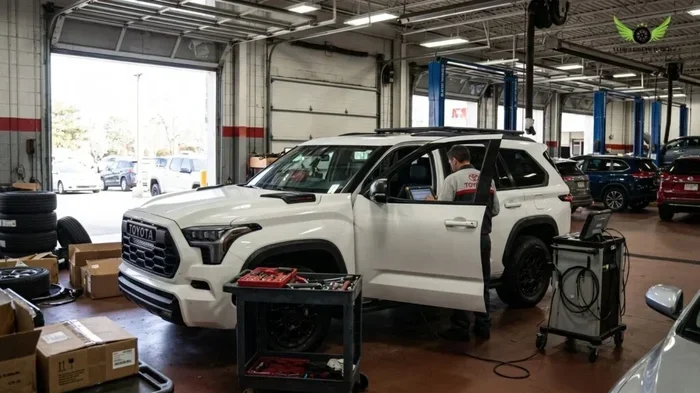
Even though Toyota dealerships cannot perform state inspections, they still play an important role. Here is what a Toyota service center can do for you before an inspection:
- Run diagnostic tests to identify any issues with your vehicle.
- Perform maintenance like oil changes, brake pad replacements, and tire rotations.
- Fix known problems that might cause your car to fail an inspection.
- Check your lights, wipers, and fluid levels to make sure everything is in order.
- Provide a pre-inspection assessment so you know what to expect.
Think of your Toyota dealer as your partner in the inspection process. They cannot stamp your inspection form, but they can make sure your car is in top shape before you show up at the official station.
What About Toyota Hybrid Models?
Hybrid Toyota models like the Prius and the RAV4 Hybrid have some unique considerations when it comes to inspections. Hybrid cars use both a gasoline engine and an electric motor. This dual system can sometimes confuse the inspection process, especially during emissions testing.
It helps to understand at what point does a hybrid switch to gas during operation. When your Toyota hybrid is idling or driving at low speeds, it often runs on electric power alone. The gasoline engine kicks in when you accelerate or when the battery charge drops. During an emissions test, the technician needs the gasoline engine to be running to get accurate readings. Understanding this switch can help you prepare properly.
Some states have special rules for hybrid vehicles. For instance, certain states exempt hybrids from emissions testing because they produce fewer pollutants. Other states treat them the same as gasoline-only cars. Always check your state’s specific rules for hybrid vehicles.
Types of State Inspections Your Toyota May Need
Not all states require the same type of inspection. The requirements depend on where you live, the age of your vehicle, and the type of fuel it uses. Here is a breakdown of the most common types of inspections you might encounter.
Safety Inspections
A safety inspection focuses on the mechanical and structural condition of your car. Inspectors check items like:
- Brake pads and rotors
- Headlights, taillights, and turn signals
- Tire tread depth and condition
- Windshield wipers and visibility
- Steering and suspension components
- Seat belts and airbags
- Horn and mirrors
Safety inspections are the most common type of vehicle inspection in the United States. Most states require them annually or every two years. A well-maintained Toyota should pass a safety inspection with flying colors, as long as you keep up with regular maintenance.
Emissions Inspections
Emissions inspections measure the pollutants your car releases. The technician will connect your vehicle to a diagnostic machine that reads the exhaust gases. Common pollutants tested include carbon monoxide, nitrogen oxides, and hydrocarbons.
Toyota vehicles are generally known for being clean-running. But over time, wear and tear can cause emissions levels to rise. Issues like a faulty catalytic converter, dirty fuel injectors, or a failing oxygen sensor can all lead to an emissions test failure.
Here are some tips to help your Toyota pass an emissions test:
- Keep up with regular oil changes.
- Replace your air filter on schedule.
- Fix any check engine light warnings immediately.
- Use the recommended fuel grade for your model.
- Consider using a fuel system cleaner before the test.
On-Board Diagnostics (OBD) Testing
Many states now use OBD testing as part of the inspection process. This involves plugging a scanner into your car’s diagnostic port. The scanner reads data from your vehicle’s computer system. If the system detects any error codes, your car may fail the inspection.
This is where DIY car diagnostics can be incredibly helpful. You can purchase an OBD-II scanner for under $50 and check your Toyota’s computer yourself before the inspection. If you find any codes, you can address them ahead of time. This simple step can save you from a failed inspection and the cost of a re-test.
How to Prepare Your Toyota for a State Inspection
Preparation is the key to passing your state inspection on the first try. A little effort beforehand can save you time, money, and the frustration of a failed test. Here is a step-by-step guide to getting your Toyota inspection-ready.
Step 1: Check All Lights and Signals
Start by walking around your Toyota and checking every light. Make sure your headlights, brake lights, turn signals, reverse lights, and license plate light are all working. A single burnt-out bulb can cause a failed safety inspection. Replacing bulbs is cheap and easy, so do not let this simple issue trip you up.
Step 2: Inspect Your Tires
Check your tire tread depth with a penny. Insert the penny into the tread with Lincoln’s head facing down. If you can see the top of his head, your tires are too worn and need replacement. Also make sure your tires are properly inflated. Underinflated tires can affect handling and may be flagged during inspection.
Step 3: Top Off All Fluids
Check your engine oil, coolant, brake fluid, and windshield washer fluid. Low fluid levels can trigger warning lights on your dashboard, which might cause an OBD test failure. Keep your fluids at the proper levels in the weeks leading up to your inspection.
Step 4: Address the Check Engine Light
If your check engine light is on, do not ignore it. This light means your vehicle’s computer has detected a problem. In most states, an active check engine light will result in an automatic inspection failure. Have your Toyota diagnosed by a professional or use a scanner to identify the issue.
Step 5: Get a Pre-Inspection Tune-Up
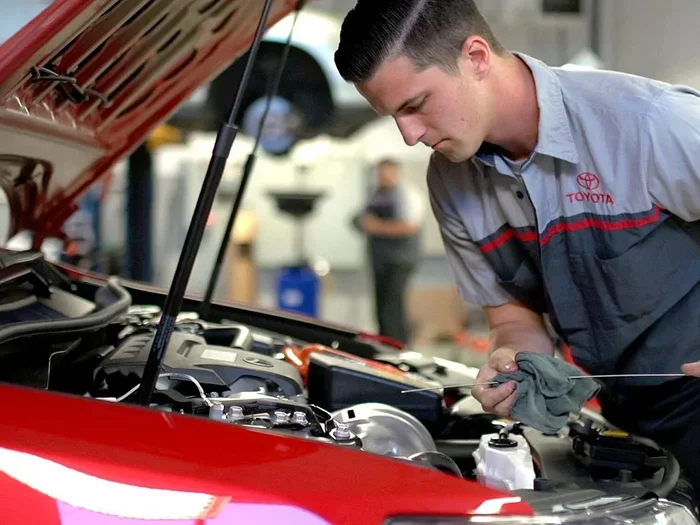
Consider visiting your Toyota service center for a pre-inspection checkup. They can perform a thorough inspection of your vehicle and fix any issues. This is especially valuable if your Toyota is older or has higher mileage. A well-tuned engine runs cleaner and is more likely to pass both safety and emissions tests.
Common Toyota Inspection Failures and How to Avoid Them
Even with proper preparation, some Toyota owners find themselves facing a failed inspection. Understanding the most common reasons for failure can help you avoid them. Here are the top issues that trip up Toyota owners during state inspections.
| Common Failure | Why It Happens | How to Fix It |
|---|---|---|
| Burnt-out bulbs | Normal wear and tear | Replace bulbs before inspection |
| Low tire tread | Worn tires over time | Replace tires or rotate them regularly |
| Check engine light on | Sensor or emission system issue | Diagnose and fix the underlying problem |
| Failed emissions test | Catalytic converter or sensor issues | Repair or replace faulty components |
| Worn brake pads | Normal use over time | Replace brake pads as needed |
| Dirty air filter | Lack of regular maintenance | Replace air filter during routine service |
| Excessive exhaust smoke | Engine or fuel system problem | Have a technician diagnose the issue |
The good news is that most of these failures are preventable. Regular maintenance and a little attention to detail go a long way. If your Toyota has been well cared for, you should have no trouble passing your inspection.
Quick Tips for a Stress-Free Inspection
Here are some quick tips to make your inspection experience smooth and hassle-free:
- Schedule your inspection early. Avoid the last-minute rush. Book your appointment or visit a station well before your current sticker expires.
- Drive your car gently the day before. A highway drive helps burn off any built-up emissions and clears out the exhaust system.
- Bring all necessary documents. Have your registration, insurance proof, and previous inspection sticker ready.
- Use a pre-inspection checklist. Walk through a checklist of common inspection points the night before.
- Ask your Toyota dealer for advice. Service advisors know what inspectors look for and can give you model-specific tips.
- Fix small issues first. A small repair now can prevent a bigger problem and a failed inspection later.
When to Visit a Toyota Dealer Before Your Inspection
Timing matters when it comes to visiting your Toyota dealer before an inspection. You do not want to go too early and have new issues develop, nor do you want to wait too long and risk missing your inspection deadline.
A good rule of thumb is to visit your Toyota service center about two to four weeks before your inspection is due. This gives you enough time to diagnose and fix any problems. It also gives your car time to settle after any repairs before the official test.
If you use DIY car diagnostics tools at home, you can check your vehicle even earlier. A quick scan with an OBD-II reader a month before your inspection can reveal hidden issues. This early warning system gives you plenty of time to address problems without rushing.
Remember that Toyota dealerships offer a range of services beyond inspections. They can perform oil changes, tire rotations, brake inspections, and fluid top-offs. All of these services contribute to your vehicle’s readiness for an official inspection.
State Inspection Costs and What to Expect
The cost of a state inspection varies widely depending on your location and the type of inspection required. On average, you can expect to pay between $20 and $75 for a standard safety inspection. Emissions tests may cost an additional $15 to $30. Some states bundle both into a single fee.
If your Toyota fails the inspection and you need to return for a re-test, some states offer a free or discounted re-inspection within a certain window, usually 30 to 90 days. Check your state’s specific rules to understand the costs involved.
Keep in mind that any repairs needed to fix inspection failures are separate from the inspection fee itself. This is another reason why preparation is so important. Spending a little money on maintenance now can save you significant costs later.
Final Thoughts on Toyota and State Inspections
Toyota does not perform state inspections, but that does not mean they are not part of the process. Your Toyota dealer is a valuable resource for preparing your vehicle and ensuring it meets inspection standards. From diagnostic testing to maintenance services, they can help you feel confident heading into your inspection appointment.
The key is to stay proactive. Keep up with regular maintenance, address warning lights promptly, and use pre-inspection checks to catch issues early. A well-cared-for Toyota is one of the most reliable vehicles on the road, and it should have no trouble passing a state inspection.
Whether you drive a brand-new Toyota or a trusted older model, understanding the inspection process puts you in control. You will know exactly what to expect, how to prepare, and what to do if something goes wrong. That knowledge gives you peace of mind and keeps your Toyota running safely and legally on the road.
Take the time to learn your state’s specific inspection requirements. Build a relationship with your local Toyota service center. And remember that a little preparation goes a long way toward a smooth, successful inspection every time.
Frequently Asked Questions
Do Toyota dealerships perform state inspections?
No, Toyota dealerships do not perform state inspections. State inspections must be completed at state-licensed inspection stations. However, Toyota service centers can help prepare your vehicle and fix any issues that might cause a failure.
How much does a Toyota state inspection cost?
Inspection costs vary by state but typically range from $20 to $75 for a safety inspection. Emissions tests may add $15 to $30 more. Your Toyota dealer can give you an estimate of what to expect in your area.
Can I use DIY car diagnostics before my Toyota inspection?
Absolutely. Using an OBD-II scanner at home is one of the best ways to prepare for an inspection. It lets you check for error codes and fix issues before you visit the official inspection station.
Do hybrid Toyotas need special inspections?
Hybrid Toyotas generally go through the same inspection process as gasoline models, but some states have different rules for hybrids. It is always a good idea to check your state’s specific requirements for hybrid vehicles.
What happens if my Toyota fails a state inspection?
If your Toyota fails, you will need to fix the identified issues and return for a re-test. Many states offer a free or discounted re-inspection within a set period. Your Toyota dealer can help you diagnose and repair the problems.
How often does my Toyota need a state inspection?
Inspection frequency depends on your state. Most states require annual or biennial inspections. Check with your local Department of Motor Vehicles or state inspection website for the exact schedule that applies to your Toyota.
=== CONCLUSION ===
Toyota does not handle state inspections directly, but staying informed and prepared makes all the difference. Understanding the inspection process, knowing what to expect, and using your Toyota service center as a preparation partner puts you ahead of the game. From checking your lights to running a DIY car diagnostics scan, every small step counts.
Keep your Toyota well-maintained, stay on top of your state’s requirements, and approach each inspection with confidence. A little effort today means a smoother inspection tomorrow and a safer, more reliable ride for miles to come.