Does Toyota Warranty Transfer to Your Second Owner
Yes, Toyota warranties can transfer to a second owner, but it depends on the type of warranty and how long the original coverage has been active. Toyota factory warranties typically include a bumper-to-bumper limited warranty and a powertrain warranty, both of which may carry over when you purchase a used vehicle. Understanding the Toyota warranty transfer process helps buyers make informed decisions and avoid costly surprises.
Buying a used Toyota is one of the smartest moves many car shoppers make. Toyota vehicles are known for lasting well beyond 200,000 miles. But here is the real question most buyers ask: does Toyota warranty transfer to the second owner?
The answer is not a simple yes or no. It depends on the type of warranty, how much time has passed, and the specific terms of your coverage. Toyota warranty transfer rules can feel confusing at first. But once you understand the basics, everything clicks into place.
This guide breaks down every detail you need to know. We cover factory warranties, certified pre-owned programs, powertrain coverage, and practical tips for buyers. Whether you are looking at a 7 to 9 lakh car in India or a higher-end model, this article has you covered. Let us dive in.
Key Takeaways
- Toyota factory warranties can transfer: Both bumper-to-bumper and powertrain warranties may pass to a second owner under certain conditions.
- Coverage depends on remaining time: The warranty transfers with the time left on the original coverage, not restarting the clock.
- Certified Pre-Owned (CPO) Toyota vehicles offer better protection: CPO Toyota models come with extended warranties and additional benefits.
- Non-transferable warranties exist: Some extended or aftermarket warranties may not cover second owners.
- Always verify warranty status before buying: Request documentation and check the warranty details through Toyota or the dealer.
- Used Toyota cars still hold strong value: Warranty coverage adds to the resale appeal and long-term ownership confidence.
- Maintenance records matter: A well-documented service history strengthens your warranty claim when transferring ownership.
📑 Table of Contents
- Understanding Toyota Warranty Types
- Does Toyota Warranty Transfer to the Second Owner?
- Certified Pre-Owned Toyota Warranty Coverage
- What Happens When the Warranty Expires
- Why Warranty Transfer Matters for Used Car Buyers
- Common Mistakes Buyers Make with Toyota Warranty Transfer
- How to Maximize Your Toyota Warranty as a Second Owner
- Toyota Models With Strong Warranty Transfer Value
- The Bottom Line on Toyota Warranty Transfer
Understanding Toyota Warranty Types
Before we talk about transfer, you need to know what kind of warranty Toyota offers. Toyota provides several layers of protection. Each one has different rules for warranty transfer.
Bumper-to-Bumper Limited Warranty
The bumper-to-bumper warranty covers almost everything on the vehicle. This includes electrical systems, audio systems, air conditioning, and more. It does not cover wear-and-tear items like brake pads or wiper blades.
Toyota typically offers this warranty for 3 years or 36,000 miles, whichever comes first. When you buy a used Toyota, this warranty may still be active. But it transfers with the remaining time, not a fresh start.
Powertrain Warranty
The powertrain warranty is the heavy hitter. It covers the engine, transmission, and drivetrain components. Toyota offers a powertrain warranty for 5 years or 60,000 miles, whichever comes first.
This is the warranty most buyers care about the most. A failing engine or transmission can cost thousands of dollars. The powertrain protection gives real peace of mind. And yes, this warranty also transfers to the second owner if coverage remains.
Rust and Corrosion Warranty
Toyota also provides a rust and corrosion warranty. This covers structural damage from rust on the vehicle body. Coverage typically lasts 5 years with no mileage limit. This warranty generally transfers as well.
Roadside Assistance Warranty
Toyota includes roadside assistance for 2 years or 25,000 miles. This covers towing, flat tire changes, and lockout services. This plan may also transfer to the next owner if the term has not expired.
Does Toyota Warranty Transfer to the Second Owner?
The short answer is yes, in most cases. Toyota factory warranties are designed to be transferable. When you sell or buy a used Toyota, the remaining warranty coverage moves with the vehicle.
But there are important conditions. The warranty transfer process requires proper documentation. The original owner must provide the warranty certificate and vehicle details. Without these papers, the new owner may face challenges when filing a claim.
How the Transfer Process Works
Here is how the Toyota warranty transfer process typically works:
- Step 1: The original owner contacts the dealership or Toyota customer service.
- Step 2: The ownership transfer is recorded in Toyota’s system.
- Step 3: The new owner receives documentation of the remaining coverage.
- Step 4: The new owner presents the warranty documents when seeking service.
Some Toyota dealerships handle the transfer electronically. Others require a simple form to be filled out. Either way, the process is straightforward and usually free of charge.
What Gets Transferred
Not everything transfers the same way. Here is a quick breakdown of what carries over:
- Factory bumper-to-bumper warranty: Transfers with remaining time.
- Powertrain warranty: Transfers with remaining time and mileage.
- Rust and corrosion warranty: Transfers with remaining time.
- Roadside assistance: Transfers with remaining time.
- Extended warranties: Depends on the specific plan terms.
The key takeaway is that factory warranties follow the clock and mileage. They do not reset when ownership changes. So if a Toyota is 3 years old with 25,000 miles, the bumper-to-bumper warranty has about 1 year or 11,000 miles left.
Certified Pre-Owned Toyota Warranty Coverage
One of the best ways to get strong warranty coverage on a used Toyota is through the Certified Pre-Owned (CPO) program. CPO Toyota vehicles undergo a rigorous inspection process. They come with backed-by-factory warranties that go beyond the standard used car coverage.
What Makes CPO Different
When you buy a Certified Pre-Owned Toyota, you get several benefits:
- Extended powertrain coverage: CPO Toyota vehicles often receive an additional 1-year or 10,000-mile powertrain extension.
- Comprehensive vehicle inspection: Every CPO Toyota passes a 160-point inspection checklist.
- Roadside assistance renewal: CPO buyers get fresh roadside assistance coverage.
- Trip interruption coverage: If your CPO Toyota breaks down far from home, Toyota helps cover lodging and rental costs.
- Carfax history report: Every CPO vehicle comes with a detailed vehicle history report.
The CPO warranty is fully transferable to subsequent owners. This makes CPO Toyota vehicles a smart buy for those who want long-term protection. Even if you are considering a 1500cc to 2000cc cars in India lineup, CPO options may be available through authorized Toyota dealers.
CPO vs. Regular Used Toyota Warranty
Here is a quick comparison between CPO and regular used Toyota warranty coverage:
- Regular used Toyota: Carries the remaining factory warranty time. No additional coverage.
- CPO Toyota: Includes extended warranty, fresh roadside assistance, and trip interruption benefits.
The difference in coverage can be significant. CPO Toyota vehicles offer a much stronger safety net for second and third owners alike.
What Happens When the Warranty Expires
Every Toyota warranty has an expiration date. Understanding what happens after the warranty ends is just as important as understanding the transfer rules.
Factory Warranty Expiration
Once the factory warranty expires, the vehicle enters the “out of warranty” phase. This means the owner is responsible for all repair costs. Major repairs like engine or transmission work can be very expensive without coverage.
This is why many buyers look for vehicles with remaining warranty time. A Toyota with 2 years of bumper-to-bumper coverage left can save thousands in potential repair bills.
Extended Warranty Options
Toyota offers extended warranty plans through its dealerships. These plans kick in after the factory warranty expires. They can cover powertrain components, electrical systems, and more.
However, extended warranties from Toyota or third parties may not always transfer. Some plans are tied to the original owner’s name. Always read the fine print before purchasing an extended warranty if you plan to resell the vehicle later.
Maintenance and Service Records
Keeping detailed service records is critical. When you transfer ownership, the new owner will need proof of regular maintenance. Toyota dealers look at service history when processing warranty claims.
A well-maintained Toyota with complete service records holds more value. It also makes the warranty transfer process smoother for both parties. Always keep your service invoices and maintenance logs organized.
Why Warranty Transfer Matters for Used Car Buyers
Buying a used car without warranty coverage can be risky. You never know what hidden problems might surface. A transferable Toyota warranty gives buyers confidence and financial protection.
Toyota vehicles have a strong reputation for reliability. But even the best-built cars need repairs over time. A transferable warranty covers those unexpected costs. This is especially true for buyers shopping in the 7 to 9 lakh car in India range, where repair costs can eat into a tight budget.
Here is why warranty transfer matters:
- Financial protection: Warranty coverage shields you from expensive surprise repairs.
- Resale value boost: A Toyota with active warranty coverage sells faster and at a higher price.
- Peace of mind: Knowing your vehicle is protected reduces daily driving stress.
- Better negotiating power: A transferable warranty adds value when you eventually sell the car.
When shopping for a used Toyota, always ask the seller about warranty status. Request the original warranty documents and verify the remaining coverage. This simple step can save you from headaches down the road.
Common Mistakes Buyers Make with Toyota Warranty Transfer
Many buyers make avoidable mistakes when purchasing a used Toyota. Here are the most common ones and how to dodge them.
Skipping the Warranty Verification
Some buyers trust the seller’s word without checking the warranty details. Always verify warranty status directly through Toyota or an authorized dealer. A quick phone call can confirm remaining coverage and transfer eligibility.
Ignoring Maintenance Records
A Toyota without service records is a gamble. Regular maintenance proves the vehicle was cared for properly. Skip the records, and you risk losing warranty coverage even if it is technically transferable.
Assuming All Extended Warranties Transfer
Not every extended warranty plan transfers to a new owner. Some are non-transferable by design. Always ask the warranty provider about transferability before you buy.
Waiting Too Long to Transfer
Delaying the ownership transfer can cause the warranty to lapse. If you buy a used Toyota, complete the transfer process as soon as possible. Do not let deadlines slip past you.
Buying from Unauthorized Sellers
Buying from private sellers or unauthorized dealers can complicate warranty transfer. Authorized Toyota dealerships provide clearer documentation and smoother transfer processes. When possible, buy from a trusted Toyota dealership or certified source.
How to Maximize Your Toyota Warranty as a Second Owner
Once you have a transferable Toyota warranty, you want to get the most out of it. Here are practical tips to maximize your coverage.
Read Your Warranty Documents Carefully
Take the time to read every page of your warranty documents. Understand what is covered and what is excluded. Pay special attention to mileage limits and time restrictions.
Keep All Service Records
Every oil change, tire rotation, and brake inspection should be documented. Toyota dealers track service history in their system. But having your own records provides an extra layer of protection.
Address Issues Promptly
If something goes wrong with your Toyota, address it quickly. Delaying repairs can turn a small fix into a major expense. It can also jeopardize your warranty claim if the issue worsens over time.
Visit Authorized Toyota Service Centers
For warranty claims, always visit an authorized Toyota service center. Independent repair shops may void certain warranty provisions. Stick with the official network for covered repairs.
Know Your Coverage Limits
Understand the difference between bumper-to-bumper and powertrain coverage. Know what is included and what is not. This knowledge empowers you during warranty claims and service visits.
Toyota Models With Strong Warranty Transfer Value
Not all Toyota models hold warranty value equally. Some models are more popular on the used market and retain warranty coverage better than others.
The Toyota Corolla is one of the best-selling sedans worldwide. Its reliability means used models often still carry active factory warranty. Buyers looking at a Toyota Corolla for sale should always check the remaining warranty period.
The Toyota Camry offers similar benefits. As a mid-size sedan, the Camry attracts buyers who want comfort and durability. A used Camry with transferable warranty is a compelling package.
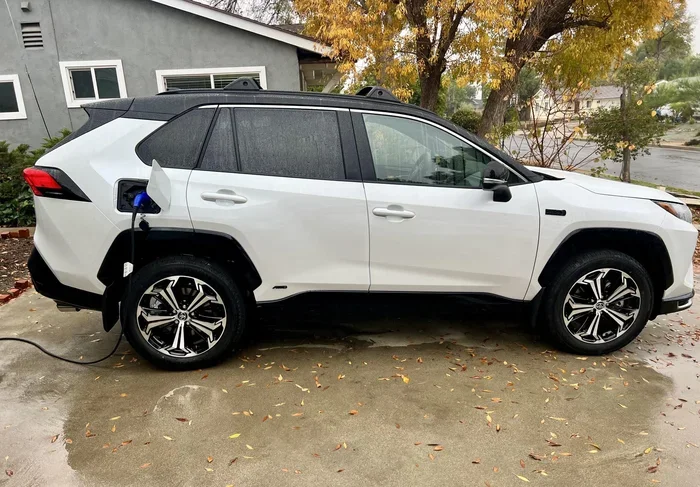
Toyota SUVs like the RAV4 and Highlander also carry strong warranty transfer value. These models are popular family vehicles, and buyers often look for remaining warranty coverage when shopping in this segment.
For buyers in the Indian market exploring options in the 1500cc to 2000cc cars in India category, Toyota models like the Glanza and Urban Cruiser offer reliable choices with potential warranty benefits.
The Bottom Line on Toyota Warranty Transfer
So, does Toyota warranty transfer to the second owner? Yes, in most cases it does. Toyota factory warranties are designed to be transferable. Both bumper-to-bumper and powertrain coverage can pass to a new owner with the remaining time and mileage intact.
The key is preparation. Verify the warranty status before purchase. Complete the transfer process promptly. Keep all documentation organized. And choose certified pre-owned Toyota vehicles whenever possible for the strongest coverage.
Buying a used Toyota is a smart investment. With the right warranty transfer, it becomes an even smarter one. Do your homework, ask the right questions, and enjoy the confidence that comes with backed-by-factory protection.
Whether you are shopping for a compact sedan or a family SUV, understanding Toyota warranty transfer puts you in control. You will make better decisions, avoid costly surprises, and get the most value from your Toyota ownership experience.
Take the time to understand your coverage. Verify the details. And drive your Toyota with confidence, knowing you are protected no matter how many owners come before you.
Frequently Asked Questions
Does Toyota warranty transfer to the second owner automatically?
Toyota factory warranties are transferable, but they do not always transfer automatically. The original owner typically needs to notify Toyota or the dealership of the ownership change. The new owner should then receive updated warranty documentation showing the remaining coverage period and mileage.
What is the difference between Toyota factory warranty and CPO warranty?
A factory warranty comes with the original vehicle and covers repairs for a set time and mileage. A CPO warranty is an extended, enhanced warranty provided through Toyota’s Certified Pre-Owned program. CPO warranties include additional benefits like trip interruption coverage and a comprehensive vehicle inspection.
Can I transfer an extended Toyota warranty to a new owner?
It depends on the terms of the extended warranty plan. Some extended warranties are transferable, while others are tied to the original owner. Always check the warranty contract or contact the provider directly to confirm transferability before selling or buying.
How do I verify the remaining warranty on a used Toyota?
Contact an authorized Toyota dealership with the vehicle identification number (VIN). The dealer can look up the warranty status in Toyota’s system. You can also ask the seller for the original warranty documents and service records to cross-check the coverage details.
Does Toyota warranty cover wear and tear items for the second owner?
No, Toyota factory warranties do not cover normal wear and tear items. Brake pads, wiper blades, tires, and similar components are considered maintenance items. The warranty covers defects in materials and workmanship for covered parts and systems only.
Is it worth buying a used Toyota without remaining warranty coverage?
Toyota vehicles are known for reliability, so buying without warranty can still be worthwhile. However, having active warranty coverage provides significant financial protection. If the used Toyota has no remaining warranty, consider purchasing an extended warranty plan or setting aside funds for potential repairs.
=== CONCLUSION ===
Toyota warranty transfer to a second owner is not only possible but often straightforward when you know the process. From factory bumper-to-bumper coverage to powertrain protection, Toyota’s original warranties carry real value for second owners. Certified Pre-Owned Toyota vehicles take this a step further with extended coverage and additional benefits.
The key is to verify, document, and act quickly. Check the remaining warranty before you buy. Complete the transfer process without delay. And keep all service records in order. These simple steps protect your investment and give you confidence every time you turn the key.
Whether you are buying a Toyota Corolla, a Camry, or an SUV from the 1500cc to 2000cc cars in India segment, understanding warranty transfer puts you ahead. You will save money, avoid surprises, and enjoy your Toyota for years to come. Drive smart, buy wisely, and let your Toyota warranty work for you.