12 L Engine Cars With the Best Fuel Economy and Features
1.2 L engine cars deliver excellent fuel economy and are ideal for city driving. These compact vehicles offer a perfect balance of performance, affordability, and running costs. Whether you buy new or used, a 1.2 L car keeps your fuel bills low and your driving experience smooth.
When you are looking for a car that saves fuel and still delivers a great driving experience, 1.2 L engine cars hit the sweet spot perfectly. These compact vehicles have become incredibly popular in India and around the world. People love them because they balance power, efficiency, and affordability in one package. If you are tired of watching your fuel gauge drop too quickly, a small engine car might be exactly what you need.
The 1.2 liter engine displacement has become a sweet spot for manufacturers and buyers alike. It offers enough power for highway driving while keeping fuel consumption low. In this guide, we will explore everything you need to know about 1.2 L engine cars. From fuel economy figures to the best features, we have got you covered. Let us dive in and find out why these cars deserve a spot on your shortlist.
Key Takeaways
- Best Fuel Economy: 1.2 L engine cars consistently deliver 15-20 kmpl in city conditions, making them among the most fuel efficient options.
- Affordable Running Costs: Smaller engines mean lower fuel costs, cheaper insurance, and reduced maintenance expenses.
- Perfect for City Driving: The compact size of 1.2 L cars makes them easy to park and maneuver through tight city streets.
- Wide Options Available: From hatchbacks to compact SUVs, many brands offer 1.2 L engine variants across different price ranges.
- 3-Cylinder vs 4-Cylinder: Both engine configurations are popular in 1.2 L cars, each offering unique benefits for performance and efficiency.
- Smart Buying Tip: Always test drive and compare mileage claims with real-world fuel consumption before purchasing.
📑 Table of Contents
- What Is a 1.2 L Engine and Why Does It Matter?
- Best 1.2 L Engine Cars for Fuel Economy
- 1.2 L Engine Cars: 3-Cylinder vs 4-Cylinder
- Real-World Fuel Economy: What to Expect
- Maintenance Tips for 1.2 L Engine Cars
- Why 1.2 L Engine Cars Are Great for First-Time Buyers
- Comparing 1.2 L Engine Cars: What to Look For
- Final Thoughts: Is a 1.2 L Engine Car Right for You?
What Is a 1.2 L Engine and Why Does It Matter?
The term “1.2 L” refers to the engine displacement, which is the total volume of all the cylinders in the engine. It means the engine can hold 1.2 liters of fuel and air mixture. This size is considered small to medium in the car world. But do not let the size fool you. Modern 1.2 L engines are packed with technology that punches well above their weight.
Engine displacement directly affects how much fuel your car uses and how much power it produces. A smaller displacement generally means better fuel economy. This is why fuel efficient cars with 1.2 L engines are so popular among city drivers. You get to enjoy daily commuting without worrying about burning a hole in your pocket.
How Engine Size Affects Fuel Economy
Smaller engines need less fuel to operate. A 1.2 L engine car uses less petrol or diesel compared to a 1.5 L or 2.0 L engine car. This is basic physics. Less fuel burned means more kilometers per liter. For city driving, this difference becomes even more noticeable. Stop-and-go traffic is where small engines truly shine.
However, engine size is not the only factor. The number of cylinders, engine technology, and car weight all play a role. A well-designed 1.2 L engine with modern features can outperform an older, larger engine in terms of both power and efficiency. This is why always looking at the full picture matters when comparing cars.
Best 1.2 L Engine Cars for Fuel Economy
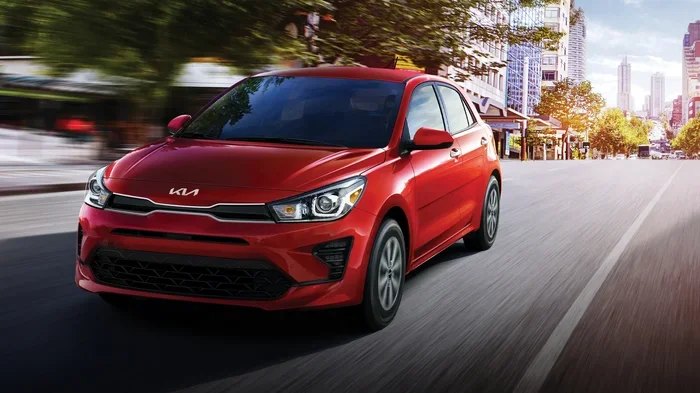
Now let us talk about the stars of the show. Several cars come with a 1.2 L engine and offer outstanding mileage. These vehicles have earned their reputation through real-world performance and owner feedback. Here are some of the top contenders in the compact cars segment.
Maruti Suzuki Alto K10
The Alto K10 has been a favorite among budget-conscious buyers for years. Its 1.2 L engine delivers around 22 kmpl in ideal conditions. The car is lightweight, which helps it sip fuel rather than guzzle it. Maintenance costs are incredibly low, making it one of the most affordable cars to own. If you want a reliable small engine car for daily commuting, the Alto K10 deserves serious consideration.
Hyundai Grand i10
Hyundai has always focused on giving customers more value, and the Grand i10 is a fine example. The 1.2 L petrol engine produces a decent amount of power while maintaining good fuel efficiency. The cabin feels more spacious than its size suggests. Features like a touchscreen infotainment system and climate control add to the appeal. For buyers searching for affordable cars with a modern feel, this is a strong option.
Suzuki Swift
The Swift is a fun-to-drive hatchback that happens to be very fuel efficient. Its 1.2 L engine provides a sporty driving feel without sacrificing mileage. The car handles beautifully on both city roads and highways. Many owners report real-world mileage close to the claimed figures. If you want a fuel efficient car that does not feel cheap, the Swift is worth a look.
Toyota Glanza
The Glanza is essentially a rebadged Swift but comes with Toyota’s reliability stamp. The 1.2 L engine is the same unit, but Toyota adds its own touch to service quality. Owners appreciate the long service intervals and low cost of ownership. For those seeking a dependable petrol car, the Glanza is hard to beat.
1.2 L Engine Cars: 3-Cylinder vs 4-Cylinder
One of the biggest decisions you will face when choosing a 1.2 L engine car is the number of cylinders. Both 3-cylinder and 4-cylinder engines are available in this displacement range. Each has its own set of advantages and trade-offs. Let us break them down so you can make an informed choice.
Advantages of 3-Cylinder 1.2 L Engines
Three-cylinder engines are becoming increasingly popular in the compact cars segment. They are lighter, which directly improves fuel economy. Fewer cylinders also mean lower manufacturing costs and reduced running costs. Many modern 3-cylinder engines are designed to minimize vibrations, so the refinement level is no longer a concern.
Car manufacturers like Suzuki and Tata have embraced 3-cylinder engines in their 1.2 L offerings. These engines often produce enough torque for city driving and highway cruising. If your priority is maximum fuel savings, a 3-cylinder 1.2 L engine car is worth exploring.
Advantages of 4-Cylinder 1.2 L Engines
Four-cylinder engines have been the traditional choice for decades. They offer smoother power delivery and generally produce more power than their 3-cylinder counterparts. For buyers who value a refined driving experience, a 4-cylinder 1.2 L engine feels more composed at higher speeds.
Many 4 cylinder hatchback cars in India use this engine configuration. The additional cylinder also means better low-end torque, which helps during overtaking and hill climbs. While a 4-cylinder engine may cost slightly more in fuel and maintenance, the driving refinement is often worth the extra expense.
Which One Should You Choose?
The choice depends on your priorities. If fuel economy is your top goal, go for a 3-cylinder engine. If you want a smoother and slightly more powerful feel, a 4-cylinder engine is the way to go. Both options are excellent in the 1.2 L engine cars category. Test drive both types to feel the difference yourself.
Real-World Fuel Economy: What to Expect
Manufacturers often claim impressive mileage figures for their cars. But real-world fuel consumption can vary significantly. Understanding what affects actual mileage helps you set realistic expectations.
Factors That Affect Mileage in 1.2 L Cars
Several factors influence how much fuel your car actually uses. Driving style is the biggest one. Aggressive acceleration and hard braking waste fuel. Smooth and gentle driving can improve mileage by 10-15%. The condition of your car engine also matters. Regular maintenance, clean air filters, and proper tire pressure all contribute to better fuel economy.
Traffic conditions play a huge role too. Cars stuck in heavy city traffic will always return lower mileage than those cruising on open roads. Air conditioning usage, especially during summer, can reduce fuel economy by 1-2 kmpl. Even the cargo weight in your car affects how much fuel it burns. Keeping your car light and well-maintained is the simplest way to maximize mileage.
Tips to Maximize Fuel Economy in Your 1.2 L Car
Want to get the best possible mileage from your 1.2 L engine car? Here are some practical tips that really work:
- Maintain a steady speed: Avoid sudden acceleration and braking. Smooth driving saves fuel.
- Keep tires properly inflated: Under-inflated tires create more rolling resistance, which wastes fuel.
- Use the right gear: Shift up early and keep the engine in its most efficient RPM range.
- Turn off AC when not needed: At lower speeds, open the windows instead of using the AC.
- Remove excess weight: Clear out unnecessary items from your car to reduce the load on the engine.
- Service regularly: Follow the manufacturer’s service schedule to keep the engine running efficiently.
- Use recommended fuel: Always use the fuel grade recommended by the carmaker for optimal performance.
Maintenance Tips for 1.2 L Engine Cars
Owning a 1.2 L engine car comes with the benefit of lower maintenance costs. Smaller engines have fewer parts and simpler designs. But that does not mean you can skip regular maintenance. Proper care keeps your car running smoothly and maintains its fuel efficiency over the years.
Essential Maintenance Schedule
Follow these maintenance tips to keep your small engine car in top shape:
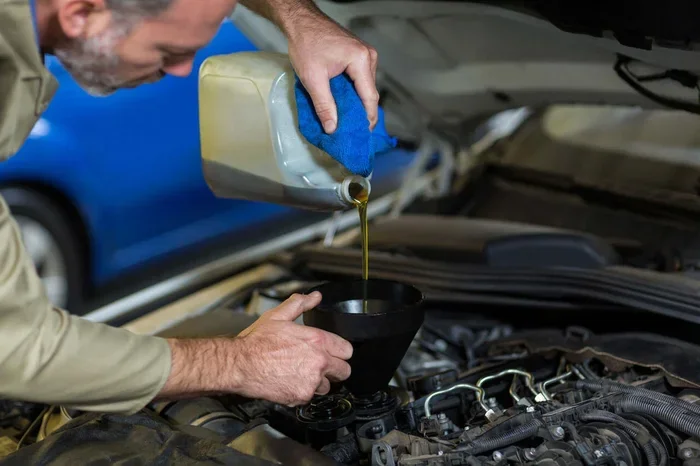
- Oil Changes: Change the engine oil every 5,000-7,500 km. Fresh oil reduces friction and keeps the engine running smoothly.
- Air Filter Replacement: A clogged air filter reduces engine performance and fuel economy. Replace it every 10,000-15,000 km.
- Spark Plug Check: Worn spark plugs can cause misfires and reduce mileage. Inspect them every 20,000 km.
- Coolant Flush: Keep the cooling system clean to prevent engine overheating, especially during summer months.
- Brake Pad Inspection: Small cars often have disc brakes at the front. Check them regularly for safe stopping.
- Battery Maintenance: Clean the battery terminals and check the charge level every six months.
Common Mistakes to Avoid
Many owners make mistakes that shorten the life of their 1.2 L engine. Avoid these common pitfalls:
- Ignoring warning lights: Do not ignore the check engine light or any warning on your dashboard.
- Skipping scheduled services: Even if the car seems fine, regular services catch problems early.
- Using low-quality fuel: Cheap fuel can cause engine deposits and reduce performance over time.
- Revving the engine too hard: Redlining the engine frequently causes unnecessary wear on internal components.
- Neglecting tire care: Poor tire condition affects safety, handling, and fuel economy.
Why 1.2 L Engine Cars Are Great for First-Time Buyers
If you are buying your first car, a 1.2 L engine is an excellent choice. These vehicles offer the perfect combination of ease, affordability, and practicality. Let us look at why they work so well for new car owners.
Lower Insurance Costs
Cars with smaller engines generally attract lower insurance premiums. The insurance group rating for a 1.2 L car is typically lower than for larger engine cars. This means you save money every month on your policy. Over several years, these savings add up to a significant amount.
Easier to Drive and Park
The compact dimensions of most 1.2 L engine cars make them incredibly easy to handle. Parallel parking in tight city spots becomes much less stressful. The steering is usually light and responsive, which makes them perfect for new drivers who are still building confidence behind the wheel.
Lower Purchase Price
Smaller engine cars are almost always cheaper to buy than their larger engine counterparts. The price difference can be substantial, especially in the 2.50 lakh car range and below. This lower upfront cost makes 1.2 L cars accessible to a wider range of buyers. Even on a tight budget, you can find a reliable and feature-rich 1.2 L car.
Better Resale Value
Popular 1.2 L engine cars hold their value well in the used car market. Brands like Maruti Suzuki and Hyundai have strong resale networks across India. When the time comes to upgrade, you will get a good return on your investment. The high demand for affordable, fuel efficient cars ensures that 1.2 L models remain desirable in the second-hand market.
Comparing 1.2 L Engine Cars: What to Look For
Before you buy a 1.2 L engine car, it helps to compare different models side by side. Not all 1.2 L cars are created equal. Some prioritize fuel economy, while others focus on features or driving dynamics. Here is what you should evaluate.
| Feature | What to Check |
|---|---|
| Fuel Economy | Claimed vs real-world mileage. Look for 15+ kmpl in city conditions. |
| Engine Power | Check BHP and torque figures. 1.2 L engines typically produce 80-120 BHP. |
| Features | Touchscreen, Bluetooth, climate control, safety features like ABS and airbags. |
| Maintenance Cost | Parts availability and service costs vary by brand. |
| Warranty | Longer warranties indicate manufacturer confidence in build quality. |
| Resale Value | Popular brands and models hold value better in the used car market. |
When comparing options, also consider the overall cost of ownership. A slightly more expensive car with better fuel economy and lower maintenance costs can save you money in the long run. Always calculate the total cost over 3-5 years before making your decision.
If you are also considering cars with slightly larger engines, check out our guide on 1400 CC Cars In India for a broader perspective on engine sizes and their benefits. Similarly, if you are deciding between a 3-cylinder and 4-cylinder setup, our article on 3 Cylinder Cars In India provides detailed insights into the pros and cons of each configuration. For those interested in the hatchback segment specifically, the 4 Cylinder Hatchback Cars In India guide covers a wide range of options that include 1.2 L engine variants.
Final Thoughts: Is a 1.2 L Engine Car Right for You?
The answer is likely yes if you want a practical, affordable, and fuel efficient daily driver. 1.2 L engine cars have proven themselves over decades of reliable service. They offer the perfect balance of performance and efficiency for most driving needs. Whether you commute to work, run errands around town, or take occasional highway trips, these cars handle it all with ease.
The key is to choose a model that fits your lifestyle and budget. Consider your daily driving distance, the number of passengers you carry, and the features that matter most to you. Test drive at least two or three models before making your final decision. Pay attention to how the car feels on the road, how comfortable the seats are, and whether the features you need are included.
Remember that the best 1.2 L engine car for you is the one that meets your specific needs. No single model is perfect for everyone. But with the information in this guide, you are now equipped to make a smart and confident choice. Happy car shopping.
Frequently Asked Questions
What is the average fuel economy of a 1.2 L engine car?
Most 1.2 L engine cars deliver between 15 and 22 kmpl in real-world conditions. The exact figure depends on driving style, traffic, and road conditions. City driving typically yields lower mileage than highway driving. Regular maintenance helps keep fuel economy close to the manufacturer’s claimed figures.
Are 1.2 L engine cars good for highway driving?
Yes, 1.2 L engine cars are perfectly capable of highway driving. They may not have the top-end power of larger engines, but they maintain steady speeds comfortably. The fuel economy advantage remains even on highways. Many owners use 1.2 L cars for long road trips without any issues.
Which is better: a 3-cylinder or 4-cylinder 1.2 L engine?
It depends on your priorities. A 3-cylinder engine offers better fuel economy and lower running costs. A 4-cylinder engine provides smoother operation and slightly more power. Both are excellent choices in the 1.2 L segment. Test driving both will help you decide which feels better for your needs.
What is the maintenance cost of a 1.2 L engine car?
Maintenance costs for 1.2 L engine cars are generally low. Smaller engines have fewer parts and cheaper consumables like oil and filters. Annual service costs typically range from Rs 2,000 to Rs 5,000 depending on the brand. Overall, these cars are among the most affordable to maintain.
Can I use a 1.2 L car for long-distance travel?
Absolutely. 1.2 L engine cars are well-suited for long-distance travel. They offer good fuel economy, which keeps travel costs down. The compact size also makes them easy to navigate through different types of roads. Just ensure the car is well-maintained before any long trip.
What should I look for when buying a used 1.2 L engine car?
Check the service history, mileage on the odometer, and overall condition of the engine. Look for consistent maintenance records and any signs of accidents. Test the fuel economy yourself during the test drive. Also verify the insurance status and any remaining warranty on the vehicle.
=== CONCLUSION ===
1.2 L engine cars remain one of the smartest choices for car buyers who value fuel economy, affordability, and practicality. These compact vehicles offer everything you need for daily driving without the high costs associated with larger engines. From hatchbacks to compact SUVs, the range of options available in this segment is impressive.
Whether you are a first-time buyer, a city commuter, or someone looking to reduce your running costs, a 1.2 L engine car delivers on all fronts. The key is to choose the right model, maintain it properly, and drive with awareness. With the tips and insights shared in this guide, you are now well-equipped to find the perfect 1.2 L engine car that matches your needs and budget. Make the smart choice today and enjoy the benefits of efficient, affordable motoring for years to come.