30 Unwanted Things You Can Easily Remove From Car Glass
Your car glass collects more than 30 types of unwanted messes over time, from sticky stickers and tree sap to hard water stains and bug splatter. This guide covers simple methods to remove each one and bring back the clarity of your car windows. Learn how to clean car glass effectively and keep it looking brand new with these proven removal techniques.
Your car glass takes a beating every single day. Road grime, sticky stickers, water spots, bug splatter, and all sorts of gunk find their way onto your windshield and car windows. Over time, these unwanted things build up and make your ride look tired and neglected. The good news is that most of them come off with the right approach. In this guide, we walk through 30 unwanted things you can easily remove from car glass. Whether it is a stubborn bumper sticker, haze from hard water, or tree sap that seems impossible to budge, you will find practical solutions here. We also share simple tips to prevent future buildup and keep your car glass looking crystal clear. Let us get started and bring back the shine to your ride.
Cleaning car glass is not just about looks. Clear windows matter for safety too. A haze or residue on your windshield can weaken visibility, especially at night or in bright sunlight. Many people ignore the early signs of buildup and end up dealing with tougher stains later. By learning how to remove these common contaminants early, you save time, money, and effort. This article covers everything from sticky adhesives to mineral deposits, so you have a complete reference for car glass care. Each section gives you step-by-step methods that work at home with basic supplies or affordable products.
Key Takeaways
- Stickers and adhesive residues come off easily with heat, rubbing alcohol, or dedicated adhesive removers designed for car glass.
- Hard water spots and mineral deposits respond well to vinegar solutions, clay bars, or specialized glass cleaning products.
- Bug splatter, bird droppings, and tree sap need gentle soaking and the right solvents to avoid scratching your car windows.
- Interior fog and grime buildup can be tackled with household items like dish soap, baking soda, and microfiber cloths.
- Prevention matters just as much as cleaning — regular car detailing and protective coatings keep your windshield and car glass looking great longer.
- Knowing what not to use is just as important as knowing what to use when removing unwanted substances from car glass.
📑 Table of Contents
- Why Your Car Glass Collects So Many Unwanted Messes
- Sticky and Adhesive Residues You Can Remove
- Outdoor Stains and Buildup on Car Windows
- Interior Messes That Cloud Your Car Glass
- Hard-to-Remove Marks and Permanent-Looking Stains
- Easy Methods to Clean and Restore Your Car Glass
- Final Thoughts on Keeping Your Car Glass Spotless
Why Your Car Glass Collects So Many Unwanted Messes
Car glass is exposed to the elements constantly. It sits outside through rain, sun, wind, and dust. Every drive adds new layers of grime. Over time, these layers bond to the glass surface in different ways. Some stick through static charge, others through chemical bonding, and some simply sit on top until you scrub them off. Understanding why each type of mess clings helps you choose the right removal method. Using the wrong technique can scratch your glass or leave marks behind. That is why this guide breaks things down by category, so you always know the best way forward for car window cleaning.
Your car glass also faces unique challenges depending on where you live. Coastal areas bring salt residue. Rural areas mean more tree sap and bird droppings. City driving exposes your windshield to brake dust and exhaust film. Even parking under a tree can lead to sap and pollen buildup. All of these contribute to the long list of unwanted things that land on your car glass. The key is to address them before they harden or etch into the surface. Regular car detailing and a good glass cleaner make a huge difference in maintaining clear visibility and a polished look.
Sticky and Adhesive Residues You Can Remove
Bumper Stickers and Decals
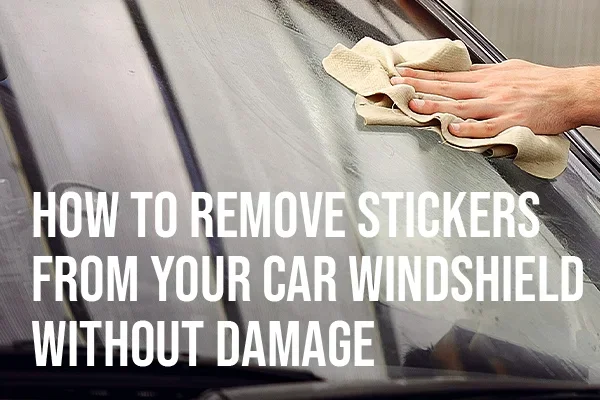
Bumper stickers are fun until you want them gone. They leave behind sticky residue that clings to your car glass stubbornly. The first step is to heat the sticker with a hairdryer on a medium setting. Warmth softens the adhesive and makes the sticker peel off easily. Use a plastic scraper to lift the edges gently. Once the sticker is off, rub the remaining residue with a cloth soaked in rubbing alcohol. For tough spots, a dedicated adhesive remover made for car glass works wonders. Avoid using metal scrapers because they can scratch the surface and leave permanent marks.
Vinyl Wrap and Tape Residue
If you have ever used a vinyl wrap or removed masking tape from your car windows, you know the sticky aftermath. Vinyl wrap residue feels greasy and refuses to wipe away with a damp cloth. The best approach is to apply a small amount of Goo Gone or a similar citrus-based solvent. Let it sit for about one minute, then wipe with a microfiber cloth. Repeat if needed. For tape residue, a plastic putty knife combined with a bit of WD-40 loosens the bond without harming the glass. Always finish by cleaning the area with a glass cleaner to remove any oily traces.
Rubber Gasket Marks
Rubber gaskets from old wipers or window seals sometimes leave dark marks on car glass. These marks look like black smears and can spread across the windshield if ignored. To remove them, mix a paste of baking soda and water. Apply it gently with a soft cloth in circular motions. The mild abrasion lifts the rubber residue without scratching. Rinse thoroughly with clean water and dry with a lint-free towel. This is one of the simplest and most effective methods for restoring clarity to your car windows.
Outdoor Stains and Buildup on Car Windows
Bug Splatter and Insect Residue
Bug splatter is one of the most common problems for anyone who drives regularly. Insects hit the windshield at high speed and leave behind proteins and fluids that bond to the glass. If you leave them too long, they harden and become very difficult to remove. The trick is to act fast. Soak the splatter with a dedicated bug remover spray or a mixture of warm water and dish soap. Let it sit for five to ten minutes to soften the residue. Then use a soft sponge or microfiber cloth to wipe it away gently. For dried-on splatter, a clay bar designed for car glass can lift the debris without scratching. Always rinse well afterward.
Bird Droppings and Dried Droppings
Bird droppings are acidic and can etch into car glass if left too long. If you spot them early, rinse with water and wipe gently. For dried droppings, dampen the area with a cloth soaked in warm water for several minutes. This softens the hardened material. Then apply a small amount of auto glass cleaner and wipe with a microfiber towel. Avoid scrubbing aggressively, as this can push the acidity deeper into the glass surface. If etching has already occurred, a professional glass polishing service may be needed to restore the clear finish.
Tree Sap and Pollen
Tree sap is one of the most stubborn substances you will find on car glass. It sticks tightly and can harden quickly in the sun. To remove sap, apply a small amount of rubbing alcohol or a dedicated sap remover directly to the spot. Let it sit for two to three minutes. Then use a soft cloth to gently roll the sap away. Do not scrape it off, as this risks scratching the glass. For pollen, a simple rinse with water and a gentle glass cleaner usually does the job. However, pollen that has been sitting for days may need a bit of clay bar treatment to fully lift from the surface.
Road Tar and Grease Spots
Driving on highways kicks up tar and grease that land on your windshield and side windows. These dark spots look ugly and can obstruct your view if they build up. To remove tar, apply a small amount of tar remover or even a bit of peanut butter (yes, it works). Let it sit for a few minutes, then wipe away with a soft cloth. Repeat as needed. Finish with a glass cleaner to remove any oily residue. For grease spots from exhaust or road spray, a degreaser diluted with water and applied with a microfiber cloth does the job effectively. Always rinse the glass clean afterward to prevent streaking.
Paint Overspray
Paint overspray from nearby construction or repainting jobs can settle on your car glass and create a rough, gritty film. If the overspray is fresh, a quick wash with soapy water may remove it. For dried overspray, you need a clay bar or a dedicated overspray remover. Spray the product onto the glass, let it work for a minute, and then wipe with a clean microfiber cloth. The clay bar method glides over the surface and lifts the paint particles without scratching. This is a great trick to keep in mind for car detailing enthusiasts who want their glass looking flawless.
Interior Messes That Cloud Your Car Glass
Foggy or Hazy Film on Inside Windows
The inside of your car windows often gets a greasy film from off-gassing plastics, air fresheners, and body oils from your hands. This haze reduces clarity and can be annoying, especially at night when lights reflect off the glass. To remove it, mix equal parts water and white vinegar in a spray bottle. Spray the solution onto the inside of the glass and wipe with a clean microfiber cloth. For heavy buildup, sprinkle a small amount of baking soda on a damp cloth and gently rub the surface. Rinse with a clean damp cloth and dry thoroughly. This simple routine removes interior haze and restores transparency to your car windows.
Steam and Condensation Marks
Steam from wet clothes, breath, or humid air can leave water marks on the inside of your car glass. These marks look like faint white spots and can be hard to see until sunlight hits them at the right angle. To remove them, apply a small amount of isopropyl alcohol to a cloth and rub the affected area gently. The alcohol evaporates quickly and lifts mineral deposits without leaving streaks. For stubborn condensation marks, a specialized car glass cleaner with anti-fog properties works well. Regularly wiping down the inside of your windows after trips helps prevent these marks from building up in the first place.
Dust and Grime Buildup from Interior Use
Everyday use introduces dust, fingerprints, and grime to your car glass interior. Over weeks, this layer becomes noticeable and dulls the glass. A quick wipe with a glass cleaner and microfiber cloth handles light dust. For heavier buildup, spray the glass with a quality auto glass cleaner and let it sit for thirty seconds before wiping. Use circular motions for the best results. Do not use paper towels on car glass, as they can leave tiny fibers behind. Microfiber cloths are the best tool for interior glass cleaning because they trap dirt and leave no streaks.
Hard-to-Remove Marks and Permanent-Looking Stains
Hard Water Stains and Mineral Deposits
Hard water stains are a common problem, especially if you park outside or wash your car with tap water. These white, chalky marks form when water evaporates and leaves behind minerals like calcium and magnesium. They can bond strongly to car glass and look almost permanent. To remove them, soak the affected area with a solution of equal parts water and white vinegar. Let it sit for ten minutes. Then use a soft brush or microfiber cloth to gently scrub the stains away. For heavy deposits, a clay bar works beautifully. It lifts the mineral layer without damaging the glass underneath. Applying a rain repellent coating after cleaning helps prevent future hard water stains from forming.
Rust Marks from Metal Contact
Rust marks on car glass usually come from metal trim, bolts, or tools that have rested against the window. These orange-brown spots look terrible and can spread if not addressed. To remove rust marks, make a paste of baking soda and hydrogen peroxide. Apply it to the rust spot and let it sit for fifteen minutes. Then scrub gently with a soft cloth. For deeper rust etching, a commercial rust remover formulated for glass works well. Always rinse the area completely after treatment. If the rust has already etched into the glass permanently, professional glass polishing may be the only solution to restore clarity.
Scratches and Etching on Car Glass
Not all marks on car glass are removable stains. Some are actual scratches or mineral etching that has worn into the surface. Light scratches can sometimes be buffed out with a glass polishing compound and a soft cloth. Apply a small amount of the compound to the scratch and rub in gentle circular motions. For deeper etching, the damage may be permanent, but a professional glass restoration service can improve the appearance significantly. Prevention is the best strategy here. Always wash your car with clean water and a soft sponge, and avoid using abrasive cleaners on glass surfaces.
Smoke and Nicotine Residue
If you or someone in your car smokes, nicotine residue builds up on the glass over time. This yellowish film clings stubbornly and can be hard to remove. To clean it, mix a tablespoon of ammonia with a cup of warm water. Apply it to the glass with a soft cloth and let it sit for a few minutes. Then wipe away the residue thoroughly. For heavy nicotine buildup, a commercial glass cleaner designed for smoke removal works best. Always ventilate your car well when using ammonia-based cleaners. Regular interior cleaning prevents nicotine film from becoming a long-term problem on your car windows.
Easy Methods to Clean and Restore Your Car Glass
DIY Cleaning Solutions That Work
You do not need expensive products to clean your car glass effectively. Several household items work surprisingly well. White vinegar and water make an excellent all-purpose glass cleaner. Baking soda paste handles stubborn stains and residue. Rubbing alcohol removes adhesive and sticky spots quickly. Dish soap mixed with warm water tackles everyday grime and grease. Each of these solutions is affordable, safe for car glass, and easy to use. Simply apply, let sit for a few minutes, and wipe away with a microfiber cloth. You will be amazed at how well these simple ingredients work for restoring clarity to your car windows.
Tools and Products Worth Investing In
A few quality tools make car glass cleaning much easier. A good microfiber cloth set is essential. Unlike paper towels, microfiber cloths do not scratch and leave no lint behind. A clay bar is invaluable for removing bonded contaminants from the glass surface. A quality glass cleaner spray saves time and delivers consistent results. A rubber squeegee helps dry the glass quickly and streak-free. For those willing to invest, a professional-grade glass polishing kit can remove light scratches and restore like-new clarity. These tools are small investments that pay off in long-lasting results and easier maintenance of your car glass.
Quick Tips for Prevention
Prevention saves you from having to deal with tough stains in the first place. Here are a few simple habits that protect your car glass. Park in a garage or under a cover whenever possible to reduce exposure to sap, bird droppings, and UV damage. Apply a rain repellent or ceramic coating to your windshield and windows to make future cleaning easier. Wash your car regularly, including the glass surfaces, to prevent buildup of grime and mineral deposits. Keep a microfiber cloth and a small spray bottle of glass cleaner in your car for quick touch-ups. These small steps add up and keep your car glass looking great for years.
Common Mistakes to Avoid
Many people make avoidable mistakes when cleaning car glass. Using paper towels or old rags can scratch the surface and leave fibers behind. Applying too much pressure when scrubbing can cause micro-scratches that dull the glass over time. Using household cleaners with ammonia or ammonia-based products on tinted windows can damage the tint film. Scratching dried sap or tar with your fingernails or hard tools leads to permanent marks. Letting stains sit for weeks makes them much harder to remove. Avoid these common errors and your car glass will stay clear and beautiful for much longer.
Final Thoughts on Keeping Your Car Glass Spotless
Your car glass deserves the same care and attention as the rest of your vehicle. From sticky stickers to hard water spots, bug splatter to nicotine haze, the 30 unwanted things covered in this guide represent the most common problems car owners face. Each one has a practical solution that you can do at home with simple tools and affordable products. Regular cleaning, smart prevention, and the right techniques make all the difference in maintaining clear, streak-free car windows. Taking a few minutes each week to wipe down your glass pays off in better visibility, safer driving, and a car that looks its best every time you hit the road. Start with the tips in this article and you will notice the difference right away.
Remember that car glass care is an ongoing process, not a one-time fix. The more consistently you maintain your windows and windshield, the less buildup you will deal with over time. Share this guide with fellow car owners who struggle with dirty glass. A little knowledge and the right approach go a long way in keeping your car glass free from all those unwanted things. Your clear view and polished ride will thank you every time you get behind the wheel.
Frequently Asked Questions
What is the best way to remove stickers from car glass?
Heat the sticker with a hairdryer on a medium setting to soften the adhesive. Once warm, peel the sticker off slowly using a plastic scraper. Rub any remaining residue with rubbing alcohol or a citrus-based adhesive remover. This method works on most bumper stickers, decals, and vinyl residue without scratching your car glass.
Can hard water stains be removed from car windows permanently?
Yes, most hard water stains can be removed with a vinegar and water solution or a clay bar treatment. Soak the affected area for ten minutes, then gently scrub with a soft cloth. For deep mineral etching that has bonded into the glass, a professional glass polishing service may be needed to fully restore clarity.
How do I get bug splatter off my windshield without scratching it?
Soak the bug splatter with a dedicated bug remover spray or warm soapy water for five to ten minutes. This softens the hardened residue so it wipes away gently. Use a microfiber cloth or soft sponge and avoid scrubbing aggressively. A clay bar also works well for dried-on splatter without risking scratches.
Is it safe to use vinegar on car glass?
Yes, vinegar is safe and effective for cleaning most car glass surfaces. A mixture of equal parts water and white vinegar makes an excellent all-purpose glass cleaner. However, avoid using vinegar on tinted windows if you are unsure about the tint type, as the acidity could potentially affect certain films over time.
What household items work best for cleaning car windows?
White vinegar, baking soda, rubbing alcohol, dish soap, and warm water are all excellent household items for car glass cleaning. Each one targets different types of messes. Vinegar handles mineral deposits and haze, baking soda removes sticky residue, and rubbing alcohol dissolves adhesive and grease effectively.
How often should I clean my car glass to prevent buildup?
Ideally, you should clean your car glass at least once every one to two weeks. Regular washing prevents grime, sap, and mineral deposits from bonding to the glass surface. A quick wipe-down after long drives or exposure to tree sap, bird droppings, or road grime also helps keep your car windows looking clear and clean.
=== CONCLUSION ===
Removing unwanted things from your car glass is easier than most people think. With the right tools, simple household solutions, and a little patience, you can restore your car windows and windshield to a like-new condition. From adhesive residues and bug splatter to hard water stains and interior haze, each type of mess has a proven removal method. The key is to act quickly, use gentle techniques, and maintain a regular cleaning routine. By following the tips in this guide, you keep your car glass clear, your visibility sharp, and your ride looking its absolute best. Start today and enjoy the difference clean car glass makes every time you drive.