Is 500 lbs Towing Capacity Enough For Your Next Haul
500 lbs towing capacity is enough for light-duty hauling like small trailers, bikes, and gear. This guide covers what you can tow, how to stay safe, and when you might need more power.
So, you have a vehicle with a 500 lbs towing capacity, and you are wondering if that is enough. Maybe you want to pull a small trailer behind your SUV. Perhaps you need to haul a few bikes or a cargo carrier for a weekend camping trip. Whatever the reason, knowing your towing limits matters a lot.
Many drivers assume that any towing number means they can haul heavy loads. But 500 lbs towing capacity is on the lighter side of the spectrum. It works great for specific tasks, but it is not a one-size-fits-all solution. In this article, we will break down everything you need to know about towing with a 500-pound limit.
We will cover what you can safely tow, common mistakes to avoid, and how to compare your setup with higher-capacity vehicles. By the end, you will know exactly whether 500 lbs towing capacity meets your needs. Let us dive in.
Key Takeaways
- 500 lbs towing capacity handles light loads like small trailers, cargo bikes, and utility equipment
- Understanding your vehicle’s limits prevents damage and keeps you safe on the road
- Proper weight distribution and tongue weight matter more than total pounds
- Common mistakes include overloading, ignoring tongue weight, and skipping pre-trip inspections
- Comparing towing ratings helps you decide if 500 lbs is enough for your needs
- Safety equipment like sway controls and towing mirrors adds protection
📑 Table of Contents
What Does 500 lbs Towing Capacity Actually Mean?
Towing capacity is the maximum weight a vehicle can safely pull behind it. When a manufacturer says your vehicle has a 500 lbs towing capacity, they mean the trailer and everything inside it should not exceed 500 pounds. This number is not a suggestion. It is a hard limit based on your vehicle’s engine, brakes, frame, and suspension.
Understanding Towing Weight and Payload
People often confuse towing weight with payload capacity. These are two different things. Towing weight refers to the load you pull behind the vehicle on a trailer. Payload capacity refers to the weight the vehicle itself carries, including passengers, cargo, and fuel.
For example, if your truck can tow 500 lbs, that does not mean you can also carry 500 lbs of gear in the bed. Your payload capacity is a separate number. Always check both numbers before loading up your vehicle. Ignoring this distinction is one of the most common errors drivers make.
How Manufacturers Calculate Towing Limits
Automakers use a formula to determine towing capacity. They look at the engine’s output, the transmission’s strength, the braking system, the axle ratio, and the frame design. Every vehicle is different. A compact car might have a towing rating of 500 lbs, while a full-size truck could tow 10,000 lbs or more.
The gross vehicle weight rating, or GVWR, plays a big role here. This is the maximum total weight of your vehicle plus everything inside it. Your towing capacity is always calculated with respect to this number. If you exceed the GVWR, you risk damaging your brakes, transmission, and engine.
The Role of the Trailer Hitch
Your trailer hitch is the connection point between your vehicle and the trailer. Not all hitches are created equal. A Class I hitch is designed for lighter loads, typically up to 2,000 lbs. But even if your hitch can handle more, your vehicle’s towing capacity is still the limiting factor.
For a 500 lbs towing capacity setup, a Class I or Class II hitch works perfectly. These hitches are affordable and easy to install. Make sure your hitch receiver matches the trailer’s coupler size. A 1.25-inch receiver is standard for light-duty towing.
What Can You Tow With 500 lbs of Towing Capacity?
Now that you understand what 500 lbs towing capacity means, let us talk about what you can actually tow. The good news is that 500 pounds covers a surprising range of everyday hauling needs.
Small Cargo Trailers
A small open cargo trailer is one of the most popular uses for a 500-pound towing limit. These trailers typically weigh between 300 and 450 pounds when empty. That leaves you with 50 to 200 pounds of cargo space. You can use them for hauling lawn equipment, firewood, or moving small items between homes.
Brands like Harbor Freight and U-Haul offer compact trailers in this weight range. They are perfect for weekend projects or seasonal hauling. Just remember to factor in the trailer’s own weight when calculating your load.
Bicycles and Motorcycles
If you love outdoor adventures, a bike rack or motorcycle trailer is a great fit for 500 lbs towing capacity. Most bicycle trailers weigh under 100 pounds and can carry two to four bikes. Motorcycle trailers are slightly heavier but still well within the 500-pound limit.
This is a popular choice for families who want to bring bikes along on road trips. You can tow a cargo bike trailer behind your SUV or even a midsize sedan. Just make sure the trailer is properly secured and balanced.
Camping Gear and Small Boats
For camping enthusiasts, 500 pounds opens up some nice options. You can tow a small pop-up camper or a boat trailer. Many compact inflatable boats with motors weigh right around 300 to 400 pounds. Add some gear, and you are still within range.
Kayak trailers are another excellent option. Most kayak trailers weigh between 100 and 200 pounds and can carry two to four kayaks. This makes 500 lbs towing capacity ideal for paddlers who want to explore new waterways.
Golf Carts and Utility Equipment
Golf cart trailers are another common use case. A basic golf cart weighs around 400 to 500 pounds, so you need to be mindful of the total weight. Add the trailer, and you might be right at the limit. Always weigh your setup before hitting the road.
Small utility equipment like lawn mowers, generators, or ATVs can also be towed within this capacity. The key is to keep the total trailer weight under 500 pounds. Use a weight distribution hitch if needed to keep things stable.
How to Maximize Your 500 lbs Towing Capacity
Having a 500 lbs towing capacity does not mean you should always max it out. Smart towing means using your capacity wisely and safely. Here are some practical tips to get the most out of your setup.
Distribute Weight Evenly
Weight distribution is critical for safe towing. Place heavier items over the axle and lighter items toward the front of the trailer. This helps maintain proper tongue weight, which is the downward force the trailer puts on the hitch.
As a general rule, tongue weight should be about 10 to 15 percent of the total trailer weight. For a 500-pound trailer, that means 50 to 75 pounds of tongue weight. Too little tongue weight causes swaying. Too much can affect your vehicle’s handling.
Use the Right Towing Equipment
Investing in the right towing equipment makes a big difference. Start with a quality hitch receiver rated for your vehicle. A trailer wiring harness ensures your brake lights and turn signals work on the trailer. This is not just a convenience. It is a safety requirement in most states.
Consider adding a towing mirror if the trailer blocks your rearview visibility. A sway control device helps stabilize the trailer, especially in windy conditions or when passing large trucks. These small additions can prevent accidents and make your towing experience much more enjoyable.
Check Your Tire Pressure
This is a tip many drivers overlook. Both your vehicle’s tires and the trailer’s tires need proper inflation. Underinflated tires create more rolling resistance, which reduces fuel efficiency and increases the risk of blowouts.
Check tire pressure before every trip. Use a reliable tire pressure gauge and follow the manufacturer’s recommended PSI. For trailers, also check the tire age. Old tires can crack and fail, even if they look fine on the surface.
Practice Safe Driving Habits
Towing changes how your vehicle drives. You have more weight behind you, which means longer stopping distances and more momentum in turns. Increase your following distance and give yourself extra time to brake.
Avoid sudden lane changes and sharp turns. On highways, stay in the right lane and give faster traffic plenty of room. If you feel the trailer swaying, do not slam the brakes. Ease off the accelerator gently and let the towing equipment stabilize the load.
Quick Tips for Safe Towing
- Always weigh your loaded trailer before departure
- Keep a checklist of towing gear to inspect before each trip
- Practice backing up and turning in an empty parking lot first
- Allow extra stopping distance on wet or icy roads
Common Mistakes People Make With 500 lbs Towing
Even experienced drivers make errors when towing. Knowing what goes wrong can help you avoid the same mistakes. Here are the most common pitfalls with 500 lbs towing capacity setups.
Overloading the Trailer
The biggest mistake is exceeding the towing limit. Some drivers assume they can push a little over 500 pounds without consequences. But manufacturers set these limits for a reason. Exceeding them strains the engine, overheats the transmission, and wears out the brakes faster.
Overloading also affects handling. A trailer that is too heavy can cause the rear of your vehicle to sag, reducing visibility and making steering sluggish. Always weigh your loaded trailer at a truck scale or public weigh station before heading out.
Ignoring Tongue Weight
As mentioned earlier, tongue weight is crucial. Many people load their trailers with all the weight at the back. This causes the trailer to sway and the rear of the vehicle to rise. The opposite problem happens when all the weight is at the front.
Use a tongue weight scale to measure the downward force on the hitch. Adjust your cargo placement until you hit that 10 to 15 percent sweet spot. This simple step dramatically improves towing stability and safety.
Skipping the Pre-Trip Inspection
Before every towing trip, do a quick walk-around inspection. Check that the trailer is securely hitched. Verify that all lights work. Inspect the tires for proper pressure and visible damage. Look at the hitch pins and latches to make sure nothing is loose.
This takes only five to ten minutes. But it can prevent breakdowns, accidents, and costly repairs. Make it a habit, and you will enjoy many trouble-free towing experiences.
Not Understanding Local Towing Regulations
Different states and countries have different rules about towing. Some require trailers over a certain weight to have their own brakes. Others have speed limits for vehicles towing trailers. Some require specific mirrors or lighting setups.
Before your trip, research the towing regulations for your route. This is especially important for interstate or cross-country trips. Staying compliant keeps you safe and avoids expensive fines.
Expert Insight: The Hidden Costs of Overloading
According to towing safety experts, exceeding your towing capacity by even 10 percent can reduce your vehicle’s lifespan significantly. Brake pads wear out faster, transmission fluid overheats, and suspension components degrade prematurely. The savings from not upgrading your vehicle are quickly wiped out by repair bills.
500 lbs Towing Capacity vs. Higher Towing Ratings
How does 500 lbs towing capacity compare to other vehicles? Let us look at the numbers and see where different setups fall on the spectrum.
| Vehicle Type | Typical Towing Capacity | Best For |
|---|---|---|
| Compact Car | 500 – 1,000 lbs | Bike trailers, small cargo |
| Midsize SUV | 1,500 – 3,500 lbs | Small boats, camping gear |
| Full-Size Truck | 5,000 – 13,000 lbs | Large trailers, RVs, heavy equipment |
| Heavy-Duty Truck | 10,000 – 35,000 lbs | Large RVs, equipment haulers |
As you can see, a 500 lbs towing capacity sits at the lower end of the spectrum. It is perfectly fine for light-duty tasks but falls short for heavier loads. If you plan to tow a large camper, a boat, or construction equipment, you will need a vehicle with a higher tow rating.
When to Upgrade Your Towing Setup
You should consider upgrading if you frequently find yourself at or over the 500-pound limit. Signs that your current setup is not enough include sagging rear suspension, overheating engines, and difficulty maintaining speed on hills.
Also, think about your future needs. If you plan to buy a larger trailer or haul heavier loads, it makes sense to invest in a vehicle with a higher towing capacity now. Upgrading later is more expensive and time-consuming.
The Cost of Exceeding Your Towing Limit
Towing beyond your vehicle’s capacity is dangerous and expensive. It can void your warranty, cause premature wear on critical components, and increase the risk of accidents. Insurance companies may also deny claims if they determine you were towing beyond your rated capacity.
The cost of a new vehicle or a stronger towing package is far less than the cost of repairing a damaged transmission or engine. Always stay within your limits and plan ahead for heavier loads.
Is 500 lbs Towing Capacity Right for You?
The answer depends on what you plan to tow and how often. For many drivers, 500 lbs towing capacity is more than enough. If you only need to pull a small trailer occasionally, a compact vehicle with this rating works great.
Who Benefits Most from 500 lbs Towing?
Urban drivers and suburban families often find that 500 pounds covers their towing needs. People who tow bikes, small cargo trailers, or lightweight equipment do not need a heavy-duty truck. A fuel-efficient crossover or compact SUV handles these loads with ease.
Students moving to college, weekend gardeners, and recreational cyclists all benefit from this towing capacity. It keeps fuel costs low and makes parking and maneuvering easier compared to larger trucks. For these users, 500 lbs towing capacity is the sweet spot between practicality and affordability.
Who Needs More Than 500 lbs?
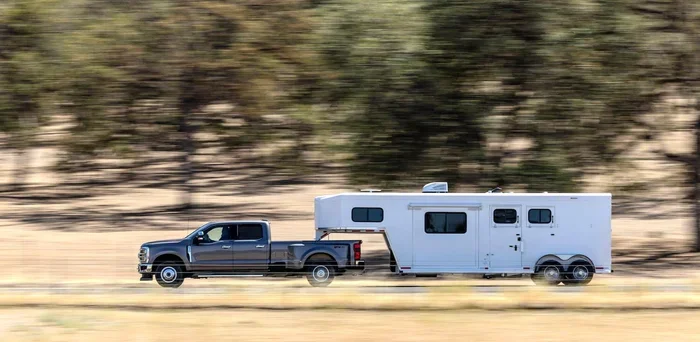
On the other hand, some drivers need significantly more towing power. Horse owners, boaters, and contractors hauling heavy equipment will quickly exceed a 500-pound limit. These users should look for vehicles with towing ratings of 2,000 lbs or higher.
If you are unsure about your needs, start by listing everything you plan to tow in a typical year. Add up the weights and compare them to your vehicle’s towing limits. This simple exercise gives you a clear picture of whether 500 lbs towing capacity fits your lifestyle.
Final Thoughts on 500 lbs Towing Capacity
500 lbs towing capacity is a practical and capable limit for many everyday towing tasks. It handles small trailers, bikes, camping gear, and utility equipment with ease. The key is to understand your limits, use the right equipment, and follow best practices for weight distribution and driving habits.
Never exceed your vehicle’s rated capacity. Invest in quality towing equipment and take the time to distribute weight properly. These habits protect your vehicle, your cargo, and everyone on the road.
If you found this guide helpful, share it with a friend who is considering their first towing setup. And always remember that safe towing starts with knowing your numbers. Happy trails!
Frequently Asked Questions
Can I tow a small camper with 500 lbs towing capacity?
Yes, you can tow a small pop-up camper or tent trailer with a 500 lbs towing capacity. Most compact campers weigh between 300 and 500 pounds when loaded. Just make sure you factor in the camper’s weight plus any gear you plan to bring. Always stay at or below your vehicle’s rated towing limit.
What happens if I exceed my 500 lbs towing capacity?
Exceeding your towing capacity puts extra strain on your engine, transmission, and brakes. It can also cause the trailer to sway uncontrollably, making the vehicle difficult to steer. Over time, this leads to premature wear and costly repairs. In the worst case, it can cause accidents on the road.
Do I need a special license to tow with 500 lbs capacity?
In most states and countries, you do not need a special license for towing under 500 lbs. However, regulations vary by location. Some areas have specific rules for trailers over a certain weight. Always check your local towing regulations before hitting the road.
Can I increase my 500 lbs towing capacity?
You cannot safely increase your vehicle’s factory-rated towing capacity. The limit is based on your engine, brakes, and frame design. Adding aftermarket parts like a stronger hitch or better brakes does not change the fundamental towing limit. Always stay within the manufacturer’s recommended towing rating.
What is the difference between towing capacity and payload capacity?
Towing capacity is the maximum weight your vehicle can pull behind it on a trailer. Payload capacity is the maximum weight your vehicle can carry inside it, including passengers, cargo, and fuel. Both numbers are important and are listed in your owner’s manual.
Is 500 lbs enough for a motorcycle trailer?
Yes, 500 lbs towing capacity is typically enough for a motorcycle trailer. Most single-motorcycle trailers weigh between 100 and 300 pounds. This leaves plenty of room for the motorcycle and any gear you want to bring along. Just make sure the trailer is properly balanced and secured before driving.
=== CONCLUSION ===
500 lbs towing capacity is a practical and versatile limit that serves many drivers well. Whether you are hauling a small trailer, towing bikes, or carrying camping gear, this capacity covers a wide range of everyday needs. The key to safe and successful towing is understanding your limits, using the right equipment, and following best practices for weight distribution and driving habits.
Remember to always check your vehicle’s towing capacity in the owner’s manual, invest in quality towing equipment, and never exceed the rated limit. With the right setup and a little preparation, 500 lbs towing capacity will serve you reliably for many trips to come. Safe travels and happy hauling!