Car Door Rain Guard Stop Rain From Ruining Your Ride
A car door rain guard is a simple yet powerful accessory that keeps rain, wind, and debris out of your vehicle while still letting fresh air in. Installing one can transform your driving experience during stormy weather and protect your car’s interior from water damage. This guide covers everything you need to know about choosing, installing, and maintaining the perfect rain guard for car doors.
Ever pulled out of a parking spot only to realize the rain started pouring? You crack your window just a little to stay cool, and within seconds, water streams across your dashboard. It is a frustrating moment that happens to almost every driver. A car door rain guard solves this problem completely.
These simple yet effective accessories have been around for years, but many car owners still do not know they exist. A car door rain guard is a thin strip or channel that attaches to the top of your car door window. It redirects rainwater away from the opening so air can still flow in without letting moisture inside. The result? You get fresh airflow during wet weather without the mess.
Whether you drive a sedan, SUV, or truck, there is a rain guard for car doors that fits your vehicle. In this guide, we will walk you through everything you need to know. From the different types available to installation tips and maintenance advice, you will find all the details right here. Let us dive in and explore how a car door rain guard can upgrade your driving experience.
Key Takeaways
- Protection from rain and wind: A car door rain guard blocks water from entering your vehicle while driving with windows slightly open.
- Multiple types available: You can choose from adhesive, clip-on, and in-channel rain guards depending on your car and preference.
- Easy installation: Most car door rain guards can be installed at home in under 30 minutes with basic tools.
- Improved air circulation: Rain guards let you ventilate your car even during heavy rain without soaking the interior.
- Interior protection: These guards help prevent water damage to seats, carpets, and electronics inside your vehicle.
- Cost-effective solution: A car door rain guard is an affordable accessory that saves you from costly interior repairs caused by water damage.
📑 Table of Contents
- What Is a Car Door Rain Guard and Why Do You Need One?
- How Car Door Rain Guards Work
- Types of Car Door Rain Guards
- Benefits of Installing a Car Door Rain Guard
- How to Choose the Right Car Door Rain Guard
- Installation Tips for Car Door Rain Guards
- Maintaining Your Car Door Rain Guard
- Expert Insights: Why Mechanics Recommend Car Door Rain Guards
- Conclusion
What Is a Car Door Rain Guard and Why Do You Need One?
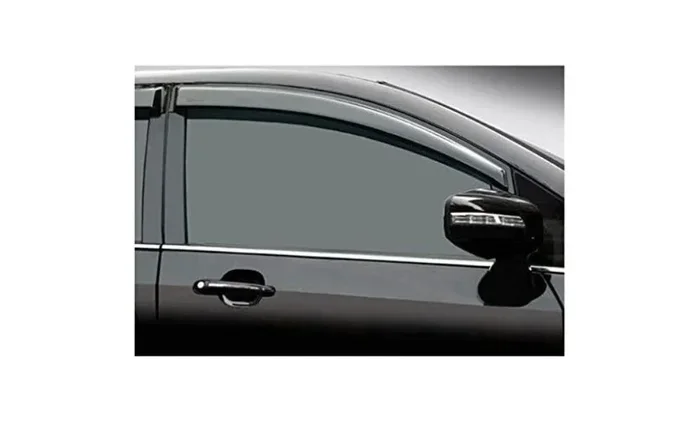
A car door rain guard is a weather protection accessory that mounts along the top edge of your car door window. It creates a channel that guides rainwater away from the window opening. This allows you to keep your windows cracked open during rain without worrying about water leaking into your car.
You might also hear people call them rain deflectors, window visors, or door visors. While these terms sometimes refer to slightly different products, they all serve a similar purpose. The main goal is to protect your car interior from water damage while still allowing ventilation.
Here is why a car door rain guard matters more than you might think:
- Water damage prevention: Rainwater can ruin your car seats, carpeting, and even electronic components over time.
- Comfort during drives: You can enjoy fresh air even on rainy days without getting wet inside.
- Fog reduction: Letting air circulate through a slightly open window helps reduce fog on your windshield.
- Resale value: Keeping your car interior dry and damage-free helps maintain its value over the years.
Many drivers underestimate how much water can enter through a small window gap during a downpour. A single heavy rainstorm can soak your seats and leave a musty smell that lingers for weeks. A car door rain guard is a small investment that prevents big problems down the road.
Who Benefits Most from a Car Door Rain Guard?
Almost every driver can benefit from a rain guard for car doors. However, certain groups find them especially useful:
- Commuters who park outdoors: If your car sits outside during storms, a rain guard helps you ventilate the car without soaking it.
- Parents with young kids: Kids often need fresh air, and a rain guard lets you crack the window safely even in wet weather.
- Pet owners: Dogs and cats love fresh air during car rides, and a car door rain guard keeps the interior dry.
- People in rainy climates: If you live in a region with frequent rain, this accessory becomes almost essential.
- Fuel-efficient drivers: Using air conditioning less by cracking windows saves fuel, and a rain guard makes this possible in any weather.
How Car Door Rain Guards Work
The science behind a car door rain guard is surprisingly simple. When rain hits your car while a window is slightly open, water naturally follows gravity downward. Without a guard, it slides right into your car through the window gap.
A car door rain guard changes this flow. It sits along the top edge of the door window and creates a small ledge. Rainwater hits this ledge and slides off to the side instead of entering the car. At the same time, air flows freely through the window opening because the guard does not block it completely.
Think of it like an awning above a doorway. It keeps the rain off you while you walk through. A rain blocker for your car door works on the exact same principle, just scaled down to fit your vehicle.
Airflow Dynamics Explained
One of the most impressive things about car door rain guards is how well they manage airflow. When you drive with a window cracked open, air naturally moves through the car. The guard shapes this airflow so that rain droplets are deflected upward and outward.
Here is what happens step by step:
- Rain hits the car door area while your window is slightly open.
- The car door rain guard catches the raindrops at the top of the window opening.
- Gravity pulls the water along the guard and off the edge of the door.
- Air continues to flow through the window gap freely.
- Your car interior stays dry and ventilated.
This process happens seamlessly while you drive. You barely notice the guard is there, but your car interior stays completely protected. It is one of those smart car accessories that you do not realize you need until you have one installed.
Types of Car Door Rain Guards
Not all car door rain guards are the same. Different styles offer different benefits depending on your car model and personal preference. Let us look at the most common types available on the market.
Adhesive Rain Guards
Adhesive rain guards are the most popular type of car door rain guard. They come with a strong adhesive backing that sticks directly to the door frame above the window. Installation is straightforward, and they sit flush against the car for a clean look.
These guards are usually made from durable acrylic or polycarbonate material. They are thin, lightweight, and designed to withstand years of exposure to sun, rain, and wind. Most adhesive rain guards for car doors come with a pre-cut design specific to certain car models.
Key benefits of adhesive rain guards include:
- Sleek, factory-like appearance
- Secure fit with strong adhesive
- Model-specific designs for a perfect fit
- Easy to remove if needed
- Affordable pricing compared to other options
Clip-On Rain Guards
Clip-on rain guards attach to the door window channel using small clips. They do not require any adhesive, which makes them a great option for people who want a non-permanent solution.
These door window shields are slightly bulkier than adhesive guards but offer easy removal and repositioning. They work well for cars where the adhesive option might not stick properly due to the door frame design.
Clip-on auto rain guards are also great because you can move them between vehicles easily. If you switch cars frequently, a clip-on system gives you flexibility without any messy installation.
In-Channel Rain Guards
In-channel rain guards fit inside the door window channel itself. They slide into the track where your window moves up and down. This type of car door rain guard is nearly invisible from the outside because it sits hidden inside the door.
In-channel guards provide excellent protection because they are positioned right where rain enters. They also do not interfere with the window operation. You can still roll your window up and down normally while the guard is installed.
The downside is that installation can be slightly more involved. You need to carefully measure and fit the guard into the channel. But once installed, in-channel rain deflectors offer a clean, seamless look.
Comparison Table
| Type | Installation | Appearance | Removability | Price Range |
|---|---|---|---|---|
| Adhesive Rain Guard | Easy, 10-15 min | Sleek and flush | Difficult to remove | $10-$25 |
| Clip-On Rain Guard | Very easy, 5-10 min | Slightly visible | Easy to remove | $8-$20 |
| In-Channel Rain Guard | Moderate, 15-20 min | Hidden and clean | Moderate to remove | $15-$35 |
Benefits of Installing a Car Door Rain Guard
Installing a car door rain guard offers benefits that go far beyond just keeping rain out. Let us explore the many advantages of adding this simple accessory to your vehicle.
1. Protects Your Car Interior
Water damage is one of the most common and expensive car problems. Rain that enters through window gaps can soak your seats, ruin your carpet, and damage electrical components. A car door rain guard acts as a first line of defense against this type of damage.
Over time, moisture buildup can lead to mold and mildew growth inside your car. This creates unpleasant odors and can even affect your health. By keeping water out, a rain guard for car doors helps maintain a clean, healthy interior environment.
2. Improves Ventilation in All Weather
One of the best features of a car door rain guard is that it lets you ventilate your car in any weather. On a hot summer day, cracking a window provides welcome relief without running the air conditioner constantly.
During cooler weather, fresh air circulation prevents window fogging. You can keep your visibility clear without constantly using the defroster. This small convenience adds up to a much more comfortable driving experience throughout the year.
3. Enhances Your Car’s Appearance
Modern car door rain guards are designed to complement your vehicle’s look. They come in various styles and finishes that match your car’s exterior. Many drivers choose guards that match their car’s color or tint for a seamless appearance.
Beyond aesthetics, rain guards also protect your car’s paint. By deflecting rainwater away from the door frame and window seal, they reduce exposure to moisture that can cause rust and corrosion over time.
4. Saves on Fuel Costs
Running your air conditioner constantly burns more fuel. With a car door rain guard, you can use natural ventilation more often, even during light rain. This reduces your reliance on the AC and can improve your fuel efficiency slightly over time.
While the fuel savings alone may not justify the purchase, they are a nice bonus on top of all the other benefits. Every little bit helps when it comes to managing your driving costs.
5. Quick and Easy to Install
Most car door rain guards can be installed in under 30 minutes without any special tools. You do not need to visit a mechanic or spend money on professional installation. The process is simple enough that anyone can do it at home.
This ease of installation means you can protect your car from rain damage right away. No waiting for appointments, no extra costs. Just unbox the guard, clean the surface, and stick it on.
6. Affordable Car Accessory
Compared to other car accessories and weather protection products, a car door rain guard is remarkably affordable. Most sets cost between $10 and $35 for a full set of four doors. This small investment can save you hundreds of dollars in interior repairs over the years.
How to Choose the Right Car Door Rain Guard
With so many options available, choosing the right car door rain guard can feel overwhelming. Here are the key factors to consider before making your purchase.
Check Compatibility with Your Vehicle
The most important step is ensuring the guard fits your specific car model. Many manufacturers offer model-specific rain guards for car doors that are pre-cut to match your vehicle’s window shape. Always check the compatibility list before buying.
If you cannot find a model-specific guard, universal-fit options are also available. These require a bit more trimming during installation but can work with almost any vehicle.
Consider the Material
Car door rain guards are typically made from three materials:
- Acrylic: Clear, lightweight, and affordable. The most common material for adhesive guards.
- Polycarbonate: More durable and impact-resistant than acrylic. Slightly more expensive.
- Rubber: Flexible and weather-resistant. Often used for in-channel and clip-on styles.
Each material has its strengths. Acrylic offers clarity and affordability. Polycarbonate provides superior durability. Rubber offers flexibility and a snug fit in channels. Choose based on your climate, budget, and preference.
Think About Your Installation Preference
Do you prefer a permanent or removable solution? This question will guide your choice between adhesive and clip-on styles. If you plan to keep the guard long-term, adhesive is the way to go. If you want flexibility, clip-on or in-channel options work better.
Read Reviews and Ratings
Before purchasing any car door rain guard, take time to read customer reviews. Look for feedback on durability, ease of installation, and real-world performance. Reviews from other car owners with the same model can be especially helpful.
Installation Tips for Car Door Rain Guards
Installing a car door rain guard is a straightforward process, but proper preparation makes all the difference. Follow these tips for the best results.
Step-by-Step Installation Guide
- Clean the door surface: Use rubbing alcohol to wipe the area where the guard will be attached. Remove any dirt, grease, or wax. This ensures the adhesive bonds properly.
- Dry the surface completely: Make sure the area is dry before proceeding. Any moisture can weaken the adhesive bond.
- Hold the guard in place: Position the guard along the top edge of the window channel. Use painter’s tape to temporarily hold it while you check the fit.
- Press firmly into place: Remove the adhesive backing and press the guard firmly onto the door. Apply even pressure across the entire length.
- Hold for 30 seconds: Keep pressure on the guard for at least 30 seconds to ensure a strong initial bond.
- Wait before rolling down the window: Allow the adhesive to set for at least 24 hours before rolling your window down. This ensures maximum bond strength.
Quick Tips for a Perfect Fit
- Install your car door rain guard on a warm, dry day for the best adhesive bond.
- Use a hair dryer to gently warm the adhesive if you need to adjust the position.
- Have a friend help hold the guard in place while you check the alignment.
- Double-check that the guard does not interfere with window operation before final pressing.
- Keep the window slightly open during installation to test the fit as you go.
Common Mistakes to Avoid
Even though installation is simple, some common mistakes can reduce the effectiveness of your car door rain guard. Avoid these pitfalls:
- Skipping surface cleaning: Dirty surfaces lead to weak adhesion. Always clean with rubbing alcohol first.
- Rushing the process: Take your time to align the guard properly. Misalignment leads to gaps where rain can enter.
- Rolling the window too soon: Waiting less than 24 hours can cause the guard to peel off.
- Choosing the wrong size: Universal guards that are too long or short will not provide proper coverage.
- Ignoring manufacturer instructions: Each brand may have specific tips for the best results.
Maintaining Your Car Door Rain Guard
A car door rain guard is built to last, but proper maintenance extends its lifespan significantly. With basic care, your guards can protect your car for years without needing replacement.
Clean your rain guards regularly with a mild soap solution and a soft cloth. This removes dirt, bugs, and road grime that can build up along the guard’s surface. Avoid using harsh chemicals or abrasive cleaners that could damage the material.
Check the adhesive bond every few months. If you notice any lifting edges, press them back down firmly. For clip-on guards, inspect the clips for wear and tighten them if needed.
In harsh weather conditions, give your guards a quick inspection after severe storms. Look for cracks, peeling, or displacement. Catching minor issues early prevents them from becoming bigger problems.
With proper care, a quality car door rain guard will continue to perform reliably season after season. It is a low-maintenance accessory that delivers high-value protection for your vehicle.
Expert Insights: Why Mechanics Recommend Car Door Rain Guards
Many automotive experts and mechanics recommend installing a car door rain guard as part of routine car care. The reasoning is simple: prevention is always cheaper than repair.
Water damage to car interiors is one of the most common insurance claims for vehicle owners. A small investment in rain protection can prevent expensive repairs to seats, wiring, and interior panels. Mechanics see the damage caused by neglected rain protection far too often.
According to automotive specialists, the best time to install a car door rain guard is when you first purchase your car or during routine maintenance. Early installation means your car stays protected from day one, and you avoid the cumulative effects of moisture exposure over months and years.
Conclusion
A car door rain guard is one of the simplest and most effective ways to protect your vehicle from rain damage. It keeps your interior dry, improves ventilation, and enhances your overall driving comfort. Whether you choose an adhesive, clip-on, or in-channel style, the benefits are clear and long-lasting.
This affordable car accessory pays for itself many times over by preventing water damage and extending the life of your car’s interior. If you have been dealing with wet seats, foggy windows, or musty odors after rainstorms, a car door rain guard is the solution you have been looking for.
Take a few minutes today to explore your options and find the perfect rain guard for car doors for your vehicle. Your car and your future self will thank you every time you drive through a rainstorm with confidence and comfort.
Frequently Asked Questions
Can I install a car door rain guard myself?
Yes, absolutely. Most car door rain guards are designed for DIY installation and come with clear instructions. You will need basic cleaning supplies and about 15 to 30 minutes per door. No special tools or mechanical skills are required.
Will a car door rain guard affect my window operation?
No, a properly installed car door rain guard does not interfere with window operation. You can still roll your windows up and down normally. The guard sits along the top edge of the window channel and does not block the window’s movement path.
How long do car door rain guards last?
High-quality rain guards for car doors typically last between 3 and 5 years with proper care. The adhesive bond may weaken over time, but the guard itself remains functional. Regular cleaning and inspection help maximize their lifespan significantly.
Are car door rain guards removable?
It depends on the type. Adhesive guards are designed for permanent installation but can be removed carefully with a heat gun. Clip-on guards are easily removable by hand. In-channel guards can be slid out of the window track without tools.
Can I use a car door rain guard on any vehicle?
Most car door rain guards are compatible with a wide range of vehicles. Many brands offer model-specific fits for popular car models. Universal-fit options are also available and can be trimmed to fit almost any car door window.
Do car door rain guards really work in heavy rain?
Yes, quality car door rain guards are tested to work effectively in heavy rain. They deflect water away from the window opening while still allowing air to flow through. However, they work best when windows are only cracked open slightly, not fully lowered during a storm.