Can I Do My Own Car Diagnostics Without A Mechanic
Yes, you can do your own car diagnostics with the right tools and a little know-how. OBD2 scanners and basic car troubleshooting skills let you read engine codes and fix common issues yourself. This guide shows you exactly how to save money and time on DIY car repair today.
Have you ever stared at your dashboard and wondered, can I do my own car diagnostics? Maybe your check engine light just popped on, and your stomach dropped. The idea of paying a mechanic hundreds of dollars for a simple scan feels unfair. The good news is that you really can diagnose many car problems yourself. You do not need a degree in engineering or a garage full of expensive tools. With the right car diagnostic tool and a bit of patience, you can figure out what your vehicle is trying to tell you. This guide walks you through everything you need to know about DIY car diagnostics and onboard diagnostics systems.
Cars today are smarter than ever. They have computers everywhere. These computers monitor sensors, fuel systems, emissions, and more. When something goes wrong, your car sends you a signal. That signal might be a warning light, a strange noise, or a change in how the car drives. Vehicle maintenance used to mean popping the hood and hoping for the best. Now, you can plug a small device into your car and get real answers. This is what makes self-diagnosis so powerful and exciting for everyday drivers.
Key Takeaways
- You can absolutely do car diagnostics yourself: modern tools make it simple and affordable.
- An OBD2 scanner is your best friend: it reads fault codes and tells you what’s wrong fast.
- Many common car problems are easy to diagnose: from check engine lights to sensor issues.
- Know when to call a pro: some problems need expert tools and trained hands.
- DIY diagnostics save you hundreds: you avoid shop labor costs for simple checks.
- Free scan options exist: many auto parts stores offer no-cost diagnostic reads.
- Basic car maintenance knowledge goes a long way: it helps you spot problems early.
📑 Table of Contents
- What Is Car Diagnostics and How Does It Work?
- Why People Choose to Diagnose Their Own Cars
- Tools You Need for DIY Car Diagnostics
- Step-by-Step Guide to Diagnosing Your Vehicle
- Common Car Problems You Can Diagnose Yourself
- When You Should Still See a Mechanic
- Free Options for Car Diagnostics
- Final Thoughts on DIY Car Diagnostics
What Is Car Diagnostics and How Does It Work?
Before you grab a tool, it helps to understand what car diagnostics actually means. Diagnostics is the process of finding problems in your vehicle using data and codes. Modern cars use a system called onboard diagnostics, or OBD for short. This system is basically a built-in computer network inside your car.
Your car has many sensors spread throughout the engine, transmission, brakes, and exhaust system. These sensors constantly send data to the main computer, also called the ECU or Engine Control Unit. The ECU watches everything. If a sensor reading falls outside the normal range, the ECU stores a diagnostic trouble code, or DTC. This code is what lights up your check engine light.
How OBD2 Changed Everything
Before 1996, every car maker used its own diagnostic system. That meant mechanics needed special tools for each brand. Then the government stepped in and created a universal standard called OBD2. OBD2 stands for On-Board Diagnostics II. Since 1996, all cars sold in the United States use this standard. This change made car diagnostics way more accessible to regular people.
Now, one scanner can read codes from almost any car. The scanner plugs into a port under your dashboard. It talks to your car’s computer and pulls out the stored codes. These codes give you a starting point for car troubleshooting. They tell you which system or sensor is causing trouble. You can then research what the code means and decide how to fix it.
Why People Choose to Diagnose Their Own Cars
There are many reasons people want to learn DIY car diagnostics. Let us look at the biggest ones.
Save Money on Auto Repair
Taking your car to a shop can cost a lot. Many mechanics charge a diagnostic fee just to hook up a computer. That fee alone can range from $50 to $150. And that is before they even start fixing anything. If the problem turns out to be something simple, you have still paid a big chunk of change. When you do your own car diagnostic, you skip that fee entirely.
Understand Your Vehicle Better
Knowing what is going on under the hood gives you confidence. You stop feeling scared when a warning light comes on. You become a smarter car owner. You can also spot small problems before they turn into big, expensive repairs. Vehicle maintenance is much easier when you understand the basics.
Avoid Unnecessary Repairs
Some shops might suggest work you do not really need. When you can read your own codes, you know exactly what the problem is. You can make informed decisions about car repair. You can choose to fix it yourself or get a fair quote from a trusted shop. This puts you in control.
Quick and Convenient
You do not need to drive to a shop or wait for an appointment. You can check your car in your own driveway at any time. Engine diagnostics take just a few minutes once you have the right tool. This convenience is a huge benefit for busy people.
Tools You Need for DIY Car Diagnostics
The great thing about DIY car diagnostics is that you do not need a lot of fancy equipment. Here is what you will want to have on hand.
An OBD2 Scanner
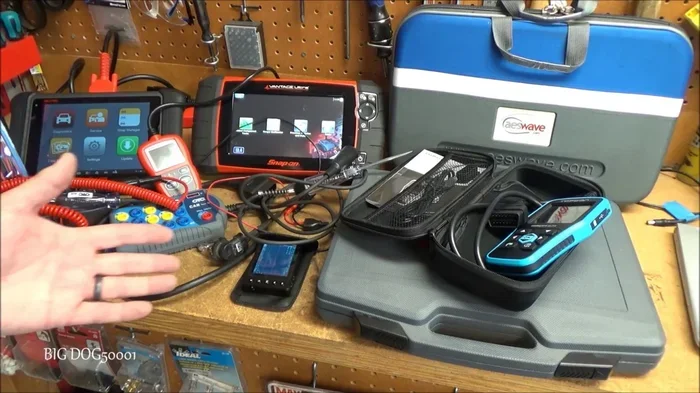
This is the most important tool you will buy. An OBD2 scanner plugs into your car’s diagnostic port and reads the codes. There are many options at different price points.
- Basic code readers: These cost $20 to $50. They read and clear codes. They do not give much extra information. They work great for simple check engine light checks.
- Mid-range scanners: Priced from $50 to $150. These give you more details about each code. Some include live data streams and freeze frame data.
- Advanced diagnostic tools: These run from $150 to $500 or more. They offer deep engine diagnostics, ABS scanning, and transmission data. Brands like Autel and Launch make these.
- Bluetooth or WiFi scanners: These connect to your phone or tablet. Apps like Torque or Car Scanner turn your device into a full diagnostic tool. These are very popular for DIY car repair.
A Multimeter
A multimeter measures voltage, resistance, and current. It helps you test sensors, wiring, and electrical connections. You do not need a fancy one. A basic digital multimeter from any hardware store works great for automotive repair.
Your Car’s Owner Manual
Do not overlook this. Your owner manual tells you where the diagnostic port is. It also explains what each warning light means. It is a free and very useful resource for car troubleshooting.
Free Online Resources
Websites like OBD-Codes.com and RepairPal let you look up diagnostic trouble codes for free. You type in your code and get a detailed explanation of what it means. These resources are goldmines for self-diagnosis.
Step-by-Step Guide to Diagnosing Your Vehicle
Now that you have your tools, let us walk through the process. Following these steps makes car diagnostics simple and stress-free.
Step 1: Find Your OBD2 Port
Look under your dashboard on the driver’s side. The OBD2 port is usually near the steering column. It is a small, trapezoidal plug with 16 pins. Some cars hide it behind a small cover or flap. Check your owner manual if you cannot find it.
Step 2: Plug In Your Scanner
Turn off your car and plug the scanner into the port. Then turn the ignition to the “on” position. Do not start the engine. The scanner will power up and connect to your car’s computer. Wait for it to initialize.
Step 3: Read the Codes
Follow the scanner’s instructions to read stored codes. The scanner will display fault codes or DTCs. Write them down or take a photo with your phone. Each code starts with a letter followed by four numbers. The letter tells you the system affected:
- P = Powertrain (engine and transmission)
- B = Body (airbags, sensors, comfort systems)
- C = Chassis (brakes, suspension)
- U = Network (communication between computers)
Step 4: Look Up What the Codes Mean
Now take those codes and research them. Use a reliable website or your scanner’s built-in database. Do not just guess what a code means. For example, a P0301 code means a misfire in cylinder one. A P0420 code means the catalytic converter is not working efficiently. Understanding the code helps you decide the next step in car troubleshooting.
Step 5: Check Live Data (If Your Scanner Supports It)
Many modern scanners let you see live data from your car’s sensors while the engine runs. You can watch things like engine RPM, coolant temperature, oxygen sensor readings, and fuel trim values. This live data helps you see problems in real time. It is a powerful feature for deeper engine diagnostics.
Step 6: Clear the Codes and Test Drive
After you understand the problem, you can use your scanner to clear the codes. Then take a short test drive. If the light comes back on, the problem is still there. If it stays off, you may have fixed the issue. However, be careful. Some lights will return if the underlying problem is not truly resolved.
Quick Tips for Better Results
- Always check your gas cap first. A loose cap can trigger the check engine light.
- Write down codes in order they appear. The order can help you find the root cause.
- Do not clear codes before researching them. You need the codes to guide your investigation.
- Use freeze frame data when available. It shows what conditions existed when the code was set.
- Keep a log of codes and fixes for your vehicle. This helps with future vehicle maintenance.
Common Car Problems You Can Diagnose Yourself
Many car issues fall into categories that are perfect for DIY car diagnostics. Here are the most common ones.
Check Engine Light Issues
The check engine light is the most common reason people use a scanner. The light can mean many things. It could be something minor like a loose gas cap. Or it could signal a more serious problem like a failing oxygen sensor. Reading the code gives you the answer. Many OBD2 scanner users find that simple fixes resolve the light quickly.
Sensor Failures
Cars have many sensors. The oxygen sensor, mass airflow sensor, and crankshaft position sensor are among the most common to fail. When a sensor goes bad, it often triggers a specific code. Replacing a sensor is usually a straightforward auto repair job that most people can handle with basic tools.
Emissions Problems
If your car is failing emissions tests, a scanner can help you find the cause. Codes related to the catalytic converter, EVAP system, or exhaust gas recirculation system are common culprits. Engine diagnostics can pinpoint exactly which part of the emissions system is failing.
Battery and Charging Issues
Dead batteries and alternator problems are easy to diagnose with a multimeter. You can test battery voltage and charging output yourself. This saves you from paying a shop to test something that takes just a few minutes.
Transmission Warning Lights
Transmission problems can be expensive if you do not catch them early. A scanner can read transmission-related codes and help you identify issues before they become major repairs. Early car diagnostic checks on your transmission can save you thousands.
When You Should Still See a Mechanic
DIY car diagnostics are amazing, but they do not replace a professional mechanic for every situation. Here are times when you should seek expert help.
Complex or Intermittent Problems
Some issues are tricky. They come and go, or they involve multiple systems working together. A fault code might point you in the right direction, but finding the root cause could require advanced equipment and experience. If you have tried basic diagnostics and cannot find the problem, it is time to call a pro.
Safety-Critical Systems
Never try to diagnose or repair your brakes, airbags, or steering systems on your own. These systems are safety-critical. A mistake could put you and others at serious risk. Leave these jobs to trained professionals with the right diagnostic equipment.
When You Need Specialized Tools
Some repairs need tools that are too expensive for a casual car owner. Things like hydraulic presses, engine hoists, or specialized automotive repair machines belong in a professional shop. You can diagnose the problem yourself, but leave the heavy lifting to the experts.
When You Are Not Comfortable
There is no shame in admitting that a repair is beyond your skill level. Car repair should not be stressful or dangerous. If something feels wrong or you are unsure, get a second opinion from a trusted mechanic. Vehicle maintenance is about keeping your car safe and reliable.
Free Options for Car Diagnostics
You do not always need to buy a scanner to get car diagnostics done. Several free or low-cost options exist.
- Auto parts stores: Many stores like AutoZone and O’Reilly offer free code reads. They plug in their scanner and tell you what the codes mean. This is a great way to start car troubleshooting without spending a dime.
- Online code databases: Websites and forums let you look up codes for free. You type in your code and get detailed explanations and common fixes.
- Car forums and communities: Other car owners have likely experienced the same code. Forums are a great place to get advice and real-world solutions for DIY car repair.
These free resources make self-diagnosis accessible to everyone. You do not need to invest in expensive equipment right away. Start with a free scan and see what you learn.
Final Thoughts on DIY Car Diagnostics
So, can I do my own car diagnostics? The answer is a clear yes. The tools are affordable. The process is simpler than most people think. You can read engine codes, understand what they mean, and tackle many common problems yourself. Car diagnostics put you in the driver’s seat when it comes to vehicle maintenance and auto repair.
Start small. Get a basic scanner and practice reading codes. Learn what your car is telling you. Over time, you will build confidence and knowledge. You will save money, avoid unnecessary trips to the shop, and feel proud of your skills. DIY car diagnostics are one of the best investments you can make as a car owner. The next time your check engine light comes on, you will not panic. You will grab your scanner, read the code, and take action. That is the power of knowing your car.
Frequently Asked Questions
Do I need any special training to do car diagnostics at home?
No special training is needed. A basic OBD2 scanner is easy to use, and many come with simple instructions. You just plug it in, read the codes, and look up what they mean online. Free resources and video tutorials make DIY car diagnostics accessible to anyone.
How much does a good OBD2 scanner cost?
Basic code readers start around $20 and work well for most drivers. Mid-range scanners cost $50 to $150 and offer more features like live data and freeze frame info. You do not need an expensive tool to get started with car diagnostics.
Can I clear the check engine light myself?
Yes, most OBD2 scanners let you clear codes and turn off the check engine light. However, make sure you fix the underlying problem first. If you clear the light without fixing the issue, it will usually come back. Car troubleshooting should always come before clearing codes.
Are free scans at auto parts stores reliable?
Yes, free scans at stores like AutoZone are reliable for reading codes. They use professional-grade scanners and can tell you what the codes mean. Keep in mind that a code tells you what system has a problem, but it does not always tell you the exact fix. Engine diagnostics from a free scan are a great starting point.
What is the difference between OBD and OBD2?
OBD was the original onboard diagnostic system used before 1996. Every car maker had its own version. OBD2 is the standardized system used in all cars sold in the US since 1996. OBD2 uses universal connectors and a standardized set of diagnostic trouble codes, making self-diagnosis much easier.
Will doing my own diagnostics void my car warranty?
In most cases, using an OBD2 scanner to read codes does not void your warranty. However, if you make a repair that causes further damage, that could be an issue. Always check your warranty terms and be careful. When in doubt, consult a professional for automotive repair questions.
=== CONCLUSION ===
Can I do my own car diagnostics? Absolutely. You now have all the knowledge you need to get started. From understanding how onboard diagnostics work to picking the right car diagnostic tool, you are well on your way. The key is to start simple, use reliable resources, and build your skills over time. DIY car diagnostics save you money, build your confidence, and help you take better care of your vehicle. Grab a scanner, read those codes, and take charge of your car repair journey today.