Can I Put Too Much Weight in My Car Without Damage
Can I put too much weight in my car? The answer is yes, and overloading can cause serious damage to your vehicle. Exceeding your gross vehicle weight rating strains your suspension, tires, and brakes. This guide covers safe weight limits, warning signs, and how to avoid costly repairs from overloading your car.
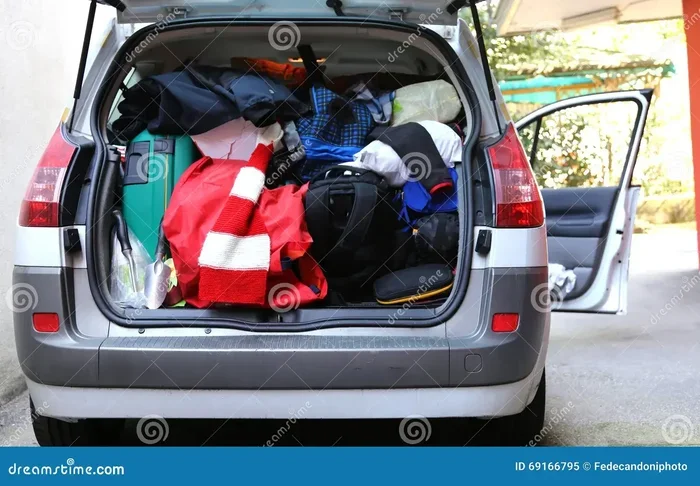
Have you ever loaded up your car for a road trip and wondered, Can I put too much weight in my car? It is a question many drivers ask, especially before a big move or camping trip. The short answer is yes. Putting too much weight in your vehicle can cause serious damage. It can also create dangerous driving conditions. Understanding your car’s limits keeps you safe and saves money on repairs.
Every vehicle comes with a weight limit set by the manufacturer. This limit is called the gross vehicle weight rating, or GVWR. Going over this number puts stress on many parts of your car. Your suspension, tires, brakes, and engine all feel the strain. In this article, we will explore everything you need to know about vehicle payload capacity. You will learn how to find your car’s limit, what happens when you exceed it, and how to load your car the right way.
Key Takeaways
- Every car has a weight limit: Exceeding your payload capacity can cause real damage.
- Overloading affects safety: Heavy loads increase stopping distance and reduce handling.
- Check your door jamb sticker: This tells you your exact gross vehicle weight rating.
- Tires suffer most: Too much weight causes blowouts and uneven wear.
- Load distribution matters: How you pack your cargo affects vehicle balance.
- Know the signs of overload: Sagging suspension and difficult steering are red flags.
- Prevention is simple: Weigh your cargo and stay within limits.
📑 Table of Contents
What Is Your Car’s Weight Limit?
Every car, truck, and SUV has a maximum weight it can safely carry. This includes the weight of passengers, cargo, and any equipment you add. The payload capacity is the amount of weight your vehicle can handle beyond its own curb weight. Curb weight is how much your car weighs when empty, with a full tank of gas but no passengers or cargo.
Finding Your Vehicle’s Weight Limit
You do not need to guess your car’s limit. The information is right there on your vehicle. Here is where to look:
- Door jamb sticker: Open your driver’s door and look at the sticker on the frame. This sticker lists your GVWR and curb weight.
- Owner’s manual: Your manual has a section on vehicle specifications and maximum cargo weight.
- Online resources: Many manufacturers publish weight specs on their websites for each model.
- Tire placard: This shows the maximum tire pressure and load rating for your wheels.
Once you know your gross vehicle weight rating, subtract your curb weight. The result is your payload capacity. For example, if your car has a GVWR of 4,500 pounds and a curb weight of 3,200 pounds, your payload is 1,300 pounds. That includes all passengers and everything in the trunk and cargo area.
What Happens When You Overload Your Car?
So what actually happens when you ignore the limit? Putting too much weight in your car causes a chain of problems. Each problem affects a different part of your vehicle. Let us break it down.
Strain on the Suspension System
Your suspension system is designed to handle a specific amount of weight. When you exceed it, the springs and shocks work overtime. Over time, this leads to premature wear. You may notice your car sitting lower at the rear. Bumps feel harsher. The ride becomes uncomfortable. In severe cases, suspension components can fail completely. Replacing a suspension system is expensive and avoidable.
Tire Damage and Blowouts
Tires are one of the first parts to suffer from overloading a vehicle. Extra weight increases the friction between the tire and the road. This causes tires to overheat. Overheated tires wear out faster and are more likely to blow out. A tire blowout at highway speed is extremely dangerous. You also lose fuel efficiency because overloaded tires create more rolling resistance.
Braking Problems
Heavy loads increase your braking distance. This means it takes longer to stop. In an emergency, those extra feet matter. Your brake pads and rotors also wear out faster under heavy loads. If you frequently carry heavy cargo, consider upgrading to high-performance brakes. But the best fix is simply staying within your weight limit.
Engine and Transmission Stress
Your engine works harder when the car is heavy. This leads to overheating and reduced engine life. The transmission also suffers. It has to work harder to move a heavy load. Over time, this can lead to costly transmission repairs. Engine strain from overloading is one of the most overlooked causes of premature vehicle failure.
Handling and Stability Issues
A heavily loaded car handles differently. It may feel sluggish or unresponsive in turns. The center of gravity shifts, making rollover risk higher, especially in SUVs and vans. Handling problems from heavy loads can catch drivers off guard, particularly during sharp maneuvers or emergency lane changes.
How Much Weight Is Too Much?
The answer depends on your specific vehicle. A compact sedan has a much lower payload capacity than a full-size truck. Here are some general guidelines to help you understand maximum cargo weight by vehicle type.
| Vehicle Type | Average Curb Weight | Average Payload Capacity | Common Overload Mistakes |
|---|---|---|---|
| Compact Sedan | 2,800–3,200 lbs | 800–1,000 lbs | Filling trunk with heavy luggage for a trip |
| Mid-Size SUV | 4,000–4,500 lbs | 1,000–1,300 lbs | Overpacking for a family vacation |
| Full-Size Pickup | 5,000–5,500 lbs | 1,500–2,000 lbs | Overfilling the truck bed with construction materials |
| Minivan | 4,300–4,700 lbs | 1,100–1,400 lbs | Carrying sports equipment and luggage simultaneously |
Always check your specific vehicle’s manual or door jamb sticker. These numbers are averages. Your car may differ based on trim level, engine size, and options. Remember that payload capacity includes everything inside the cabin and cargo area. It also includes the weight of any accessories you have added, like a roof rack or cargo carrier.
Roof Rack Weight Limits
Many drivers forget about roof rack weight when calculating their total load. A roof rack adds weight to the vehicle. More importantly, cargo on the roof raises the center of gravity. This affects stability. Most roof racks have a weight limit of 150 to 200 pounds. Never exceed this limit. A heavy load on the roof can make your car top-heavy and prone to rolling.
Trailer Towing and Weight Distribution
If you tow a trailer, the weight calculations change. You need to account for the trailer’s tongue weight pressing down on your hitch. A weight distribution hitch helps spread this load evenly across all axles. Without proper weight distribution, towing too much weight can damage your rear suspension and make steering dangerous. Always check your vehicle’s towing capacity before hitting the road with a trailer.
Common Signs Your Car Is Overloaded
How do you know if you have put too much weight in your car? Your vehicle will tell you. Watch for these warning signs of an overloaded vehicle.
- Sagging rear end: Your car sits lower in the back when loaded. This is a clear sign of excess weight.
- Difficulty steering: Heavy loads make the steering feel heavy or unresponsive.
- Uneven tire wear: Tires wear out faster on the edges or in the center when overloaded.
- Excessive body roll: Your car leans heavily in turns, indicating the suspension is struggling.
- Increased stopping distance: If your brakes feel less responsive, the extra weight may be the cause.
- Suspension bottoming out: You hear a loud thud when going over bumps. The suspension has no travel left.
- Check engine light: In some cases, engine strain from heavy loads triggers warning lights.
If you notice any of these signs, reduce your load immediately. Continuing to drive an overloaded vehicle can lead to permanent damage. It is not worth the risk.
Tips for Safe Cargo Loading
Loading your car the right way makes a big difference. Proper load distribution keeps your vehicle balanced and safe. Follow these practical tips.
Distribute Weight Evenly
Do not pile all your heavy items on one side. Spread the weight across the cargo area. Place heavier items low and close to the center of the car. Lighter items go on top or on the sides. This keeps your vehicle balanced and improves handling. Good load distribution also reduces strain on individual tires and suspension components.
Weigh Your Cargo
Before a long trip, weigh your cargo. You can use a bathroom scale for smaller items. For larger loads, visit a truck scale at a local weigh station. Knowing the exact weight helps you stay within your payload capacity. It removes the guesswork and gives you peace of mind.
Remove Unnecessary Weight
Many drivers carry extra weight without realizing it. Heavy equipment, sports gear, and tools add up fast. Clean out your car regularly. Remove anything you do not need for your trip. Every pound you remove improves fuel efficiency and reduces strain on your vehicle. Think of it as trimming excess weight for better performance.
Use Proper Cargo Restraints
Secure your cargo with straps, bungee cords, or cargo nets. Shifting cargo during driving can throw off your vehicle’s balance. It can also block your view through the rear window. Proper restraints keep everything in place and make your cargo transport safer for everyone on the road.
Check Tire Pressure Before Loading
Proper tire pressure is critical when carrying heavy loads. Underinflated tires are more likely to fail under heavy weight. Check your tire pressure at least once a month and before long trips. The recommended pressure is listed on your door jamb sticker. Never exceed the maximum pressure listed on the tire sidewall.
How Overloading Affects Fuel Efficiency
Carrying too much weight does more than damage your car. It also hurts your wallet at the pump. A heavier vehicle uses more fuel because the engine must work harder. Studies show that every extra 100 pounds can reduce fuel economy by about 1%. For a heavy cargo load, the impact is even more noticeable. If you are hauling furniture or construction materials, you may see a significant drop in fuel efficiency.
Over time, these fuel costs add up. Plus, an engine that works harder under heavy loads wears out faster. Regular maintenance costs may increase as well. Keeping your load light helps you save on gas and reduces wear on your engine and drivetrain.
Legal Consequences of Overloading
Did you know that overloading your car can also get you in trouble with the law? Many states have strict weight limits for vehicles on public roads. If you are pulled over and found to be exceeding your vehicle’s rated capacity, you could face a fine. In some cases, your insurance may not cover damages caused by overloading. Police officers can also flag your vehicle as unsafe and order you to unload excess cargo before continuing your trip.
Commercial vehicles face even stricter enforcement. If you use your car for deliveries or business purposes, staying within weight limits is not just a safety issue. It is a legal requirement. Always know your vehicle weight limits and plan your loads accordingly.
Expert Tips for Heavy-Duty Loads
If you regularly carry heavy loads, consider these expert recommendations from automotive professionals.
- Upgrade your suspension: Heavy-duty shocks and springs can handle more weight safely. This is especially helpful for truck and SUV owners.
- Install a cargo management system: These systems keep heavy items secure and properly distributed. They reduce shifting and improve safety.
- Get your alignment checked: Heavy loads can throw off your wheel alignment. Regular checks prevent uneven tire wear and handling issues.
- Consider a weight distribution hitch: If you tow regularly, this accessory spreads the load evenly and protects your rear axle.
- Inspect tires more often: Heavy loads wear tires faster. Check tread depth and pressure at least every two weeks during heavy-use periods.
- Follow the 80% rule: Never load your car to more than 80% of its rated payload capacity. This gives you a safety margin for unexpected additions.
Conclusion
The answer to Can I put too much weight in my car is a clear and definitive yes. Overloading your vehicle is risky, costly, and potentially dangerous. It damages your suspension, tires, brakes, and engine. It reduces fuel efficiency and compromises your handling on the road. The good news is that preventing overload is simple. Know your gross vehicle weight rating. Check your door jamb sticker. Weigh your cargo. Distribute it evenly. And never exceed your payload capacity.
Your car is built to handle a specific amount of weight. Respecting that limit keeps you safe, saves you money, and extends the life of your vehicle. The next time you load up for a trip, take a moment to think about the weight you are carrying. A few extra minutes of planning can save you from expensive repairs and dangerous situations on the road. Stay safe, stay within limits, and enjoy every mile.
Frequently Asked Questions
What is the gross vehicle weight rating (GVWR)?
The gross vehicle weight rating is the maximum total weight your vehicle can safely handle. This includes the weight of the vehicle itself, passengers, cargo, and any accessories. You can find this number on the door jamb sticker or in your owner’s manual.
How do I know if my car is overloaded?
Common signs include a sagging rear end, difficulty steering, uneven tire wear, and excessive body roll. You may also notice increased stopping distance or suspension bottoming out over bumps. If you see these signs, reduce your load immediately.
Can overloading damage my car’s transmission?
Yes, overloading puts extra stress on the transmission. It has to work harder to move a heavy vehicle, which leads to overheating and premature wear. Over time, this can result in costly transmission repairs that are easily avoided by staying within your weight limits.
Does roof cargo count toward my weight limit?
Absolutely. Everything you carry on or in your vehicle counts toward your payload capacity. This includes roof racks, cargo boxes, and any items strapped to the roof. Always factor in roof cargo weight when calculating your total load.
What happens if I get pulled over for an overloaded car?
You may receive a traffic citation and a fine. The officer may also require you to unload excess cargo before continuing. In some cases, an overloaded vehicle can be flagged as unsafe, and you may be told not to drive it until the load is reduced.
How often should I check my tire pressure when carrying heavy loads?
Check your tire pressure at least once a month and always before a long trip with heavy cargo. Underinflated tires are more prone to failure under heavy loads. Refer to the pressure listed on your door jamb sticker for the correct specifications.
=== CONCLUSION ===
Understanding your car’s weight limits is one of the simplest yet most important things every driver should know. Can I put too much weight in my car? Yes, and the consequences are real. From suspension damage to dangerous braking distances, overloading affects every part of your vehicle. The good news is that staying safe is easy. Check your GVWR, weigh your cargo, and distribute your load properly. Your car will last longer, drive better, and keep you safer on the road. Take the time to learn your vehicle’s limits and respect them every single time.