Can I Switch Drive Modes While Driving Safe Tips Inside
Yes, you can switch drive modes while driving in most modern vehicles. This feature lets you change how your car responds to the road without stopping. Whether you need eco mode for fuel savings or sport mode for better power, understanding drive mode switching keeps you safe and in control.
Have you ever been behind the wheel and thought about changing how your car drives? Maybe the road got icy, or you suddenly needed more power to pass another car. The question Can I Switch Drive Modes While Driving comes up a lot among drivers. And the answer is simpler than you might think.
Most modern vehicles come with a drive mode selector that lets you switch between different settings on the go. These settings change how your engine, transmission, and steering feel. Whether you want better fuel economy or a more responsive ride, drive modes give you control at the touch of a button.
But here is the big question: is it safe? Can you really change drive settings while the car is moving? Let us break it all down. You will learn what each mode does, when to use them, and how to make switching drive modes a seamless part of your driving routine.
Key Takeaways
- Drive modes are safe to switch while moving: Most cars let you change modes on the fly without any risk to the vehicle.
- Each mode changes how your car behaves: From throttle response to steering feel, drive modes adjust multiple systems at once.
- Know when to use each mode: Eco mode saves fuel, sport mode boosts performance, and snow mode improves traction on icy roads.
- Always keep your eyes on the road: Make quick, minimal adjustments when switching modes to avoid distractions.
- Older vehicles may not have this feature: Drive mode selectors are most common in newer cars, trucks, and SUVs.
- Consult your owner manual: Every vehicle handles drive mode changes a little differently, so read your specific guide.
📑 Table of Contents
- What Are Drive Modes and How Do They Work?
- Can I Switch Drive Modes While Driving?
- When Should You Switch Drive Modes?
- Common Drive Modes Explained in Detail
- Tips for Switching Drive Modes Safely
- Common Mistakes to Avoid When Changing Drive Modes
- Expert Insights on Drive Mode Switching
- Key Takeaways
- Conclusion
What Are Drive Modes and How Do They Work?
Drive modes are preset configurations that change how your vehicle behaves. They adjust things like throttle response, steering weight, and transmission modes. Think of them as different personalities for your car. One moment your car might be calm and efficient. The next, it might be aggressive and ready to go.
When you select a different mode, the vehicle performance changes instantly. The powertrain settings shift to match the driving style you choose. Some cars even adjust electronic stability control and traction systems based on the mode you pick.
How the Drive Mode Selector Works
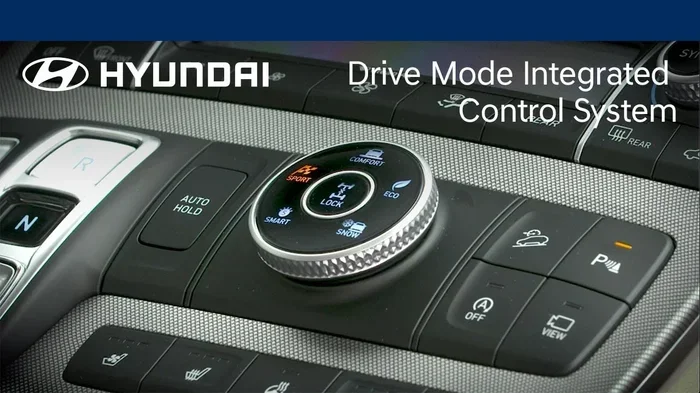
The drive mode selector is usually found on the center console or steering wheel. It might be a dial, a button cluster, or a rotary switch. When you turn or press it, the car recalibrates its systems in real time. You do not need to stop or shift gears manually.
Here is what changes inside your car when you switch modes:
- Throttle response: How quickly the car accelerates when you press the gas pedal.
- Steering feel: How heavy or light the steering wheel feels.
- Transmission shifting: When and how the gears change.
- Suspension tuning: In some vehicles, the shock absorbers adjust too.
- All-wheel drive distribution: Power gets split differently between the front and rear wheels.
Types of Drive Modes You Will Find
Different brands use different names, but the basic modes are similar across most vehicles. Here are the most common ones:
- Eco Mode: Optimizes fuel economy by softening throttle response and shifting earlier.
- Normal Mode: A balanced setting for everyday driving conditions.
- Sport Mode: Increases throttle sensitivity and holds gears longer for more power.
- Snow Mode: Starts in a higher gear to reduce wheel spin on slippery surfaces.
- Off-Road Mode: Adjusts traction control and suspension for rough terrain.
- Tow/Haul Mode: Changes shifting patterns for heavy loads and steep grades.
Can I Switch Drive Modes While Driving?
The short answer is yes. In almost all modern vehicles, you can switch drive modes while driving without any danger. Car manufacturers design these systems to work seamlessly while you are on the road. The changes happen smoothly and do not cause jerking or loss of control.
When you change a drive mode at speed, the car’s computer manages the transition. It gradually adjusts the throttle response and other systems. You will not hear a loud clunk or feel a sudden jolt. The shift is designed to be smooth and almost unnoticeable.
Why Manufacturers Allow It
Automakers know that road conditions change fast. You might start your commute in eco mode for fuel savings. Then you hit a stretch of open road and want more power. Switching to sport mode while driving lets you adapt without slowing down or pulling over.
This flexibility is a safety feature too. If road conditions suddenly worsen, you can switch to a mode that gives you more control right away. For example, hitting a patch of ice while driving means you can quickly engage snow mode or a similar traction-focused setting.
Does Every Car Support This?
Not every vehicle has a drive mode selector. Older cars and base-model vehicles may not include this feature. If your car does not have a drive mode button or dial, then switching modes is not an option. You are stuck with whatever the factory default settings are.
Here are a few things to check if you are unsure:
- Look for a button or dial on the center console labeled with mode names.
- Check your owner manual for a section on driving modes.
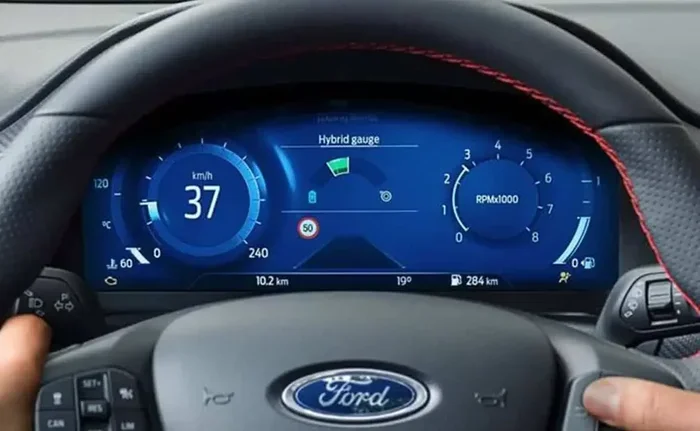
- Look at the instrument cluster for mode indicators while driving.
- Ask your dealer if your specific trim level includes adaptive driving features.
Is It Safe to Switch at High Speeds?
Yes, it is safe. The car’s electronic systems handle the transition regardless of speed. Whether you are going 30 mph in town or 70 mph on the highway, the drive mode change will not destabilize the vehicle. The electronic stability control and traction systems stay active and make sure the car remains planted.
However, you should still keep your attention on the road. Making a drive mode change is a quick action, but it is still a distraction. A brief tap on a button is fine. Fiddling with a complex menu system while cruising at high speed is not a good idea.
When Should You Switch Drive Modes?
Knowing when to change modes is just as important as knowing that you can. The right mode makes your driving safer and more efficient. The wrong mode can make your car feel sluggish or overly aggressive. Let us look at the best times to switch.
Switching for Weather Conditions
Weather is one of the biggest reasons to change your driving conditions mode. Rain, snow, and ice all demand a different approach from your vehicle. When the roads get wet or slippery, switching to snow mode or a similar traction-focused setting helps a lot.
Snow mode typically starts the car in a higher gear. This reduces the torque sent to the wheels. Less torque means less chance of spinning out. It also softens the throttle so you do not get sudden bursts of power on a slick surface.
In heavy rain, some drivers prefer normal mode or a comfort mode if their car offers one. These settings keep the car stable without being too sluggish. You want enough power to maintain speed but not so much that you lose grip.
Switching for Road Type
The type of road you are on matters too. On a smooth highway, eco mode or normal mode works great. You want steady cruising with minimal fuel use. On a winding mountain road, sport mode gives you sharper steering and stronger acceleration out of corners.
If you are heading off the beaten path, off-road mode is your best friend. It adjusts the traction control and allows more wheel slip. This lets the tires find grip on loose gravel, mud, or sand. Some vehicles also activate hill descent control when you select off-road mode.
Switching for Traffic Conditions
Stop-and-go traffic is tiring. Eco mode can help here by reducing the engine’s workload. It makes the car feel lighter on the accelerator, which reduces fatigue during long commutes. Some vehicles also reduce engine noise in eco mode, making the cabin quieter and more pleasant.
When traffic clears and you need to merge onto a fast road, switch to sport mode or normal mode. The extra throttle response helps you accelerate confidently and merge safely.
Common Drive Modes Explained in Detail
Let us take a closer look at the most popular drive modes you will find on today’s vehicles. Understanding each one helps you make better choices on the road.
Eco Mode
Eco mode is all about fuel efficiency. When you select it, the car does several things to sip less gas. The throttle becomes less sensitive so you do not use as much pedal input. The transmission shifts earlier to keep the engine in its most efficient range.
Some vehicles also reduce the power going to the air conditioning compressor in eco mode. This might make the cabin feel a tiny bit warmer on hot days, but the fuel savings are worth it for many drivers. Eco mode works best on flat highways and relaxed city driving.
Sport Mode
Sport mode wakes your car up. The throttle responds faster, the steering gets heavier, and the transmission holds gears longer. You get more power when you need it. This mode is great for merging onto highways, passing slow cars, or driving on twisty roads.
Keep in mind that sport mode uses more fuel. The engine works harder and the transmission stays in lower gears longer. It is best used when you need performance, not for everyday cruising.
Snow Mode
Snow mode is designed for low-traction surfaces. It limits wheel spin by starting in a higher gear and reducing engine power. This is especially helpful when pulling away from a stop on ice or packed snow.
Some vehicles with all-wheel drive or four-wheel drive also redirect power to the wheels that need it most in snow mode. The car becomes more stable and predictable on slippery roads. If you live in a cold climate, this mode is a valuable tool.
Off-Road Mode
Off-road mode is built for rough terrain. It loosens traction control so the wheels can spin slightly without triggering a full system shutdown. This allows the tires to dig into loose surfaces like mud, sand, or gravel.
Many off-road modes also lower the suspension’s response speed. This means the car absorbs bumps more gently and keeps all four tires on the ground longer. If you enjoy trail driving or camping trips, this mode is essential.
Tips for Switching Drive Modes Safely
Switching drive modes is straightforward, but a few best practices make it even safer. Follow these tips to get the most out of the feature without any risk.
Keep Your Hands on the Wheel
Always keep both hands on the steering wheel when you change modes. Even though the adjustment is quick, any distraction increases your risk. A simple tap on a button is fine. Taking your eyes off the road for more than a second is not.
Make Changes Before You Need Them
The best time to switch modes is before a situation arises. See ice coming? Switch to snow mode before you hit it. Approaching a mountain pass? Drop into off-road mode while the road is still clear. Anticipating the change gives the car time to adjust and keeps you ready.
Do Not Overthink It
Modern cars make drive mode switching almost automatic. You do not need to think twice about it. Tap the button, feel the change, and keep driving. Overthinking the process takes your focus away from the road, which is the real danger.
Know Your Vehicle’s Limits
Every car is different. Some vehicles switch modes almost instantly. Others take a second or two to fully adjust. Read your owner manual to understand how your specific car handles drive mode changes. Knowing what to expect removes any surprises.
Use the Correct Mode for the Situation
It sounds obvious, but many drivers stick in one mode for everything. Using sport mode on a snowy road is a recipe for trouble. Using eco mode when you need quick acceleration to avoid a hazard is equally risky. Match your mode to the road conditions and your current needs.
Common Mistakes to Avoid When Changing Drive Modes
Even though switching modes is safe, some drivers make avoidable mistakes. Here are a few to watch out for.
Switching Too Often
Rapidly toggling between modes does not help and can confuse the car’s computer. Pick a mode that fits the current situation and stay with it. If conditions change, switch once and let the car adjust.
Ignoring the Road While Switching
This is the biggest risk. Taking your eyes off the road to find the right button or dial is dangerous. Memorize where your drive mode selector is located. Practice finding it by touch so you can switch without looking.
Assuming All Modes Work the Same
Not every car implements modes the same way. One brand’s sport mode might be another brand’s normal mode. Always test your car in a safe, empty area first. Learn how each mode feels before you rely on it in real traffic.
Forgetting to Switch Back
It is easy to switch to sport mode for a fun drive and forget to switch back. Driving in sport mode every day wastes fuel and wears out components faster. Make it a habit to return to normal mode or eco mode when the fun is over.
Expert Insights on Drive Mode Switching
Automotive experts generally agree that drive mode switching is a safe and useful feature. According to engineers at major car brands, the systems are designed with driver safety as the top priority. The car’s computer manages every transition and ensures the vehicle remains stable throughout.
Many driving instructors recommend using adaptive driving modes to match road conditions. They note that drivers who adjust their modes based on weather and traffic tend to have fewer incidents. The key is to stay aware and make thoughtful choices.
Experts also stress that drive modes are a supplement to good driving habits. They do not replace safe following distances, proper speed control, or attentive steering. Use them as a tool, not a crutch.
What Happens If You Switch Modes While Braking Hard?
The car handles it just fine. The braking system operates independently of the drive mode settings. Whether you are in eco mode or sport mode, hard braking works the same way. The anti-lock brakes and stability control engage regardless of which mode you have selected.
Do Drive Modes Affect Your Warranty?
No. Switching between drive modes is a normal, intended function of the vehicle. Using any available mode will not void your warranty. Manufacturers build these systems to handle constant switching without causing wear or damage.
Key Takeaways
- Switching drive modes while driving is safe: Modern vehicles are designed to handle mode changes on the fly without any risk.
- Each mode changes vehicle behavior: Throttle, steering, transmission, and traction control all adjust when you switch modes.
- Use the right mode for the right situation: Snow mode for ice, sport mode for open roads, eco mode for fuel savings.
- Keep your eyes on the road: Make quick, minimal adjustments and avoid complex menu diving while driving.
- Not all cars have this feature: Check your vehicle or owner manual to confirm your car supports drive mode switching.
- The transition is smooth and gradual: You will not feel a jolt or lose control when changing modes at speed.
- Practice in safe conditions first: Get familiar with how each mode feels before relying on it in challenging situations.
Conclusion
The answer to the question Can I Switch Drive Modes While Driving is a clear and confident yes. Modern vehicles make it easy, safe, and intuitive to change how your car responds to the road. Whether you need better fuel economy, more power, or improved traction, drive modes give you the flexibility to adapt on the fly.
Understanding each mode and knowing when to use it makes you a smarter, safer driver. Switching drive modes is not just a luxury feature. It is a practical tool that enhances your control in a wide range of situations. From icy mornings to highway merging to off-road adventures, the right mode makes every drive better.
Take a moment to explore the drive mode selector in your vehicle. Try each mode in a safe setting. Learn how your car responds. The more you understand about your vehicle’s adaptive driving capabilities, the more confident and prepared you will be on the road. Safe driving starts with knowing your car, and drive modes are one of the best ways to deepen that connection.
Frequently Asked Questions
Is it safe to switch drive modes while driving at highway speeds?
Yes, it is completely safe. Modern vehicles are engineered to handle drive mode changes at any speed. The car’s computer manages the transition smoothly, so you will not experience any jerking or instability. Just keep your hands on the wheel and eyes on the road while making the switch.
Will switching drive modes damage my car?
No, switching modes will not damage your vehicle. These systems are built to handle constant changes throughout the life of the car. Every drive mode adjustment is a normal function designed by the manufacturer for everyday use.
Can I switch from eco mode to sport mode while accelerating?
Yes, you can switch between modes at any time, including while accelerating. The car’s throttle response and transmission will adjust to the new mode within moments. However, it is best to make the change before you really need the extra power so the transition feels seamless.
Do all modern cars have a drive mode selector?
Not all of them. Drive mode selectors are most common in mid-range and luxury vehicles. Many base-model trims and older cars do not include this feature. Check your owner manual or look for a mode dial or button cluster on your console to confirm.
What is the difference between snow mode and eco mode?
Snow mode focuses on traction. It limits wheel spin and starts in a higher gear to keep you stable on slippery surfaces. Eco mode focuses on fuel efficiency by softening throttle response and shifting gears earlier. They serve completely different purposes and should be used in different situations.
Can switching drive modes help in an emergency?
Yes, it can. If you suddenly need more power to avoid a hazard, switching to sport mode gives you faster throttle response. If you hit a slippery patch, switching to snow mode or a traction-focused setting helps keep the car stable. Knowing how to use your modes quickly can make a real difference.