Can You Travel by Car With Medical Marijuana Legally
Traveling by car with medical marijuana is legal in many states, but the rules vary widely and depend on where you are, where you are going, and how you store your medicine. Every medical marijuana patient should understand possession limits, container laws, and interstate travel risks before hitting the road. This guide breaks down the laws, tips, and common mistakes so you can travel safely and stay compliant.
Planning a road trip with medical marijuana in your car can feel stressful. You want to enjoy your treatment without running into legal trouble. The good news is that many patients travel by car with their medicine every day without problems. But the rules are not always clear, and they change from state to state.
This article will walk you through everything you need to know. We will cover state laws, storage rules, what happens during traffic stops, and how to stay safe on the road. By the end, you will feel confident and prepared for your next trip.
Key Takeaways
- State laws differ greatly: Medical marijuana rules are not the same from state to state, and what is legal in one state may be illegal in another.
- Storage matters a lot: Most states require cannabis to be sealed in a locked container, and open containers can lead to fines.
- Interstate travel is risky: Even if both your home state and destination state have legal medical marijuana programs, federal law does not recognize them.
- Know your possession limits: Each state sets its own limits on how much medical marijuana you can carry in a vehicle.
- Never drive impaired: Driving under the influence of marijuana is illegal in virtually all states, regardless of your medical card status.
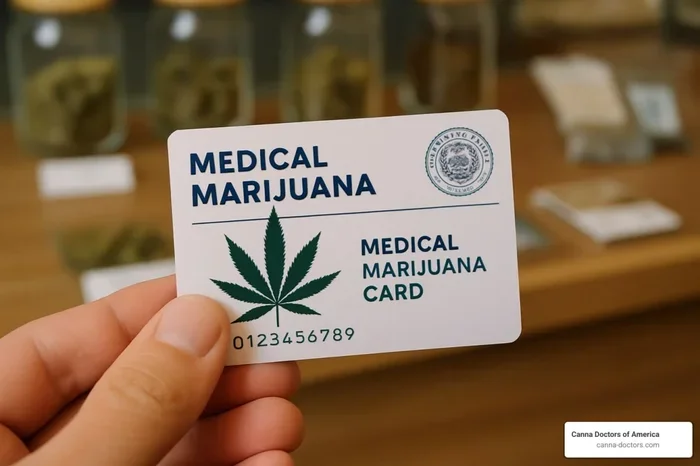
- Keep your medical card handy: Having your medical marijuana card and prescription documentation ready can help during law enforcement stops.
- Plan your route carefully: Research the laws of every state you will pass through, not just your starting and ending points.
📑 Table of Contents
- Understanding Medical Marijuana Laws for Car Travel
- Rules for Storing Medical Marijuana in Your Vehicle
- What Happens During a Traffic Stop
- Interstate Travel With Medical Marijuana: The Big Risk
- Best Practices for Safe Car Travel With Medical Marijuana
- Special Considerations for Different Types of Cannabis Products
- Key Takeaways
- Conclusion
Understanding Medical Marijuana Laws for Car Travel
Medical marijuana is legal in most U.S. states now. But legal does not mean the same everywhere. Each state writes its own rules about how patients can carry, store, and use cannabis. These rules apply differently when you are inside your home compared to when you are in a vehicle.
Before you pack your medicine and hit the road, you need to understand the basics. The legal landscape for medical marijuana laws is complex. It involves state regulations, federal law, and local enforcement policies. Let us break this down into simple parts.
Federal Law vs. State Law
Here is the tricky part. Marijuana is still illegal under federal law. The federal government classifies cannabis as a Schedule I substance. This means it has no accepted medical use in the eyes of the federal government. However, the federal government has mostly left state medical marijuana programs alone.
What does this mean for you? It means that even if your state allows medical marijuana, federal law enforcement could technically take action. In practice, this rarely happens during routine car travel. But it is important to know the risk exists, especially when crossing state lines.
Some patients worry that a federal officer could pull them over for having medical marijuana. While this is unlikely during a normal traffic stop, it is a real concern during interstate travel. The safest approach is to research every state on your route.
State Reciprocity Agreements
Some states have reciprocity agreements. This means they honor medical marijuana cards from other states. Not all states do this, though. And even among states that do, the rules can differ.
For example, some states let out-of-state patients buy and possess cannabis. Others only allow you to possess what you brought from your home state. You need to check the specific rules before you travel.
States like Arizona, Nevada, and New Hampshire have some form of reciprocity. States like Idaho and Wyoming do not recognize any form of medical marijuana at all. Traveling through these states with cannabis, even for medical reasons, can lead to serious legal trouble.
Rules for Storing Medical Marijuana in Your Vehicle
How you store your medical marijuana in the car matters just as much as whether you can carry it. Every state with a medical marijuana program has rules about storage. These rules are designed to keep cannabis away from minors and prevent impaired driving.
Locked Container Requirements
Most states require that medical marijuana be kept in a sealed, locked container while in a vehicle. An open bag or jar sitting on the passenger seat can get you in trouble. Even if you have a valid medical card, an open container violation can lead to a fine or worse.
The best practice is simple. Use a smell-proof bag or a locked coolers. Put it in the trunk or behind the rear seats. This keeps the cannabis out of the driver’s reach and shows law enforcement that you are being responsible.
Some states are more strict than others. For instance, in Washington state, the rules for cannabis storage in vehicles closely mirror alcohol storage rules. In Michigan, patients must keep cannabis in a sealed container that is not easily accessible to the driver.
How Much Can You Carry?
Every state sets its own possession limits for medical marijuana patients. These limits vary widely. Some states allow patients to carry up to 2.5 ounces of usable cannabis. Others allow up to 8 ounces or more.
Here are some common possession limits across different states:
- Arizona: Up to 2.5 ounces within a 14-day period
- California: Up to 8 ounces of dried cannabis
- Florida: Up to a 70-day supply as determined by the physician
- New York: Up to 3 ounces of cannabis and 24 grams of concentrated cannabis
- Colorado: Up to 1 ounce of usable marijuana for medical patients
These numbers can change, so always check your state’s current regulations before traveling. Carrying more than the legal limit can result in charges even if you have a medical card.
What Happens During a Traffic Stop
Getting pulled over while carrying medical marijuana can be nerve-wracking. But knowing your rights and how to handle the situation can make a big difference. Most law enforcement officers are trained to respect medical marijuana laws in states where they apply.
Your Rights During a Stop
You have the right to remain silent. You also have the right to refuse a search beyond what the officer can see. However, if an officer smells cannabis, they may have probable cause to search your vehicle. This is an important point to understand.
Keep your medical card and any doctor’s paperwork in an easy-to-reach place. When you hand over your license and registration, also present your medical documentation. This shows the officer that you are a legal patient.
Stay calm and polite. Do not volunteer information about your cannabis use beyond what is necessary. Answer questions directly but avoid long explanations. You do not want to give an officer any reason to suspect impairment.
Drug Testing and Impairment
Some officers may ask you to step out of the vehicle. They might look for signs of impairment. These signs include red eyes, slow response times, or the smell of cannabis.
Unlike alcohol, there is no reliable roadside test for marijuana impairment. However, some states have set THC blood limits. For example, Colorado has a limit of 5 nanograms of active THC per milliliter of blood. If you fail a blood test, you could face DUI charges.
Even if you are not impaired, having THC in your system can lead to complications. This is why many experts advise against using medical marijuana right before driving. Wait until you have reached your destination and are safely parked.
Quick Tips for Traffic Stops With Medical Marijuana
- Keep your medical card in your wallet or glove box
- Store cannabis in a sealed, locked container
- Do not consume cannabis while in the vehicle
- Stay calm and be respectful with the officer
- Know your state’s possession limits before you travel
- Never admit to driving while impaired
Interstate Travel With Medical Marijuana: The Big Risk
One of the trickiest parts of traveling with medical marijuana is crossing state lines. Even if you are traveling between two states that both have legal medical marijuana programs, federal law technically prohibits transporting cannabis across state borders.
Why Interstate Travel Is Risky
The federal government does not recognize state medical marijuana programs. This means that transporting cannabis from one state to another is a federal offense on paper. In practice, most federal agencies do not prioritize low-level cannabis possession cases.
But here is the thing. You never know when federal law enforcement might be involved. If you are stopped by a federal officer on a federal highway or in a national park, the rules change completely. Federal law applies in those situations, and you could face serious charges.
Airport security is another concern. Even if you are driving to the airport, TSA officers can flag cannabis during screening. While they usually do not pursue minor possession cases, it can still cause delays and legal headaches.
States With No Medical Marijuana Program
Some states have no medical marijuana program at all. Traveling through these states with cannabis is extremely risky. States like Idaho, Wyoming, South Dakota, and Kansas have very strict drug laws. Even a small amount of medical marijuana can lead to arrest and criminal charges in these places.
Always map out your route and identify every state you will pass through. Check whether each state has a medical marijuana program and whether it recognizes out-of-state cards. This planning step can save you from a legal nightmare.
| State | Medical Marijuana Legal? | Honors Out-of-State Cards? | Risk Level for Transit |
|---|---|---|---|
| Arizona | Yes | Yes (limited) | Low |
| Colorado | Yes | No | Medium |
| Idaho | No | No | Very High |
| Nevada | Yes | Yes (limited) | Low |
| Wyoming | No | No | Very High |
| New York | Yes | No | Medium |
This table shows that risk levels vary. Always do your homework before planning a route that crosses through states with no medical marijuana protections.
Best Practices for Safe Car Travel With Medical Marijuana
Now that we have covered the legal side, let us talk about practical tips. These best practices will help you travel safely and avoid problems on the road.
Prepare Before You Leave
Preparation is the key to stress-free travel. Start by checking the laws of every state on your route. Use online resources like the National Conference of State Legislatures or your state’s medical marijuana program website.
Make sure your medical card is current. Some states require renewals every year or two. Traveling with an expired card is the same as traveling without one. Keep a copy of your card both on your phone and on paper.
Pack your cannabis properly. Use a locked, smell-proof container. Place it somewhere that is not easily accessible from the driver’s seat. The trunk is usually the best spot. If your car does not have a trunk, use a locked cooler behind the rear seats.
While You Are on the Road
Never consume medical marijuana while you are driving. This includes smoking, vaping, and edibles. Not only is it illegal to drive impaired, but it also sets a bad example and creates unnecessary risks.
If you need to take a break, pull over in a safe, legal location. Use your cannabis there if you wish. Then wait a reasonable amount of time before getting back on the road. Edibles take longer to kick in, so be extra careful with dosing before you resume driving.
Keep your documents organized. Have your medical card, ID, and any physician paperwork in one easy-to-find place. This saves time during stops and shows that you are a responsible patient.
Expert Insights on Cannabis Car Travel
Criminal defense attorney Sarah Mitchell, who specializes in drug law cases, shares this advice: “The number one mistake patients make is assuming that because their state allows medical marijuana, they are protected everywhere. That is simply not true. The moment you cross into a different state, you are subject to that state’s laws, and they may not recognize your medical card at all.”
Mitchell also emphasizes the importance of storage: “I see cases every week where patients get pulled over for something minor, and the officer smells cannabis. If the product is not properly sealed, the situation escalates quickly. A locked container can make all the difference.”
Cannabis policy expert David Nguyen adds that patients should never assume police will understand medical marijuana laws. “Law enforcement officers are not always trained on the nuances of each state’s medical program. Your job is to make compliance as easy as possible for them. Keep your documents ready and your cannabis stored properly.”
Common Mistakes Patients Make When Traveling
Learning from other people’s mistakes is one of the best ways to protect yourself. Here are the most common errors patients make when traveling by car with medical marijuana:
- Not checking destination state laws: Many patients assume that if their home state allows it, the destination state will too. This is not always true.
- Leaving cannabis in the glove box: The glove box is considered an easily accessible area in most states. This can lead to open container violations or possession charges.
- Carrying too much product: Exceeding your state’s possession limit can result in drug charges, even for medical patients.
- Consuming in the car: Smoking or vaping in a vehicle is illegal in most states, even for medical patients.
- Traveling through prohibition states: Driving through states where cannabis is illegal puts you at serious legal risk.
- Forgetting to renew the medical card: An expired card offers no legal protection.
- Not having documentation ready: Fumbling for paperwork during a traffic stop can raise suspicion.
Avoiding these simple mistakes can save you from legal headaches and ensure a smooth trip.
Special Considerations for Different Types of Cannabis Products
Not all medical marijuana products are treated the same way when it comes to car travel. The type of product you carry can affect the legal risks you face.
Flower and Dried Cannabis
Dried cannabis flower is the most common form of medical marijuana. It is also the most likely to be smelled by law enforcement. This is why proper storage is so important for flower. Use a sealed, airtight container that is locked and out of reach.
Edibles and Gummies
Edibles are easier to transport discreetly than flower. However, they come with their own risks. If an officer suspects you are consuming edibles while driving, it can lead to impairment questions. Keep edibles sealed and stored with your other cannabis products.
CBD Products and Tinctures
CBD products derived from hemp (with less than 0.3% THC) are legal at the federal level. However, full-spectrum CBD products may contain trace amounts of THC. These trace amounts could technically trigger a positive drug test or raise concerns during a traffic stop.
Always check the THC content of your CBD products before traveling. Broad-spectrum and isolate products are safer choices for car travel since they contain no THC.
Concentrates and Cartridges
Concentrates like wax, shatter, and vape cartridges are more potent than flower. This means the legal limits for concentrates may be different from the limits for dried cannabis. Some states measure concentrate possession in grams, while others use different units.
Vape cartridges should be treated like any other cannabis product. Keep them sealed in a locked container. Never vape in the car, even if your state allows medical marijuana use in public spaces.
Key Takeaways
- State laws vary widely: Medical marijuana rules are different in every state, and what is legal in one state may not be legal in another.
- Storage is critical: Always keep your cannabis in a sealed, locked container that is not easily accessible to the driver.
- Know your possession limits: Each state sets its own limits, and exceeding them can lead to charges even with a medical card.
- Interstate travel carries extra risk: Federal law does not recognize state medical marijuana programs, so transporting cannabis across state lines is technically illegal.
- Never drive impaired: Using medical marijuana before driving is illegal in all states and can lead to DUI charges.
- Keep your documents ready: Having your medical card and physician paperwork accessible shows law enforcement you are a compliant patient.
- Plan your route carefully: Research every state you will pass through, especially those with no medical marijuana protections.
Conclusion
Traveling by car with medical marijuana is possible, but it requires careful planning and knowledge of the law. The rules are not the same everywhere, and what works in your home state may not apply in another. By understanding state laws, storing your cannabis properly, and knowing your rights during traffic stops, you can travel with confidence and stay on the right side of the law.
Always check the regulations of every state on your route before you leave. Keep your medical card and documentation handy. Store your products in a locked, sealed container. And never drive while impaired.
Following these guidelines will help you enjoy the benefits of your medical marijuana treatment without unnecessary legal risks. Safe travels, and take care of yourself on the road.
Frequently Asked Questions
Can I drive with medical marijuana in my system?
Driving under the influence of marijuana is illegal in all states, even if you are a registered medical marijuana patient. Having THC in your system does not automatically mean you are impaired, but if an officer suspects impairment, you can be charged with a DUI. It is safest to wait until you reach your destination before using your medicine.
Do all states honor out-of-state medical marijuana cards?
No, not all states honor out-of-state cards. Some states have reciprocity agreements that allow limited recognition, while others do not recognize any out-of-state medical marijuana documentation. Always check the specific laws of your destination state before traveling.
What happens if I am caught with medical marijuana in a state where it is illegal?
If you are caught with medical marijuana in a state where it is not legal, you can face criminal charges including possession and drug trafficking. The consequences vary by state but can include fines, jail time, and a criminal record. Never assume your home state’s medical card protects you in another state.
Can law enforcement search my car if they smell cannabis?
In most cases, yes. If an officer smells cannabis during a traffic stop, they generally have probable cause to search your vehicle. This is why proper storage of your medical marijuana is so important. A sealed, locked container can help protect your rights during a search.
How should I store medical marijuana in my car?
Store your medical marijuana in a sealed, locked container that is not easily accessible to the driver. The trunk is the best option. If your car does not have a trunk, place the container behind the rear seats in a locked bag or cooler. Never leave cannabis in the glove box or on the passenger seat.
Is it legal to consume medical marijuana while stopped at a rest area?
In most states, consuming medical marijuana in public, including rest areas and parking lots, is illegal even for medical patients. Some states allow consumption on private property. If you need to use your medicine, do so at a private residence or a location where consumption is explicitly permitted by local laws.