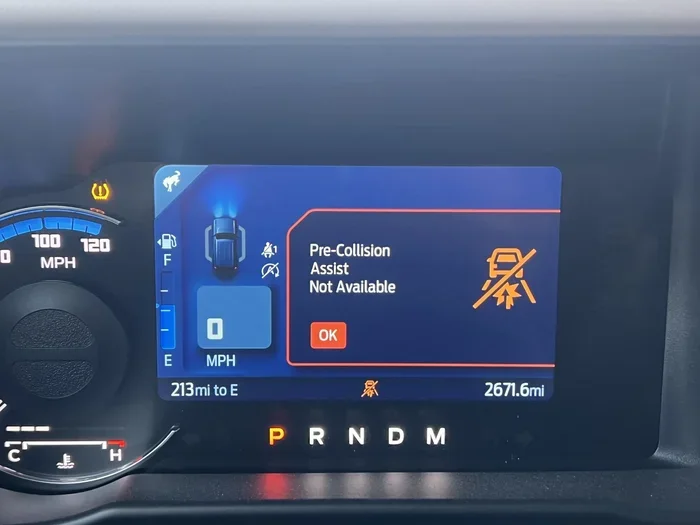
At What Speed Is Pre-Collision Assist Active Revealed
Pre-Collision Assist is an active safety system that engages at various speeds depending on the vehicle and manufacturer. Most systems activate from as low as 5 mph for city driving up to 120 mph or more on highways. Understanding the speed range of your Pre-Collision Assist system can help you drive more safely and avoid costly accidents.
Pre-Collision Assist is one of the most important active safety features you can have in your car today. But here is the question every driver asks: at what speed is Pre-Collision Assist active? The answer is not as simple as a single number. Different car makers set different speed ranges. Some systems kick in at very low speeds. Others work all the way up to highway speeds. In this article, we will break down exactly how fast Pre-Collision Assist works, what triggers it, and why it matters for your daily driving.
Whether you are stuck in slow city traffic or cruising down the interstate, understanding your collision warning system can make a real difference. Let us walk through everything you need to know about Pre-Collision Assist and its speed activation range.
Key Takeaways
- Low-Speed Activation: Many Pre-Collision Assist systems work at speeds as low as 5 mph, making them effective in city traffic and parking lots.
- Highway Coverage: Some systems remain active up to 120 mph or higher, giving you protection on fast roads.
- System Variety: Different car brands activate Pre-Collision Assist at different speed thresholds, so always check your owner’s manual.
- Warning First: The system typically gives you an audible and visual warning before it applies the brakes automatically.
- Brake Pre-Charge: Many systems prepare the brakes for faster reaction even before they apply full braking force.
- Pedestrian Detection: Some Pre-Collision Assist setups also detect pedestrians and cyclists at certain speed ranges.
- Driver Responsibility: Pre-Collision Assist is a safety aid, not a replacement for attentive driving.
📑 Table of Contents
- What Exactly Is Pre-Collision Assist?
- At What Speed Is Pre-Collision Assist Active?
- How Does Pre-Collision Assist Work in Real Driving?
- Which Vehicles Offer Pre-Collision Assist?
- Common Mistakes Drivers Make With Pre-Collision Assist
- Expert Tips for Getting the Most From Pre-Collision Assist
- Key Takeaways
- Conclusion
What Exactly Is Pre-Collision Assist?
Pre-Collision Assist is a driver assistance technology built into many modern vehicles. Its main job is to help you avoid or reduce the severity of a crash. The system uses sensors, cameras, and radar to watch the road ahead. When it detects a potential forward collision warning, it alerts you. If you do not react fast enough, the system can apply the brakes on its own.
How Does the System Detect Danger?
Most Pre-Collision Assist systems rely on a combination of tools. A front-facing camera scans the road for obstacles, vehicles, and even pedestrians. Radar sensors measure the distance and speed of objects ahead. Together, these components create a real-time picture of what is happening in front of your car.
The system constantly calculates whether a collision is likely. If the distance between you and the vehicle ahead shrinks too fast, Pre-Collision Assist steps in. It first gives you a warning. Then, if you do not brake, the system applies automatic emergency braking.
Why Is Pre-Collision Assist So Important?
Car accidents happen in the blink of an eye. Human reaction time is simply not fast enough in many situations. Pre-Collision Assist fills that gap. Studies show that collision avoidance systems can significantly reduce rear-end crashes. The Insurance Institute for Highway Safety has found that vehicles with automatic braking have fewer insurance claims.
Even if you are a careful driver, you cannot control what other drivers do. Pre-Collision Assist acts as a safety net. It gives you extra protection when things go wrong. That is why knowing its speed range is so valuable.
At What Speed Is Pre-Collision Assist Active?
This is the big question, and the answer depends on your vehicle. Let us look at the different speed ranges where Pre-Collision Assist typically works.
Low-Speed Activation (5 to 30 mph)
Many Pre-Collision Assist systems activate at very low speeds. Some begin working at just 5 mph. This makes them perfect for city driving, where traffic moves slowly and stop-and-go situations are common. At low speeds, the system can detect slower-moving vehicles, stopped cars, and even pedestrians crossing the road.
For example, Toyota’s Pre-Collision System starts working at around 10 mph. It uses a camera and radar to scan for vehicles and pedestrians. If a crash seems likely, it gives you a warning and can apply the brakes. This is especially helpful in parking lots and residential areas where kids and pedestrians are nearby.
Medium-Speed Activation (30 to 60 mph)
Some systems focus on the medium-speed range. These are the speeds you encounter on suburban roads and busy urban highways. At 30 to 60 mph, stopping distances increase. A brake support system that activates in this range gives you critical extra time to react.
Ford’s Pre-Collision Assist with Active City Stop works in this range. It monitors traffic ahead and can apply the brakes if you do not respond to warnings. The system is designed for real-world driving conditions where speed limits change frequently.
High-Speed Activation (60 mph and Above)
Highway driving brings its own challenges. At speeds above 60 mph, closing distances happen much faster. Many advanced Pre-Collision Assist systems work all the way up to 120 mph or more. These systems are essential for highway safety where a rear-end collision can be devastating.
Mercedes-Benz Pre-Safe is one example. It uses radar and camera data to detect fast-approaching vehicles. The system can pre-charge the brakes and tighten seatbelts before a crash. This gives you the best possible chance of avoiding or surviving a high-speed collision.
Comparison of Speed Ranges by Brand
Different car brands set different speed thresholds for their Pre-Collision Assist systems. Here is a general comparison:
- Toyota Pre-Collision System: Active from about 10 mph up to highway speeds. Detects vehicles and pedestrians.
- Ford Pre-Collision Assist: Works from low speeds up to around 50 mph for full automatic braking. Higher for vehicle detection.
- Mercedes-Benz Pre-Safe: Active across a wide range, from city speeds up to 120 mph and beyond.
- Honda Collision Mitigation Braking System: Engages from about 5 mph up to highway speeds.
- BMW Active Driving Assistant: Works from low speeds through highway driving, with pedestrian detection included.
Always refer to your specific vehicle’s manual for exact speed ranges. The active safety features can vary even between model years of the same car.
How Does Pre-Collision Assist Work in Real Driving?
Understanding the theory is one thing. But how does Pre-Collision Assist perform in real driving situations? Let us walk through some common scenarios.
Scenario 1: City Traffic at Low Speeds
Imagine you are driving through downtown traffic at 15 mph. The car ahead of you suddenly stops. Your Pre-Collision Assist system detects the slowdown and flashes a warning on your dashboard. If you do not hit the brakes, the system applies the brakes automatically. This can prevent a fender-bender in a busy intersection.
At low speeds, the system also works well for pedestrian detection. If a child runs into the street, the camera and radar can spot them and trigger a warning or automatic braking. This is one of the most valuable features of low-speed braking technology.
Scenario 2: Highway Driving at High Speeds
Now imagine you are on the highway at 70 mph. The car ahead of you brakes suddenly. At this speed, you cover over 100 feet per second. Your reaction time matters enormously. Pre-Collision Assist gives you a head start. It warns you and can begin pre-braking before you even touch the pedal.
Many systems also include brake pre-charge technology. This means the system primes the brakes so they respond faster when you do step on the pedal. The result is shorter stopping distances and better crash avoidance.
Scenario 3: Sudden Lane Changes
Sometimes danger comes from the side. Some advanced Pre-Collision Assist systems can detect vehicles moving into your lane. If a car cuts you off, the system can warn you and apply brakes to reduce the impact. This is especially useful on multi-lane highways where lane changes happen frequently.
Which Vehicles Offer Pre-Collision Assist?
Pre-Collision Assist is no longer limited to luxury vehicles. Many car makers now offer this feature across their lineups. Let us look at what to expect.
Toyota and Lexus
Toyota calls its system Toyota Safety Sense. It comes standard on most new Toyota and Lexus models. The system works at low speeds and highway speeds. It includes pedestrian detection and collision warning alerts.
Ford and Lincoln
Ford’s Co-Pilot360 suite includes Pre-Collision Assist with automatic emergency braking. It is available on most Ford models and standard on higher trims. The system works well in both city and highway settings.
BMW and Mercedes-Benz
These premium brands offer some of the most advanced systems. Their Pre-Collision Assist setups include features like adaptive cruise control integration and cross-traffic detection. The speed ranges tend to be the widest, covering everything from parking lot speeds to full highway velocities.
Honda and Acura
Honda Sensing comes standard on most new Hondas. The Collision Mitigation Braking System is part of this package. It activates at low and high speeds and includes road departure mitigation in some models.
Common Mistakes Drivers Make With Pre-Collision Assist
Even though Pre-Collision Assist is a great tool, drivers sometimes misuse it or misunderstand how it works. Here are common mistakes to avoid.
Mistake 1: Thinking the System Works at All Speeds
Not all Pre-Collision Assist systems work at every speed. Some only activate above a certain threshold. Others shut off at very low speeds. Always check your owner’s manual to understand the exact speed range of your system.
Mistake 2: Ignoring Warnings
The system gives you warnings before it takes action. If you ignore flashing lights and beeps, you might miss your chance to brake manually. The system is designed to assist you, not replace your attention.
Mistake 3: Forgetting to Maintain Sensors
The cameras and radar sensors need to stay clean. Mud, snow, or debris on the front windshield can block the sensors. When sensors are blocked, Pre-Collision Assist may not work properly. A quick wipe-down after a rainstorm or snowstorm can keep the system functioning.
Mistake 4: Relying Too Heavily on the System
Pre-Collision Assist is a safety aid. It is not a self-driving feature. You still need to pay attention to the road, keep a safe following distance, and stay alert. No system can predict every situation.
Expert Tips for Getting the Most From Pre-Collision Assist
Want to make sure your Pre-Collision Assist system works its best? Here are some practical tips from automotive safety experts.
Tip 1: Keep Your Sensors Clean
Take a moment to wipe down your windshield near the rearview mirror. This is where most camera and radar units are located. Clean sensors mean better detection and faster response times.
Tip 2: Adjust Your Following Distance
Pre-Collision Assist works best when you give it room to work. Keep a safe following distance of at least 3 to 4 seconds in normal conditions. This gives the system time to detect danger and apply brakes if needed.
Tip 3: Update Your Software
Many manufacturers release software updates that improve Pre-Collision Assist performance. These updates can refine detection algorithms and expand speed ranges. Check with your dealer about available updates for your vehicle.
Tip 4: Know Your System’s Limits
Every system has limits. Heavy rain, fog, and snow can reduce sensor effectiveness. The system may not work as well in extreme weather. Knowing these limits helps you stay safe and adjust your driving accordingly.
Key Takeaways
- Low-Speed Activation: Many Pre-Collision Assist systems work at speeds as low as 5 mph, making them effective in city traffic and parking lots.
- Highway Coverage: Some systems remain active up to 120 mph or higher, giving you protection on fast roads.
- System Variety: Different car brands activate Pre-Collision Assist at different speed thresholds, so always check your owner’s manual.
- Warning First: The system typically gives you an audible and visual warning before it applies the brakes automatically.
- Brake Pre-Charge: Many systems prepare the brakes for faster reaction even before they apply full braking force.
- Pedestrian Detection: Some Pre-Collision Assist setups also detect pedestrians and cyclists at certain speed ranges.
- Driver Responsibility: Pre-Collision Assist is a safety aid, not a replacement for attentive driving.
Conclusion
So, at what speed is Pre-Collision Assist active? The answer is that it depends on your vehicle, the manufacturer, and the specific system installed. Most systems activate at low speeds for city driving and continue to work at highway speeds. The key is understanding your particular setup and using it wisely.
Pre-Collision Assist is a powerful tool for crash prevention. It gives you extra seconds to react and can apply brakes when you cannot. But it works best when paired with safe driving habits. Keep your sensors clean, stay alert, and always maintain a safe following distance.
Take a few minutes to read your vehicle’s manual and learn exactly how your system works. Knowing the speed range and capabilities of your Pre-Collision Assist can give you peace of mind every time you hit the road. Drive safe, stay aware, and let your safety system work for you.
Frequently Asked Questions
Does Pre-Collision Assist work at all speeds?
No, not all systems work at every speed. Most Pre-Collision Assist systems activate from a low speed threshold (around 5 to 10 mph) and work up to highway speeds. The exact range depends on the vehicle manufacturer and model. Always check your owner’s manual for the specific speed range of your system.
Can Pre-Collision Assist detect pedestrians?
Yes, many modern Pre-Collision Assist systems include pedestrian detection. These systems use cameras and radar to identify people crossing the road. The detection typically works at city speeds, usually up to 30 to 50 mph depending on the vehicle. Some advanced systems can also detect cyclists.
Will Pre-Collision Assist apply the brakes automatically?
If you do not respond to the warning, yes. Pre-Collision Assist first gives you an audible and visual alert. If you do not brake, the system can apply automatic emergency braking. Some systems also pre-charge the brakes to help you stop faster if you do react.
Can weather affect Pre-Collision Assist performance?
Yes, weather can impact how well the system works. Heavy rain, snow, fog, or dirt on the sensors can reduce detection accuracy. The cameras and radar need a clear view to function properly. Keeping the sensors clean and driving cautiously in bad weather helps maintain system effectiveness.
Is Pre-Collision Assist the same as automatic emergency braking?
They are closely related but not exactly the same. Pre-Collision Assist is the broader system that includes warnings and can prepare the brakes. Automatic emergency braking is the feature that applies the brakes fully if you do not react. Many vehicles combine both features into one integrated safety system.
How do I know if my car has Pre-Collision Assist?
Check your vehicle’s dashboard for a Pre-Collision Assist warning light. It usually looks like a car with lines in front of it. You can also check your owner’s manual or contact your dealer. Most vehicles from 2017 onward come with some form of Pre-Collision Assist or forward collision warning as standard equipment.
=== CONCLUSION ===
Understanding when and how your Pre-Collision Assist system activates is essential for safe driving. The speed range varies by vehicle, but most systems cover both low-speed city driving and high-speed highway travel. By knowing your system’s capabilities and limitations, you can drive with greater confidence and stay safer on every trip.