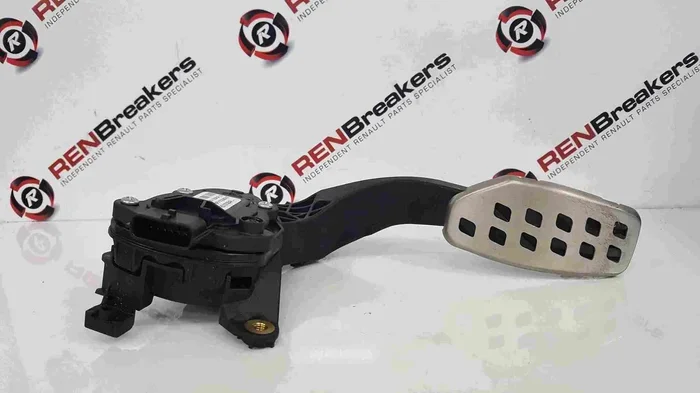
Do You Press the Accelerator When Using Cruise Control
Do You Press the Accelerator When Using Cruise Control? The short answer is no — once the system is engaged, your car handles the throttle for you. Cruise control takes over accelerator pedal duties, maintaining a steady vehicle speed without any input from your foot. However, there are important situations where you will need to tap the gas or brake, and understanding how this car automation feature works can make your highway driving safer and more efficient.
Have you ever been on a long highway drive and thought, “I wish my car could just handle the gas pedal for a while?” That is exactly what cruise control is designed to do. But a question that comes up a lot is whether you still need to press the accelerator when this system is active. The answer might surprise you.
Do You Press the Accelerator When Using Cruise Control? In most cases, the answer is no. Once you set your desired vehicle speed, the cruise control system takes over the throttle. Your foot stays off the accelerator pedal, and the car maintains the pace you chose. But there are exceptions, and knowing them can make a big difference in how safely and effectively you use this feature.
In this article, we will walk through everything you need to know about cruise control and the accelerator pedal. We will cover how the system works, when you should use it, when you should turn it off, and the common mistakes drivers make. By the end, you will feel confident using cruise control on your next road trip.
Key Takeaways
- You do not need to press the accelerator: Once cruise control is set, the system manages your vehicle speed automatically.
- Tap the accelerator to adjust speed: If you need to go faster or slower temporarily, a light tap on the gas pedal will override the system briefly.
- Use cruise control on open highways: The feature works best on flat, open roads with steady traffic flow and minimal stops.
- Turn it off in heavy traffic or bad weather: Wet roads, fog, and congested areas require full manual control for safety.
- Adaptive cruise control adds smart features: This advanced system adjusts your speed based on the car ahead, making long drives more comfortable.
- Know the difference between set and resume: Understanding these cruise control buttons helps you use the system more effectively.
📑 Table of Contents
How Cruise Control Works and What It Does
The Basics of Cruise Control
Cruise control is a driver assistance feature that automatically maintains your car’s speed without you needing to keep your foot on the accelerator pedal. It has been around for decades and is now a standard feature in most new vehicles. The system uses sensors and electronic controls to manage the throttle, keeping your car moving at a steady pace.
Here is how it works in simple terms. You set your desired vehicle speed by pressing a button on the steering wheel or a stalk on the dashboard. Once set, the car’s computer takes over and adjusts the engine power to hold that speed. You can then take your foot off the gas and relax — at least for a while.
The system relies on cruise control buttons that let you set, cancel, resume, and adjust your speed. These buttons are usually located on the steering wheel for easy access. Common commands include “Set,” “Resume,” “Cancel,” and “Off.” Each one plays a specific role in how the system behaves.
What Happens When You Press the Accelerator
Here is something many drivers do not realize. When you tap the accelerator pedal while cruise control is active, the system does not turn off completely. Instead, it temporarily overrides the set speed. Once you release the pedal, the car will usually return to the original speed you set. This is a handy feature for quick adjustments without fully canceling the system.
However, there is an important distinction. A light tap will just override the speed temporarily. But if you press the accelerator all the way down, the system may cancel entirely. The exact behavior depends on your car’s make and model, so it is always a good idea to read your owner’s manual.
Do You Press the Accelerator When Using Cruise Control?
Normal Driving Conditions
Under normal highway driving conditions, you do not need to press the accelerator when cruise control is on. The system is designed to hold your vehicle speed on flat or gently rolling roads. You set the speed, and the car handles the rest. This is one of the main reasons cruise control exists — to reduce driver fatigue on long trips.
On a straight, open highway with steady traffic flow, cruise control works beautifully. Your foot stays off the gas pedal, and you can focus more on steering and scanning the road ahead. The car automation feature takes over the repetitive task of maintaining speed, which is especially helpful on journeys that last several hours.
But here is the key point. Even though the system is doing the work, you are still the driver. You must stay alert, keep your hands on the wheel, and be ready to take control at any moment. Cruise control is a helper, not a replacement for attentive driving.
When You Might Need to Tap the Gas
There are times when a quick tap on the accelerator makes sense even with cruise control engaged. For example, if you need to pass another vehicle, you might press the gas pedal to briefly increase your speed. Once you complete the pass and release the pedal, the system will return to your set speed.
Another situation is when you approach a slight downhill slope. Gravity may cause your car to speed up a bit. In that case, you might lightly tap the brake instead of the accelerator. The brake will cancel the cruise control temporarily, and you can re-engage it when it is safe.
Some drivers also use the accelerator tap to adjust speed gradually. If the road conditions change and you want to go a few miles per hour faster, a light press on the gas lets you do that without resetting the entire system. This flexibility is one of the reasons cruise control is so popular among frequent travelers.
Best Situations to Use Cruise Control
Highway Driving and Long Trips
The best place to use cruise control is on highways and long, open roads. These are the environments where the system shines the most. When you have consistent traffic flow and few stops, cruise control can make your drive more comfortable and less tiring.
Think about a road trip that covers hundreds of miles. Without cruise control, your right foot is constantly working the accelerator pedal to maintain speed. Over time, this can cause foot fatigue and leg cramps. With cruise control engaged, your foot rests, and you can focus your attention on the road and your surroundings.
Long-distance drivers, truckers, and commuters all benefit from this feature. It promotes a more relaxed driving posture and helps reduce the physical strain of extended trips. Just remember to take breaks every couple of hours, even when cruise control is doing the work.
Fuel Efficiency Benefits
Did you know that using cruise control can actually help you save fuel? When you maintain a steady speed, your engine works more efficiently than it does when you are constantly speeding up and slowing down. This is especially true on flat highways where there are no sudden changes in elevation.
Studies have shown that cruise control can improve fuel efficiency by reducing unnecessary acceleration and deceleration. Instead of your foot randomly adjusting the throttle, the system applies power in a smooth, consistent manner. This steady approach means less fuel is wasted.
Of course, the savings depend on driving conditions. On hilly terrain, the system may work harder to maintain speed on uphill slopes, which can offset some of the efficiency gains. But on flat or gently rolling roads, the fuel economy benefits are real and noticeable over time.
When You Should Turn Off Cruise Control
Dangerous Road Conditions
Not every road is suitable for cruise control. You should turn the system off when road conditions become unpredictable or unsafe. Wet roads, icy surfaces, and gravel paths all require full manual control. The system cannot sense traction loss the way a human driver can, so relying on it in these conditions is risky.
Fog, heavy rain, and snow also call for turning off cruise control. When visibility drops, you need to be ready to slow down or stop at a moment’s notice. A speed limiter or manual driving gives you the immediate response that dangerous weather demands.
Sharp curves and winding roads are another reason to cancel the system. Cruise control works best on straight or gently curving roads. On tight turns, you may need to slow down before the curve and then accelerate out of it. The system is not designed to handle these dynamic changes in speed and direction.
Heavy Traffic and City Driving
Cruise control is not designed for stop-and-go traffic. In city driving or heavy congestion, you are constantly braking and accelerating. The system cannot handle these rapid changes, and trying to use it in traffic can be dangerous. Always turn off cruise control when traffic slows down or when you approach a congested area.
Also, avoid using cruise control in construction zones. Lane changes, reduced speed limits, and sudden stops are common in these areas. You need full control of your accelerator pedal and brakes to respond quickly to changing conditions. Safety always comes first.
Adaptive Cruise Control vs. Traditional Cruise Control
How Adaptive Systems Differ
Modern vehicles often come with adaptive cruise control, which is a more advanced version of the traditional system. While traditional cruise control only maintains a set speed, adaptive cruise control also adjusts your vehicle speed based on the car ahead of you.
Adaptive systems use radar, cameras, or sensors to detect the distance between your car and the vehicle in front. If the car ahead slows down, your adaptive cruise control will automatically decelerate to maintain a safe following distance. When the road clears, the system accelerates back to your set speed.
This is a game-changer for highway driving. Traditional cruise control requires you to manually cancel and re-set the speed when traffic slows down. Adaptive cruise control handles all of that for you, reducing the workload on your right foot and making long drives even more relaxing.
Which One Is Right for You?
The right choice depends on your driving habits and the type of roads you frequent. If you mostly drive on open highways with light traffic, traditional cruise control may be all you need. It is simple, reliable, and effective for maintaining a steady speed.
If you regularly drive in moderate traffic or on highways with frequent slowdowns, adaptive cruise control is worth the investment. It handles the stop-and-go situations that traditional systems cannot. Many new cars now offer adaptive cruise control as part of a broader suite of driver assistance features.
Either way, both systems still require you to stay engaged. You are the driver, and no automation system replaces your attention and judgment. Always keep your hands on the wheel and your eyes on the road.
Common Cruise Control Mistakes and How to Avoid Them
Mistake 1: Leaving It On in Bad Weather
One of the most common errors is forgetting to cancel cruise control when the weather turns bad. Rain, ice, and snow all reduce tire grip, and cruise control does not adjust for these changes. If your car starts to slide on a wet road, the system may try to maintain speed, which can make the situation worse.
To avoid this, make it a habit to turn off cruise control the moment you notice poor weather conditions. A quick tap of the cancel button on your cruise control buttons is all it takes. Stay alert and be ready to take full manual control whenever conditions change.
Mistake 2: Forgetting to Cancel Before Slowing Down
Another mistake is approaching a slowdown or exit without canceling cruise control first. If you need to exit the highway or slow down for a toll booth, make sure to cancel the system early. Trying to brake with cruise control still active can cause a jerky, uncomfortable deceleration.
The right approach is simple. Tap the cancel button, gently apply the brake, and then re-engage cruise control when you are back up to speed. This smooth approach keeps your driving comfortable and safe. It also protects your car’s drivetrain from unnecessary strain.
Mistake 3: Using Cruise Control When You Are Tired
Some drivers rely too heavily on cruise control when they are drowsy. While the feature can reduce foot fatigue, it does not replace the need for a fully alert driver. If you are feeling tired, the best choice is to pull over and rest, not to trust a machine to keep you safe.
Cruise control can create a false sense of security. You might feel like you can relax more, but the road still demands your full attention. If you notice your energy dropping, find a safe rest stop and take a break. No car automation feature can substitute for a well-rested driver.
Final Thoughts
Do You Press the Accelerator When Using Cruise Control? The answer is mostly no, but with important caveats. Under normal conditions on open highways, the system handles the throttle for you. You can relax your foot and enjoy a more comfortable drive. But you must stay ready to take control whenever the situation demands it.
Understanding how cruise control works — and when to use it — is key to getting the most out of this feature. Use it on long, open roads where traffic flow is steady. Turn it off in bad weather, heavy traffic, and on winding or steep roads. And if your car has adaptive cruise control, take advantage of its smart features to make your drives even smoother.
Cruise control is a wonderful tool that can reduce fatigue, improve fuel efficiency, and make long trips more enjoyable. Just remember that you are always in charge. The system is there to assist you, not replace you. Stay alert, stay engaged, and enjoy the ride.
Frequently Asked Questions
Can you use cruise control in the rain?
It is best to avoid using cruise control in the rain. Wet roads reduce traction, and the system cannot detect when your tires lose grip. If you hydroplane while cruise control is active, the system may try to maintain speed, which can be dangerous. Turn it off whenever road conditions are wet or slippery.
Does cruise control save gas?
Yes, cruise control can help save fuel on flat highways by maintaining a steady speed. It prevents unnecessary acceleration and deceleration that waste gas. However, on hilly terrain, the system may work harder to climb hills, which can reduce the fuel savings. Overall, it is a helpful tool for improving fuel efficiency on long, flat drives.
What happens if you fall asleep with cruise control on?
This is extremely dangerous. Cruise control does not steer the car or monitor the road. If you fall asleep, the vehicle will continue moving at the set speed until it hits something or the system is canceled. Always stay alert and keep your hands on the wheel when using any driver assistance feature.
Can you use cruise control in the city?
No, cruise control is not suitable for city driving. Urban roads involve frequent stops, traffic lights, and pedestrians. The system is designed for steady highway driving and cannot handle the constant speed changes in city traffic. Always turn it off when driving in congested areas.
How do you cancel cruise control?
You can cancel cruise control by pressing the cancel button on the steering wheel, tapping the brake pedal, or pressing the clutch pedal in a manual transmission car. The system will disengage immediately, and you will have full control of the accelerator pedal and brakes again.
Is cruise control bad for your car?
No, cruise control is not bad for your car. In fact, it can reduce wear on the throttle system by maintaining a consistent speed instead of constant foot adjustments. However, overusing it in inappropriate conditions, like steep hills or bad weather, can put extra strain on the engine and brakes. Use it wisely and it will not harm your vehicle.