30 Percent Window Tint: Visibility and Legal Considerations
A 30 percent window tint blocks 70% of light, offering a balanced mix of privacy, heat rejection, and style. While it provides excellent glare reduction and UV protection, legal rules vary by region, so always check local window tint regulations before installation. This guide covers visibility, legality, benefits, and practical tips to help you make an informed choice.
Tinting your car windows is one of the simplest upgrades you can make. It adds style, boosts comfort, and protects your interior from sun damage. Among the many tint darkness levels available, 30 percent window tint has become a popular choice for car owners. But what exactly does a 30 percent tint mean? How well can you see through it? And most importantly, is it legal where you live?
This guide answers all of those questions and more. Whether you are exploring automotive tinting options for the first time or looking to upgrade your current setup, you will find everything you need right here. We will walk through visible light transmission basics, break down legal rules, and share practical tips to help you pick the best tint for your ride.
Key Takeaways
- 30 Percent Window Tint allows 30% of visible light to pass through, striking a great balance between style and function.
- Legal tint limits differ by state and country, so research your local window tint laws before applying any film.
- This tint level offers strong UV protection and heat rejection without severely limiting driver visibility.
- Choosing the right tint film type and professional installation ensures long-lasting performance and compliance.
- Common mistakes include ignoring local regulations and picking the wrong film grade for your climate.
- Aftermarket tint can boost car comfort and resale value when installed correctly.
- Regular maintenance keeps your 30 percent tint looking sharp and performing well for years.
📑 Table of Contents
- What Is a 30 Percent Window Tint?
- Visibility at 30 Percent Tint
- Legal Considerations for 30 Percent Window Tint
- Benefits of Choosing 30 Percent Window Tint
- Common Mistakes to Avoid When Tinting Your Windows
- Expert Tips for Choosing the Right 30 Percent Tint
- How to Maintain Your 30 Percent Window Tint
- Conclusion
What Is a 30 Percent Window Tint?
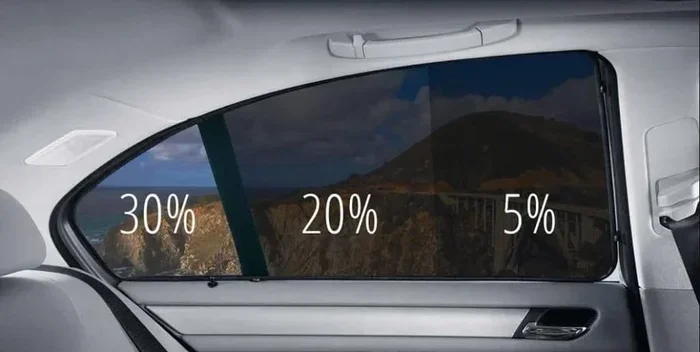
When we talk about a 30 percent window tint, we are referring to the tint darkness level. This number represents the Visible Light Transmission (VLT) percentage. In simple terms, a 30 percent VLT film allows 30% of outside light to pass through your car windows and blocks the remaining 70%.
Think of it like sunglasses for your car. The lower the VLT number, the darker the tint. Here is a quick look at how different tint levels compare:
- 50% VLT – Light tint. Blocks half the light. Good for basic glare reduction.
- 35% VLT – Medium tint. Popular for a subtle, stylish look.
- 30% VLT – Moderate-dark tint. Offers strong privacy and heat rejection.
- 20% VLT – Dark tint. Popular for luxury and maximum privacy.
- 5% VLT – Limo tint. Very dark. Often illegal for front side windows.
A 30 percent tint sits in the sweet spot. It is dark enough to give you real benefits but not so dark that it creates safety issues. This is why many car owners choose 30 percent window tint as their go-to option for daily driving.
How Is Tint Darkness Measured?
Tint darkness is measured using a VLT meter. This device shines a light through the film and calculates the percentage of light that passes through. Every reputable tint film comes with a certified VLT rating. When you buy aftermarket tint, always ask for the VLT certificate. This document proves the exact darkness level of your film and helps you stay on the right side of the law.
Visibility at 30 Percent Tint
One of the biggest concerns car owners have is whether a 30 percent window tint will affect their ability to see clearly. The short answer is no, not significantly. You can still drive safely during the day with a 30% tint on your windows. However, visibility does change under certain conditions, and it is important to understand those changes.
Daytime Visibility
During daylight hours, a 30 percent tint provides excellent visibility. You can easily see the road, read road signs, and spot pedestrians. The slight reduction in light actually helps reduce glare from the sun, which makes driving more comfortable. Many drivers report that 30 percent tint improves their overall driving experience by cutting down on eye strain.
Nighttime Visibility
At night, visibility can feel a bit tighter with any tint. A 30 percent tint is generally manageable for nighttime driving, but it does reduce the amount of light entering the cabin. If you frequently drive on poorly lit roads, you may notice a slight difference. Good quality tint film with high clarity ratings minimizes this effect. Look for films that advertise high optical clarity to keep your night vision sharp.
Factors That Affect Visibility
Several factors influence how well you can see through a 30 percent window tint:
- Tint film quality – Premium films use advanced dyes and ceramics that maintain clarity. Cheap films often look hazy or distorted.
- Glass condition – Clean, scratch-free glass lets more light through. If your windows are dirty or damaged, visibility drops further.
- Weather conditions – Rain, fog, and overcast skies already reduce light. Adding a tint on top makes things slightly darker.
- Tint color – Some tint colors, like charcoal or grey, maintain better clarity than others, like blue or green.
- Installation quality – Bubbles, wrinkles, or improper application can scatter light and reduce visibility.
Quick Tips for Better Visibility
- Choose a ceramic or carbon tint for the clearest view.
- Keep your windows clean inside and out.
- Avoid tinting your windshield unless your local laws allow a thin top strip.
- Ask your installer about optical clarity ratings before choosing a film.
Legal Considerations for 30 Percent Window Tint
This is where things get tricky. Window tint laws vary widely from one region to another. What is legal in one state or country might be completely illegal in another. Before you commit to a 30 percent window tint, you need to understand the rules that apply to you.
Understanding VLT Legal Limits
Most regions set a minimum VLT limit for each window. For example, some states require front side windows to have a VLT of at least 50%, while others allow as low as 35%. A 30 percent tint would be illegal for front side windows in those areas but perfectly fine for rear windows. The key is knowing which windows have which limits.
In India, tint darkness regulations are enforced under the Motor Vehicles Act. The rules differ for private cars and commercial vehicles. Many states in India restrict front windshield and front side window tinting to lighter shades. If you are considering tinting a car in the 30 lakh car price range, make sure the tint you choose complies with local rules. You can read more about cars in this price bracket here.
Common Legal Restrictions by Window
Here is a general breakdown of how tint laws typically apply to different windows:
- Windshield: Most regions allow only a thin tinted strip at the top. Full windshield tinting is usually illegal.
- Front Side Windows: Often restricted to 50% VLT or higher. A 30% tint may not pass inspection.
- Rear Side Windows: Generally more relaxed. Many regions allow 30% or even darker tints.
- Rear Windshield: Rules vary. Some areas allow any darkness if the car has dual side mirrors.
Medical Exemptions and Special Permits
Some regions offer medical exemptions for darker tint. People with certain skin conditions or light sensitivity may qualify for a permit that allows them to tint their windows darker than the standard legal limit. If you have a medical reason, check with your local transport authority about the application process.
Penalties for Illegal Tint
Driving with illegal window tint can lead to fines, failed vehicle inspections, and even orders to remove the tint. In some cases, police officers can pull you over solely for tint violations. The penalties depend on your location and how far off the legal limit your tint is. A 30 percent tint that exceeds the legal darkness limit for your front windows could result in a costly fine.
Benefits of Choosing 30 Percent Window Tint
Now that you understand visibility and legality let us talk about why so many car owners love a 30 percent window tint. The benefits go far beyond just looks.
Heat Rejection and Comfort
A quality 30 percent tint film blocks a significant amount of solar heat. On a hot summer day, your car interior can reach extreme temperatures. Tinting your windows reduces this heat buildup, making your car more comfortable from the moment you sit down. You spend less time blasting the AC and more time enjoying a cool ride.
UV Protection
Harmful ultraviolet rays can damage your skin and fade your car’s interior. A good tint film blocks up to 99% of UV rays. This protects both you and your passengers, especially during long drives. Over time, UV exposure can crack your dashboard and fade your seats. Tinting helps preserve your car’s interior value.
Glare Reduction
Sun glare and headlights from oncoming traffic at night can be distracting and even dangerous. A 30 percent window tint reduces glare significantly, improving your focus on the road. This is one of the most practical benefits that drivers appreciate every single day.
Privacy and Security
A darker tint gives you more privacy. People on the outside cannot easily see into your car. This is especially useful when you park in public areas or leave valuables inside. Many car owners choose 30 percent tint for the privacy it provides without going too dark.
Aesthetic Appeal
Let us not forget the looks. A well-applied 30 percent tint gives your car a sleek, polished appearance. It is one of the most popular tint levels because it enhances the car’s design without looking overly aggressive. Whether you drive a sedan, SUV, or hatchback, a 30 percent window tint adds a refined finish.
Common Mistakes to Avoid When Tinting Your Windows
Tinting your windows is not as simple as just picking a dark film. Many car owners make mistakes that lead to poor results or legal trouble. Here are some common pitfalls to watch out for.
Ignoring Local Laws
The biggest mistake is assuming all tint levels are legal everywhere. Window tint regulation differs not just between countries but sometimes between cities and states. Always verify the legal VLT limits for your specific area before choosing a tint darkness.
Choosing the Wrong Film Type
Not all tint film types are the same. Dye-based films are cheap but fade over time. Metalized films offer good heat rejection but can interfere with GPS and phone signals. Ceramic films are the best performers but come at a higher price. Choose based on your budget and needs.
Skipping Professional Installation
DIY tint kits are tempting, but they often lead to bubbles, peeling, and uneven application. Professional installation ensures a smooth, bubble-free finish that lasts longer. If you are investing in a 30 percent window tint, spend a little extra for quality installation.
Forgetting About Warranty
Many reputable tint brands offer warranties that cover bubbling, peeling, and discoloration. Always ask about the warranty before you commit. A good warranty gives you peace of mind and protects your investment.
Not Cleaning Windows Before Installation
Your installer should clean your windows thoroughly before applying the film. Dirt, dust, or oils on the glass can cause adhesion problems. If you want to prepare your windows beforehand, make sure you remove any unwanted residue or debris from car glass properly. You can find helpful tips on cleaning car glass here.
Expert Tips for Choosing the Right 30 Percent Tint
Getting the most out of your 30 percent window tint comes down to making smart choices. Here are some expert-backed tips to guide you.
Pick the Right Film Material
Ceramic tint is the gold standard. It offers superior heat rejection, does not fade over time, and does not interfere with electronics. If ceramic is out of your budget, carbon tint is a solid alternative. It looks matte and performs well for both heat and UV protection.
Consider Your Climate
If you live in a hot, sunny region, prioritize heat rejection when choosing your film. If you live in a cooler climate, you might value UV protection and glare reduction more. Your climate should influence which tint film features matter most to you.
Check Local Laws Before Buying
Do your research. Visit your local transport authority website or call them directly. Ask about the VLT limits for each window. This simple step can save you from fines and the hassle of removing and replacing illegal tint.
Ask About Installation Time and Aftercare
Professional installation usually takes one to two hours for a full car. After installation, keep your windows rolled up for at least 24 to 48 hours to let the film cure properly. Follow the aftercare instructions your installer provides for the best results.
Think About Resale Value
A clean, professionally installed 30 percent tint can actually boost your car’s resale value. Many buyers appreciate tinted windows for the comfort and privacy they provide. Just make sure the tint is legal and in good condition before selling.
How to Maintain Your 30 Percent Window Tint
Once your 30 percent window tint is installed, proper maintenance keeps it looking great for years. Here is what you need to know.
- Wait before cleaning: Do not clean your tinted windows for at least a week after installation.
- Use soft cloths: Avoid abrasive materials that can scratch the film.
- Choose ammonia-free cleaners: Ammonia can break down the tint adhesive over time.
- Avoid power washers: Direct high-pressure water near window edges can peel the film.
- Park in shade when possible: Less direct sun exposure helps the tint last longer.
With proper care, a quality 30 percent tint can last 5 to 10 years or even longer. The key is gentle cleaning and avoiding harsh chemicals.
Conclusion
A 30 percent window tint is a fantastic choice for car owners who want a balanced mix of style, comfort, and function. It offers strong heat rejection, excellent UV protection, and solid privacy without severely limiting your visibility. The key to a great experience lies in understanding visible light transmission, following your local window tint laws, and choosing quality film with professional installation.
Take the time to research your options, check your regional regulations, and pick a tint that fits your needs. Whether you are tinting a new car or upgrading an older vehicle, a well-chosen 30 percent tint delivers real value every time you get behind the wheel. Make the smart choice today and enjoy the benefits for years to come.
Frequently Asked Questions
Is a 30 percent window tint legal for front side windows?
It depends on your location. Many regions require front side windows to have a VLT of at least 50% or 35%. A 30% tint would likely be illegal for front side windows in those areas. Always check your local window tint regulation before applying tint to any front-facing glass.
Can you see clearly through a 30 percent tint at night?
Yes, but visibility is slightly reduced compared to daytime driving. A 30 percent window tint is generally manageable for night driving, especially on well-lit roads. Choosing a high-clarity film minimizes any nighttime visibility loss.
How much does a 30 percent window tint cost?
The cost varies based on film type, car size, and installation quality. Ceramic films cost more but offer the best performance. On average, a full-car 30 percent tint installation ranges from moderate to high cost. Investing in quality film and professional installation pays off in the long run.
Does a 30 percent tint block UV rays?
Yes, a good quality tint film blocks up to 99% of harmful UV rays. This protection applies regardless of the tint darkness level. Even a lighter tint can offer strong UV blocking if the film is designed for it.
Can I tint my windshield with a 30 percent film?
In most regions, full windshield tinting is illegal. Some areas allow a thin tinted strip at the top of the windshield. A 30 percent tint on the windshield would almost certainly violate local laws. Always check the specific rules for your windshield tinting options.
How long does a 30 percent tint take to cure?
Professional installation typically requires 24 to 48 hours for the film to fully cure. During this time, keep your windows rolled up and avoid cleaning them. After curing, the 30 percent window tint will look smooth and clear with no bubbles or haze.