Why Does the Throttle Position Sensor Need Recalibration
The throttle position sensor tells your engine how much power you need. When it drifts out of alignment, you get rough idle, poor acceleration, and wasted fuel. Recalibration brings it back to factory settings and restores your car’s confidence on the road.
Your car talks to you. It uses lights, sounds, and driving behavior to tell you when something is off. One of the quietest but most important messengers in your vehicle is the throttle position sensor. This tiny component watches your foot movements and tells the engine exactly how much power to deliver.
So, does the throttle position sensor need recalibration? The short answer is yes. Over time, wear, heat, and electrical noise can throw this sensor out of alignment. When that happens, your engine suffers in ways you cannot ignore. In this guide, we will walk you through everything you need to know about TPS sensor recalibration, from warning signs to DIY steps.
Whether you are a weekend wrench-turner or someone who just wants to understand their car better, this article has you covered. We will break down the science, the symptoms, the fixes, and the costs. By the end, you will know exactly when and why your throttle position sensor needs attention.
Key Takeaways
- The TPS is critical: This small sensor controls how much fuel and air reach your engine based on pedal input.
- Warning signs are clear: Rough idle, stalling, hesitation, and a check engine light all point to a misaligned sensor.
- Recalibration is possible at home: With basic tools and patience, you can reset the sensor yourself in under an hour.
- Driving with a bad TPS is risky: It can cause poor fuel economy, engine damage, and unsafe driving conditions.
- Professional help matters: Complex electronic throttle systems may require dealer-level diagnostics and specialized equipment.
- Prevention saves money: Regular maintenance and clean connections keep your throttle position sensor working reliably for years.
📑 Table of Contents
- What Is a Throttle Position Sensor?
- Signs Your Throttle Position Sensor Needs Recalibration
- How Does Throttle Position Sensor Recalibration Work?
- Can You Recalibrate a Throttle Position Sensor at Home?
- Common Mistakes During Throttle Position Sensor Recalibration
- When to Seek Professional Help for TPS Recalibration
- Preventing Future TPS Problems
- How Much Does Throttle Position Sensor Recalibration Cost?
- Expert Insights on Throttle Position Sensor Health
- Understanding the Difference Between TPS and MAP Sensors
- Key Takeaways
- Conclusion
What Is a Throttle Position Sensor?
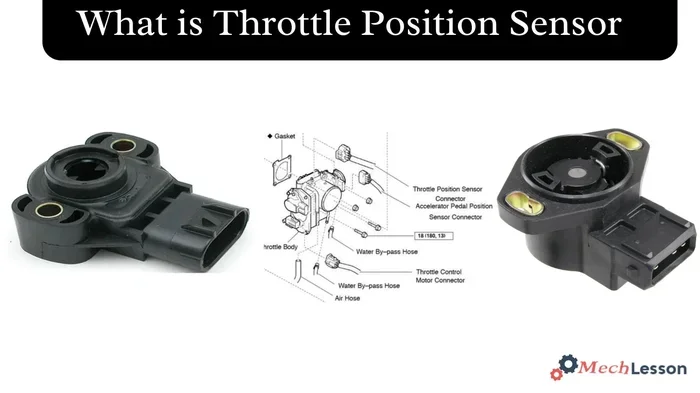
The throttle position sensor sits on your engine’s throttle body. Think of the throttle body as the gatekeeper for air entering your engine. When you press the gas pedal, the throttle opens wider. The TPS sensor reads this opening and sends a voltage signal to the engine control unit, also called the ECU.
The ECU uses this information to decide how much fuel to inject. It balances air and fuel for smooth combustion. Without a working TPS, your engine would be blind to your throttle input.
Modern vehicles use electronic throttle control instead of a traditional throttle cable. In older cars, a cable connected the pedal directly to the throttle plate. Today, electronic sensors handle this job. This shift means the TPS sensor plays an even bigger role in overall engine performance.
How the TPS Works in Simple Terms
Imagine your gas pedal is a volume knob. The throttle position sensor is the dial that reads where you set the knob. It sends a signal to the car’s brain, which then adjusts the engine speed accordingly.
Most TPS sensors have three wires:
- Power supply: Receives voltage from the ECU.
- Signal wire: Sends voltage back based on throttle position.
- Ground wire: Completes the electrical circuit.
When the sensor works correctly, the voltage changes smoothly as you press or release the pedal. Any interruption in this signal causes driveability issues.
Signs Your Throttle Position Sensor Needs Recalibration
A failing or misaligned TPS does not announce itself with a single dramatic symptom. Instead, it creates a collection of small problems that slowly add up. Recognizing these signs early can save you from costly repairs down the road.
Rough or Unstable Idle
Your engine should run smoothly when you are stopped at a red light. If it shakes, rattles, or hunts for RPMs, the TPS might be sending incorrect signals. A rough idle is one of the most common engine performance complaints tied to sensor drift.
Hesitation or Stumbling During Acceleration
Press the gas pedal and expect a smooth response. If your car pauses, stumbles, or jerks before picking up speed, the sensor may not be reading the throttle opening accurately. This acceleration problem is especially noticeable when merging onto highways or climbing hills.
Unexpected Surging or Speed Changes
Sometimes the engine surges forward on its own, even when your foot stays still on the pedal. This happens because the TPS sends mixed signals to the ECU. The engine thinks you are pressing the gas when you are not, and the result is an unsettling surge in speed.
Check Engine Light
The check engine light is your car’s universal distress signal. A faulty TPS often triggers specific diagnostic trouble codes like P0121, P0122, or P0123. If this light comes on alongside any of the above symptoms, car diagnostics should include a TPS check.
Poor Fuel Economy
A misaligned sensor can cause the engine to run rich, meaning it burns too much fuel. You may notice you are visiting the gas station more often. Over weeks and months, this waste adds up to real money.
Engine Stalling or Difficulty Starting
In severe cases, a bad TPS causes the engine to stall at idle or refuse to start altogether. The ECU relies on accurate throttle data to manage the startup sequence. Without it, the engine essentially guesses, and guessing leads to failure.
How Does Throttle Position Sensor Recalibration Work?
Recalibration resets the TPS to its factory baseline. The process tells the ECU where the throttle is completely closed and fully open. This reference points allow the sensor to read all positions in between accurately.
The Reset Process Explained
Most recalibration procedures follow a similar pattern:
- Turn the ignition on without starting the engine.
- Release the throttle pedal completely and wait for the ECU to recognize the closed throttle position.
- Turn the ignition off and wait a few seconds.
- Start the engine and let it idle for several minutes.
- Perform a light throttle sweep to let the ECU learn the full range of motion.
Some vehicles require a scan tool to complete the reset. Others respond to a simple key cycle procedure. Always check your vehicle-specific service manual before starting.
Why Recalibration Matters
Without recalibration, the ECU uses old or incorrect reference values. It miscalculates fuel delivery and ignition timing. This miscalculation leads to the symptoms we discussed earlier. Recalibration restores the communication link between the throttle body and the engine control module.
Think of it like adjusting the sights on a rifle. Over time, the sights drift. Recalibration brings them back to zero so your shots, or in this case, your engine performance, stays on target.
TPS Recalibration vs. Replacement
Not every TPS problem requires a new sensor. Sometimes the sensor just needs recalibration. Here is a quick comparison:
- Recalibration: Fixes signal drift, resets baseline values, costs little to nothing, and takes under an hour.
- Replacement: Needed when the sensor is physically damaged, has internal failure, or does not respond to recalibration at all.
Always try recalibration first. It is faster, cheaper, and often solves the problem entirely.
Can You Recalibrate a Throttle Position Sensor at Home?
The answer is yes for most vehicles. You do not need expensive tools or advanced mechanical skills. A basic understanding of your car’s ignition system is all you need to get started.
Tools You Will Need
- A standard socket set
- A digital multimeter (optional but helpful)
- Your vehicle owner’s manual or a reliable repair guide
- A clean, well-lit workspace
Step-by-Step Home Recalibration Guide
Follow these steps carefully. Each vehicle model has slight variations, so use your manual as a reference.
- Park on a flat surface and engage the parking brake. Turn the ignition to the ON position without starting the engine.
- Press the accelerator pedal fully and hold it for about 10 seconds. Then release the pedal completely and wait 5 seconds.
- Start the engine and let it idle for 20 minutes without touching the pedal. This allows the ECU to learn the idle air position.
- Turn off the engine and wait 30 seconds before restarting.
- Take a short test drive at moderate speeds. Pay attention to throttle response and idle stability.
If the symptoms disappear after this process, your recalibration was successful. If problems persist, the sensor may need replacement or further vehicle maintenance.
Quick Tips for Success
- Always work with a cool engine to avoid burns.
- Make sure your battery terminals are clean and tight before starting.
- Do not rush the idle learning phase. Twenty minutes is the minimum.
- Write down any diagnostic trouble codes before you begin so you can verify the fix afterward.
Common Mistakes During Throttle Position Sensor Recalibration
Even simple tasks can go wrong when we skip steps or rush through them. Here are the most common mistakes people make when recalibrating their TPS sensor.
Skipping the Idle Relearn Procedure
Many people reset the sensor but skip the idle learning phase. The ECU needs time to relearn the baseline throttle position. Without this step, the engine may idle too high or too low, and the original symptoms return within days.
Ignoring Dirty Throttle Body
A filthy throttle body throws off recalibration. Carbon buildup restricts the throttle plate movement, so the sensor reads incorrect positions. Always clean the throttle body before recalibrating for the best results.
Using the Wrong Procedure for Your Vehicle
Not all cars follow the same reset process. Some require a scan tool. Others need a specific key cycle sequence. Using the wrong procedure can make things worse instead of better. Always verify the correct method for your make and model.
Neglecting Wiring and Connector Inspection
A corroded connector or damaged wire can mimic TPS failure. Before replacing or recalibrating the sensor, inspect the wiring harness and connector for signs of wear, corrosion, or loose pins.
Assuming the Problem Is Always the Sensor
Sometimes the TPS is fine. The real issue lies in the ECU, the throttle body motor, or even the pedal position sensor on the other end. A thorough car diagnostics check prevents unnecessary part purchases.
When to Seek Professional Help for TPS Recalibration
DIY recalibration works for most standard setups. But certain situations call for a professional touch.
Complex Electronic Throttle Systems
Some modern vehicles use advanced electronic throttle control systems with redundant sensors. These systems require specialized scan tools to reset properly. Attempting a manual reset on these vehicles can lead to error codes and further complications.
Persistent Diagnostic Trouble Codes
If the check engine light returns after recalibration, there is an underlying issue a professional should diagnose. It could be a wiring problem, ECU failure, or a mechanical issue in the throttle body assembly.
Lack of Proper Equipment
A quality OBD2 scan tool makes recalibration faster and more reliable. If you do not own one, a quick visit to a repair shop or auto parts store can save you hours of frustration.
Safety Concerns
If your vehicle experiences sudden stalling, severe hesitation, or unpredictable surging, do not attempt DIY fixes. Driveability issues of this severity need immediate professional attention to keep you safe on the road.
Preventing Future TPS Problems
Recalibration fixes the current issue, but prevention keeps the next one from happening. A few simple habits go a long way in maintaining your throttle position sensor and overall engine health.
Regular Maintenance Checks
Include the throttle body and TPS in your routine vehicle maintenance schedule. A visual inspection every 15,000 miles catches early warning signs before they become full-blown problems.
Keep Electrical Connections Clean
Corrosion is the enemy of any sensor. Use electrical contact cleaner on the TPS connector during oil changes or other service intervals. This simple step extends the sensor’s lifespan significantly.
Use Quality Fuel and Air Filters
Clean fuel and air protect the entire engine system, including the throttle body. Dirty filters allow contaminants to enter, which leads to carbon buildup on the throttle plate. This buildup directly affects how accurately the TPS reads throttle position.
Address Warning Signs Promptly
Do not ignore early symptoms like slight idle roughness or minor hesitation. The longer a misaligned TPS goes unaddressed, the more strain it puts on other engine components. Early intervention keeps repair costs low and your engine running strong.
How Much Does Throttle Position Sensor Recalibration Cost?
The cost of recalibration depends on whether you do it yourself or visit a shop. A DIY reset costs nothing but your time. Professional recalibration typically ranges from $75 to $150 at most independent repair shops. If the sensor itself needs replacement, expect to pay between $100 and $300 for parts and labor combined.
Compare this to the cost of ignoring the problem. A poorly calibrated TPS can reduce fuel economy by 10 to 20 percent. Over a year of driving, that wasted fuel costs far more than a simple recalibration.
Additionally, driving with a malfunctioning sensor can cause secondary damage. The engine runs inefficiently, which affects the catalytic converter and other emission components. Repairing those parts costs significantly more than a TPS reset.
Expert Insights on Throttle Position Sensor Health
Experienced mechanics agree on one thing: the TPS is a small part with a big impact. According to automotive professionals, sensor recalibration should be part of any comprehensive engine tune-up. Many shops overlook this step, which leads to repeat visits for the same driveability complaints.
One master technician shared this insight: “I see cars come in with rough idle and hesitation almost every week. Half the time, a simple TPS recalibration solves the entire problem. People spend hundreds on parts that were never broken. They just needed a reset.”
This advice applies especially to vehicles with high mileage or those that have recently had the throttle body cleaned. The ECU needs to relearn the new baseline after any throttle body service.
Understanding the Difference Between TPS and MAP Sensors
It is easy to confuse the throttle position sensor with the manifold absolute pressure sensor. Both feed information to the ECU, but they measure different things.
The TPS measures throttle plate angle based on pedal input. The MAP sensor measures intake manifold pressure to determine engine load. They work together to create the optimal air-fuel mixture, but they serve distinct roles in the fuel injection system.
When diagnosing engine performance issues, it is important to check both sensors. A problem in one can mimic symptoms of a failure in the other. A proper diagnostic scan tool reads data from both sensors simultaneously, making it easier to isolate the true cause.
Key Takeaways
- The throttle position sensor is essential: It bridges your foot movements and engine response, making it a core part of electronic throttle control.
- Warning signs are unmistakable: Rough idle, hesitation, surging, stalling, and a check engine light all point to a TPS that needs attention.
- Recalibration is simple and effective: Most vehicles respond well to a reset procedure that takes less than an hour.
- DIY is doable for most drivers: With basic tools and your vehicle manual, you can recalibrate the sensor at home with confidence.
- Avoid common mistakes: Skip the idle relearn, ignore a dirty throttle body, or use the wrong procedure, and you will be back to square one.
- Know when to call a pro: Complex electronic systems, persistent codes, and severe driveability issues warrant professional diagnosis and service.
- Prevention is the best strategy: Regular maintenance, clean connections, and prompt attention to early symptoms keep your TPS working reliably for the life of the vehicle.
Conclusion
The throttle position sensor may be small, but its role in your vehicle’s operation is enormous. It translates your driving intentions into precise engine responses. When it drifts out of calibration, the entire driving experience suffers.
Throttle position sensor recalibration is a straightforward fix that addresses the root cause of many common engine problems. Whether you choose to do it yourself or visit a trusted mechanic, the key is to act quickly when symptoms appear. Delaying the fix leads to wasted fuel, reduced performance, and potential damage to other engine components.
Your car communicates through symptoms. Listen to what it is telling you. A little attention to the TPS goes a long way toward keeping your engine running smoothly for miles to come. Take the time to understand your vehicle, and you will save money, time, and frustration in the long run.
Frequently Asked Questions
Can you drive with a faulty throttle position sensor?
You can, but it is not recommended. A faulty TPS causes unpredictable engine behavior, including stalling, surging, and poor acceleration. These issues make driving unsafe, especially in heavy traffic or on highways. Have the sensor checked and recalibrated as soon as possible.
How often should the throttle position sensor be recalibrated?
There is no set schedule for TPS recalibration. It only needs attention when symptoms appear or after a throttle body service. However, including a TPS check during routine engine tune-ups helps catch drift early before it causes noticeable problems.
What causes a throttle position sensor to go out of calibration?
Several factors contribute to TPS drift. Heat exposure, vibration, electrical corrosion, and normal wear over time all play a role. Carbon buildup on the throttle body is another common cause. Even a minor bump or accident can shift the sensor’s alignment slightly.
Does a throttle position sensor reset require a scan tool?
It depends on your vehicle. Many older and mid-range models allow a manual reset through a key cycle procedure. Newer vehicles with advanced electronic throttle control often require a scan tool to complete the recalibration. Check your owner’s manual or consult a repair guide specific to your make and model.
What is the difference between a throttle position sensor and a pedal position sensor?
The pedal position sensor sits on the accelerator pedal and tells the ECU how far you are pressing the pedal. The throttle position sensor sits on the throttle body and reports the actual position of the throttle plate. Both sensors work together, but they are separate components that can each fail independently.
Can a dirty throttle body cause TPS problems?
Absolutely. Carbon deposits and grime restrict throttle plate movement, which means the TPS reads incorrect positions. Cleaning the throttle body before recalibrating the sensor is one of the most overlooked yet effective steps in resolving driveability issues.