Can I Drive with One Headlight and Stay Safe on the Road
Driving with one headlight is a common situation that many car owners face, but it raises important questions about safety and legality. This guide covers everything you need to know about whether you can drive with one headlight, what the laws say, and how to stay safe on the road. Learn the risks, the rules, and the quick fixes that can get you back to full visibility in no time.
You are driving home after a long day. The sky is dark. You flip on your headlights and notice something is off. Only one light is working. Your heart sinks a little. You wonder, can I drive with one headlight and still be safe? This is a situation more drivers face than you might think. A burned-out headlight bulb can happen to anyone. It might be the first bulb you have ever changed, or it could be the second one that just went out this month. Either way, it leaves you feeling stuck and a bit worried. The good news is that this guide will walk you through everything you need to know. We will cover the laws, the safety risks, the common causes, and the best ways to fix the problem. By the end, you will feel confident and ready to handle this situation like a pro.
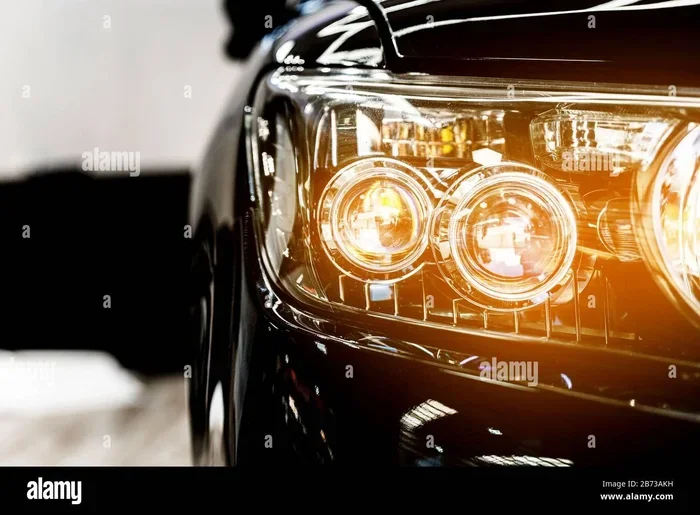
Headlights are one of the most important safety features on any vehicle. They help you see the road ahead, and they help other drivers see you. When one headlight goes out, it affects both sides of that equation. You lose part of your view of the road, and other drivers may not notice you as easily, especially at night or in bad weather. This is not something you should ignore. Even if it seems like a small issue, a single working headlight can lead to serious problems. Let us dive deep into what you need to know about driving with one headlight and how to handle it the right way.
Key Takeaways
- It depends on your location: Laws vary by state and country, but most places require both headlights to work.
- Safety is a major concern: Driving with one headlight reduces your visibility and makes you harder to see for other drivers.
- Headlight failure is common: Bulbs burn out, wiring gets damaged, and moisture can cause problems over time.
- Quick fixes exist: Replacing a bulb is often simple, affordable, and something you can do at home.
- Regular maintenance helps: Keeping your car clean and checking your lights routinely prevents most issues.
- Know when to seek help: Some problems need a professional mechanic, and ignoring them can lead to bigger repairs.
📑 Table of Contents
- What Happens When You Drive with One Headlight
- Is It Legal to Drive with One Headlight
- Why Headlights Fail and How to Prevent It
- How to Stay Safe If You Have One Working Headlight
- Common Myths About Driving with One Headlight
- When to Replace Your Headlight and How to Do It
- Final Thoughts on Driving with One Headlight
What Happens When You Drive with One Headlight
The Safety Risks You Need to Know
Driving with only one headlight is risky. Your headlights work as a pair. They give you a balanced view of the road ahead. When one is out, your lighting becomes uneven. You might see fine straight ahead, but your peripheral vision takes a hit. Objects on the side of the road become harder to spot. Curves and turns become more dangerous because you lose the full range of light you need.
Other drivers also have a harder time seeing you. Most people expect to see two lights when a car approaches. One light can look like a motorcycle from a distance. This confusion can lead to accidents. Other drivers might not give you the right of way. They might not judge your distance correctly. In rainy or foggy conditions, the risk goes up even more. One headlight simply does not cut it when visibility is already low.
There is also the issue of your own confidence behind the wheel. When you know your headlights are not working right, you drive more carefully. You might slow down more than you need to. You might avoid certain roads altogether. This is not the way you should feel when you get behind the wheel. Your car should feel safe and reliable every single time you drive it.
How It Affects Your Visibility at Night
At night, headlights are everything. They are your eyes on dark roads, unlit highways, and poorly lit neighborhoods. When both headlights work, they create a wide cone of light that covers the road ahead and the sides. With only one headlight, that cone shrinks. You lose about half of your lighting coverage. This means shadows grow longer. Potholes, debris, and obstacles become harder to see until you are almost on top of them.
Driving at night with one headlight is especially dangerous on rural roads. These roads often lack streetlights. They have no guardrails. They curve unexpectedly. You need every bit of light you can get. A single headlight just cannot give you the coverage you need. If you find yourself in this situation, the best thing to do is slow down and drive with extra caution. Better yet, get the problem fixed as soon as possible.
Is It Legal to Drive with One Headlight
Headlight Laws Across Different States
The legality of driving with one headlight depends on where you live. Most states in the U.S. require vehicles to have two working headlights. The law typically states that headlights must be used from sunset to sunrise. It also says that both headlights must be in working condition. If a police officer pulls you over and sees only one headlight, you could get a ticket.
Some states are stricter than others. In California, for example, vehicles must have two headlights that are properly functioning. In Texas, the law also requires two headlights. Even in states where the penalty is just a warning, it is still a violation. You do not want to risk a fine or a point on your license. It is always better to fix the problem before you get stopped.
Keep in mind that laws can change. What was true last year might not be true today. If you are unsure about the rules in your area, check your local Department of Motor Vehicles website. They usually have clear guidelines on vehicle lighting requirements. You can also ask your mechanic. They deal with these rules every day and can give you up-to-date advice.
What Happens If You Get Pulled Over
If a police officer stops you for having only one headlight, the outcome depends on the situation. In many cases, you will receive a warning. The officer might tell you to get it fixed within a certain timeframe. In other cases, you might get a citation. This means a fine. The amount varies by state and municipality. Some fines are as low as twenty to fifty dollars. Others can be higher.
In worst-case scenarios, your vehicle might not pass inspection. If your state requires annual or biannual vehicle inspections, a burned-out headlight can cause you to fail. This means you cannot register your car until the problem is fixed. Nobody wants that hassle. It is so much easier to just replace the bulb and move on with your life.
Why Headlights Fail and How to Prevent It
Common Causes of Headlight Failure
Headlights fail for a few different reasons. The most common cause is simply age. Headlight bulbs have a lifespan. They burn out eventually. A standard halogen bulb lasts about 450 to 1,000 hours. An LED bulb can last much longer, sometimes up to 30,000 hours. But no matter the type, every bulb eventually burns out. When it does, you are left with one working headlight.
Another common cause is a blown fuse. Your car has a fuse box that protects the electrical system. If too much current flows through the headlight circuit, the fuse blows. This cuts power to the headlight. Replacing a fuse is usually simple and cheap. You can find the right fuse in your owner manual. Just pop the old one out and put a new one in.
Wiring problems can also cause headlight failure. Over time, wires can corrode, crack, or get damaged. Moisture can get into the headlight assembly and cause short circuits. This is especially common in older cars or vehicles that have been through rough weather. If the wiring is the problem, you might need a mechanic to fix it. It is not always a quick DIY job.
How to Keep Your Headlights Working Longer
Prevention is always better than cure. There are simple steps you can take to keep your headlights working longer. First, clean your headlights regularly. Dirt, grime, and road salt can build up on the lens. This creates a film that dims the light output. A quick wipe-down with a mild cleaner can make a big difference. You can also check out this guide on 30 unwanted things you can remove from car glass for tips on keeping your vehicle’s exterior clean and clear.
Second, check your headlights once a month. It only takes a few seconds. Walk around your car and turn on both headlights. Look at each one. Make sure they are bright and working. This simple habit can catch a failing bulb before it leaves you driving in the dark with only one light.
Third, replace bulbs in pairs. When one bulb burns out, the other one is usually close to the end of its life too. Replacing both at the same time ensures you get even lighting. It also saves you a trip to the auto parts store later. Think of it as a small investment in your safety.
How to Stay Safe If You Have One Working Headlight
Immediate Steps to Take
If you find yourself driving with one headlight, do not panic. There are steps you can take right away to stay safe. First, pull over in a safe place if possible. Turn on your hazard lights. This alerts other drivers that something is wrong with your vehicle. It gives them time to adjust and give you extra space on the road.
Second, avoid driving at night if you can. If you must drive after dark, stick to well-lit roads. Avoid dark highways and rural routes where there is no street lighting. Drive slower than usual. Give yourself more time to react to obstacles in the road. The more cautious you are, the safer you will be.
Third, keep your windshield clean. A dirty windshield makes it harder to see when your lighting is already compromised. Wipe both the inside and outside of your glass before you drive. This small step can make a huge difference in how well you see the road ahead.
Temporary Fixes While You Wait for a Repair
Sometimes you cannot fix the problem right away. Maybe you are traveling, or the replacement bulb is not available locally. In these cases, there are a few temporary fixes you can try. First, check if the bulb is simply loose. Sometimes a bulb can shift in its socket after hitting a bump or pothole. Gently tightening it might restore the connection.
Second, check the fuse box. A blown fuse is an easy fix that costs almost nothing. Locate the fuse for the headlights in your owner manual. If the metal strip inside the fuse is broken, replace it with a new one of the same amperage. This simple step might bring both headlights back to life.
Third, carry a spare bulb in your trunk. It is a small investment that can save you a lot of trouble. Most auto parts stores sell headlight bulbs for just a few dollars. If you know which type your car needs, you can swap it out yourself in minutes. No mechanic visit required.
Common Myths About Driving with One Headlight
Myth 1: One Headlight Is Good Enough
Some drivers believe that one headlight provides enough light to drive safely. This is simply not true. Headlights are designed to work as a pair. They create a balanced field of light that covers the road evenly. One headlight leaves a gap in your vision. It also makes your car harder for others to see. No matter how confident you feel, one headlight is not enough for safe driving.
Myth 2: It Is Fine as Long as You Drive Slowly
Driving slowly does help, but it does not solve the problem. Even at low speeds, you need good visibility to spot hazards. A pedestrian stepping off a curb, a stopped car ahead, or a deer in the road all require quick reaction. One headlight limits your ability to see these dangers in time. Speed is not the only factor. Light coverage matters just as much.
Myth 3: You Only Need Headlights at Night
Many drivers think headlights are only for nighttime use. In reality, many states require headlights to be on during rain, fog, and even during the day in some conditions. Headlights are not just about seeing the road. They are about being seen by others. A single headlight does not fulfill this purpose effectively. Always make sure both headlights are working, no matter the time of day.
When to Replace Your Headlight and How to Do It
Signs Your Headlight Needs Replacement
Knowing when to replace your headlight can save you from getting stuck with one working light. Look out for these signs. One headlight is noticeably dimmer than the other. The light flickers or goes in and out. The bulb turns yellow or cloudy. You see condensation inside the headlight lens. Any of these signs mean it is time to act. Do not wait until the bulb dies completely.
If you notice these issues early, you can replace the bulb before it fails entirely. This keeps you safe and avoids the hassle of driving with one headlight. It also prevents the other headlight from failing at the worst possible moment, like on a dark highway or during a storm.
How to Replace a Headlight Bulb Yourself
Replacing a headlight bulb is one of the easiest car maintenance tasks you can do. You do not need to be a mechanic. You do not need fancy tools. Here is a simple step-by-step guide.
First, check your owner manual for the correct bulb type. Every car uses a specific bulb. Using the wrong one will not work. Once you have the right bulb, park your car on a flat surface and turn off the engine. Let the headlight assembly cool down if you have been driving.
Next, open the hood and locate the back of the headlight assembly. You will see a rubber or plastic cover behind the bulb. Remove the cover by twisting it counterclockwise. Then gently pull the old bulb straight out. Do not touch the glass part of the new bulb with your bare hands. The oils from your skin can cause the bulb to overheat and fail early. Use a clean cloth or glove instead.
Insert the new bulb into the socket. It should fit snugly. Then replace the cover and twist it clockwise to lock it in place. Turn on the headlights to test the new bulb. If it works, you are all set. If not, double-check that the bulb is seated properly and the cover is secure.
When to Call a Professional
Replacing a bulb is easy, but some headlight problems need a professional. If the wiring is damaged, if the assembly is cracked, or if moisture keeps getting inside the lens, a mechanic should handle the repair. These issues are not DIY-friendly. Trying to fix them yourself can lead to bigger problems and higher costs down the road.
A professional mechanic can also check your entire lighting system. They can make sure both headlights are aligned correctly. Proper alignment ensures the light shines where it should. It prevents glare for oncoming drivers and gives you the best possible view of the road. This is a quick check that can make a big difference in your driving safety.
Remember, taking care of your vehicle is about more than just fixing problems when they happen. It is about preventing issues before they start. Regular maintenance, routine checks, and prompt repairs all add up to a safer, more reliable car. Whether you park your car in a garage or under a carport, keeping your vehicle in good shape should always be a priority. If you are planning a home setup that includes a dedicated parking space, consider exploring a 25 by 50 house plan with car parking or a 20 by 40 house plan with car parking to ensure your vehicle has a safe and protected spot at home.
Final Thoughts on Driving with One Headlight
Driving with one headlight is not something you should take lightly. It affects your safety, it may be illegal in your area, and it puts both you and other drivers at risk. The good news is that fixing the problem is usually quick, affordable, and straightforward. A new headlight bulb costs just a few dollars and takes minutes to install. Even if the problem is bigger, a mechanic can diagnose and fix it in a single visit.
The most important thing is to act quickly. Do not ignore a burned-out headlight. Do not tell yourself you will fix it tomorrow. Tomorrow can turn into next week, and next week can turn into a dangerous habit. Make it a priority to get your headlights working the way they should. Your safety on the road depends on it.
Stay proactive about your vehicle maintenance. Check your lights regularly. Keep spare bulbs in your car. Clean your headlights to maintain maximum brightness. These small habits go a long way in keeping you safe and your car running smoothly. When you take care of your vehicle, your vehicle takes care of you. Drive safely, stay visible, and always make sure both headlights are working before you hit the road.
Frequently Asked Questions
Can I drive with one headlight if the other one just burned out?
Technically, your car will still run, but it is not safe or legal in most places. Driving with one headlight reduces your visibility and makes your car harder for others to see. Replace the bulb as soon as possible to stay safe and avoid a ticket.
How much does it cost to replace a headlight bulb?
A single headlight bulb typically costs between 15 and 50 dollars depending on your vehicle. LED bulbs cost more but last much longer. The good news is that this is one of the cheapest and easiest car repairs you can do yourself.
Will a police officer pull me over for one headlight?
Yes, in most states it is illegal to drive with only one working headlight. A police officer can pull you over and issue a warning or a fine. It is best to fix the problem immediately to avoid any legal issues.
How long can I safely drive with one headlight?
You should not drive with one headlight any longer than absolutely necessary. If you must drive short distances, do so during daylight hours on well-lit roads. Get the replacement bulb or professional repair done as quickly as possible.
Can a loose headlight bulb cause only one light to work?
Yes, a bulb that is not seated properly in its socket can lose connection and stop working. Before buying a new bulb, try gently tightening the old one. If that does not work, the bulb may need to be replaced.
Do both headlights need to be replaced at the same time?
It is highly recommended to replace both headlights at the same time. The other bulb is likely close to the end of its lifespan too. Replacing them together ensures even lighting and saves you a future trip to the store.
=== CONCLUSION ===
Can I drive with one headlight? The short answer is no, not safely and not legally in most places. Your headlights are essential for visibility and communication with other drivers. Driving with only one puts you and everyone else on the road at risk. The fix is simple, affordable, and something you can handle in minutes. Do not wait. Check your headlights regularly, keep spare bulbs on hand, and act fast when one goes out. Your safety on the road is worth it.