How Long Is an Extended Cab Truck and Why It Matters
An extended cab truck typically measures between 230 and 260 inches in overall length, making it a popular choice for drivers who need both passenger space and cargo room. These pickup trucks offer a unique blend of rear door access and truck bed utility that regular cabs cannot match. Whether you are hauling gear or carrying your family, understanding extended cab truck dimensions helps you make the right choice.
An extended cab truck is one of the most versatile vehicles you can own today. If you have ever wondered how long is an extended cab truck, you are not alone. Many drivers research truck dimensions before making a purchase, and for good reason. The length of your pickup truck affects everything from parking to hauling capability. Understanding the extended cab truck measurements helps you make a smarter buying decision.
Knowing the extended cab truck length helps you plan for parking, garage fit, and overall vehicle handling. This guide breaks down everything you need to know about extended cab truck dimensions, why they matter, and how to choose the right one for your needs.
We will cover real-world measurements, compare different truck cab styles, and share practical tips. By the end, you will feel confident about which truck configuration suits your lifestyle best. Let us dive in.
Quick Tip: Always measure your garage or parking space before buying any extended cab truck. Length can vary by several inches between different brands and model years.
Key Takeaways
- Extended cab trucks measure 230 to 260 inches in overall length, depending on the model and manufacturer.
- Cab size directly impacts passenger comfort, cargo capacity, and towing performance.
- Extended cab vs. crew cab is a key comparison every buyer should understand before purchasing.
- Rear doors on extended cabs are smaller and often suicide-style, which affects access.
- Truck bed length remains consistent across cab styles in most models, so you do not sacrifice cargo space.
- Mid-size and full-size trucks both offer extended cab configurations with different dimension profiles.
- Choosing the right cab size depends on your daily needs, passenger count, and hauling requirements.
📑 Table of Contents
What Is an Extended Cab Truck?
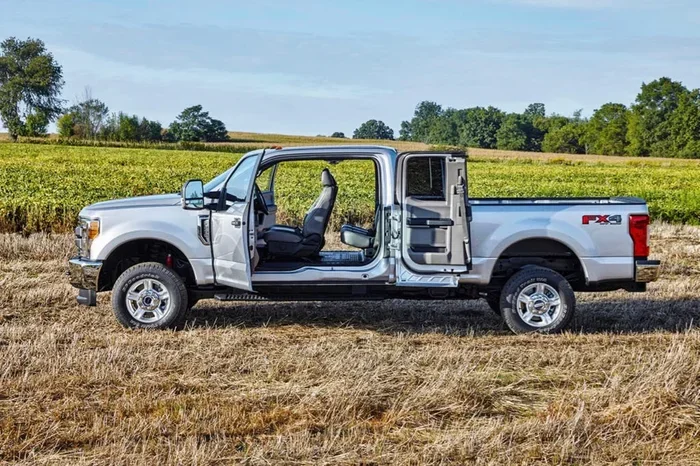
An extended cab truck is a type of pickup truck that offers more rear space than a regular cab but is not as large as a crew cab. The name comes from the extended rear section of the cab, which adds a few extra inches of space behind the front seats. This extra space is often used for small rear seating or extra storage.
Extended cab trucks have been around for decades. They were originally designed for workers who needed a truck for the job but also wanted room for a few extra passengers or tools. Today, they remain popular among families, contractors, and outdoor enthusiasts who want a practical vehicle footprint without sacrificing capability.
The beauty of an extended cab is its balance. You get the maneuverability of a smaller cab with added functionality. This is why many brands continue to offer extended cab options across their pickup truck lineups.
Key Features of an Extended Cab
- Rear access doors that are smaller than front doors, often called suicide doors
- Rear seating that can fit two to three passengers, though space is tight for adults
- A truck bed that is the same length as the regular cab version in most models
- Extra storage behind the front seats for tools, gear, or small items
- A more compact vehicle footprint compared to a crew cab
The extended cab strikes a balance between utility and practicality. You get the truck bed length of a smaller cab with added rear space. This makes it a great option for many different uses.
Expert Insight: According to automotive industry experts, the extended cab design has remained popular because it offers the best of both worlds. You get the maneuverability of a smaller cab with the added functionality of rear seating and storage. This is why many brands continue to offer extended cab options across their pickup truck lineups. The seating capacity may be limited, but the versatility is hard to beat.
How Long Is an Extended Cab Truck?
The length of an extended cab truck varies depending on the make, model, and year. However, most extended cab trucks fall within a specific range that makes them easy to compare. Understanding these measurements helps you plan for parking, garage fit, and overall vehicle handling.
Average Extended Cab Truck Length
Most extended cab trucks measure between 230 and 260 inches in overall length. That is roughly 19 to 22 feet long. The exact cab length depends on the truck class and brand. Here is a general breakdown:
- Mid-size extended cab trucks like the Toyota Tacoma or Chevrolet Colorado typically measure around 230 to 238 inches
- Full-size extended cab trucks like the Ford F-150 or Ram 1500 typically measure around 240 to 260 inches
- Heavy-duty extended cab trucks can exceed 260 inches in some configurations
These numbers can shift based on the bed size you choose. A longer bed does not change the cab length, but it does increase the truck overall length. Always check the specific model year and trim when researching dimensions.
Measuring Truck Length Correctly
When people ask how long is an extended cab truck, they often mean different things. The overall length is measured from the front bumper to the rear bumper. But there are other measurements that matter too:
- Cab length – the measurement of just the cab section from the windshield base to the rear of the cab
- Truck bed length – the measurement of the cargo bed from the tailgate to the bulkhead
- Wheelbase – the distance between the front and rear axle centers
- Overall vehicle length – the total length from front bumper to rear bumper
The truck bed length usually stays the same whether you choose a regular cab, extended cab, or crew cab version of the same model. This is an important detail because many people assume a longer cab means a shorter bed. In most cases, that is not true.
Expert Insight: When comparing truck dimensions, always look at the wheelbase as well as overall length. The wheelbase affects ride quality, stability, and turning radius. A truck with a longer wheelbase may feel more stable on the highway but can be harder to maneuver in tight spaces. The cab length and bed length are separate measurements that do not always correlate the way people expect.
Extended Cab vs. Regular Cab vs. Crew Cab
Understanding the differences between truck cab styles is essential when choosing a vehicle. Each cab style offers unique advantages and trade-offs. Let us break down the three main types so you can see where the extended cab truck fits in.
Regular Cab
A regular cab is the smallest and most basic truck configuration. It has two doors and a single row of seating. The truck bed is typically the longest in the lineup because the cab is the shortest. Regular cab trucks are ideal for solo drivers or couples who prioritize cargo space over passenger room. They are simple, functional, and easy to park.
Extended Cab
An extended cab truck adds a few inches to the rear of the cab. This creates a small rear seating area and often includes smaller rear doors. The truck bed length remains similar to the regular cab version in most models. Extended cab trucks are perfect for drivers who occasionally need to carry a few extra people or want extra storage behind the front seats. The rear doors, while smaller, still provide reasonable access to the back seat.
Crew Cab
A crew cab (also called a double cab) has four full-size doors and a larger rear passenger area. The cab size is the biggest of the three styles, which means the truck bed is usually the shortest. Crew cab trucks are ideal for families or anyone who regularly carries passengers in the rear. The extra length of the cab adds to the truck overall length, which can affect parking and maneuverability.
Comparison Table: Cab Styles at a Glance
| Feature | Regular Cab | Extended Cab | Crew Cab |
|---|---|---|---|
| Doors | 2 | 4 (rear doors are smaller) | 4 (full-size doors) |
| Rear Seating | None | 2-3 passengers (tight) | 3-4 passengers (comfortable) |
| Truck Bed Length | Longest | Similar to regular cab | Shortest |
| Overall Length | Shortest | Medium | Longest |
| Best For | Work-only use | Mixed use | Family and passenger use |
| Towing Capacity | Varies by model | Varies by model | Varies by model |
| Passenger Space | Front only | Front + small rear | Front + spacious rear |
As you can see, the extended cab truck sits right in the middle. It offers more versatility than a regular cab without the added length of a crew cab. This makes it a popular choice for many buyers who want a little bit of everything.
Common Mistake: Many buyers assume that a crew cab has a significantly shorter truck bed than an extended cab. While this is often true, the difference can be as little as a few inches on some models. Always check the specific bed length before making a decision based on cab style alone. The truck bed is just as important as the cab when it comes to utility.
Why Truck Length Matters
The length of your pickup truck affects your daily driving experience in several important ways. Understanding these factors helps you make a smarter buying decision and avoid buyer’s remorse.
Parking and Maneuverability
A longer truck is harder to park in tight spaces. If you live in a city or a crowded suburb, the vehicle footprint of your truck matters a lot. An extended cab truck is long enough to be functional but not so long that it becomes a parking nightmare. Shorter trucks can navigate narrow streets and tight garages with ease.
If parking is a daily concern, consider how the cab length and overall truck length will affect your routine. An extended cab truck strikes a nice balance. It is longer than a regular cab but shorter than a crew cab on the same model. This makes it manageable in most parking situations.
Passenger Comfort
The rear seating in an extended cab truck is designed for occasional use. The space behind the front seats is snug. Children and smaller adults can fit comfortably, but taller adults may find the legroom limited. If you regularly carry adult passengers in the rear, a crew cab might be a better fit.
But if you only need the extra seats for occasional trips or for kids, an extended cab works perfectly well. The front seats are usually just as comfortable as in any other cab style. The key is understanding that the rear is a bonus, not the primary purpose.
Cargo and Hauling Capacity
One of the biggest advantages of an extended cab truck is that the truck bed length is not compromised. You get the same cargo space as a regular cab in most models. This means you can haul lumber, furniture, camping gear, or equipment without sacrificing passenger access.
The towing capacity of a truck depends more on the engine, frame, and axle ratio than on cab length. However, a longer truck can sometimes offer better towing stability due to a longer wheelbase. If towing is a priority, look at the towing specs for the specific model rather than focusing only on cab style.
Fuel Efficiency
Longer trucks tend to weigh more and have more aerodynamic drag. This can slightly reduce fuel efficiency compared to a shorter cab configuration. However, the difference between an extended cab and a crew cab on the same model is usually small. The engine type and driving habits matter far more for fuel economy.
Quick Tip: If fuel efficiency is a top priority, focus on the engine and transmission rather than the cab style. A smaller engine in an extended cab truck can deliver better mileage than a larger engine in a crew cab of the same model. Also consider a hybrid or diesel option if available for your chosen model.
Popular Extended Cab Truck Models and Their Dimensions
Different brands and models offer varying truck dimensions. Here are some of the most popular extended cab truck options on the market today.
Ford F-150 Extended Cab
The Ford F-150 is one of the best-selling full-size trucks in America. The extended cab version, known as the SuperCab, measures approximately 244 to 255 inches in overall length depending on the bed size. The SuperCab offers a rear seating area that can comfortably fit two adults and has a truck bed that ranges from 5.5 to 8 feet long. The F-150 SuperCab is a great choice for those who need a proven workhorse with added versatility.
Toyota Tacoma Extended Cab
The Toyota Tacoma is a popular mid-size truck known for its reliability and resale value. The extended cab version, called the Access Cab, measures around 230 to 238 inches in length. The Access Cab provides a small rear seating area and a truck bed that is 6.1 or 7.4 feet long depending on the configuration. The Tacoma Access Cab is a favorite among outdoor enthusiasts and daily drivers alike.
Chevrolet Silverado Extended Cab
The Chevrolet Silverado offers an extended cab option in its lineup. The Silverado Extended Cab measures roughly 246 to 257 inches in length. It features a rear bench seat and a truck bed that comes in several lengths, typically 5.8, 6.5, or 8 feet. The Silverado is a strong competitor in the full-size truck segment with plenty of power and capability.
Ram 1500 Extended Cab
The Ram 1500, also known as the Dodge Ram in earlier generations, offers an extended cab configuration. The Ram Club Cab measures approximately 247 to 258 inches in overall length. It provides a comfortable rear seating area and a truck bed that ranges from 5.7 to 8 feet. The Ram 1500 Club Cab is known for its smooth ride and upscale interior, making it a great choice for those who want comfort alongside utility.
Common Mistake: Do not assume all extended cab versions of a truck model have the same length. Bed size, wheelbase, and additional features can change the overall truck dimensions by several inches. Always check the specific configuration you are interested in. A short bed and a long bed version of the same extended cab can differ by over a foot in total length.
Tips for Choosing the Right Extended Cab Truck
Selecting the right extended cab truck involves more than just looking at the length. Here are some practical tips to guide your decision and help you avoid common pitfalls.
Consider Your Daily Needs
Think about how you use your truck every day. Do you commute alone or carry passengers? Do you haul equipment or supplies? Answering these questions helps you determine the right cab size and truck configuration for your lifestyle.
- Solo or couple use: A regular cab might suffice if you rarely carry passengers
- Occasional extra passengers: An extended cab truck provides the flexibility you need
- Regular family use: A crew cab offers the most passenger comfort
Be honest about how often you actually use the rear seats. If it is only a few times a month, the extended cab is a smart choice. If you use the rear seats daily, you may want to step up to a crew cab.
Measure Your Parking and Storage Space
Before you buy, measure the spaces where you will park and store your truck. A full-size extended cab truck can be over 250 inches long. That is more than 20 feet. Make sure your garage, driveway, and regular parking spots can accommodate the vehicle. Also consider whether you need to navigate tight alleyways or narrow residential streets regularly.
Test Drive Multiple Configurations
Sit in the rear seats of different extended cab trucks before making a decision. The rear seating experience can vary significantly between brands. Some models offer surprisingly comfortable rear space, while others feel very tight. A test drive gives you the best real-world sense of the passenger space and overall feel. Bring your family along if possible so everyone can share their honest opinion.
Think About Resale Value
Extended cab trucks tend to hold their value well because they appeal to a wide range of buyers. Their versatility makes them attractive to both work-use buyers and families. When you are ready to sell or trade in, a popular extended cab configuration can command a strong price. Brands like Toyota, Ford, Chevrolet, and Ram have strong extended cab options with loyal followings that help maintain resale value.
Quick Tip: If you plan to keep your truck for many years, choosing a popular extended cab truck model with a proven track record can save you money on resale. Look for models with strong reliability ratings and widespread parts availability. The Toyota Tacoma and Ford F-150 are excellent examples of extended cab trucks that hold their value exceptionally well.
Conclusion
The length of an extended cab truck typically falls between 230 and 260 inches, depending on the model and configuration. This makes it a versatile choice for drivers who need a balance of passenger space, cargo room, and overall maneuverability. Whether you are a contractor, a family driver, or an outdoor enthusiast, understanding truck dimensions helps you make the right choice.
An extended cab truck offers the best of both worlds. You get a practical truck bed for hauling and a rear seating area for occasional passengers. Compared to a regular cab, it offers more functionality. Compared to a crew cab, it is more compact and easier to maneuver. The cab size and truck configuration you choose should align with your real-world needs.
Now that you know how long an extended cab truck is and why it matters, you can shop with confidence. Measure your space, consider your needs, and choose the truck configuration that fits your life best. The right extended cab truck will serve you well for years to come, whether you use it for work, play, or both.
Common Mistake: The most common mistake buyers make is choosing a cab style based on looks alone. Always prioritize your practical needs — how many passengers you carry, what you haul, and where you park — over aesthetics. The right extended cab truck is the one that fits your life, not just your style. Take your time, do your research, and you will find the perfect match.
Frequently Asked Questions
What is the average length of an extended cab truck?
Most extended cab trucks measure between 230 and 260 inches in overall length. The exact truck dimensions depend on the brand, model, and bed size. Mid-size trucks like the Toyota Tacoma tend to be on the shorter end, while full-size trucks like the Ford F-150 are typically longer.
Is an extended cab the same as a crew cab?
No, they are different truck cab styles. An extended cab truck has smaller rear doors and tighter rear seating, while a crew cab has full-size rear doors and more spacious rear seating. The crew cab is longer overall and usually has a shorter truck bed.
Does the cab style affect truck bed length?
In most models, the truck bed length stays the same across cab styles. However, a crew cab often has a slightly shorter bed than an extended cab or regular cab on the same model. Always check the specific bed length for the configuration you are considering.
Can adults comfortably sit in the rear of an extended cab truck?
Adults can sit in the rear of an extended cab truck, but the space is limited. It works best for children, shorter adults, or occasional short trips. Taller adults may find the legroom and headroom insufficient for long drives.
How does truck length affect towing capacity?
Truck length itself does not directly determine towing capacity. The engine, frame strength, axle ratio, and suspension setup are the main factors. However, a longer wheelbase, which often comes with a longer cab, can improve towing stability on the highway.
Are extended cab trucks good for families?
Extended cab trucks can work well for families who occasionally need extra seating. They offer more flexibility than a regular cab and are easier to park than a crew cab. For daily family use with multiple passengers, a crew cab may be a better fit.