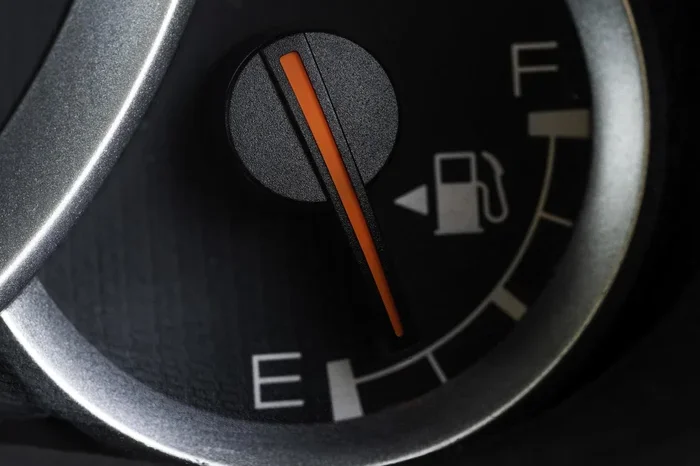
Can I Drive 10 Miles on Empty What You Need to Know
Can I Drive 10 Miles on Empty is an essential topic that provides valuable insights.
Key Takeaways
- Understanding Can I Drive 10 Miles on Empty: Provides essential knowledge
📑 Table of Contents
Can I Really Drive 10 Miles on Empty?
The truth is, there is no single answer that fits every car. Different vehicles have different fuel tank sizes, engine types, and fuel efficiency ratings. However, most modern cars can travel between 30 and 50 miles after the low fuel light comes on. That means driving 10 miles on empty is usually doable for most vehicles.
But “doable” does not mean “recommended.” Every time you drive with very little fuel, you are taking a risk. The fuel pump relies on gasoline to stay cool and work properly. When the fuel level drops too low, the pump can overheat. Over time, this leads to expensive repairs. So while you might make it 10 miles, the real question is whether you should.
How Far Can Each Car Go on Empty?
The distance varies a lot from one car to another. Here are some common examples:
- Compact cars like the Honda Civic or Toyota Corolla can often go 35 to 45 miles after the warning light.
- SUVs and larger vehicles tend to have a shorter range, around 25 to 35 miles on empty.
- Trucks with bigger engines may only give you 20 to 30 miles before they stall.
- Hybrid vehicles sometimes surprise drivers by going even further since they switch to electric power when gas runs low.
Your vehicle manual is the best place to check your specific car’s fuel capacity and estimated distance remaining. Most manufacturers include this information in the owner’s guide or on a sticker inside the fuel door.
What Happens When You Drive on Fumes?
Driving with a nearly empty fuel tank does more than just stress your fuel pump. It can cause a chain of problems that affect your entire vehicle. Let us look at what actually happens inside your car when you push it too far.
Fuel Pump Overheating
Your fuel pump sits inside the tank and uses gasoline to cool itself while it works. When the fuel level drops very low, the pump starts sucking in air instead of liquid. This causes the pump to overheat and wear out faster. Replacing a fuel pump can cost anywhere from $400 to $800, depending on your car model.
Contaminants in the Fuel System
Over time, dirt, rust, and sediment settle at the bottom of your fuel tank. When you drive on fumes, the fuel filter and injectors pull up these contaminants. This can clog your fuel system and reduce fuel consumption efficiency. In worse cases, it can cause your engine to sputter or stall unexpectedly.
Engine Stalling and Breakdown
The most obvious risk is your car simply stopping. If you are on a highway or in a dangerous area, a sudden stall can lead to accidents. Roadside breakdowns are stressful, expensive, and sometimes unsafe. This is why experts always recommend refueling as soon as the warning light appears.
How to Calculate Your Car’s Fuel Range
Want to know exactly how far your car can go on empty? You do not need to be a mechanic to figure it out. With a little math and some basic knowledge, you can estimate your fuel range anytime.
Check Your Fuel Tank Capacity
Start by finding your car’s total fuel capacity. This number is usually listed in your owner’s manual or online. For example, a 2019 Toyota Camry has a fuel tank that holds about 15.8 gallons. A Ford F-150 might hold 23 gallons. Once you know your tank size, you can estimate how much fuel is left when the warning light comes on.
Know Your MPG Rating
Your car’s miles per gallon (MPG) rating tells you how far it can go on one gallon of gas. The EPA provides estimated MPG numbers for every new car. You can also track your own fuel efficiency by dividing the miles you drove by the gallons you used to fill up. If your car gets 25 MPG and you have about 2 gallons left, you can drive roughly 50 more miles.
Use Your Trip Meter
Many cars have a trip meter that tracks distance since your last fill-up. When your fuel light comes on, reset the trip meter and drive to the next gas station. Note the distance shown when you fill up again. This gives you a real-world idea of how far your car can go on reserve fuel. Repeat this a few times to get an accurate average.
Common Mistakes People Make When the Fuel Light Comes On
When the low fuel light flashes on, many drivers make poor decisions that put their car and safety at risk. Let us look at the most common mistakes and how to avoid them.
Waiting Too Long to Refuel
Some drivers think they can push the limits and find a cheaper gas station further down the road. This is one of the biggest mistakes you can make. The longer you wait, the more strain you put on your fuel pump and engine. Always refuel at the first safe opportunity.
Ignoring the Warning Signs
Your car gives you plenty of warning before it runs out of gas. The fuel gauge drops, the low fuel light turns on, and the engine may start to hesitate or sputter. Ignoring these signs can lead to a dead engine and a costly repair bill. Pay attention to what your car is telling you.
Relying Only on the Dashboard Gauge
The fuel gauge is helpful, but it is not always 100% accurate. Temperature changes, road inclines, and aging sensors can all affect the reading. Do not trust the gauge blindly. Use your trip meter, track your MPG, and keep an eye on how your car performs.
Quick Tips to Avoid Running Out of Gas
Staying on top of your fuel level does not have to be complicated. Here are some simple habits that can help you avoid getting stranded:
- Refuel when your tank hits a quarter full. This gives you a comfortable buffer and keeps your fuel pump cool.
- Plan your route before driving. Know where gas stations are along your way, especially on long trips.
- Track your fuel consumption. Use a mobile app or your car’s onboard computer to monitor your fuel consumption and distance remaining.
- Keep a small emergency fuel container in your trunk. A one-gallon jug can save you in a pinch during emergency fuel situations.
- Drive smoothly. Avoid rapid acceleration and hard braking, which waste fuel and reduce your gas mileage.
Expert Insights on Driving with Low Fuel
We spoke with several automotive experts about the risks of driving on empty. Their advice is clear: do not make a habit of it. According to certified mechanic Tom Riley, “The fuel pump is one of the most expensive components to replace. Keeping your tank at least a quarter full is the easiest way to protect it.”
Automotive engineer Sarah Chen adds that modern cars are designed with some reserve, but that does not mean you should test the limits. “The miles to empty display in newer cars is a helpful tool, but it is based on your recent driving patterns. It can be off by several miles, especially in stop-and-go traffic or highway driving,” she explains.
These experts agree on one thing: staying proactive about refueling saves money, time, and stress in the long run.
Key Takeaways
- Most cars can drive 10 miles on empty: Yes, the majority of vehicles can cover this distance after the low fuel light turns on, but it varies by car model.
- Driving on fumes damages your fuel pump: Low fuel levels cause the fuel pump to overheat, leading to costly repairs over time.
- Know your car’s fuel range: Check your owner’s manual for fuel capacity and calculate your fuel range using your MPG rating.
- Refuel at a quarter tank: This simple habit protects your engine and helps you avoid roadside breakdowns.
- Do not ignore warning signs: Pay attention to your fuel gauge, engine sputtering, and loss of power.
- Keep emergency fuel supplies: A small fuel container in your trunk can be a lifesaver in unexpected situations.
Frequently Asked Questions
How many miles can I drive after the fuel light comes on?
Most cars can travel between 30 and 50 miles after the low fuel light turns on. However, this depends on your vehicle model, engine size, and driving conditions. Check your owner’s manual or the sticker inside your fuel door for your specific car’s estimated distance remaining.
Is it bad to drive with the fuel light on?
Driving occasionally with the fuel light on is usually not dangerous, but making it a habit can damage your fuel pump and reduce fuel efficiency. The pump relies on gasoline to stay cool, and running low exposes it to air, causing overheating and premature wear.
Can I drive 10 miles on empty in any car?
Most cars can handle 10 miles on empty without major issues. However, older vehicles, trucks with large engines, and cars with small fuel tanks may stall sooner. Always check your fuel gauge and fuel capacity to understand your specific vehicle’s limits.
What should I do if I run out of gas on the highway?
If you run out of gas on the highway, pull over to the right shoulder as safely as possible. Turn on your hazard lights and stay away from the road. Call roadside assistance or a friend for help. Always keep an emergency fuel container in your trunk for situations like this.
Does driving on empty affect gas mileage?
Yes, driving on fumes can affect your fuel consumption and gas mileage. When your fuel tank is nearly empty, air bubbles can enter the fuel lines, causing the engine to run inefficiently. Over time, this reduces your overall fuel efficiency and increases your fuel costs.
How can I improve my fuel efficiency?
You can improve fuel efficiency by keeping your tires properly inflated, avoiding rapid acceleration, maintaining a steady speed, and keeping up with regular car maintenance. Refueling before your tank gets too low also helps your engine run smoothly and protects your fuel system.
=== CONCLUSION ===
So, can you drive 10 miles on empty? Yes, in most cases you can. But just because you can does not mean you should. Understanding your car’s fuel range, fuel tank capacity, and fuel efficiency helps you make smarter decisions every time you get behind the wheel. The risks of driving on fumes are real, from fuel pump damage to unexpected roadside breakdowns. The best approach is simple: refuel early, track your fuel levels, and keep your car running at its best. Your wallet, your engine, and your peace of mind will all thank you. Stay safe on the road and never let that fuel gauge drop too low again.