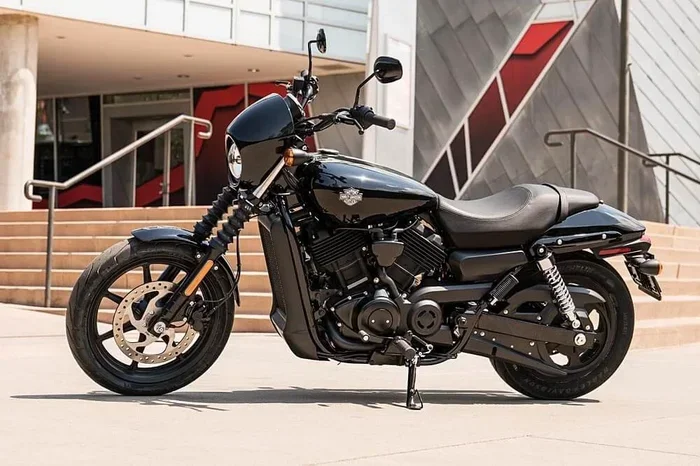
Harley-Davidson Street 500 Problems Explained In Depth
The Harley-Davidson Street 500 is a popular entry-level cruiser, but it comes with its share of known issues. This guide breaks down the most frequent Harley-Davidson Street 500 problems riders face, from engine vibrations to electrical glitches. You will learn practical fixes, prevention tips, and expert insights to keep your bike running smoothly.
Key Takeaways
- Engine vibration and idle instability are the most reported Harley-Davidson Street 500 problems among owners.
- Electrical faults such as battery drain and faulty wiring connectors are common and often overlooked.
- Regular maintenance like oil changes, chain lubrication, and brake inspections can prevent most major issues.
- Cooling system inefficiencies can lead to overheating, especially during long rides or hot weather.
- Clutch and throttle response issues are fixable with simple adjustments or part replacements.
- Knowing your bike helps you catch problems early and avoid costly repairs down the road.
📑 Table of Contents
- Harley-Davidson Street 500 Problems Explained In Depth
- Engine and Idle Problems
- Electrical System Faults
- Cooling System and Overheating
- Clutch and Throttle Concerns
- Exhaust and Emissions Issues
- Brake and Suspension Wear
- Fuel System and Efficiency
- Common Mistakes That Worsen Problems
- Expert Insights and Long-Term Ownership Tips
- Final Thoughts
Harley-Davidson Street 500 Problems Explained In Depth
The Harley-Davidson Street 500 has won hearts since its launch. It brings the iconic Harley look to a smaller, more accessible package. But ownership comes with challenges. Many riders report recurring Harley-Davidson Street 500 problems that can frustrate even seasoned bikers. Whether you own one or plan to buy one, understanding these issues is essential. This guide dives deep into every known problem area. We also share real fixes and prevention strategies.
Let us be honest. No motorcycle is perfect. The Street 500 has strengths, but it also has weak spots. The good news? Most of these problems are well-documented. That means solutions exist. You just need to know what to look for. Think of this as your personal troubleshooting companion.
We will cover engine troubles, electrical gremlins, cooling issues, and more. Each section gives you actionable advice. You will walk away feeling confident about handling your bike. So let us get started.
Engine and Idle Problems
Excessive Vibration at Low Speeds
One of the most talked-about Harley-Davidson Street 500 problems is engine vibration. Riders often notice it at idle or low speeds. The bike shakes more than expected. This can make long rides uncomfortable. It can also loosen bolts and fittings over time.
The root cause usually lies in the engine design. The Street 500 uses a liquid-cooled, single-cylinder engine. While this keeps the bike light, it also produces noticeable vibration. Harley engineers added counterweights, but they do not eliminate the issue entirely.
What you can do:
- Install a vibration-dampening handlebar grip.
- Check engine mounts for cracks or wear.
- Ensure all bolts are torqued to factory specs.
- Consider aftermarket vibration reduction accessories.
Rough Idle and Stalling
Another common complaint is a rough idle. The engine sputters or hunts for RPMs when stopped. In some cases, the bike stalls completely. This issue often points to fuel delivery or air intake problems.
The fuel injector on the Street 500 can clog over time. Dirt and carbon buildup restrict fuel flow. The idle air control valve may also malfunction. When this happens, the engine cannot maintain a steady RPM.
Quick fix tips:
- Clean the fuel injector with a quality cleaner.
- Check the air filter and replace if dirty.
- Inspect the idle air control valve for debris.
- Use fuel additives designed for motorcycles.
Some riders have found that simply resetting the ECU resolves idle issues. This is a quick and cost-free first step. If the problem persists, a trip to the mechanic is wise.
Electrical System Faults
Battery Drain and Starting Issues
Electrical problems rank high among Harley-Davidson Street 500 problems. Battery drain is especially frustrating. You park your bike, and the next morning it will not start. This happens more often than Harley owners would like to admit.
The culprit is usually a parasitic draw. Something in the electrical system pulls power even when the bike is off. Faulty wiring connectors, aftermarket accessories, or a weak regulator rectifier can all cause this.
How to diagnose and fix:
- Use a multimeter to test for parasitic draw.
- Unplug aftermarket accessories one by one to isolate the problem.
- Inspect the regulator rectifier for signs of failure.
- Replace the battery if it is more than two years old.
Some owners have switched to lithium batteries. These hold charge better and last longer. They also weigh less, which benefits overall bike performance.
Flickering Lights and Gauge Malfunctions
Flickering headlights or erratic gauge readings are telltale signs of electrical trouble. These issues often stem from loose ground connections. The Street 500 has several grounding points. Over time, corrosion can build up and interrupt the connection.
Start by inspecting all ground wires. Clean any corrosion with electrical contact cleaner. Tighten connections firmly. If the problem continues, check the voltage regulator. A failing regulator can send inconsistent power to the entire electrical system.
Pro tip: Use dielectric grease on all electrical connections. This prevents moisture and corrosion from causing future problems.
Cooling System and Overheating
Why the Street 500 Overheats
The liquid-cooled engine on the Street 500 needs proper coolant flow to function. When the cooling system fails, Harley-Davidson Street 500 problems escalate quickly. Overheating can damage the engine head, warp cylinders, and ruin seals.
Several factors contribute to overheating. A clogged radiator is a common one. Road debris, bugs, and dirt can block airflow through the fins. The thermostat may also stick closed, preventing coolant from circulating.
Prevention steps:
- Flush and refill coolant every 12 months.
- Inspect the radiator for blockages regularly.
- Check the thermostat operation during each service.
- Avoid prolonged idling in hot weather.
Coolant Leaks
Coolant leaks are another frequent issue. You might notice a puddle under your bike or a drop in coolant level. Leaks usually come from the radiator, hoses, or water pump seals.
Small leaks can be sealed with aftermarket stop-leak products. But larger leaks require part replacement. Always address leaks promptly. Running low on coolant leads to overheating, which leads to expensive engine damage.
If you notice steam or a sweet smell while riding, pull over immediately. Continuing to ride with an overheating engine can cause catastrophic failure.
Clutch and Throttle Concerns
Clutch Slippage
Clutch slippage is a serious problem that affects performance. You rev the engine, but the rear wheel does not respond proportionally. This is one of the more dangerous Harley-Davidson Street 500 problems because it can cause accidents.
Clutch slippage usually means the clutch plates are worn. Oil contamination on the clutch plates also causes this issue. Some riders accidentally use the wrong type of oil, which damages the clutch friction material.
Solutions:
- Replace worn clutch plates with OEM parts.
- Verify you are using the correct engine oil.
- Adjust clutch cable free play to factory specifications.
- Avoid keeping the clutch partially engaged for long periods.
Throttle Lag and Sticky Throttle
A sticky or slow-responding throttle is annoying and potentially dangerous. You twist the grip, but the engine does not respond right away. This issue often relates to the throttle cable or throttle body.
Over time, the throttle cable can stretch or fray. Lubrication breaks down, causing friction. The throttle body may also accumulate carbon deposits that restrict movement.
Quick maintenance steps:
- Lubricate the throttle cable regularly.
- Clean the throttle body with throttle body cleaner.
- Check cable tension and adjust as needed.
- Replace the cable if you notice fraying or stiffness.
Some riders have switched to synthetic throttle cable lubricants. These last longer and resist dirt buildup better than traditional options.
Exhaust and Emissions Issues
Exhaust problems on the Street 500 are more common than you might think. The bike comes with a catalytic converter and emissions equipment. Over time, these components can degrade or clog.
A clogged catalytic converter restricts exhaust flow. This leads to reduced power and poor fuel economy. You might also notice a rotten egg smell or dark exhaust smoke. These are clear signs of an emissions system problem.
What to watch for:
- Reduced engine power at higher RPMs.
- Unusual exhaust smells.
- Dark or black smoke from the tailpipe.
- Check engine light staying illuminated.
If you suspect an exhaust blockage, have a mechanic perform a backpressure test. This simple diagnostic can confirm the issue quickly. Replacing the catalytic converter is expensive, but necessary for street-legal riding.
Brake and Suspension Wear
Brake Pad and Rotor Wear
The Street 500 uses a front disc brake and rear drum brake. Both wear over time, but the front disc wears faster, especially with aggressive riding. Brake problems are among the most critical Harley-Davidson Street 500 problems because they directly affect safety.
Worn brake pads reduce stopping power significantly. Warped rotors cause vibration when braking. Brake fluid also degrades over time, absorbing moisture and reducing effectiveness.
Maintenance checklist:
- Inspect brake pads every 5,000 miles.
- Replace pads when they reach the minimum thickness.
- Check rotors for warping or scoring.
- Flush and replace brake fluid every two years.
Suspension Comfort and Handling
The Street 500 comes with basic suspension designed for casual riding. For some riders, this is not enough. The rear shock can bottom out on rough roads. The fork may also leak oil over time, reducing damping performance.
Upgrading suspension components is a popular modification among Street 500 owners. Aftermarket shocks and fork seals improve ride quality dramatically. They also enhance handling and stability.
For riders who carry passengers or luggage, suspension sags quickly. This is where adding a 500 Lbs Towing Capacity rated hitch or load-supporting accessories can help distribute weight more evenly and reduce strain on the rear suspension. Always check your bike’s load limits before adding accessories.
Fuel System and Efficiency
Fuel Injector and Mileage Issues
Fuel economy on the Street 500 is decent but not exceptional. Riders often report lower-than-expected mileage. This can stem from several factors. Dirty fuel injectors deliver an inconsistent fuel spray pattern. A clogged fuel filter restricts flow. Even a faulty oxygen sensor can throw off the air-fuel mixture.
Tips to improve fuel efficiency:
- Use high-quality fuel from reputable stations.
- Replace the fuel filter at regular intervals.
- Clean the fuel injectors during each service.
- Keep tires properly inflated to reduce rolling resistance.
Some riders have noticed that the Street 500 runs better with ethanol-free fuel. Ethanol can attract moisture and cause fuel system corrosion over time. If you ride in areas with high ethanol fuel, consider using a fuel stabilizer.
Common Mistakes That Worsen Problems
Many Harley-Davidson Street 500 problems get worse because of owner habits. Avoiding these mistakes can save you time and money.
- Skipping regular oil changes. Dirty oil accelerates engine wear and can cause overheating.
- Ignoring warning lights. A check engine light is your bike talking to you. Do not ignore it.
- Using the wrong parts. Aftermarket parts are fine, but they must match OEM specifications.
- Neglecting chain maintenance. A dirty, dry chain wears out fast and can snap unexpectedly.
- Overloading the bike. Exceeding weight limits stresses the engine, suspension, and brakes.
- Skipping tire inspections. Worn tires reduce grip and increase stopping distances significantly.
Expert Insights and Long-Term Ownership Tips
Experienced Street 500 owners share one common piece of advice: stay proactive. Do not wait for something to break. Regular inspections catch small problems before they become big ones.
Expert-recommended maintenance schedule:
- Every 1,000 miles: Check oil level, tire pressure, and chain tension.
- Every 5,000 miles: Change oil and filter, inspect brake pads, clean air filter.
- Every 10,000 miles: Replace spark plug, flush coolant, inspect clutch and throttle cables.
- Every 15,000 miles: Full electrical system check, suspension inspection, brake fluid flush.
Following this schedule keeps your Street 500 reliable for years. It also preserves resale value. A well-maintained bike always commands a higher price.
It is also worth noting that the motorcycle industry is evolving rapidly. With developments like the 500 Ev Tax Credit encouraging the shift toward electric and hybrid vehicles, traditional gasoline motorcycles like the Street 500 may face changing regulations and fuel standards in the coming years. Staying informed about industry trends helps you make smarter ownership decisions.
Joining online forums and owner communities is another great step. Other Street 500 owners share real-world solutions and tips. You will learn things no owner manual covers. Plus, it is a great way to connect with fellow riders who understand your passion.
Final Thoughts
The Harley-Davidson Street 500 is a fantastic motorcycle with character and style. Like any machine, it comes with its quirks. Understanding Harley-Davidson Street 500 problems empowers you to take control of your ownership experience. Most issues are manageable with basic maintenance and timely repairs.
Do not let the problems scare you away from this bike. The Street 500 offers a genuine Harley experience at an affordable price. With the right knowledge and care, your bike will serve you well for thousands of miles. Stay informed, stay proactive, and enjoy every ride.
Frequently Asked Questions
What are the most common Harley-Davidson Street 500 problems?
The most common issues include engine vibration at idle, rough running, electrical battery drain, clutch slippage, and cooling system leaks. These problems are well-documented among Street 500 owners and most have straightforward fixes available.
Why does my Harley-Davidson Street 500 vibrate so much?
The Street 500 uses a single-cylinder liquid-cooled engine that naturally produces more vibration than a V-twin. While Harley added counterweights to reduce this, some vibration at low speeds is expected. Installing vibration-dampening grips can significantly improve comfort.
How can I prevent electrical problems on my Street 500?
Regularly inspect all wiring connections and ground points for corrosion. Use dielectric grease on electrical connectors, avoid overloading the electrical system with aftermarket accessories, and replace the battery every two to three years to prevent unexpected failure.
Is the Harley-Davidson Street 500 reliable for long-distance riding?
With proper maintenance, the Street 500 can handle long rides reliably. However, its smaller engine and basic suspension make it better suited for shorter trips. Plan frequent stops to check tire pressure, coolant levels, and chain condition on longer journeys.
What maintenance schedule should I follow for my Street 500?
Follow the factory service schedule closely. Change oil every 5,000 miles, inspect brakes every 5,000 miles, flush coolant annually, and replace spark plugs every 10,000 miles. Staying on top of these intervals prevents most major problems.
Are Harley-Davidson Street 500 problems expensive to fix?
Most common issues are affordable to repair. Simple fixes like cleaning a fuel injector or replacing a battery cost very little. More complex repairs like clutch replacement or catalytic converter swaps can be pricier, but regular maintenance keeps those expensive repairs rare.
=== CONCLUSION ===
Owning a Harley-Davidson Street 500 is a rewarding experience. The bike delivers classic style and accessible performance. But it does come with its share of challenges. Understanding Harley-Davidson Street 500 problems is the first step toward becoming a confident, prepared owner. From engine vibrations to electrical gremlins, we have covered the key issues and practical solutions. Stay on top of maintenance, address problems early, and your Street 500 will reward you with years of reliable riding. Knowledge is your best tool. Use it wisely, and enjoy the ride.