How Much Does It Cost to Replace Mercedes Benz Battery
Replacing the auxiliary battery on a Mercedes Benz typically costs between $200 and $600, depending on the model, battery type, and labor charges. The auxiliary battery powers your car’s electrical systems when the main battery is off, and ignoring a failing one can lead to frustrating electrical issues. This guide breaks down the full cost breakdown, replacement process, and money-saving tips you need to know.
If you own a Mercedes Benz, you know these cars are engineering marvels. They are packed with advanced electronics, comfort features, and smart systems that make every drive feel premium. But all of that technology depends on one humble component: the battery. When your auxiliary battery starts to fail, it can cause a domino effect of electrical problems. And the biggest question on every owner’s mind is simple: how much does it cost to replace Mercedes Benz battery?
This article gives you a complete, honest breakdown of the auxiliary battery replacement cost for Mercedes vehicles. We will cover the different battery types, what affects the price, what happens during the replacement process, and how you can save money. Whether you drive a compact C-Class or a luxury S-Class, this guide has you covered. By the end, you will know exactly what to expect and how to make the best decision for your car and your wallet.
Let us start with the basics. The auxiliary battery in a Mercedes is not the same as the main starter battery. It is a smaller battery that powers the car’s electrical systems when the engine is off. Think of it as the brain’s backup power source. Without it, your infotainment system, lights, and sensors would not work properly. Understanding this difference is the first step to understanding why replacement costs can vary so much.
Key Takeaways
- Average Cost: The typical price range for replacing a Mercedes auxiliary battery falls between $200 and $600, including parts and labor.
- Battery Type Matters: AGM and EFB batteries cost more than standard lead-acid batteries but offer better performance and longevity.
- DIY vs. Professional: You can save significantly by replacing the battery yourself, but professional installation ensures proper calibration and coding.
- Model Differences: Higher-end Mercedes models like the S-Class and GLE have more expensive battery replacement costs due to complex electrical systems.
- Warning Signs: Dashboard warnings, dim lights, and power window malfunctions often point to a failing auxiliary battery.
- Maintenance Tips: Regular terminal cleaning and avoiding short trips can extend your battery life by up to 50%.
📑 Table of Contents
- What Is an Auxiliary Battery in a Mercedes Benz?
- Signs Your Mercedes Auxiliary Battery Needs Replacement
- How Much Does It Cost to Replace Mercedes Benz Battery?
- Factors That Affect the Replacement Price
- Step-by-Step: What Happens During Battery Replacement
- Tips to Extend Your Mercedes Battery Life
- Common Mistakes People Make When Replacing a Mercedes Battery
- Expert Insight: Should You DIY or Go to a Professional?
- Conclusion
What Is an Auxiliary Battery in a Mercedes Benz?
Every Mercedes Benz has at least two batteries. The main battery starts the engine. The auxiliary battery, also called the secondary battery, powers all the electronics when the car is not running. This includes the radio, GPS, interior lighting, and even the computer modules that control your doors and windows.
In older Mercedes models, both batteries were standard lead-acid types. But newer models use advanced battery technologies like AGM (Absorbent Glass Mat) and EFB (Enhanced Flooded Battery). These batteries are more expensive but they last longer and handle the heavy electrical load of modern luxury cars much better.
Where Is the Auxiliary Battery Located?
The location depends on your model. In most Mercedes vehicles, the auxiliary battery sits in the trunk or under the rear seat. Some models place it under the hood near the main battery. Check your owner’s manual to find the exact spot for your specific car. Knowing the location helps your mechanic give you a more accurate quote for the Mercedes battery replacement cost.
Why Does the Auxiliary Battery Fail?
Batteries do not last forever. Over time, the chemical reactions inside the battery slow down, and it loses the ability to hold a charge. Here are the most common reasons auxiliary batteries fail:
- Age: Most auxiliary batteries last between three and five years.
- Short Trips: Frequent short drives do not give the battery enough time to recharge fully.
- Extreme Temperatures: Both very hot and very cold weather can damage battery performance.
- Parasitic Drain: Electrical devices that draw power even when the car is off can slowly drain the battery.
- Corroded Terminals: Dirty or corroded battery terminals reduce the flow of electricity.
Signs Your Mercedes Auxiliary Battery Needs Replacement
Catching a failing battery early can save you from bigger problems and unexpected costs. Your car usually gives you plenty of warning signs. Here is what to watch for:
Dashboard Warning Lights
The most obvious sign is the battery or electrical warning light on your dashboard. If you see a red or yellow battery icon, do not ignore it. This light means your car’s computer has detected a problem with the electrical system. In many Mercedes models, you might also see the “Check Electrical System” message on the instrument cluster.
Dim or Flickering Lights
If your headlights, dashboard lights, or interior ambient lighting start dimming or flickering, the auxiliary battery could be struggling. This is especially noticeable when you turn on the radio or air conditioning with the engine off.
Power Windows and Locks Malfunctioning
Modern Mercedes vehicles rely heavily on the auxiliary battery for convenience features. If your power windows move slowly or your keyless entry stops working, a weak battery might be the culprit.
Infotainment System Freezing or Rebooting
The big touchscreen and audio system in your Mercedes need steady power. If the screen freezes, reboots randomly, or loses your saved settings, the auxiliary battery may not be providing consistent voltage.
Car Won’t Start (Rare but Possible)
In some Mercedes models, a completely dead auxiliary battery can interfere with the starting process. The car’s computer needs power from the auxiliary battery to authorize the starter motor. If that power is gone, you might face a no-start situation even with a healthy main battery.
How Much Does It Cost to Replace Mercedes Benz Battery?
This is the question everyone wants answered. The honest answer is: it depends. The Mercedes auxiliary battery replacement cost can range from as low as $200 to as high as $800 or more. Let us break down exactly what goes into that number.
Parts Cost
The battery itself is the biggest variable. A standard lead-acid auxiliary battery for an older Mercedes might cost between $80 and $150. An AGM battery for a newer model can run between $150 and $350. The most advanced EFB batteries can cost $250 to $450 or more. The price goes up if you need a battery with a higher capacity or a specific form factor for your model.
Labor Cost
Labor charges vary widely depending on where you live and who does the work. Independent mechanics typically charge between $80 and $150 per hour. Mercedes dealerships charge more, often between $150 and $250 per hour. The actual replacement process takes about one to two hours for most models. So labor alone can add $100 to $500 to your total bill.
Coding and Programming
Here is something many people overlook. Newer Mercedes vehicles need the new battery to be coded and programmed into the car’s computer system. This step ensures the car’s energy management system recognizes the new battery and charges it correctly. Some mechanics include this in their labor quote. Others charge separately, adding another $50 to $150 to the cost.
Price Range by Mercedes Model
Not all Mercedes models are created equal when it comes to battery replacement costs. Here is a rough guide to help you estimate what you might pay:
- Mercedes A-Class and B-Class: $200 to $400
- Mercedes C-Class and E-Class: $250 to $500
- Mercedes GLC and GLE: $300 to $600
- Mercedes S-Class and GLS: $350 to $800
- Mercedes AMG Models: $400 to $900 (due to high-performance electrical systems)
These numbers are estimates based on average market rates in the United States. Prices can be lower in regions with more competition among mechanics and higher in areas where labor costs are steep. If you live in a major city, expect to pay on the higher end of these ranges.
For comparison, replacing the auxiliary battery on a simpler car like those in the 1500cc to 2000cc cars in India category would cost significantly less. Mercedes vehicles have more complex electrical architectures that drive up both parts and labor costs.
Factors That Affect the Replacement Price
Several factors can push the cost up or bring it down. Understanding these factors helps you make smart decisions and avoid overpaying.
Battery Technology
As mentioned earlier, AGM and EFB batteries cost more than standard lead-acid batteries. But they also last longer, often by two to three years. If you drive a newer Mercedes, your mechanic will likely recommend an AGM or EFB battery. While the upfront cost is higher, the long-term savings can be worth it.
Model Year and Complexity
Older Mercedes models from the 2000s have simpler electrical systems. Replacing the battery on these cars is straightforward and inexpensive. Newer models from 2015 onward have dozens of computer modules, sensors, and smart systems. Each one needs to be properly powered and recalibrated after a battery swap. This complexity adds to both the time and the cost.
Location and Mechanic Choice
Where you get the work done matters a lot. Dealerships charge the most but they also have specialized tools and factory-trained technicians. Independent mechanics are usually cheaper but make sure they have experience with Mercedes vehicles. Some shops specialize in European cars and can offer the best of both worlds: expertise at a fair price.
Warranty Coverage
If your Mercedes is still under warranty, the battery replacement might be covered. Check your warranty terms carefully. Some warranties cover batteries for a limited time, while others exclude them entirely. If your car is older, you might also consider purchasing an extended warranty or a battery protection plan.
Additional Repairs
Sometimes a failing battery reveals other problems. Corroded terminals, damaged wiring, or a malfunctioning alternator might need attention too. These additional repairs can add $100 to $300 to your total bill. Always ask your mechanic to inspect the surrounding components before approving any work.
Step-by-Step: What Happens During Battery Replacement
Knowing what to expect during the replacement process can ease any anxiety and help you spot if a mechanic is cutting corners. Here is what a proper Mercedes auxiliary battery replacement looks like:
Step 1: Diagnostic Check
The mechanic starts by running a diagnostic scan with a Mercedes-compatible tool. This identifies the exact error codes related to the battery and confirms that the auxiliary battery is indeed the problem. Skipping this step can lead to unnecessary part replacements.
Step 2: Removing the Old Battery
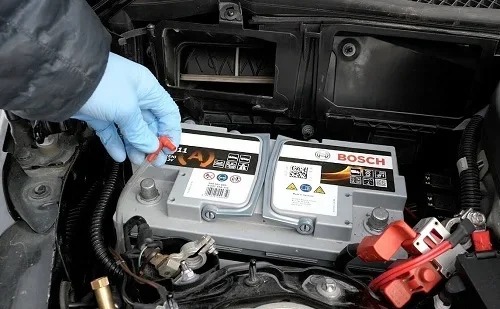
The technician locates the auxiliary battery, disconnects the negative terminal first, then the positive terminal. The battery is unbolted and carefully removed from its housing. In trunk-mounted batteries, this might involve removing a panel or trim piece.
Step 3: Cleaning and Inspection
A good mechanic cleans the battery tray and terminals to remove any corrosion or acid buildup. They also inspect the cables and connectors for damage. This step is often skipped by quick-lube shops but it is essential for a lasting repair.
Step 4: Installing the New Battery
The new battery is placed in the tray, the terminals are connected (positive first, then negative), and the battery is secured with its bracket. The technician ensures the connections are tight but does not overtighten, which can damage the terminals.
Step 5: Coding and Calibration
This is the step that separates a professional job from a DIY hack. The new battery is registered in the car’s computer system using a diagnostic tool. This tells the car’s energy management system how to charge and maintain the new battery properly.
Step 6: Testing
The final step is a road test and a second diagnostic scan. The mechanic checks that all electrical systems are working correctly and that no error codes remain. A proper test takes at least 15 to 20 minutes of driving.
Tips to Extend Your Mercedes Battery Life
Prevention is always cheaper than replacement. Here are practical tips to help your auxiliary battery last as long as possible:
Avoid Short Trips When Possible
Short trips do not give your battery enough time to recharge fully. If you can, combine errands into longer trips. This lets the alternator fully charge the battery and keeps the chemical reactions inside healthy.
Turn Off Electrical Systems When the Engine Is Off
It is tempting to listen to the radio or charge your phone while sitting in a parked car. But doing this drains the auxiliary battery without giving it a chance to recharge. Make it a habit to turn everything off before you park.
Keep the Battery Clean
Inspect your battery terminals every few months. If you see white or greenish buildup, clean it with a mixture of baking soda and water. A wire brush works well for removing corrosion. Clean terminals ensure good electrical contact and prevent slow voltage drain.
Use a Battery Maintainer
If you live in an area with extreme temperatures or your car sits unused for days at a time, a battery maintainer is a great investment. This device keeps your battery at the optimal charge level without overcharging it. It is especially useful for seasonal cars or vehicles that sit in garages for extended periods.
Get Regular Battery Tests
During your regular Mercedes service appointments, ask your mechanic to test the auxiliary battery. Most shops can perform a quick load test that tells you exactly how much life the battery has left. Catching a weak battery early gives you time to plan for replacement rather than dealing with a sudden failure.
Consider the Right Battery for Your Driving Style
If you frequently drive in stop-and-go city traffic, an AGM battery might be a better choice than a standard lead-acid battery. AGM batteries handle the constant charge-discharge cycles of city driving much better. Similarly, if you live in a very hot climate, choose a battery with a high heat tolerance rating.
Also, if you are someone who uses your car’s electrical system heavily, investing in a quality 12v to 230v car inverter can help manage power draw more efficiently and reduce strain on your auxiliary battery.
Common Mistakes People Make When Replacing a Mercedes Battery
Avoiding these common mistakes can save you money and headaches:
- Buying the Wrong Battery: Not all batteries fit all Mercedes models. Always verify the part number and specifications before purchasing.
- Skipping the Coding Step: Without proper coding, your car’s computer might not charge the new battery correctly, leading to premature failure of the new battery.
- Ignoring the Main Battery: Sometimes the problem is not the auxiliary battery at all. Always ask for a full electrical system diagnosis.
- Choosing the Cheapest Option: The lowest quote is not always the best deal. A poorly installed battery can cause electrical gremlins that cost far more to fix later.
- Not Recycling the Old Battery: Car batteries contain toxic materials that must be disposed of properly. Any reputable shop will recycle the old battery for you. Never throw it in the trash.
Expert Insight: Should You DIY or Go to a Professional?
If you are handy with tools and have some car repair experience, replacing an auxiliary battery yourself is possible. You will need the right battery, a set of wrenches, and a diagnostic tool that can code the new battery. Basic battery replacement kits are available for around $50 to $100 and can save you a significant amount on labor costs.
However, for most Mercedes owners, professional installation is the smarter choice. The coding and calibration steps require specialized equipment that most DIYers do not own. And if something goes wrong during a DIY replacement, you could end up dealing with more expensive electrical problems. For those who want professional service without the dealership price tag, look for independent shops that specialize in European vehicles.
If you are considering electrical upgrades or power solutions for your car, devices like a 12V DC to 220V AC car power inverter can be useful, but always ensure they are compatible with your Mercedes electrical system to avoid overloading the auxiliary battery.
Conclusion
The cost to replace the auxiliary battery on a Mercedes Benz is a topic every owner should understand. With prices typically ranging from $200 to $800, the exact cost depends on your model, battery type, and where you get the work done. The key takeaway is that investing in a quality battery and professional installation pays off in the long run. A properly replaced and coded battery can last five years or more, keeping all your Mercedes electrical systems running smoothly.
Do not wait for your battery to die completely. If you notice any of the warning signs discussed in this article, get your battery tested as soon as possible. Regular maintenance and smart driving habits can significantly extend your battery’s lifespan. And remember, the cheapest option is not always the best option. Choose a qualified mechanic, use the right battery for your model, and make sure the coding is done correctly.
Your Mercedes is a significant investment. Taking care of its electrical system, starting with the auxiliary battery, protects that investment and keeps your driving experience as luxurious and hassle-free as the day you drove it off the lot.
Frequently Asked Questions
How long does a Mercedes auxiliary battery last?
Most Mercedes auxiliary batteries last between three and five years, depending on driving habits, climate, and the type of battery installed. AGM batteries tend to last longer than standard lead-acid batteries, often reaching five to seven years with proper care.
Can I drive my Mercedes with a failing auxiliary battery?
Yes, you can usually drive short distances with a failing auxiliary battery, but you risk electrical glitches, warning lights, and eventually a no-start situation. It is best to replace the battery as soon as you notice symptoms to avoid being stranded.
Is the auxiliary battery replacement covered under Mercedes warranty?
This depends on your warranty terms and the age of your vehicle. New Mercedes vehicles may have battery coverage under their basic or roadside assistance warranty. Older vehicles typically do not, but some extended warranty plans do include battery replacement.
Can I use any battery for my Mercedes auxiliary battery replacement?
No, you should always use a battery that matches your specific Mercedes model’s specifications. Using the wrong type or size can cause charging issues, error codes, and premature failure. Check your owner’s manual or consult a qualified mechanic before purchasing a replacement battery.
How can I save money on Mercedes battery replacement?
You can save money by comparing quotes from multiple mechanics, choosing an independent shop over a dealership, doing some research on the right battery price beforehand, and performing basic battery maintenance to extend the life of each battery you install.
What happens if I skip the coding step after replacing my Mercedes battery?
Skipping the coding step can cause your car’s energy management system to charge the new battery incorrectly. This can lead to overcharging, undercharging, or premature battery failure. It may also trigger persistent warning lights and error codes on your dashboard.
=== SEO TITLE ===
How Much Does It Cost to Replace Mercedes Benz Battery
=== META TITLE ===
Mercedes Benz Battery Replacement Cost 2024 (Guide)
=== URL SLUG ===
mercedes-benz-battery-replacement-cost