How Many Gallons of Gas Does a Hyundai Elantra Hold
The Hyundai Elantra holds approximately 12.4 gallons of gas in its standard fuel tank, giving drivers a solid driving range on both city streets and highways. This compact sedan offers impressive fuel efficiency that makes it a favorite among budget-conscious buyers. Whether you are commuting daily or planning a road trip, knowing your Elantra fuel tank size helps you plan stops and budget for fuel costs. The exact capacity may vary slightly depending on the model year and trim level you choose. Let us break down everything you need to know about the Hyundai Elantra gas tank and how to get the most out of every gallon.
When you own a Hyundai Elantra, one of the first practical questions that comes up is how far you can go on a single tank. The answer depends on several factors, but the starting point is always the same: the size of the gas tank. The Hyundai Elantra fuel tank capacity is something every owner should understand, whether you just bought a new model or are considering this popular sedan for your next purchase. In this guide, we will walk through everything you need to know about the Elantra gas tank size, fuel economy, driving range, and how to squeeze the most miles out of every drop.
The Hyundai Elantra has been a staple in the compact sedan market for decades. Its combination of reliability, affordability, and solid fuel efficiency makes it a go-to choice for families, students, and commuters alike. Understanding your vehicle’s fuel capacity is not just about numbers on a spec sheet. It directly impacts your daily routine, your budget, and your confidence on long road trips. So let us dive in and explore the Hyundai Elantra fuel tank in detail.
Key Takeaways
- Standard Fuel Capacity: The Hyundai Elantra holds around 12.4 gallons of gasoline in its stock fuel tank.
- Impressive MPG Ratings: The Elantra delivers up to 33 MPG in the city and 43 MPG on the highway, depending on the engine and trim.
- Driving Range: A full tank can take you roughly 400 to 550 miles, making it great for long drives and daily commutes.
- Model Year Matters: Fuel tank size and MPG ratings can vary slightly across different Elantra generations and trims.
- Maintenance Is Key: Keeping your fuel system clean and tires properly inflated helps maximize your fuel economy over time.
- Competitive Edge: The Elantra fuel tank size competes well with other compact sedans in its class.
📑 Table of Contents
- Hyundai Elantra Gas Tank Capacity Explained
- Fuel Economy: How Many Miles Per Gallon Does the Elantra Get?
- Comparing Elantra Fuel Capacity to Competitors
- Tips to Maximize Fuel Efficiency in Your Hyundai Elantra
- Understanding the Hyundai Elantra Fuel System
- Common Mistakes That Reduce Your Elantra’s Fuel Economy
- How to Calculate Your Personal Fuel Economy
- Final Thoughts on the Hyundai Elantra Fuel Tank
Hyundai Elantra Gas Tank Capacity Explained
The standard Hyundai Elantra fuel tank holds approximately 12.4 gallons. This number has remained fairly consistent across recent model years, though slight variations can occur depending on the specific trim and engine configuration. For most drivers, 12.4 gallons is more than enough to handle daily commuting, errands, and even weekend getaways without constant trips to the pump.
How Does Tank Size Affect Driving Range?
Your driving range is simply how far you can travel on a full tank. With a 12.4-gallon Elantra fuel tank and an average combined MPG of around 36, you can expect a range of roughly 450 miles. That is a lot of ground to cover before you need to refuel. The actual range will depend on your driving habits, road conditions, and whether you are cruising on the highway or navigating stop-and-go city traffic.
It is worth noting that the gas tank capacity of the Elantra is carefully engineered. Hyundai designers balanced the need for adequate fuel storage with the goal of keeping the vehicle lightweight. A smaller, lighter car uses less energy to move, which directly improves your miles per gallon. This is a key reason why the Elantra remains so popular among those who value fuel economy.
Fuel Tank Size by Model Year
Over the years, Hyundai has made subtle adjustments to the Elantra’s design. Here is a quick look at how the Elantra fuel tank size has held up across generations:
- 2017-2020 Elantra: 12.4 gallons with a 2.0-liter 4-cylinder engine
- 2021-2023 Elantra: 12.4 gallons with options for a 2.0L engine or a hybrid powertrain
- 2024+ Elantra: 12.4 gallons, with the N-Line and hybrid trims offering the same base capacity
As you can see, the Hyundai Elantra gas tank has been remarkably consistent. This consistency makes it easy to compare fuel costs and plan your budget year after year. If you are curious about how vehicle weight affects fuel consumption, you might want to check out this article on what it means when a car is 000 lbs heavy, since heavier vehicles typically burn more fuel.
Fuel Economy: How Many Miles Per Gallon Does the Elantra Get?
The Hyundai Elantra MPG ratings are one of the main reasons this sedan stands out in the compact car segment. Hyundai has worked hard to ensure that the Elantra delivers strong fuel efficiency across all its trims. Let us break down the numbers so you know exactly what to expect.
City, Highway, and Combined MPG
The base 2024 Hyundai Elantra with the 2.0-liter engine delivers the following miles per gallon ratings:
- City MPG: 33
- Highway MPG: 43
- Combined MPG: 36
These numbers are impressive for a compact sedan. The Elantra hybrid, however, takes fuel economy to another level. The hybrid version can achieve up to 53 MPG in the city and 56 MPG on the highway, giving it one of the best combined ratings in its class. That means the hybrid Elantra can travel even farther on the same 12.4 gallons of fuel.
What Affects Your Elantra’s MPG?
Several factors influence how many miles you actually get per gallon. Understanding these can help you make smarter driving choices and get the best possible fuel efficiency from your Elantra.
- Driving Style: Aggressive acceleration and hard braking waste fuel. Smooth, steady driving keeps your gas mileage optimal.
- Speed: Driving at high speeds on the highway increases wind resistance and burns more gas. Staying at or near the speed limit helps.
- Payload Weight: Carrying heavy loads or towing extra weight forces your engine to work harder. This is especially true for smaller engines like the Elantra’s 2.0L 4-cylinder.
- Tire Pressure: Underinflated tires create more rolling resistance, which reduces your miles per gallon.
- Air Conditioning Use: Running the AC, especially at full blast, can lower your fuel economy by a noticeable margin.
If you are curious about how a vehicle’s weight impacts its fuel consumption and overall performance, you can explore more about heavy vehicles in this piece on why some cars are 000 lbs heavy. Weight plays a huge role in how efficiently any vehicle burns fuel.
Comparing Elantra Fuel Capacity to Competitors
When shopping for a compact sedan, it is always helpful to compare the fuel tank capacity and gas mileage against similar models. Here is how the Hyundai Elantra stacks up against some popular competitors:
| Vehicle | Fuel Tank Capacity | Combined MPG | Est. Range (Miles) |
|---|---|---|---|
| Hyundai Elantra (Base) | 12.4 gallons | 36 MPG | ~446 miles |
| Hyundai Elantra Hybrid | 12.4 gallons | 54 MPG | ~670 miles |
| Toyota Corolla (Base) | 13.2 gallons | 32 MPG | ~422 miles |
| Honda Civic (Base) | 12.4 gallons | 33 MPG | ~409 miles |
| Mazda 3 (Base) | 13.2 gallons | 30 MPG | ~396 miles |
As you can see, the Elantra holds its own quite well. While the Toyota Corolla has a slightly larger tank, the Elantra’s superior fuel efficiency means it often matches or beats the competition in terms of total driving range. The Elantra hybrid, in particular, dominates the comparison with nearly 670 miles of range on a single tank. That is remarkable for a compact sedan.
The Hyundai Elantra gas tank size is a sweet spot. It is large enough to give you a comfortable range but not so large that it adds unnecessary weight to the front of the car. This balance is something Hyundai has clearly gotten right over the years. The compact sedan market is fiercely competitive, and fuel capacity is one area where the Elantra shines.
Tips to Maximize Fuel Efficiency in Your Hyundai Elantra
Getting the best possible fuel economy out of your Elantra does not require any special tricks. It is mostly about forming good habits and staying on top of basic maintenance. Here are some proven tips that every Elantra owner should follow.
1. Keep Your Tires Properly Inflated
This is one of the simplest and most effective ways to improve your gas mileage. Underinflated tires create more friction with the road, forcing your engine to burn extra fuel. Check your tire pressure at least once a month and before long trips. The recommended PSI for the Elantra is listed on the driver’s side door jamb.
2. Remove Unnecessary Weight
Every extra pound your car carries costs you fuel. Clear out your trunk and back seat of items you do not need. If you are someone who keeps a heavy toolbox, golf bags, or sports equipment in the car, consider removing them when they are not in use. A lighter Elantra uses less energy to move, which directly improves your miles per gallon.
3. Use Cruise Control on Highways
Maintaining a steady speed on the highway helps your engine operate at its most efficient level. The Elantra’s cruise control feature is perfect for this. Just be mindful that cruise control is most effective on flat, open roads. In hilly terrain, it may cause the engine to work harder on inclines.
4. Follow the Maintenance Schedule
Regular maintenance keeps your Elantra running at peak fuel efficiency. This includes changing your oil on time, replacing air filters, and keeping your fuel system clean. A dirty fuel injector or clogged air filter can reduce your gas mileage by several percentage points. Stick to the maintenance schedule outlined in your owner’s manual.
5. Avoid Idling for Long Periods
If you are parked and waiting for more than a minute, turn off your engine. Idling burns fuel without moving the car. This is a common habit that many drivers overlook, but it adds up over time. Modern engines like the Elantra’s 2.0L are designed to restart quickly and efficiently, so there is no need to leave the engine running.
6. Plan Your Trips Efficiently
Combining errands into a single trip saves fuel. Cold starts are less efficient, so warming up the engine once and completing multiple tasks is smarter than making several short trips throughout the day. This simple change can noticeably improve your overall fuel economy.
Understanding the Hyundai Elantra Fuel System
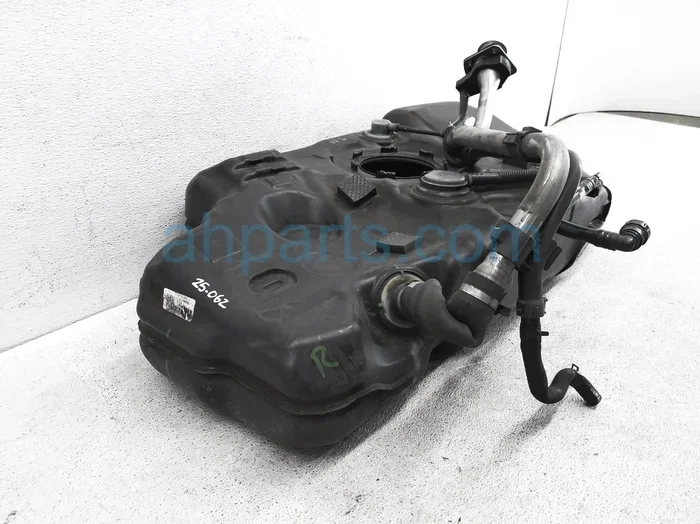
The Hyundai Elantra fuel system is designed for reliability and efficiency. It includes the fuel tank, fuel pump, fuel injectors, and the engine control module that manages fuel delivery. Understanding how these components work together can help you take better care of your car and avoid costly repairs.
How the Fuel Pump Works
The fuel pump sends gasoline from the Elantra fuel tank to the engine at the right pressure. Over time, fuel pumps can wear out, especially if you frequently drive on low fuel. Running your tank too low can cause the pump to overheat and fail prematurely. Keeping at least a quarter of a tank at all times is a simple habit that extends the life of your fuel system.
Fuel Injectors and Efficiency
The Elantra uses multi-port fuel injectors that spray a precise amount of fuel into each cylinder. This technology ensures that the engine gets exactly what it needs, nothing more. Clean fuel injectors are essential for maintaining optimal fuel efficiency. Over time, deposits can build up on the injectors, which is why using quality fuel and occasional fuel system cleaners can pay off in the long run.
What Type of Gas Should You Use?
The base Hyundai Elantra is designed to run on regular unleaded gasoline. You do not need premium fuel unless you are driving the Elantra N or N-Line trims, which have higher-compression engines that benefit from premium fuel. Using the recommended fuel type ensures that your Hyundai Elantra gas tank delivers the best performance and fuel economy without unnecessary expenses at the pump.
Common Mistakes That Reduce Your Elantra’s Fuel Economy
Even the most efficient cars can suffer from poor fuel economy if the driver develops bad habits. Here are some common mistakes Elantra owners should avoid:
- Ignoring the Check Engine Light: This light can indicate issues with the fuel system, oxygen sensor, or catalytic converter, all of which affect miles per gallon.
- Skipping Oil Changes: Dirty or low oil increases engine friction, which reduces efficiency and can damage your engine over time.
- Using the Wrong Fuel Grade: Putting premium fuel in a car that only requires regular fuel wastes money without providing any benefit.
- Overloading the Vehicle: Roof racks and cargo carriers create aerodynamic drag, which forces the engine to work harder and burn more fuel.
- Neglecting Wheel Alignment: Misaligned wheels cause the car to pull to one side, increasing tire wear and reducing fuel economy.
Avoiding these mistakes is one of the easiest ways to ensure your Elantra continues to deliver excellent fuel efficiency for years to come. A well-maintained car not only saves you money at the pump but also lasts longer and performs better on the road.
How to Calculate Your Personal Fuel Economy
While the EPA ratings for the Hyundai Elantra are a great benchmark, your actual fuel economy may vary based on your specific driving conditions and habits. Calculating your personal MPG is simple and only takes a few minutes.
Here is how to do it:
- Fill your tank completely and reset your trip odometer.
- Drive normally until you need to refuel.
- Fill the tank again and note the number of gallons it took.
- Divide the miles driven by the gallons used to get your MPG.
Doing this a few times over several weeks gives you a reliable average of your real-world fuel efficiency. You may find that your numbers are higher or lower than the EPA estimates, and that is perfectly normal. Factors like terrain, weather, traffic, and cargo all play a role.
Understanding your personal fuel economy also helps you budget more accurately for monthly fuel costs. With gas prices fluctuating, knowing exactly how far your Elantra fuel tank takes you gives you a real advantage in planning your spending. It is one of those small habits that pays off significantly over the life of your car.
Final Thoughts on the Hyundai Elantra Fuel Tank
The Hyundai Elantra is a well-engineered compact sedan that offers a practical and efficient fuel tank design. With a standard capacity of 12.4 gallons, the Elantra provides a comfortable driving range for both daily commutes and longer journeys. Its strong fuel economy ratings, especially in the hybrid version, make it one of the most cost-effective choices in the compact sedan segment.
Whether you are a first-time car buyer or a longtime Elantra owner, understanding your vehicle’s gas tank size and fuel capacity empowers you to make smarter decisions at the pump. Combine that knowledge with good driving habits and regular maintenance, and you will enjoy savings for miles to come. The Elantra proves that you do not need a massive engine or a huge tank to get excellent range and efficiency. It is all about smart engineering and thoughtful driving.
Take a moment to appreciate the thought that goes into every aspect of the Elantra, from the fuel tank capacity to the aerodynamics to the engine tuning. Hyundai has built a car that delivers real value, and understanding its fuel system is just one part of being a smart, informed owner. Keep your tank filled, your tires inflated, and your maintenance up to date, and your Elantra will reward you with reliable, efficient performance every time you turn the key.
Frequently Asked Questions
How many gallons does a Hyundai Elantra fuel tank hold?
The standard Hyundai Elantra fuel tank holds approximately 12.4 gallons of gasoline. This capacity is consistent across most model years and trims, including the base, N-Line, and hybrid versions. The 12.4-gallon Elantra gas tank provides a comfortable driving range of around 450 miles on a full tank with the base engine.
How far can a Hyundai Elantra go on a full tank of gas?
With a 12.4-gallon fuel tank and an average combined MPG of 36, the Hyundai Elantra can travel approximately 450 miles on a full tank. The hybrid version, which achieves up to 54 combined MPG, can go even farther, reaching nearly 670 miles on a single tank. Your actual range will depend on driving conditions, speed, and habits.
Does the Hyundai Elantra need premium gasoline?
No, the base Hyundai Elantra is designed to run on regular unleaded gasoline. Premium fuel is only recommended for the Elantra N and N-Line trims, which have higher-compression engines. Using the correct fuel grade ensures optimal fuel economy and engine performance without unnecessary extra costs.
How can I improve my Hyundai Elantra’s fuel economy?
You can improve your Elantra’s miles per gallon by keeping tires properly inflated, removing unnecessary weight from the car, using cruise control on highways, following the maintenance schedule, and avoiding aggressive driving. These simple habits can make a noticeable difference in your fuel efficiency over time.
Is the Hyundai Elantra fuel tank size the same across all trims?
Yes, the Elantra fuel tank size of 12.4 gallons is consistent across all trims, including the base, SE, SEL, Limited, N-Line, and hybrid versions. The differences between trims lie in the engine and powertrain, not the fuel tank capacity. This makes it easy to compare fuel economy across the lineup.
What is the highway fuel economy of the Hyundai Elantra?
The base Hyundai Elantra achieves up to 43 MPG on the highway with the 2.0-liter engine. The Elantra hybrid goes even further, delivering up to 56 MPG on the highway. These impressive numbers mean fewer stops at the gas station and more miles covered on every tank of fuel.
=== CONCLUSION ===
The Hyundai Elantra continues to prove itself as one of the smartest choices in the compact sedan market. Its 12.4-gallon fuel tank strikes the perfect balance between size and efficiency, giving drivers a reliable range without adding unnecessary weight. Combined with strong MPG ratings and a reputation for dependability, the Elantra is a car that rewards careful ownership and smart driving habits.
Understanding your Hyundai Elantra gas tank capacity is the first step toward getting the most out of your vehicle. From maintaining proper tire pressure to following the recommended maintenance schedule, every small action contributes to better fuel economy and a longer-lasting car. Whether you drive the base model or the hybrid, the Elantra offers a refined and efficient experience that keeps you going mile after mile.
So next time you pull into a gas station, take a moment to appreciate how far that 12.4 gallons of fuel can take you. With the right knowledge and a little care, your Hyundai Elantra will keep delivering excellent performance and fuel efficiency for many years to come.