How to Care for Your Auto Tint and Keep It Looking New
Taking care of your auto tint is easier than most people think. With the right cleaning methods and a few simple habits, your window film can stay vibrant and bubble-free for years. This guide covers everything you need to know about auto tint care, from daily cleaning to avoiding common mistakes that shorten its lifespan.
You spent good money on auto tint for your car. You chose the right shade, picked a trusted installer, and loved how your vehicle looked afterward. But here is the thing most people forget — auto tint needs regular care to keep looking great. Without proper maintenance, your window film can bubble, peel, or fade long before its time. This guide walks you through everything you need to know about auto tint maintenance. You will learn how to clean it safely, which products to avoid, and how to make your tint last for years.
Whether you just got your car tint installed or have had it for a few years, this article has practical tips you can use right away. We will cover common problems, the best cleaning methods, and simple habits that protect your tinted windows. Think of this as your complete care guide for window film on any vehicle.
Key Takeaways
- Wait 30 days before cleaning: Your auto tint needs time to cure properly before you touch it with any cleaner.
- Use ammonia-free products only: Ammonia breaks down the tint adhesive and causes peeling over time.
- Always use a microfiber cloth: Rough fabrics scratch the film and create permanent marks on your auto tint.
- Avoid high-pressure water near edges: Water pressure can lift the edges of your window film and cause bubbling.
- Park in the shade when possible: Direct sunlight and heat accelerate tint degradation and fading.
- Replace your auto tint every 5-7 years: Even well-maintained tint loses its effectiveness and appearance over time.
- Act fast on bubbles and peeling: Early intervention prevents small problems from becoming expensive repairs.
📑 Table of Contents
- Why Auto Tint Deserves Proper Care
- How to Clean Your Auto Tint the Right Way
- Common Auto Tint Problems and How to Fix Them
- Best Products for Auto Tint Maintenance
- Protecting Your Auto Tint from Daily Damage
- How Long Does Auto Tint Last and When to Replace It
- Expert Insights on Auto Tint Care
- Final Thoughts on Auto Tint Care
Why Auto Tint Deserves Proper Care
Some people think auto tint is a set-it-and-forget-it upgrade. That is not true. Window film is a layered product made of polyester, adhesive, and sometimes ceramic particles. Each layer needs proper care to perform well. When you neglect auto tint maintenance, several problems start to show up fast.
The adhesive bond holding your window film in place can weaken. Dirt and grime build up in the edges. UV rays break down the dye in lower-quality films. And moisture can sneak in through tiny gaps, causing tint bubbles. All of these issues are preventable with a little effort.
What Happens When You Ignore Auto Tint Care
Ignoring your car tint care leads to real damage over time. Here are the most common problems people face when they do not maintain their tinted windows:
- Peeling edges: The film starts lifting at the corners, which looks bad and lets moisture in.
- Bubble formation: Air pockets form between the film and the glass, creating ugly spots.
- Fading and discoloration: The tint turns purple or blurry, losing its original look.
- Reduced UV protection: Worn-out film stops blocking harmful rays effectively.
- Loss of heat rejection: Your car gets hotter inside, and your AC works harder.
None of these problems happen overnight. They build up slowly. And the good news is that simple auto tint care habits can prevent all of them.
How to Clean Your Auto Tint the Right Way
Cleaning your auto tint might seem straightforward, but the wrong method causes real damage. Many household glass cleaners contain ammonia, which eats away at the tint adhesive over time. You need to know what to use and how to use it.
When Can You Start Cleaning Your Auto Tint?
This is the first question most people ask. The answer depends on the curing time. After installation, your window film needs time to bond fully to the glass. This process is called curing, and it takes time.
Wait at least 30 days before cleaning your auto tint for the first time. In humid climates, wait up to 45 days. During the curing period, you might notice some cloudiness or small water pockets. This is completely normal. It does not mean something went wrong. The film just needs time to settle.
Best Cleaning Products for Auto Tint
Choosing the right cleaner makes all the difference. Here are safe options for your car tint:
- Ammonia-free glass cleaner: Look for products labeled safe for tinted windows.
- Mild dish soap mixed with water: A few drops in a spray bottle works great.
- Dedicated window film cleaner: These are made specifically for window film maintenance.
- Distilled water: It prevents mineral deposits that can leave streaks on your film.
Step-by-Step Cleaning Process
Follow these steps every time you clean your auto tint:
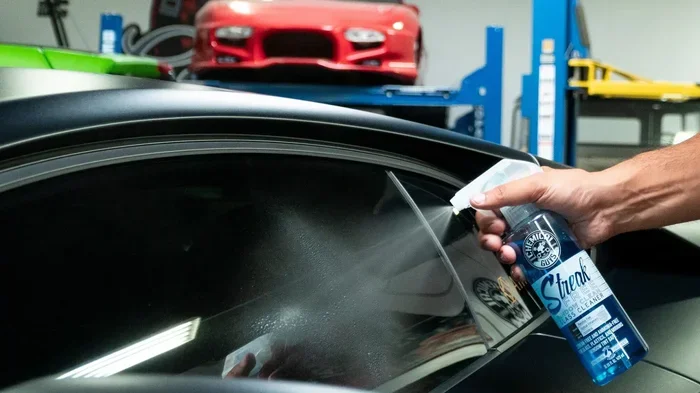
- Spray your cleaner onto a microfiber cloth, not directly on the glass. This prevents liquid from seeping under the edges.
- Wipe gently in a circular motion. Do not press hard or scrub aggressively.
- Use a dry side of the cloth to remove any remaining moisture.
- For stubborn spots, let the cleaner sit for a few seconds before wiping.
- Never use paper towels, rough rags, or abrasive sponges on your auto tint.
This method keeps your tinted windows streak-free and protects the film surface. It takes less than five minutes and makes a huge difference over time.
Quick Tips for Daily Auto Tint Care
Small daily habits add up to big protection for your car tint:
- Keep a small microfiber cloth in your car for quick wipe-downs.
- Clean your window film once a week during pollen season.
- Wipe down the edges of your tinted windows monthly to remove built-up grime.
- Avoid hanging air fresheners or decorations that touch the tint edges.
Common Auto Tint Problems and How to Fix Them
Even with the best care, auto tint can develop issues. The key is catching them early and fixing them before they get worse. Here is what to watch for and what to do.
Tint Bubbles
Tint bubbles are one of the most common complaints. Small bubbles often appear during the curing process and disappear on their own. But larger or persistent bubbles need attention.
If you notice a small bubble, try pressing it gently with a soft cloth. Sometimes the adhesive reactivates and the bubble disappears. For bigger bubbles, contact your auto tint installer. They can usually smooth the film back down without replacing the entire piece.
Peeling Edges
Peeling usually starts at the edges of the film. This happens when water gets under the tint adhesive or when the edges were not applied properly. Left untreated, peeling spreads inward and ruins the look of your tinted windows.
For small peeling spots, apply a tiny amount of window film adhesive from a repair kit. Press the edge down firmly and hold it for 30 seconds. If the peeling is widespread, it is best to get a professional to redo that section.
Fading and Purple Discoloration
Over time, some window film types fade, especially cheaper dyed films. The tint may turn purple or develop a splotchy appearance. This happens because the dye breaks down under constant UV exposure.
Prevention is the best fix. Use a UV-protective ceramic tint or solar film that resists fading. If your current film has already faded significantly, replacement is the only real solution. A high-quality replacement auto tint will look brand new and last much longer.
Scratches on Auto Tint
Deep scratches in auto tint cannot be fully repaired. But light surface scratches can be minimized. Use a window film scratch remover kit, which contains a mild abrasive that buffs out fine marks. For deeper scratches, a partial replacement of the affected panel is usually the best option.
Best Products for Auto Tint Maintenance
Not all cleaning and care products are created equal. Using the wrong ones can void your tint warranty and damage your window film. Here are the top product categories every auto tint owner should know about.
Ammonia-Free Cleaners
This is the single most important product category for auto tint care. Ammonia is harsh on the tint adhesive and the film surface. Over months of use, it causes the film to become brittle and discolored. Always check the label before buying any glass cleaner. Look for “ammonia-free” and “safe for tinted windows.”
Microfiber Cloths
A good microfiber cloth is your best friend for window film maintenance. Microfiber is soft and non-abrasive, which means it cleans without scratching. Keep at least two clean microfiber cloths in your car at all times — one for wet cleaning and one for drying.
UV-Protectant Sprays
These sprays add an extra layer of protection to your tinted windows. They help block additional UV rays that can fade the tint over time. Apply a UV-protectant spray once a month for best results. Just make sure the product is safe for use on window film and not just standard glass.
Tint Repair Kits
A basic tint repair kit is a smart investment. These kits usually include window film adhesive, a smoothing tool, and replacement patches. They are affordable and can extend the life of your auto tint by months or even years. Keep one in your glove box for emergencies.
Comparison: Good vs. Bad Products for Auto Tint
- Good: Ammonia-free glass cleaner, microfiber cloths, UV-protectant sprays, dedicated tint cleaner
- Bad: Ammonia-based cleaners, paper towels, abrasive sponges, harsh chemical solvents, rough terry cloth
Sticking to the “good” list keeps your auto tint in excellent condition. The “bad” list may seem convenient, but they cause damage that costs more to fix than the product is worth.
Protecting Your Auto Tint from Daily Damage
Cleaning is only half the battle. Protecting your auto tint from everyday damage is just as important. Several habits and environmental factors can shorten the life of your window film faster than you might expect.
Sun Exposure and Heat
Constant sun exposure is the number one enemy of auto tint. UV rays break down the film’s dye and weaken the tint adhesive over time. Heat causes the film to expand and contract, which can lead to bubbling and peeling at the edges.
To protect your tinted windows from sun damage:
- Park in the shade whenever possible.
- Use a windshield sun shade when parked outdoors.
- Consider a ceramic tint or solar film with high heat rejection.
- Apply UV-protectant spray to your window film monthly.
Impact and Physical Contact
Your auto tint is exposed to a lot of daily contact. Keys, jewelry, bags, and even pet claws can scratch the surface. Over time, these scratches add up and make the film look worn and damaged.
Be mindful of what touches your tinted windows. Keep sharp objects away from the glass. When loading items into your car, avoid letting them slide across the tint surface. A little awareness goes a long way in preserving your car tint.
Moisture and Water Exposure
Water is a sneaky enemy of auto tint. When water seeps under the edges of the film, it weakens the adhesive bond. This leads to peeling and tint bubbles. During rainy season or car washes, be extra careful about water pressure near the window edges.
When washing your car, avoid directing high-pressure water at the window edges. Let the soap and water flow from the center of the glass outward. Dry the edges gently with a soft towel after washing.
How Long Does Auto Tint Last and When to Replace It
Every auto tint has a lifespan. How long yours lasts depends on the quality of the film, the installation, and how well you maintain it. Understanding the expected lifespan helps you plan for replacement before problems become expensive.
Expected Lifespan of Different Tint Types
Not all window film is created equal. Here is a general breakdown of how long different types of auto tint last:
- Dyed film: 2-4 years. This is the most affordable option but fades and discolors faster.
- Metalized film: 4-6 years. Better durability but can interfere with electronic signals.
- Carbon film: 5-7 years. Excellent color stability and heat rejection.
- Ceramic film: 7-10+ years. The premium option with the best tint durability and performance.
These numbers assume proper auto tint maintenance. Neglected film may need replacement much sooner.
Signs It Is Time to Replace Your Auto Tint
Watch for these warning signs that your tinted windows need replacement:
- Widespread bubbling: Multiple large bubbles that do not go away on their own.
- Heavy peeling: More than a small edge starting to lift.
- Severe fading: The tint has turned purple or significantly discolored.
- Loss of clarity: The film looks blurry or hazy and cleaning does not help.
- Adhesive failure: The film feels loose or moves when you press on it.
If you notice several of these signs, it is time to consult a professional about auto tint replacement. A fresh installation will make your car look and feel like new again.
How to Make Your Auto Tint Last Longer
Want to get the most out of your window film? Follow these tint care tips for maximum tint longevity:
- Clean your auto tint regularly with ammonia-free products.
- Avoid parking in direct sunlight for extended periods.
- Use a ceramic tint or high-quality solar film for better durability.
- Address small problems immediately before they grow.
- Have your tinted windows inspected professionally once a year.
These habits take minimal effort but pay off significantly. A well-maintained auto tint can look great for 7-10 years or longer.
Expert Insights on Auto Tint Care
We spoke with professional auto tint installers about the most common mistakes they see. Here is what the experts want you to know:
“The number one mistake is using ammonia-based cleaners,” says Mark D., a certified tint installer with over 12 years of experience. “People grab whatever glass cleaner is under their sink without checking the label. Within six months, we start seeing the adhesive weaken and the film peel.”
“Another big one is impatient cleaning after installation,” adds Sarah T., who has been in the window film industry for 8 years. “Everyone wants to see their new auto tint right away. But if you clean it too soon, you risk disrupting the curing process. Just wait at least 30 days and your film will thank you.”
Professional installers also emphasize the importance of choosing quality film from the start. A premium ceramic tint or high-grade solar film costs more upfront but saves money in the long run through better tint durability and less frequent replacement.
Final Thoughts on Auto Tint Care
Your auto tint is an investment that deserves proper care. With the right cleaning routine, safe products, and a few protective habits, your tinted windows can stay looking fantastic for years. The effort required is minimal — just a few minutes each week and some simple awareness about what to avoid.
Remember to always wait for the curing period before your first cleaning. Use ammonia-free products and soft microfiber cloths. Address small issues like bubbles or peeling edges immediately. And when the time comes, know the signs that your window film needs professional replacement.
Taking care of your auto tint is not complicated. It just requires consistency and a little knowledge. Follow the tips in this guide, and your car tint will continue to look great while protecting you from UV rays and heat. Start today — your future self and your vehicle will thank you.
Frequently Asked Questions
How long should I wait before cleaning my auto tint after installation?
Wait at least 30 days before cleaning your auto tint for the first time. In humid or cold climates, wait up to 45 days. During this curing period, some cloudiness or small water pockets are normal and will clear up on their own.
Can I use regular glass cleaner on my auto tint?
No, most regular glass cleaners contain ammonia, which damages the tint adhesive and causes peeling over time. Always use ammonia-free cleaners that are specifically labeled safe for tinted windows and window film.
How often should I clean my auto tint?
Clean your auto tint once a week during high-dust or pollen seasons, and every two weeks during normal conditions. A quick wipe-down with a microfiber cloth takes only a few minutes and keeps your tinted windows looking their best.
Can I fix tint bubbles myself?
Small bubbles that appear during the curing period often disappear on their own. For persistent small bubbles, you can try pressing them gently with a soft cloth. Larger or widespread bubbles should be handled by a professional auto tint installer to avoid causing further damage.
What is the best type of auto tint for longevity?
Ceramic tint offers the best tint durability and can last 7-10 years or more with proper care. Carbon film is also an excellent option with good color stability. Both types resist fading and perform better than basic dyed films over time.
Does parking in the shade really help my auto tint last longer?
Yes, absolutely. Constant direct sunlight breaks down the window film dye and weakens the tint adhesive over time. Parking in the shade reduces UV exposure and heat stress, which are the leading causes of auto tint fading and peeling.
=== CONCLUSION ===
Taking care of your auto tint does not have to be complicated or time-consuming. With the right approach, you can keep your tinted windows looking sharp and functioning well for many years. Use ammonia-free cleaners, soft microfiber cloths, and gentle cleaning techniques. Protect your window film from excessive sun, moisture, and physical contact. Address small problems early before they become big expenses.
Your auto tint works hard every day — blocking UV rays, reducing heat, and adding privacy to your vehicle. A little regular care goes a long way in return. Start following these auto tint care tips today, and you will enjoy a clean, bubble-free, and long-lasting car tint that keeps your vehicle looking its best.