Can Brake Rotors Last 150 Miles Without Replacement
Brake rotors typically last far longer than 150 miles — most drivers get between 30,000 and 70,000 miles out of a set before needing replacement. The real question is how driving habits, vehicle weight, and maintenance routines affect brake rotor lifespan and whether your rotors are due for inspection or resurfacing.
Your car’s braking system is one of the most important safety features you rely on every single day. And at the heart of that system are the brake rotors — the metal discs that your brake pads clamp onto to slow you down. So when people ask can brake rotors last 150 miles, the short answer is absolutely yes. But the real question most drivers have is how long brake rotors actually last and what they can do to extend that life.
Brake rotors are built to handle thousands of miles of hard work. They take a beating every time you step on the pedal. Heat, friction, and road conditions all wear them down gradually. Understanding how long your brake rotors last and what affects their durability can save you money, keep you safe, and help you avoid surprise repairs at the worst possible moments.
In this guide, we’ll walk through everything you need to know about brake rotor lifespan. We’ll cover how long they typically last, what causes premature wear, the warning signs that it’s time for a change, and simple tips to make your rotors last longer. Whether you’re a daily commuter or a weekend road tripper, this information will help you stay on top of your braking system maintenance.
Key Takeaways
- Brake rotors last 30,000 to 70,000 miles on average, so 150 miles is well within their normal lifespan.
- Driving habits like hard braking and heavy towing dramatically shorten rotor life.
- Rotor thickness matters — always check minimum specs before deciding to replace or resurface.
- Warning signs include vibrating brakes, squealing noises, and visible scoring or glazing.
- Regular brake inspections help catch problems early and save money on costly repairs.
- Replacing rotors in pairs ensures even braking and prevents uneven wear.
- Vehicle weight plays a big role — heavier loads put more stress on your braking system.
📑 Table of Contents
- Understanding Brake Rotors and Their Role
- How Long Do Brake Rotors Typically Last?
- Factors That Affect Brake Rotor Lifespan
- Warning Signs Your Brake Rotors Need Attention
- Can Brake Rotors Be Resurfaced Instead of Replaced?
- How to Make Your Brake Rotors Last Longer
- Common Brake Rotor Mistakes to Avoid
- When to Replace Brake Rotors
- Conclusion
Understanding Brake Rotors and Their Role
Before we dive into lifespan numbers, let’s quickly cover what brake rotors actually do. Every time you press the brake pedal, hydraulic pressure pushes the brake calipers inward. The calipers then squeeze the brake pads against the rotors. This friction is what slows your wheels down and eventually brings your car to a stop.
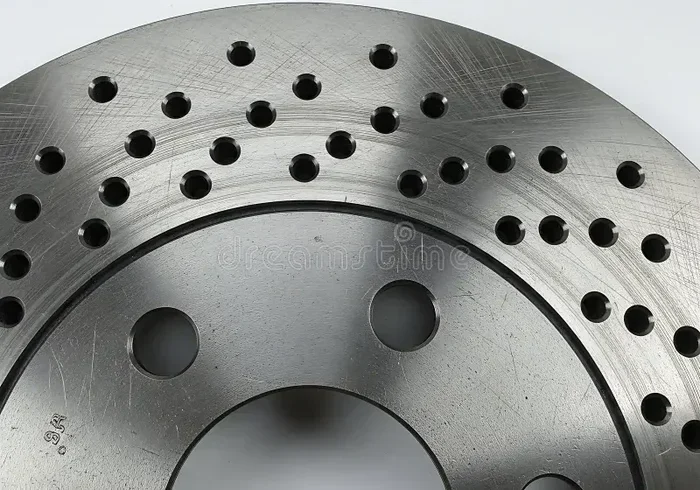
Brake rotors are usually made from cast iron or carbon-ceramic composites. Cast iron rotors are the most common on everyday vehicles. They’re durable, affordable, and handle heat reasonably well. Carbon-ceramic rotors are found on high-performance and luxury cars. They last longer and handle extreme temperatures better, but they come with a much higher price tag.
The condition of your rotors directly affects your braking performance. Worn or damaged rotors can cause vibrations, longer stopping distances, and even complete brake failure in extreme cases. That’s why keeping an eye on your brake rotor condition is so important for every driver.
How Brake Rotors Wear Over Time
Brake rotor wear happens through a process called friction material transfer. Every time you brake, a tiny layer of material is exchanged between the pad and the rotor surface. Over thousands of braking events, this adds up. The rotor surface becomes thinner, smoother, and eventually needs attention.
Several factors speed up this process. Hard braking generates more heat and friction. Stop-and-go city driving wears rotors faster than highway cruising. And carrying heavy loads puts extra stress on the entire braking system. Even your choice of brake pads matters — ceramic pads tend to be gentler on rotors than semi-metallic ones.
How Long Do Brake Rotors Typically Last?
The average brake rotor lifespan ranges from about 30,000 miles to 70,000 miles. However, that’s a wide range, and your actual results depend on several key factors. Some drivers hit 100,000 miles on a set of rotors with proper care, while others need replacements at 20,000 miles.
So to answer the question directly — can brake rotors last 150 miles? That’s really just a tiny fraction of their expected life. Even the most worn rotors can handle 150 miles easily. The real concern is whether they’ll last 150,000 miles, which is a completely different story.
Average Rotor Lifespan by Vehicle Type
Different vehicles put different demands on their rotors. Here’s a general breakdown of what you can expect based on vehicle type:
- Compact cars: 50,000 to 70,000 miles. These vehicles are lighter and put less stress on the brakes.
- Sedans and mid-size cars: 40,000 to 60,000 miles. A good balance of weight and braking demand.
- SUVs and trucks: 30,000 to 50,000 miles. Heavier vehicles wear rotors faster, especially when towing.
- Performance cars: 20,000 to 40,000 miles. High-performance driving generates extreme heat and friction.
- Electric and hybrid vehicles: 50,000 to 80,000 miles. Regenerative braking reduces wear on traditional friction brakes.
These numbers are estimates, and your actual experience may vary. The best way to know where your rotors stand is to have them measured regularly with a rotor thickness gauge.
Factors That Affect Brake Rotor Lifespan
Not all rotors wear at the same rate. Several factors play a big role in determining how long your specific set of rotors will last. Understanding these factors helps you make smarter decisions about maintenance and driving habits.
Driving Style and Habits
How you drive has a huge impact on rotor wear. Aggressive driving with frequent hard stops wears rotors much faster than gentle, gradual braking. If you live in a hilly area and use your brakes constantly on steep descents, you’ll burn through rotors faster than someone who drives flat terrain.
Tailgating is another silent killer of brake rotors. When you follow too closely, you end up braking more often and more abruptly. Giving yourself more following distance not only improves safety but also extends the life of your braking system components.
Vehicle Weight and Load
Heavier vehicles need more braking force to stop. This means more friction, more heat, and faster rotor wear. If you regularly haul heavy cargo or tow a trailer, your rotors will wear out quicker than if you’re driving empty.
Can putting too much weight in your car affect brake rotors? Absolutely. Excess weight puts additional stress on every part of your braking system, including the rotors, calipers, and brake pads. If you’re carrying heavy loads regularly, consider having your brakes inspected more frequently.
Rotor Material and Quality
The material your rotors are made from matters a lot. Standard cast iron rotors are affordable and work well for most driving conditions. Premium rotors with enhanced heat dissipation properties last longer and resist warping better. Cheap, low-quality rotors may save you money upfront but often wear out faster and perform poorly under heavy braking.
Climate and Driving Conditions
Where you live and drive also plays a role. Coastal areas with salt air can cause rotor corrosion. Mountain driving involves constant braking on steep grades. Stop-and-go city traffic generates more heat than open highway cruising. All of these conditions affect how quickly your rotors wear down.
Warning Signs Your Brake Rotors Need Attention
Your car usually gives you clear signals when something is wrong with the rotors. Catching these signs early can prevent more expensive damage and keep you safe on the road. Here are the most common warning signs to watch for.
Vibrations When Braking
One of the most noticeable signs of worn or warped rotors is a vibrating feeling through the brake pedal or steering wheel when you apply the brakes. This vibration happens because the rotor surface is no longer perfectly flat and smooth. It can also indicate rotor runout, which means the rotor is slightly misaligned with the wheel hub.
Squealing or Grinding Noises
A high-pitched squeal when braking often means your brake pads are worn, but it can also signal rotor problems. A grinding noise is more serious — it usually means the pads are completely worn down and metal is grinding against metal on the rotor surface. If you hear grinding, get your brakes inspected immediately.
Visible Scoring or Grooves
Take a look at your rotors if you can. Deep grooves or scoring on the rotor surface are a clear sign of uneven wear. Light surface marks are normal, but deep grooves indicate the rotor has been damaged and may need resurfacing or replacement.
Increased Stopping Distance
If your car takes longer to stop than it used to, your rotors might be the culprit. Worn or glazed rotors can’t grip the brake pads as effectively, leading to longer stopping distances. This is a serious safety concern that should never be ignored.
Brake Pedal Feel Changes
A spongy or soft brake pedal can indicate air in the brake lines, but it can also point to rotor issues. If the pedal feels different than usual, especially combined with other symptoms on this list, it’s time for a professional inspection.
Can Brake Rotors Be Resurfaced Instead of Replaced?
Yes, in many cases brake rotors can be resurfaced rather than replaced outright. Resurfacing, also called machining, involves removing a thin layer of metal from the rotor surface to restore it to a smooth, flat condition. This can extend rotor life and save you money.
However, resurfacing isn’t always an option. Your mechanic will measure the rotor thickness and compare it to the manufacturer’s minimum specification. If the rotor is too thin, resurfacing isn’t safe and replacement is the only option. Rotors that are severely warped, cracked, or deeply grooved also can’t be resurfaced effectively.
The cost of resurfacing is typically much lower than full replacement. But consider this — if your rotors are already close to the minimum thickness, resurfacing might not buy you much additional life. In those cases, replacement makes more sense in the long run.
When getting your brakes serviced, it’s always a good idea to ask your mechanic to check your brake rotor thickness and let you know if resurfacing is a viable option. Being informed helps you make the best decision for your wallet and your safety.
How to Make Your Brake Rotors Last Longer
Good news — there are several things you can do to extend the life of your brake rotors. These simple habits and maintenance practices can add thousands of miles to your rotor lifespan.
- Avoid hard braking when possible. Gentle, gradual stops put far less stress on your rotors. Coasting to slow down before braking is a great habit to develop.
- Keep a safe following distance. This gives you more time to brake gently and reduces the frequency of hard stops.
- Don’t overload your vehicle. Excess weight wears brakes faster. Stay within your vehicle’s recommended weight limits to protect your rotors and other components.
- Replace brake pads on schedule. Worn pads damage rotors. Fresh pads distribute force evenly and keep the rotor surface in good condition.
- Get regular brake inspections. Having your braking system checked at every oil change or at least twice a year helps catch issues before they become expensive problems.
- Use quality brake parts. Premium rotors and pads may cost more upfront, but they typically last longer and perform better.
- Replace rotors in pairs. Always replace both rotors on an axle at the same time. This ensures even braking and prevents uneven wear on the new components.
Quick Tips for Brake Rotor Longevity
- Pump the brakes lightly after driving through water to dry the rotors and prevent rust.
- Avoid resting your foot on the brake pedal while driving — this causes constant light contact and heat buildup.
- When descending long hills, use engine braking instead of riding the brakes to reduce heat and friction.
- Clean your wheels regularly to remove brake dust, which can cause corrosion over time.
Common Brake Rotor Mistakes to Avoid
Even well-meaning car owners sometimes make mistakes that shorten rotor life or create safety issues. Here are the most common ones to watch out for.
- Ignoring warning signs. Vibrations, noises, and changes in braking feel are your car’s way of telling you something is wrong. Ignoring them only makes the problem worse and more expensive to fix.
- Replacing only one rotor. Putting a new rotor on one side and keeping the old one on the other creates uneven braking. Always replace in pairs.
- Choosing the cheapest parts. Budget rotors might seem like a good deal, but they often use lower-quality materials and don’t perform as well. You get what you pay for with braking components.
- Skipping the break-in period. New rotors and pads need a proper break-in to transfer pad material evenly to the rotor surface. Follow your mechanic’s guidance on this.
- Not checking for rotor warping after tire rotations. Sometimes a rotor that seemed fine can develop issues after a wheel change. Always have brakes checked after any tire service.
When to Replace Brake Rotors
Knowing when to replace your rotors is crucial for safety and performance. The general rule is to replace them whenever they fall below the manufacturer’s minimum thickness specification. You can find this number in your vehicle’s owner manual or on the rotor itself.
Most mechanics recommend replacing rotors every second or third brake pad change, assuming normal driving conditions. So if you replace pads every 25,000 to 30,000 miles, you might replace rotors every 50,000 to 90,000 miles.
However, if you notice any of the warning signs we discussed — vibrations, noises, grooves, or increased stopping distance — don’t wait for your next scheduled maintenance. Get your rotors checked right away. Brake safety should always come first.
And if you’re ever unsure about the condition of your rotors, a professional inspection is worth every penny. A mechanic can measure rotor thickness, check for warping, and assess the overall health of your braking system in just a few minutes.
Remember that your braking system works as a team — rotors, pads, calipers, and brake fluid all need to be in good condition for optimal performance. Neglecting any one component affects the others. Regular maintenance keeps the whole system working smoothly and safely.
Finally, if you’ve been wondering about how to diagnose brake problems yourself, the good news is that many rotor issues are easy to spot visually or by feel. Paying attention to how your car brakes and listening for unusual sounds goes a long way toward catching problems early. Staying proactive with your brake maintenance routine is one of the best things you can do for your vehicle and your safety.
Conclusion
So can brake rotors last 150 miles without replacement? Absolutely — 150 miles is barely a blip on the radar for a healthy set of rotors. Most brake rotors last anywhere from 30,000 to 70,000 miles depending on driving habits, vehicle type, and maintenance practices. The key is staying proactive about your braking system health and catching problems early before they become serious and expensive.
By following the tips in this guide — gentle braking, regular inspections, quality parts, and proper load management — you can get the most life out of your rotors and keep your car stopping safely mile after mile. Your brakes are your first line of defense on the road, and taking care of them is one of the best investments you can make as a vehicle owner.
Stay attentive to how your car feels when you brake, keep up with scheduled maintenance, and never hesitate to ask your mechanic questions. A well-maintained braking system gives you confidence every time you hit the road, and that peace of mind is priceless.
Frequently Asked Questions
Is 150 miles too short for brake rotors to need replacement?
Not at all. Brake rotors are designed to last tens of thousands of miles. 150 miles is a tiny fraction of their expected lifespan, and healthy rotors will easily handle this distance without any issues.
What is the average cost to replace brake rotors?
Brake rotor replacement typically costs between $300 and $700 per axle, depending on your vehicle type and the quality of parts you choose. Labor costs usually make up a significant portion of the total expense.
Can I drive safely with worn brake rotors?
Driving with severely worn or damaged rotors is dangerous. Worn rotors increase stopping distances and can cause brake failure. If you suspect your rotors are worn, get them inspected immediately and avoid driving if possible.
How often should I have my brake rotors inspected?
Most experts recommend having your braking system inspected at least once or twice a year, or every 10,000 to 15,000 miles. Regular inspections help catch rotor wear early and prevent costly repairs.
Does carrying extra weight in my car damage brake rotors faster?
Yes, extra weight puts more stress on your braking system, including the rotors. Heavier loads mean more friction and heat each time you brake, which accelerates rotor wear. If you carry heavy loads often, consider more frequent brake inspections.
Can I replace brake rotors myself at home?
Replacing brake rotors is a moderately complex job that requires the right tools and some mechanical knowledge. If you’re comfortable with basic car maintenance and have a hydraulic jack and lug wrench, you can do it yourself. Otherwise, it’s best to leave the job to a professional mechanic.
=== INTERNAL LINKS ===
Heavy loads put extra stress on your entire braking system, which is why it’s important to understand your vehicle’s limits. Learn more about how weight affects your car in our guide on Can I Put Too Much Weight In My Car.
Regular inspections and diagnostics help you stay ahead of brake problems before they become serious. Find out how to check your car’s health at home in our article on Can I Do My Own Car Diagnostics.
Your driving habits play a huge role in how long your rotors last. If you’re concerned about fuel efficiency and range, check out Can I Drive 10 Miles On Empty for tips on managing your car’s resources wisely.