How to Remove Salt Stains From Car Glass Like a Pro
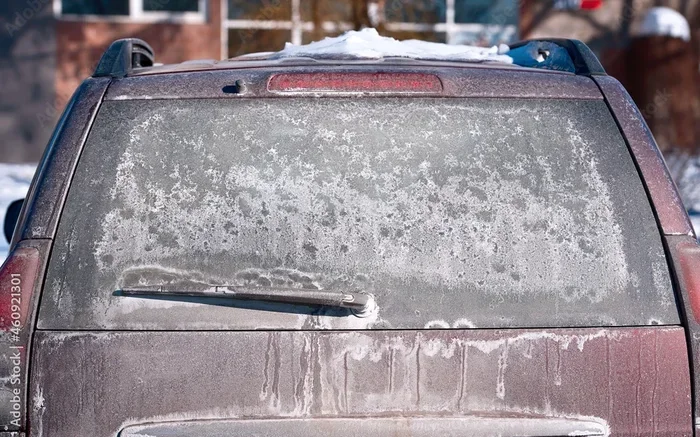
Salt stains on car glass are a common problem for anyone who drives in winter conditions. These white, chalky marks not only look bad but can actually damage your car windows over time. This guide will teach you exactly how to remove salt stains from car glass using simple household items and professional-grade products. You will learn proven cleaning methods, prevention tips, and when to call in a professional. By the end, your car glass will look crystal clear again.
Winter driving takes a toll on your car. The road salt, brine, and deicing chemicals that keep roads safe during snow and ice season also wreak havoc on your vehicle. One of the most frustrating problems drivers face is the stubborn white residue that builds up on car glass. These salt stains not only look terrible but can cause long-term damage if left untreated.
If you have ever wondered how to remove salt stains from car glass effectively, you are in the right place. This guide covers everything from simple home remedies to professional-grade solutions. Whether you deal with light dusting or heavy buildup, you will find practical methods that actually work. Let us get your car glass looking clear and clean again.
Key Takeaways
- Salt stains come from road salt and deicing chemicals that cling to your car glass during winter driving.
- Vinegar and baking soda solutions are two of the most effective DIY methods to remove salt residue from car windows.
- Prevention is key — applying a protective coating can save you hours of cleaning later.
- Act quickly — the longer salt sits on glass, the harder it becomes to remove.
- Avoid abrasive scrubbers that can scratch your car glass.
- Professional detailing may be needed for severe or long-standing salt damage.
📑 Table of Contents
- Why Salt Stains Damage Your Car Glass
- What You Need Before You Start
- Step-by-Step Guide to Remove Salt Stains From Car Glass
- DIY Cleaning Solutions That Actually Work
- How to Prevent Salt Stains on Car Glass
- When to Seek Professional Help
- Common Mistakes to Avoid
- Expert Tips for Long-Term Glass Care
- Key Takeaways
- Conclusion
Why Salt Stains Damage Your Car Glass
Understanding why salt stains form helps you tackle them more effectively. Winter roads are treated with various chemicals to melt ice and snow. The most common ones include calcium chloride, magnesium chloride, and sodium chloride. These substances stick to your car glass every time you drive. Over time, they build up into a white, crusty layer that is hard to ignore.
The Science Behind Salt Stains
When salt water splashes onto your car glass, the water evaporates but the minerals do not. They leave behind a white residue. This residue is mostly made of calcium and magnesium compounds. These minerals bond to the glass surface and can become increasingly difficult to remove the longer they sit. This is why prompt cleaning matters so much.
Road salt damage goes beyond just looks. Over time, salt can etch into glass surfaces. It can also corrode the metal frames around your windows. The rubber seals that hold your windows in place can deteriorate faster when exposed to salt regularly. This makes regular cleaning an important part of winter car care.
Common Types of Road Salt Residue
Not all salt stains are the same. Different regions use different deicing agents. Here are the most common types you will encounter:
- Calcium chloride — This is one of the most common road salts. It leaves a thick white residue and works at very low temperatures.
- Magnesium chloride — This salt is less corrosive but still leaves noticeable white marks on car glass.
- Sodium chloride — Regular table salt used on roads. It is less common now but still causes staining.
- Brine solutions — Liquid salt mixtures sprayed on roads before storms. They leave a thin film that builds up over time.
Each type requires a slightly different approach for removal. But the good news is that most household cleaning methods work well on all of them. The key is knowing what you are dealing with and acting fast.
What You Need Before You Start
Before you dive into cleaning, gather your supplies. Having everything ready makes the process faster and more effective. You do not need expensive products for most salt stain removal jobs. Many items are already in your kitchen.
Essential Cleaning Supplies
- White distilled vinegar
- Baking soda
- Warm water
- Microfiber cloths (at least two)
- Spray bottle
- Soft-bristle brush or detailing brush
- Rubber gloves
- Car glass cleaner (store-bought or DIY)
For tougher stains, you may also want to pick up a clay bar designed for glass surfaces. This tool lifts embedded contaminants without scratching. A detailing spray can also help with final polishing after cleaning. Having these items on hand ensures you are prepared for any level of salt buildup.
Safety Tips Before Cleaning
Safety should always come first. Work in a shaded area to prevent cleaning solutions from drying too quickly on the glass. Wear rubber gloves to protect your hands from vinegar and baking soda. Never use abrasive scrub pads or steel wool on car glass. These can create micro-scratches that make future staining worse. Always rinse thoroughly after cleaning to remove all residue.
Step-by-Step Guide to Remove Salt Stains From Car Glass
Now for the main event. Here is a detailed walkthrough of how to remove salt stains from car glass using proven methods. Follow these steps in order for the best results.
Step 1: Rinse the Glass Thoroughly
Start by rinsing the affected glass with clean water. Use a hose or a bucket of water. This removes loose salt particles and prevents scratching during the cleaning process. Pay special attention to the edges and corners where salt tends to accumulate. A good rinse also softens the salt residue, making it easier to remove.
Use lukewarm water for best results. Hot water can cause rapid temperature changes that may crack glass in extreme cold. Work on one section at a time to keep the surface wet throughout the process.
Step 2: Apply a Vinegar Solution
White distilled vinegar is one of the most effective household cleaners for salt removal. Mix equal parts vinegar and warm water in a spray bottle. Spray the solution generously onto the salt-stained glass. Let it sit for five to ten minutes. The acetic acid in vinegar breaks down the mineral bonds holding the salt to the glass.
For heavy buildup, you can use undiluted vinegar. Apply it directly to the stained area and let it soak for fifteen minutes. You will notice the white residue starting to dissolve almost immediately. This is a simple yet powerful method that works wonders on winter grime.
Step 3: Scrub Gently with a Soft Brush
After the vinegar solution has had time to work, use a soft-bristle brush to gently scrub the glass. Use circular motions and light pressure. You do not need to press hard. The vinegar is already doing the heavy lifting. Focus on areas with the heaviest buildup but be gentle across the entire surface.
A detailing brush with soft nylon bristles works great for this step. Avoid anything rough or abrasive. The goal is to lift the loosened salt without scratching the glass. If the residue does not come off easily, apply more vinegar solution and wait a few more minutes.
Step 4: Make a Baking Soda Paste for Stubborn Stains
Some salt stains are more stubborn than others. For these, a baking soda paste works wonders. Mix three parts baking soda with one part water to form a thick paste. Apply the paste directly to the remaining stains. Let it sit for ten to fifteen minutes.
The mild abrasive in baking soda helps lift embedded salt without scratching. After it has sat, gently scrub with a damp microfiber cloth using circular motions. The combination of vinegar and baking soda creates a fizzing reaction that is very effective at breaking down mineral deposits. Rinse thoroughly with clean water after this step.
Step 5: Rinse and Dry Completely
Once the stains are gone, rinse the glass thoroughly with clean water. Use a clean microfiber cloth to dry the glass completely. Buff in straight lines rather than circular motions to avoid leaving streaks. A streak-free finish is the goal here. If you notice any remaining haze, repeat the vinegar application and drying process.
Make sure the glass is completely dry before you drive. Wet glass in cold weather can lead to frost buildup. This also gives you a chance to inspect the glass closely and make sure all salt residue has been removed.
DIY Cleaning Solutions That Actually Work
Store-bought glass cleaners work, but DIY solutions are often cheaper and just as effective. Here are some tried-and-true recipes for tackling salt stains on car glass.
Vinegar and Water Solution
This is the go-to solution for most salt stains. Mix one part white vinegar with one part warm water in a spray bottle. Spray onto the glass, let it sit for five minutes, and wipe clean with a microfiber cloth. This solution works well for light to moderate salt buildup. It is safe for all car glass surfaces and will not damage any tint or coatings.
Baking Soda and Water Paste
For heavy-duty cleaning, the baking soda paste is your best friend. Mix three tablespoons of baking soda with one tablespoon of water. Apply to the stain and let it sit for fifteen minutes. Scrub gently with a soft cloth and rinse clean. This paste is especially effective on baked-on salt that has been sitting for days or weeks.
Rubbing Alcohol and Water Mix
For an extra-strength solution, try mixing one part rubbing alcohol with one part water. This works great in cold weather because it evaporates quickly and does not leave streaks. Spray it on, wipe with a clean cloth, and you are done. This is especially useful for salt buildup on side and rear windows where you need a fast, streak-free finish.
Commercial Glass Cleaners
If you prefer store-bought products, look for glass cleaners that are ammonia-free. Ammonia can damage tinted windows over time. Brands like Rain-X and Stoner also offer glass-specific coatings that add a protective layer after cleaning. These coatings help repel water and prevent salt from sticking as easily in the future.
How to Prevent Salt Stains on Car Glass
Prevention is always better than cure. Once you have removed the salt stains, you want to keep them from coming back. Here are the best strategies for protecting your car glass during winter months.
Apply a Glass Coating
A quality glass coating creates a hydrophobic barrier on your windows. This means water and salt slide right off instead of sticking. Apply a glass sealant or ceramic coating to all windows before winter begins. These products are easy to apply and last for several months. They also improve visibility by reducing glare and water spots.
Wash Your Car Regularly
This might seem obvious, but many drivers skip car washes during winter. Road salt builds up fast, and regular washing is the best defense. Aim to wash your car every one to two weeks during the winter season. Pay special attention to the glass surfaces and the areas around the window seals. A thorough wash removes salt before it has time to bond with the glass.
Keep a Microfiber Cloth in Your Car
Keep a clean microfiber cloth in your car for quick wipe-downs. After driving through salted roads, take a moment to wipe down your windows when you arrive at your destination. This quick habit prevents salt from sitting long enough to cause damage. It takes less than a minute and makes a big difference over time.
Use a Car Cover
If you park your car outside during winter, consider using a car cover. A quality cover protects your entire vehicle from road salt, snow, and ice. Look for covers that are water-resistant and breathable. This prevents moisture buildup while keeping salt off your glass and paint. It is one of the simplest things you can do for overall winter car care.
Avoid Parking Near Salt Spreaders
If possible, park away from areas where road salt is spread. This includes the edges of parking lots near roads and areas where city trucks distribute brine. Parking in a garage is ideal. If a garage is not an option, choose a spot away from the street whenever you can.
When to Seek Professional Help
Most salt stains can be removed at home with the methods described above. However, some situations call for professional assistance. Knowing when to call a pro can save you time and prevent further damage to your car glass.
Signs You Need Professional Cleaning
- The salt stains have been on your glass for weeks or months and home methods are not working.
- You notice etching or permanent marks on the glass surface.
- The salt damage has spread to the window seals or rubber trim.
- You have tinted windows and are worried about using harsh cleaners.
- The buildup is severe and covers the entire windshield.
Professional detailers have access to industrial-grade cleaning products and tools that are not available for home use. They can also apply protective coatings that last longer than DIY options. If you are dealing with heavy salt damage, a professional cleaning session is a worthwhile investment.
Cost of Professional Salt Stain Removal
Professional detailing services typically range from $50 to $150 depending on the level of service. A basic exterior wash and glass cleaning will fall on the lower end. A full detail with protective coatings will cost more. Compare this to the cost of replacing a damaged windshield, and professional cleaning is a smart investment.
Common Mistakes to Avoid
Even with the best intentions, people make mistakes when cleaning salt from car glass. Here are some common errors to watch out for.
- Using hot water on cold glass — This can cause thermal shock and crack the glass. Always use lukewarm water.
- Scrubbing too hard — Aggressive scrubbing creates micro-scratches that attract more salt and dirt in the future.
- Skipping the rinse — Cleaning solutions left on the glass can leave streaks and residue of their own.
- Using paper towels — Paper towels can leave lint and scratch the glass. Always use microfiber cloths.
- Ignoring the window seals — Salt builds up in the rubber seals too. Clean them regularly to prevent cracking and leaks.
- Waiting too long to clean — The longer salt sits, the harder it bonds to the glass. Clean as soon as possible after exposure.
Avoiding these mistakes ensures your cleaning efforts are effective and safe. A little patience goes a long way when it comes to how to remove salt stains from car glass properly.
Expert Tips for Long-Term Glass Care
Taking care of your car glass goes beyond just removing salt stains. Here are some expert tips to keep your windows in top shape year-round.
- Apply a rain-repellent coating every three to four months. This creates a barrier that makes cleaning easier.
- Inspect your windshield wipers regularly. Worn wipers can spread salt and dirt across the glass instead of removing it.
- Keep your wiper fluid reservoir full with a winter-grade formula. This helps wash away salt while driving.
- Use a clay bar for glass once or twice a season. This removes embedded contaminants that regular washing misses.
- Address chips and cracks promptly — salt can seep into damage and cause further deterioration.
These habits may seem small, but they add up to significant protection over time. Your car glass will stay clearer, stronger, and looking better for longer.
Key Takeaways
- Salt stains on car glass are caused by road salt and deicing chemicals that leave behind mineral residue.
- Vinegar and baking soda are the most effective household solutions for removing salt buildup from windows.
- Act quickly — the longer salt sits on glass, the harder it becomes to remove.
- Always use soft microfiber cloths and gentle brushes to avoid scratching your car glass.
- Prevention matters — glass coatings, regular washing, and proper parking protect your windows.
- Professional help is available for severe or long-standing salt damage that home methods cannot handle.
- Avoid common mistakes like using hot water, paper towels, or abrasive scrubbers on your car glass.
Conclusion
Learning how to remove salt stains from car glass is an essential skill for anyone who drives in winter conditions. Salt damage is not just a cosmetic issue — it can affect the longevity of your glass and the seals around your windows. The good news is that with the right tools and techniques, you can keep your car glass looking great all winter long.
Start with simple household solutions like vinegar and baking soda. These are affordable, effective, and safe for your car glass. Prevention is equally important. Apply protective coatings, wash your car regularly, and wipe down your windows after driving through salted roads. These small habits make a big difference.
Remember that patience matters. Do not rush the cleaning process, and never use abrasive tools that can damage your glass. If the stains are too severe, do not hesitate to seek professional help. Your car glass is an important part of your vehicle’s safety and appearance. Take care of it, and it will take care of you.
Now that you know the best methods for removing and preventing salt stains, it is time to put them into action. Grab your supplies, head out to your car, and give your windows the care they deserve. Clear, clean car glass is just a cleaning session away.
Frequently Asked Questions
What is the best way to remove salt stains from car glass?
The best way is to use a vinegar and water solution. Spray equal parts white distilled vinegar and warm water onto the stained glass, let it sit for five to ten minutes, then wipe clean with a microfiber cloth. For stubborn stains, follow up with a baking soda paste and gentle scrubbing.
Can salt damage car glass permanently?
Yes, if left untreated for a long time, salt can etch into the glass surface and cause permanent marks. It can also corrode window seals and damage the rubber trim around windows. This is why prompt cleaning and regular maintenance are so important.
How often should I clean salt off my car windows?
You should clean salt off your car windows at least once a week during winter. If you drive on heavily salted roads every day, consider washing your car every three to four days. Regular cleaning prevents salt from bonding permanently with the glass.
Is it safe to use vinegar on car glass?
Yes, white distilled vinegar is safe for car glass. It is a mild acid that effectively breaks down mineral deposits without scratching or damaging the glass. It is also safe for tinted windows when used in diluted form.
What household items can I use to remove salt stains?
You can use white vinegar, baking soda, warm water, and rubbing alcohol. All of these are effective at dissolving salt residue. A soft microfiber cloth and a detailing brush are the best tools to use alongside these solutions.
How can I prevent salt stains on my car glass during winter?
The best prevention methods include applying a glass sealant or ceramic coating, washing your car regularly, parking in a garage when possible, and wiping down your windows after driving through salted areas. A rain-repellent coating also helps salt slide off more easily.
=== CONCLUSION ===
How to Remove Salt Stains From Car Glass does not have to be a difficult task. With the right knowledge and a few simple supplies, you can keep your car windows looking clear and clean all winter long. The methods in this guide cover everything from quick DIY fixes to long-term prevention strategies. Whether you are dealing with light dusting or heavy buildup, there is a solution that works for you. Start today and give your car the care it deserves. Your windshield and windows will thank you.