How to Store a Hybrid Car for 6 Months Without Damage
Storing a hybrid car for 6 months requires smart preparation to protect both the high-voltage battery and the 12-volt system. This guide walks you through every step, from choosing the right storage location to starting your hybrid safely after storage. You will learn proven tips that prevent battery drain, tire damage, and interior problems. Follow these steps to keep your hybrid in top shape while it sits idle.
Planning to park your hybrid car for half a year? Whether you are traveling, relocating, or just storing a seasonal vehicle, leaving any car untouched for six months demands careful thought. Hybrid vehicles come with unique systems that need special attention during long-term storage. The good news is that a little preparation goes a long way.
When you store a hybrid car for 6 months the right way, you protect both the high-voltage battery pack and the standard 12-volt battery. You also preserve the tires, brakes, fluids, and interior. This guide gives you a clear, step-by-step plan that anyone can follow. No mechanic degree required. Just practical advice that keeps your hybrid ready to roll when you come back for it.
Let us walk through everything you need to know. By the end, you will feel confident about your hybrid car storage plan and know exactly what to do before, during, and after the storage period.
Key Takeaways
- Choose the right storage spot: A cool, dry, and climate-controlled space protects your hybrid battery and paint job.
- Prepare the battery properly: Keep the 12-volt battery charged and set the hybrid battery to storage mode to prevent deep discharge.
- Use a quality car cover: A breathable fabric cover shields the exterior from dust, moisture, and UV rays during long-term storage.
- Check tires and fluids monthly: Proper tire pressure and fuel stabilizer prevent flat spots and fuel degradation over six months.
- Follow a restart checklist: Inspect brakes, battery voltage, and fluid levels before driving your hybrid after a long storage period.
📑 Table of Contents
- Why Proper Storage Matters for Hybrid Cars
- Choosing the Right Storage Location
- Preparing Your Hybrid Car for Long-Term Storage
- Protecting the Interior and Exterior During Storage
- Monthly Maintenance Routine During Storage
- Starting Your Hybrid Car After 6 Months of Storage
- Common Mistakes to Avoid When Storing a Hybrid Car
- Expert Tips for Hybrid Car Storage Success
- Final Thoughts on Storing Your Hybrid Car for 6 Months
Why Proper Storage Matters for Hybrid Cars
Hybrid cars are not the same as regular gasoline vehicles. They have two battery systems, regenerative braking components, and sensitive electronics. Ignoring these unique needs during a long storage period can lead to costly repairs. Understanding why proper storage matters helps you take the right precautions from day one.
The High-Voltage Battery Needs Special Care
The main battery pack in a hybrid car is a large lithium-ion or nickel-metal hydride unit. It powers the electric motor and works alongside the gasoline engine. When a hybrid sits unused for months, this battery can slowly lose charge. A deeply discharged high-voltage battery may not recharge properly afterward. In some cases, it can even trigger a warning light or error code on your dashboard.
That is why setting your hybrid into the correct storage mode is so important. Most modern hybrids have a built-in battery saver feature. This feature limits power draw and keeps the battery within a safe charge range. Always refer to your owner’s manual to find this setting.
The 12-Volt Battery Is Just as Vulnerable
Do not overlook the smaller 12-volt battery. This battery powers the car’s computer, lights, and accessories. Just like in a regular car, a 12-volt battery can drain completely if the vehicle sits idle for too long. A dead 12-volt battery is one of the most common problems people face when storing a hybrid car for 6 months.
Using a battery maintainer or trickle charger solves this problem. It keeps the battery topped off without overcharging it. This small device can save you from a frustrating jump-start situation when you return.
Choosing the Right Storage Location
Where you store your hybrid car matters just as much as how you prepare it. The wrong environment can cause rust, battery damage, and even pest infestations. Take the time to pick a spot that suits your vehicle and your budget.
Indoor Storage Is Always Best
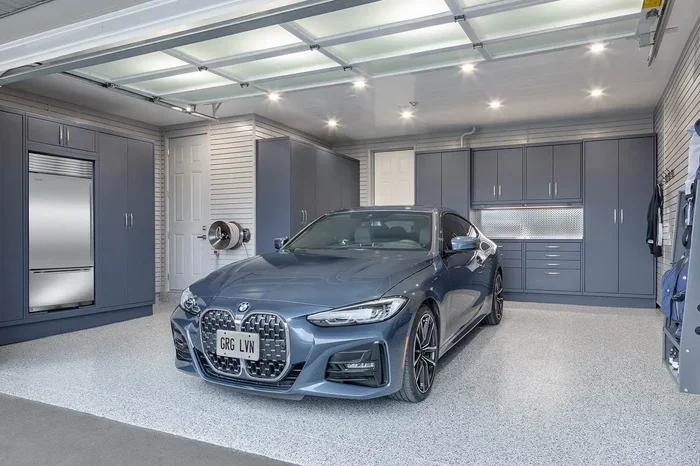
A climate-controlled garage is the gold standard for long-term storage. It shields the car from extreme heat, cold, rain, and humidity. These elements can all harm a hybrid car’s battery systems and exterior finish over time.
If you do not have access to a garage, consider renting a covered storage unit. Many storage facilities offer indoor parking options that are affordable and secure. The key is to keep your car out of direct sunlight and away from moisture.
Outdoor Storage Tips If You Must
Sometimes outdoor storage is your only option. If that is the case, invest in a high-quality car cover. Look for a cover that is breathable, waterproof, and UV-resistant. A good cover prevents moisture buildup under the fabric, which can lead to rust and mold.
Also, try to park on a flat, paved surface. Avoid grassy or dirt areas where moisture can rise and affect the undercarriage. If possible, choose a spot that is sheltered from wind and falling debris.
Preparing Your Hybrid Car for Long-Term Storage
Proper preparation is the foundation of safe hybrid vehicle storage. Skipping even one step can lead to problems you did not expect. Follow this preparation checklist to make sure your car is ready for the long haul.
Step 1: Clean the Car Thoroughly
Before your car goes into storage, give it a full wash and wax. Remove all dirt, bird droppings, and tree sap from the exterior. These substances can eat into the paint over time, especially when combined with heat or moisture.
Inside the car, remove all food, trash, and personal items. Pests love to nest in cars that smell like food. Vacuum the seats and carpets, and leave the doors and trunk slightly cracked to allow air circulation.
Step 2: Check and Top Off All Fluids
Fresh fluids help protect your hybrid car’s systems during storage. Start with the gasoline tank. Fill it up completely to minimize condensation inside the tank. Add a fuel stabilizer to prevent the fuel from degrading over six months.
Next, check the coolant level. Hybrid cars use coolant for both the engine and the battery thermal management system. Low coolant can cause overheating or battery issues when you return. Also inspect the brake fluid and windshield washer fluid. Top them off as needed.
Step 3: Inflate Tires to the Recommended Pressure
Proper tire pressure is critical when storing a car for a long time. Underinflated tires are more likely to develop flat spots, especially on concrete surfaces. Check the recommended pressure on the driver’s side door jamb and inflate each tire to that level.
If you really want to go the extra mile, consider using tire jack stands. This lifts the weight off the tires entirely and prevents any flat spotting. It is a small effort that can save you from premature tire replacement.
Step 4: Set the Hybrid Battery to Storage Mode
Most hybrid cars have a storage mode or a similar setting. This mode puts the high-voltage battery in a low-power state that prevents deep discharge. It also reduces the draw on the 12-volt battery.
To activate this mode, consult your owner’s manual or contact your dealer. The process varies by make and model. Some hybrids require you to press and hold a button, while others need a setting change through the infotainment screen.
Step 5: Use a Battery Maintainer for the 12-Volt Battery
A battery maintainer is one of the best investments you can make for long-term storage. This device connects to your 12-volt battery and delivers a small, steady charge. It keeps the battery healthy without overcharging it.
Simply clamp the maintainer to the battery terminals and plug it into a wall outlet. Leave it connected for the entire storage period. When you return, your hybrid car will start right up without any battery issues.
Protecting the Interior and Exterior During Storage
Even in a covered or indoor space, your hybrid car’s interior and exterior need protection. Six months of idle time can cause wear and damage if you do not take preventive steps.
Interior Protection Tips
- Use seat covers: Fabric seat covers protect the upholstery from dust and prevent fading from any ambient light.
- Place silica gel packets inside: These absorb moisture and help prevent mold and mildew growth inside the cabin.
- Crack the windows slightly: This allows air to circulate and prevents musty odors from building up over time.
- Leave the parking brake disengaged: Keeping the parking brake engaged for months can cause the brake pads to fuse to the rotors. Use a wheel chock instead to prevent the car from rolling.
Exterior Protection Tips
- Apply a coat of wax before storage: Wax creates a protective barrier against dust, UV rays, and light rain.
- Use a fitted car cover: Even indoors, a car cover keeps dust off the paint and reduces the need for a full wash when you return.
- Place a plastic sheet under the car: If you store on a garage floor, a plastic sheet can protect against fluid leaks from other vehicles or moisture from concrete.
- Block exhaust pipes: Stuff steel wool or a rubber plug into the exhaust pipes to prevent rodents and insects from nesting inside.
Monthly Maintenance Routine During Storage
Even when your hybrid car is in storage, it still needs a little attention once a month. A quick monthly check-in can catch small problems before they turn into big ones. Set a reminder on your phone so you do not forget.
What to Check Each Month
- Battery voltage: Use a multimeter to check the 12-volt battery voltage. It should read around 12.6 volts. If it drops below 12.2 volts, the battery maintainer may not be working properly.
- Tire pressure: Check the pressure and add air if needed. Tires naturally lose air over time, even without driving.
- Fluid leaks: Walk around the car and look for any fresh puddles or stains under the vehicle. Even a small leak can become a serious problem over several months.
- Car cover condition: Make sure the cover is still in place and has not shifted. Check for any tears or moisture trapped underneath.
This monthly routine takes only about 15 minutes. It gives you peace of mind and keeps your hybrid car in excellent condition throughout the entire storage period.
Starting Your Hybrid Car After 6 Months of Storage
The moment you have been waiting for has arrived. It is time to start your hybrid car after six months of storage. But do not just turn the key and drive off. Follow these steps to make sure everything is in good working order.
Step 1: Inspect the Car Before Starting
Walk around the car and look for any signs of damage, leaks, or pest activity. Check the tires for proper inflation and look under the car for any fluid drips. Open the hood and inspect the battery terminals for any corrosion. If you see a white or greenish buildup, clean it off with a wire brush before starting the car.
Step 2: Start the Car and Let It Idle
Turn the car on and let it idle for at least 10 minutes. This allows the hybrid battery to charge and the engine to reach normal operating temperature. Listen for any unusual sounds, such as grinding or squealing, which could indicate brake issues from long-term storage.
Check all the dashboard warning lights. If any light stays on after the car has been running for a few minutes, have it checked by a mechanic before driving.
Step 3: Take a Short Test Drive
Before heading out on a long trip, take a short drive around the block. Test the brakes, steering, and acceleration. Pay attention to how the car feels and sounds. If anything feels off, pull over and investigate.
This test drive also helps the hybrid system recalibrate after a long period of inactivity. The regenerative braking system, in particular, may need a few miles to return to full performance.
Common Mistakes to Avoid When Storing a Hybrid Car
Even with the best intentions, people make mistakes when storing a car for a long time. Knowing what to avoid can save you time, money, and headaches. Here are the most common errors and how to prevent them.
Mistake 1: Leaving the Gas Tank Empty
An empty gas tank invites condensation, which leads to rust and fuel system problems. Always fill the tank before storage and add a fuel stabilizer. This keeps the gasoline fresh and protects the fuel lines and injectors.
Mistake 2: Keeping the Parking Brake Engaged
Leaving the parking brake on for six months can cause the brake pads to stick to the rotors. This is especially true in humid or damp environments. Use wheel chocks instead to keep the car stationary.
Mistake 3: Skipping the Battery Maintainer
Some people assume the car’s systems will use very little power over six months. The truth is that the 12-volt battery can drain completely, especially in cold weather. A battery maintainer is a small investment that prevents a big problem.
Mistake 4: Ignoring the Hybrid Battery
Not all hybrids have a storage mode. If yours does not, ask your dealer or mechanic for advice on how to maintain the high-voltage battery during long-term storage. Simply leaving the car in park without any special settings can lead to battery health issues.
Mistake 5: Storing in a Damp or Humid Location
Moisture is the enemy of any car, but especially hybrid vehicles with sensitive electronics. Avoid storing your car in an unheated shed or a damp basement. Choose a dry, ventilated space whenever possible.
Expert Tips for Hybrid Car Storage Success
Here are a few bonus tips from automotive experts that can make your storage experience even smoother.
- Record the storage date and mileage: Write down the date you put the car in storage and the current mileage. This helps you track when it is time for the monthly check-in and gives you a baseline for the restart inspection.
- Store the car in a neutral position: For automatic transmissions, keep the car in Park. For manual transmissions, leave it in Neutral. This reduces stress on the transmission system during long-term storage.
- Disconnect the negative battery terminal if needed: If you will not have access to a battery maintainer, disconnecting the negative terminal can slow the 12-volt battery drain. However, this may reset some of your car’s settings, so be prepared to reprogram them when you return.
- Consider a battery tender with a voltage monitor: These devices not only maintain the charge but also alert you if the voltage drops below a safe level. It is like having a built-in early warning system for your battery health.
These expert tips add an extra layer of protection to your hybrid car storage plan. They are small actions that make a big difference over a six-month period.
Final Thoughts on Storing Your Hybrid Car for 6 Months
Storing a hybrid car for 6 months does not have to be stressful. With the right preparation and a little bit of ongoing attention, your hybrid vehicle will be ready to go when you are. The key is to start early, follow each step carefully, and do not skip the monthly maintenance routine.
Remember to focus on both the high-voltage battery and the 12-volt system. Protect the interior and exterior. Choose a dry, safe storage location. And when the time comes to restart your car, take it slow and inspect everything before hitting the road.
By following this guide, you have everything you need to store a hybrid car for 6 months without any damage. Your hybrid will thank you with smooth starts, reliable performance, and years of faithful service ahead.
Frequently Asked Questions
Can I store a hybrid car with a low battery?
No, you should never store a hybrid car with a low high-voltage battery. A low charge can cause the battery cells to degrade over time. Always charge the hybrid battery to the recommended level before storage, and activate the storage mode if your vehicle supports it.
Do I need a special car cover for a hybrid car?
Not necessarily special, but you should use a high-quality, breathable car cover that is waterproof and UV-resistant. A standard vehicle cover works fine as long as it fits well and allows air to circulate, preventing moisture buildup that can damage the paint and interior.
How often should I start my hybrid car during storage?
You do not need to start the car during storage if you use a battery maintainer and follow the proper preparation steps. Starting the car unnecessarily can actually drain the battery further. Instead, focus on monthly checks of battery voltage, tire pressure, and fluid levels without starting the engine.
Will the hybrid battery recharge itself after storage?
The high-voltage hybrid battery will recharge itself when you drive the car normally. However, if the battery has been deeply discharged during storage, it may not recharge properly and could require professional attention. This is why setting the battery to storage mode and monitoring voltage is so important.
Can I store my hybrid car in a cold climate?
Yes, but cold weather puts extra stress on the 12-volt battery. Use a battery maintainer rated for cold temperatures and make sure the storage space is as dry as possible. Extreme cold can reduce battery capacity and increase the risk of a dead battery when you try to start the car after storage.
What should I do with the parking brake during long-term storage?
Do not engage the parking brake for the full storage period. The brake pads can fuse to the rotors over several months, especially in humid conditions. Use wheel chocks on both sides of the tires to keep the car secure and stationary without using the parking brake.
=== CONCLUSION ===
Storing a hybrid car for 6 months without damage is entirely doable when you follow the right steps. From choosing a dry storage location to maintaining both battery systems, every action you take protects your investment. Clean the car, top off fluids, set the hybrid battery to storage mode, and use a battery maintainer for the 12-volt system. Check the tires monthly, keep pests out, and restart your car carefully when the storage period ends.
The effort you put into preparation pays off in reliability and peace of mind. Your hybrid car will start up smoothly and perform as if it had never been parked for half a year. Use these tips, share them with fellow hybrid owners, and enjoy the confidence that comes with knowing your car is well taken care of even when it is not on the road.