Is It OK to Always Keep Your Gas Tank Full and Never Empty
Is it OK to always keep your gas tank full? The short answer is yes — keeping your tank at least half full offers real benefits for your vehicle. It protects the fuel pump, reduces condensation, and gives you peace of mind. However, always topping off has minor downsides like extra weight and cost. This guide covers everything you need to know.
Have you ever wondered whether you should always keep your gas tank full? Maybe you have a friend who swears by it. Or perhaps you have seen the fuel light flicker on and thought about pulling over right away. Either way, the question of is it OK to always keep your gas tank full comes up more often than you might think.
The truth is, there are real reasons to keep your tank topped off. And there are a few things to watch out for too. Whether you drive a compact car or a full-size truck, your fuel habits matter. They affect your vehicle’s health, your wallet, and even your safety on the road. Let us dive into what you need to know.
Key Takeaways
- Protects the fuel pump: Keeping your tank full prevents the pump from overheating and wearing out early.
- Reduces moisture buildup: A full tank leaves less room for condensation that can cause rust and fuel line issues.
- Improves fuel efficiency: Running low can strain the engine and hurt your gas mileage over time.
- Saves you in emergencies: You never get stranded in bad weather or far from a gas station.
- Minor downsides exist: Extra fuel weight and cost are small trade-offs for most drivers.
- Keep it at least half full: This is the sweet spot that balances protection and practicality.
📑 Table of Contents
What Happens When You Keep Your Gas Tank Full
Keeping your gas tank full sounds simple enough. But inside your vehicle, a lot is happening with every tank of fuel. Understanding these mechanics helps you see why your fuel level matters more than you might realize.
The Role of Your Fuel Pump
Your fuel pump sits inside the tank. It uses the surrounding fuel to stay cool while it works. When your tank runs low, the pump can start to overheat. Over time, this leads to premature wear. A failing fuel pump is expensive to replace. Keeping the tank full helps the pump stay cool and last longer.
Here is a quick look at how fuel level affects your pump:
- Full tank: Pump stays submerged and cool. Less stress on the motor.
- Half tank: Pump still gets enough fuel coverage. Good balance.
- Quarter tank or below: Pump starts to heat up. Risk of early failure increases.
- Empty: Pump runs dry. This can cause serious damage fast.
Condensation and Moisture Buildup
When your tank is mostly empty, air fills the space. That air contains moisture. Over time, that moisture condenses on the inside walls of the tank. Water in your fuel system is bad news. It can cause corrosion inside the tank. It can also clog your fuel filter and injectors. A full tank leaves less room for air. Less air means less condensation.
This is especially important in humid climates or during seasonal temperature swings. Cold mornings and warm afternoons create perfect conditions for moisture to form. Keeping your tank full helps reduce this problem significantly.
Fuel Line and Tank Corrosion
Most modern vehicles use steel or high-density plastic tanks. Even so, metal parts in the fuel system can rust when exposed to moisture. Your fuel lines, fittings, and connections are all vulnerable. A full tank keeps these parts coated in fuel rather than air. This simple habit can extend the life of your entire fuel system.
The Benefits of Keeping Your Tank Full
Now that you understand the mechanics, let us look at the real-world advantages. There are more benefits than you might expect.
Better Fuel Efficiency
When your tank is full, your vehicle carries a consistent load. Running on low fuel means you are also carrying less weight, which sounds good. But the real issue is how you drive when the tank is low. Most people accelerate harder and brake more when they are worried about running out. These aggressive habits burn more fuel. Keeping your tank full encourages smoother, calmer driving.
Fewer Trips to the Gas Station
Running out of gas is more than just an inconvenience. It can be dangerous. You might end up on a dark highway or in a bad neighborhood. A full tank gives you a buffer. You can take detours, miss a gas station, or get stuck in traffic without stress. This is especially true during winter storms or summer heat waves.
Protection Against Contaminants
When fuel sits low in the tank, sediment from the bottom gets pulled into the fuel lines. This gunk can clog your fuel filter. It can also reach the fuel injectors and cause poor engine performance. A full tank keeps the fuel pickup tube well above the sediment layer. Cleaner fuel means a cleaner engine.
Peace of Mind
There is a mental benefit too. Knowing your tank is full removes one worry from your day. You focus on driving instead of watching the fuel gauge. This matters on long road trips or unfamiliar routes.
The Downsides of Always Keeping Your Tank Full
Nothing is perfect, and always keeping your tank full has a few trade-offs. Let us be honest about them.
Extra Vehicle Weight
A full tank of gas weighs about 6 to 8 pounds per gallon. A typical sedan carries 12 to 15 gallons. That is 72 to 120 pounds of extra fuel weight. More weight means slightly lower fuel economy. But the effect is small. For most drivers, the difference is less than 1 percent in fuel economy. It is not something to lose sleep over.
Higher Fuel Costs
Topping off every time means you spend more at the pump. If gas prices are high, this adds up. However, the cost is usually small compared to the cost of repairing a fuel pump or cleaning clogged injectors. Think of it as cheap insurance for your vehicle.
Risk of Overfilling
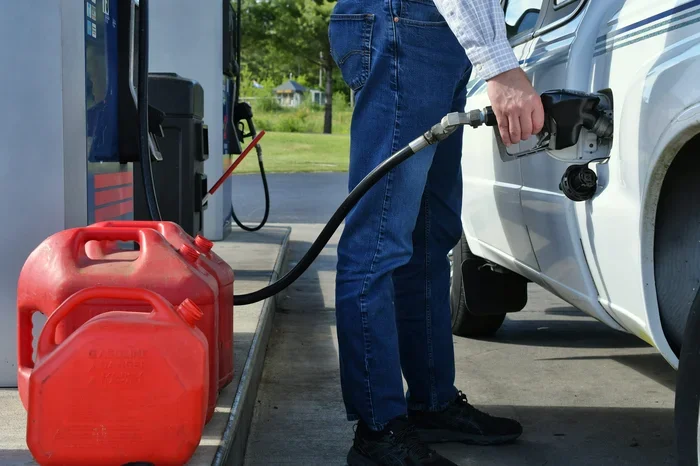
Some people try to squeeze every last drop into the tank. This is called overfilling. It can flood the carbon canister in your emissions system. A damaged canister leads to rough idling, poor acceleration, and check engine lights. Always stop at the first click of the pump nozzle. Do not “top it off” manually.
Fuel Degradation Over Time
Gasoline does not last forever. It starts to break down after about 30 to 60 days. Old fuel can cause starting problems and rough running. If you always keep your tank full and rarely drive much, you might end up using stale fuel. This is more of a concern for seasonal vehicles or cars that sit for weeks at a time.
How Full Should You Keep Your Tank?
The best practice is to keep your tank at least half full at all times. This gives you the protection benefits without the downsides of always filling it to the brim. Think of the half-full mark as your personal warning line.
When to Fill Up
Here is a simple routine to follow:
- Check your fuel gauge when you start your day.
- Plan to fill up when you hit the quarter tank mark.
- Keep at least a half tank during winter or long trips.
- Avoid dropping below a quarter tank in hot weather.
This routine keeps your fuel pump healthy and gives you plenty of margin for error.
Seasonal Considerations
Winter brings its own challenges. Condensation forms more easily in cold temperatures. Water in the fuel can freeze inside the lines. Keeping your tank full in winter reduces the risk of ice blockages. In summer, heat causes fuel to expand. A full tank on a hot day can cause minor venting, but modern vehicles handle this well.
Tips for Maintaining Your Fuel System
Keeping your tank full is just one piece of the puzzle. Here are some extra tips to keep your fuel system in great shape.
Use Quality Fuel
Stick with reputable gas stations. Fuel from discount stations sometimes contains more impurities. Top-tier gasoline brands often have better detergent additives. These keep your fuel injectors clean and your engine running smoothly.
Replace Your Fuel Filter Regularly
Your fuel filter catches debris before it reaches the engine. Over time, it gets clogged. Check your owner manual for replacement intervals. Most vehicles need a new fuel filter every 30,000 to 50,000 miles.
Keep Your Gas Cap Tight
A loose or damaged gas cap lets fuel vapor escape. This wastes fuel and triggers the check engine light. Make sure your cap seals properly after every fill-up. If it is cracked or worn, replace it right away. A new gas cap costs just a few dollars.
Watch for Warning Signs
Pay attention to changes in your vehicle. Difficulty starting, rough idling, or a drop in fuel economy can all point to fuel system problems. Catching these early saves you from bigger repairs later.
Common Mistakes Drivers Make With Their Fuel Tank
Many drivers develop bad habits around fueling. Here are the most common ones to avoid.
- Running on empty regularly: This is the fastest way to wear out your fuel pump.
- Ignoring the fuel gauge: The warning light is not a suggestion. It is a call to action.
- Topping off the tank manually: This floods the emissions system and can cause costly damage.
- Using the wrong fuel grade: Always follow your owner manual. Premium fuel does not help engines that do not need it.
- Waiting too long between fill-ups: Letting the tank get very low too often leads to sediment buildup.
Expert Insight: “Most fuel pump failures I see are directly linked to chronic low fuel levels,” says automotive technician Mark Donovan. “A simple habit of keeping the tank at least half full can add years to the life of your fuel pump.”
The Bottom Line
So, is it OK to always keep your gas tank full? The answer is a clear yes — with a small caveat. You do not need to fill it to the absolute brim every single time. But keeping it at least half full is one of the easiest and cheapest ways to protect your vehicle. It keeps the fuel pump cool, reduces moisture, and prevents sediment from clogging your system.
The minor downsides like extra weight and slightly higher fuel costs are far outweighed by the benefits. For most drivers, the half-full rule is the perfect balance. It keeps your car healthy and gives you confidence every time you get behind the wheel.
Make it a habit. Check your gauge. Fill up before you hit the quarter mark. Your fuel system will thank you — and so will your wallet in the long run.
Frequently Asked Questions
Can running on empty damage the fuel pump?
Yes, running on empty can cause serious damage to the fuel pump. The pump relies on fuel flowing through it to stay cool. When the tank is empty, the pump runs dry and overheats. Repeated dry running leads to premature failure. A new fuel pump can cost several hundred dollars, so it is best to keep your tank at least a quarter full at all times.
Does a full tank improve gas mileage?
A full tank does not significantly improve gas mileage. The extra weight of a full tank slightly reduces efficiency. However, the bigger benefit is driving behavior. When your tank is full, you tend to drive more calmly and avoid aggressive acceleration. This smoother driving style can improve your fuel economy by a small margin over time.
How often should I fill up my gas tank?
There is no set number of times you must fill up. It depends on your driving habits and tank size. A good rule of thumb is to refill when your tank drops to a quarter full. This keeps the fuel pump covered and gives you plenty of range. For most drivers, this means filling up every one to two weeks.
Is it bad to keep your tank full in hot weather?
No, keeping your tank full in hot weather is not bad. In fact, it helps reduce condensation inside the tank. The only minor issue is that fuel expands in heat, which can cause slight venting from the tank. Modern vehicles are designed to handle this safely. Always stop filling at the first click of the nozzle to avoid overfilling.
Does keeping your tank full prevent water in the fuel?
Keeping your tank full reduces the chance of water entering your fuel system. When the tank is mostly empty, air enters and moisture condenses on the tank walls. That water can mix with fuel and cause problems. A full tank leaves less air space and less opportunity for condensation. This is especially helpful during humid or rainy seasons.
Should I use fuel stabilizer if I keep my tank full?
Fuel stabilizer is most useful for vehicles that sit unused for long periods. If you keep your tank full and drive regularly, you do not need a stabilizer. The fuel gets used and replaced before it has time to degrade. However, if you drive infrequently, adding a stabilizer to a full tank can help keep the fuel fresh for months.