Can I Go 10000 Miles on Synthetic Oil Find Out Now
Yes, you can go 10000 miles on synthetic oil in many modern vehicles. Full synthetic oil lasts longer than conventional oil and offers better engine protection under normal driving conditions. However, your oil change interval depends on your car, driving habits, and oil quality.
Can you really push your synthetic oil to 10000 miles? It is a question many car owners ask, especially with the rising cost of oil changes and the promise of modern lubricants. The short answer is yes, in many cases you can. But the full story is a bit more nuanced than that. Let us break it all down so you know exactly what to expect.
Synthetic oil has come a long way over the past few decades. It is no longer just for high-performance or luxury vehicles. Today, everyday cars can benefit from the superior protection and longevity that full synthetic formulas provide. But does that mean you should always wait 10000 miles between changes? Not necessarily. Several factors play into how long your oil actually lasts on the road.
Key Takeaways
- Synthetic oil can last up to 10000 miles: Full synthetic formulas resist breakdown better than conventional oil.
- Check your owner’s manual first: Many modern cars are designed for extended oil change intervals.
- Driving conditions matter a lot: Short trips, extreme heat, and towing can shorten oil life significantly.
- Oil filters play a key role: A quality filter helps your oil last longer and protects your engine.
- Don’t skip oil changes: Even with synthetic oil, going too long can harm your engine over time.
- Monitor your oil regularly: Use dipstick checks and oil life monitoring systems to stay on track.
📑 Table of Contents
- What Makes Synthetic Oil Different from Conventional Oil
- Can You Really Go 10000 Miles on Synthetic Oil
- Factors That Affect How Long Synthetic Oil Lasts
- Signs Your Synthetic Oil Needs Changing
- How to Maximize the Life of Your Synthetic Oil
- Common Mistakes People Make with Synthetic Oil
- Quick Tips for Synthetic Oil Owners
- Conclusion
What Makes Synthetic Oil Different from Conventional Oil
Understanding the difference between synthetic and conventional oil helps you see why one can go farther than the other. Conventional oil is refined directly from crude petroleum. It contains molecules of varying sizes, which can break down faster under heat and pressure. Synthetic oil, on the other hand, is engineered in a lab. The molecules are uniform, which gives it more stability and better performance.
Purity and Molecular Structure
Because synthetic oil has a more consistent molecular structure, it resists thermal breakdown much better. This means it can handle high engine temperatures without thinning out or losing its lubricating properties. Conventional oil tends to oxidize faster, which leads to sludge buildup over time. With synthetic oil, you get a cleaner engine interior and better engine protection over a longer period.
Additive Packages
Both conventional and synthetic oils contain additives. These include detergents, anti-wear agents, and antioxidants. However, premium synthetic oils often come with advanced additive packages that are designed to last the full oil change interval. These additives help neutralize acids, prevent foam, and keep metal surfaces protected even after thousands of miles.
Can You Really Go 10000 Miles on Synthetic Oil
The truth is, many vehicle manufacturers now approve 10000-mile or even 15000-mile intervals for synthetic oil. Brands like BMW, Mercedes-Benz, and Toyota have extended their recommended oil change schedule for cars using full synthetic lubricants. But there is a catch. These intervals assume ideal driving conditions, which not everyone experiences.
Manufacturer Recommendations
Always check your owner’s manual before extending your oil change interval. Some automakers specify 7500 miles as the maximum, even with synthetic oil. Others give you the green light for 10000 miles or more. The manual will also tell you which oil viscosity grade to use, such as 0W-20 or 5W-30. Using the wrong viscosity can void your warranty and harm your engine.
Oil Life Monitoring Systems
Many newer vehicles come equipped with an oil life monitoring system. This system tracks your driving patterns and adjusts the oil change reminder accordingly. It does not just count miles. It considers factors like engine temperature, idle time, and driving style. If your car has this feature, trust it more than a simple mileage number. You can also do your own car diagnostics to check oil health and engine condition at home.
Factors That Affect How Long Synthetic Oil Lasts
Not all driving is equal. Your personal driving habits and environment have a huge impact on how long your oil stays clean and effective. Here are the key factors to consider.
Driving Conditions
If you mostly drive on highways at steady speeds, your oil will last longer. Highway driving keeps the engine at a consistent temperature, which helps the oil flow smoothly. But if you do a lot of short trips around town, your engine may not reach full operating temperature. This causes moisture and fuel to contaminate the oil faster, shortening its effective life.
Extreme Temperatures
Extreme heat breaks down oil faster. If you live in a hot climate or drive in desert conditions, your synthetic oil may degrade before reaching 10000 miles. Cold weather is less damaging to the oil itself, but it can cause condensation inside the engine, which also contaminates the oil over time.
Towing and Heavy Loads
Towing a trailer or carrying heavy loads puts extra stress on your engine. The oil works harder to keep everything lubricated, and it heats up more as a result. If you regularly tow or haul heavy items, you should shorten your oil change interval. This is also true if you carry too much weight in your car, as excess load increases engine strain and oil degradation.
Oil Quality and Brand
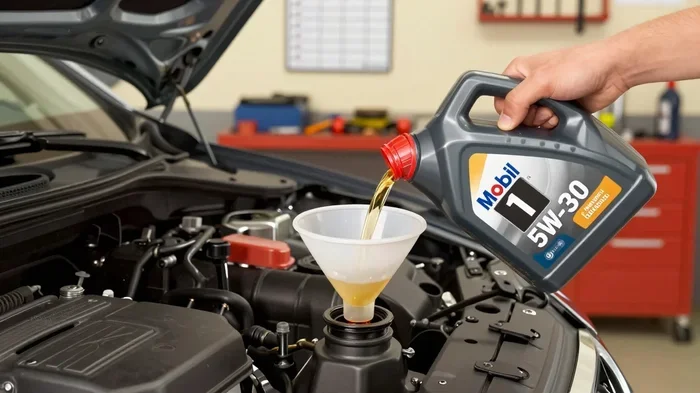
Not all synthetic oils are created equal. A budget synthetic blend may not last as long as a premium full synthetic. Look for oils that meet the latest API SP or ACEA C5 standards. These certifications ensure the oil has been tested for performance and longevity. Top brands like Mobil 1, Castrol EDGE, and Valvoline SynPower are known for their extended drain capabilities.
Signs Your Synthetic Oil Needs Changing
Even if you have not hit the mileage mark, certain signs tell you it is time for an oil change. Do not ignore these warning signals. Catching them early can save your engine from serious damage.
Dark or Dirty Oil
New synthetic oil is typically amber or golden in color. As it ages, it darkens due to soot and contaminants. Use the dipstick to check the oil color regularly. If it looks very dark and gritty, it is time to change it. However, keep in mind that synthetic oil will darken faster than conventional oil, and this alone does not always mean it is worn out.
Burning Smell or Reduced Performance
If you notice a burning smell coming from the engine bay, your oil may be overheating or breaking down. You might also experience reduced fuel efficiency or rough idling. These are signs that the oil is no longer providing adequate lubrication. Address these issues quickly to avoid costly repairs.
Oil Pressure Warnings
A dashboard oil pressure warning light should never be ignored. Low oil pressure can mean your oil level is low or the oil has lost its viscosity. Check the oil level immediately and top it off if needed. If the light stays on, do not keep driving. You risk causing severe engine damage.
How to Maximize the Life of Your Synthetic Oil
Want to get the most out of every oil change? Follow these practical tips to extend the life of your synthetic oil and keep your engine running strong.
Change Your Oil Filter Regularly
The oil filter traps contaminants and keeps the oil clean. If the filter gets clogged, it can no longer do its job, and the oil degrades faster. Always replace the oil filter every time you change the oil. Use a high-quality filter that matches your vehicle specifications. A good filter can make a big difference in how long your synthetic oil lasts.
Warm Up Your Engine Gently
Give your engine a minute or two to warm up before driving hard. This allows the oil to circulate and reach all the moving parts. It also helps burn off any condensation that may have formed overnight. A gentle warm-up routine can significantly reduce engine wear and keep your oil cleaner for longer.
Keep Up with Regular Maintenance
Regular maintenance goes beyond just oil changes. Check your coolant levels, inspect belts and hoses, and keep your engine tuned. A well-maintained engine runs cleaner and puts less stress on the oil. You can also learn more about long-term vehicle reliability to understand how proper maintenance affects your car’s lifespan over time.
Track Your Mileage and Dates
Keep a log of your oil changes, including the date and mileage. This helps you spot patterns and know when your oil is not lasting as long as it used to. If you notice your oil degrading faster than expected, it could signal an underlying engine issue that needs attention.
Common Mistakes People Make with Synthetic Oil
Even with the best intentions, car owners sometimes make mistakes that shorten the life of their synthetic oil. Avoid these common errors to get the most value from your oil changes.
- Assuming synthetic oil never needs changing: Synthetic oil lasts longer, but it still degrades over time. Never skip oil changes entirely.
- Mixing oil types: Do not mix conventional and synthetic oil unless absolutely necessary. It dilutes the performance of the synthetic oil.
- Overfilling the oil: Too much oil can cause foaming and reduce lubrication. Always stick to the recommended level on the dipstick.
- Ignoring oil leaks: Synthetic oil can sometimes leak past worn seals more easily than conventional oil due to its lower viscosity. Fix leaks promptly.
- Skipping the oil filter: Reusing an old filter or skipping it altogether contaminates your fresh oil immediately.
Quick Tips for Synthetic Oil Owners
- Always use the oil grade recommended by your car manufacturer.
- Check your oil level at least once a month.
- Keep records of every oil change, including the brand and type of oil used.
- Replace the oil filter with every oil change.
- Do not rely solely on mileage. Consider time intervals too, as oil can degrade even with low mileage.
- Drive gently for the first few minutes after starting the car to let the oil circulate.
Conclusion
So, can you go 10000 miles on synthetic oil? The answer is yes, for many drivers and vehicles. Full synthetic oil offers excellent longevity and engine protection when used correctly. But it is not a one-size-fits-all solution. Your driving conditions, vehicle type, and oil quality all play a role in determining how long your oil truly lasts. Stay proactive, monitor your oil regularly, and never skip a scheduled oil change. Your engine will thank you with years of reliable performance.
Taking care of your car does not have to be complicated. With the right oil and a solid maintenance routine, you can confidently go the distance. Trust your instincts, follow your manufacturer’s guidelines, and enjoy the peace of mind that comes with a well-maintained engine.
Frequently Asked Questions
Can I go 10000 miles on synthetic oil in any car?
Not every car is designed for a 10000-mile oil change interval. Check your owner’s manual to see what your manufacturer recommends. Many modern vehicles with full synthetic oil can handle this interval, but older cars or those with high mileage may need more frequent changes.
Does synthetic oil really last longer than conventional oil?
Yes, synthetic oil generally lasts longer because of its superior molecular stability and advanced additive packages. It resists thermal breakdown and oxidation better than conventional oil, which means it can go farther between changes under normal driving conditions.
What happens if I go too long without changing synthetic oil?
Over time, oil breaks down and loses its ability to lubricate and protect engine components. Going too long between changes can lead to increased engine wear, sludge buildup, and reduced fuel efficiency. In severe cases, it can cause engine failure.
How often should I check my synthetic oil level?
You should check your oil level at least once a month. This is a quick and easy habit that helps you catch leaks or oil consumption issues early. Use the dipstick and compare the level to the minimum and maximum marks.
Is it okay to switch from conventional oil to synthetic oil?
Yes, switching from conventional to synthetic oil is generally safe and often beneficial. Synthetic oil provides better protection and can even help clean out deposits left by conventional oil. Just make sure to use the correct viscosity grade for your vehicle.
Does driving style really affect how long synthetic oil lasts?
Absolutely. Aggressive driving, frequent short trips, and stop-and-go traffic all put extra stress on your oil. These conditions cause the oil to heat up more and contaminate faster, which means you may need to change it sooner than the standard interval.