How Do I Know If My Jeep Has Vari-Lok Simple Guide
Figuring out whether your Jeep has Vari-Lok is easier than you think. This guide covers every method to check your Jeep’s locking differential, from looking at the VIN to inspecting the axle tags. Whether you own a Jeep Wrangler, Grand Cherokee, or another model, you will learn the exact signs that confirm Vari-Lok equipment. Knowing your Jeep’s drivetrain helps you make smarter off-road and on-road decisions.
Have you ever wondered what makes your Jeep feel so confident when the trail gets tough? A lot of that capability comes down to the differential setup under your vehicle. If you have been asking yourself how do I know if my Jeep has Vari-Lok, you are in the right place. This simple guide will walk you through every reliable method to find out whether your Jeep came equipped with the Vari-Lok locking differential. You do not need to be a mechanic to figure this out. With a few quick checks, you can uncover the truth about your Jeep’s drivetrain.
The Vari-Lok system is a special type of limited-slip differential made by Chrysler. It helps your Jeep maintain traction when one wheel starts to slip. This feature is a game-changer for off-road enthusiasts and anyone who drives in tricky conditions. But not every Jeep has it. Some models come standard with Vari-Lok, while others offer it as an option. A few Jeeps never had it at all. So how do you find out which camp your Jeep falls into? Let us dive in.
Before we start, a quick note. If you love your Jeep as much as your favorite toy car and want to learn more about 10 Lines On My Favourite Toy Car, check out our fun companion piece. Now, let us get back to the main task. By the end of this guide, you will know exactly how to confirm whether your Jeep has Vari-Lok.
Key Takeaways
- Check the VIN: Your vehicle identification number holds the key to your Jeep’s factory options, including Vari-Lok.
- Inspect the Axle Tag: The differential cover tag lists the axle code, which reveals if Vari-Lok is present.
- Know Your Trim Level: Certain Jeep trims and packages come with Vari-Lok as standard or optional equipment.
- Look for the Vari-Lok Badge: Some Jeeps display exterior badges or stickers confirming the locking differential.
- Check the Service Records: Dealer records and maintenance logs can confirm factory options.
- Use a VIN Decoder: Online tools quickly decode your Jeep’s factory specifications.
- Consult a Jeep Dealer: A dealer can pull your build sheet with your VIN for definitive answers.
📑 Table of Contents
- What Is Vari-Lok and Why Does It Matter?
- Method 1: Check Your Jeep’s VIN
- Method 2: Inspect the Axle Tag on the Differential
- Method 3: Check Your Jeep Trim Level and Package
- Method 4: Look for Visual Badges and Stickers
- Method 5: Review Service Records and Build Sheets
- Common Mistakes When Checking for Vari-Lok
- Quick Tips for Confirming Vari-Lok
- Expert Insight: Why Knowing Your Differential Matters
- Conclusion
What Is Vari-Lok and Why Does It Matter?
Vari-Lok is a type of locking differential built into your Jeep’s axle. When one wheel loses grip, the system sends power to the wheel that still has traction. This happens automatically without any input from the driver. It is different from a full locking differential because it operates on a percentage basis rather than locking 100% all the time.
How the Vari-Lok System Works
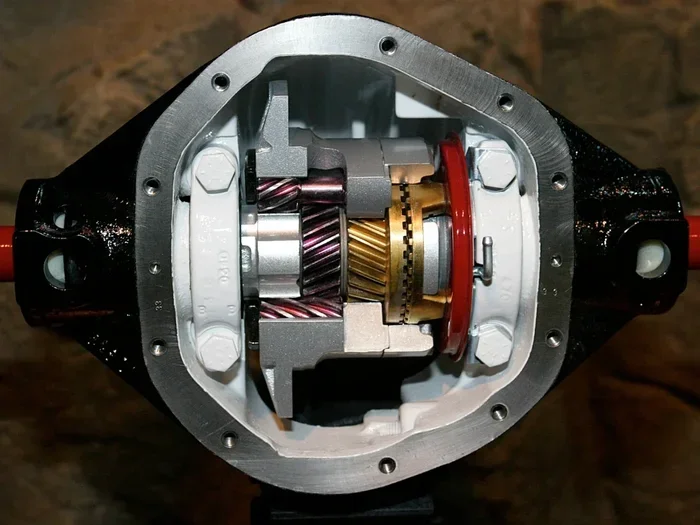
The Vari-Lok system uses a set of clutch packs inside the differential. When wheel speed differences are detected, these clutch packs engage. They transfer torque to the gripping wheel. The result is better off-road capability and improved stability on slippery surfaces. Think of it as a smart system that always tries to keep you moving forward.
Why Jeep Owners Love Vari-Lok
There are many reasons Jeep owners appreciate Vari-Lok. Here are the biggest benefits:
- Better traction on loose surfaces: Gravel, mud, sand, and snow all become more manageable.
- Smoother on-road behavior: Unlike a full locker, Vari-Lok does not bind on paved roads.
- Automatic operation: You do not need to flip a switch or push a button.
- Durability: The system is built to handle serious off-road punishment.
- Enhanced resale value: Jeeps with factory locking differentials often sell for more.
Not every Jeep model includes Vari-Lok. The Jeep Wrangler Rubicon trim almost always has it. Other trims and models may or may not have it depending on the year and options. This is exactly why knowing how to check matters so much.
Method 1: Check Your Jeep’s VIN
The vehicle identification number is one of the most powerful tools for uncovering your Jeep’s factory options. Every Jeep has a unique VIN that encodes details about its build, including the differential type. Here is how to use it.
Where to Find Your VIN
Your Jeep’s VIN is located in several places. The most common spot is on the dashboard near the windshield on the driver’s side. You can also find it on the driver’s door jamb sticker. Some Jeeps have the VIN stamped on the frame or the firewall as well. The VIN is a 17-character code made up of letters and numbers.
How to Decode the VIN for Vari-Lok
You can use an online Jeep VIN decoder to check your factory options. Simply enter your 17-character VIN into a trusted decoder tool. The results will list your Jeep’s factory options and equipment packages. Look for terms like “Vari-Lok,” “locking differential,” or specific axle codes in the decoded results.
Another great option is to visit your local Jeep dealer. Give them your VIN and ask them to pull the build sheet. The build sheet is a detailed document that lists every option and code your Jeep was built with. It will clearly show whether Vari-Lok was included. This method is fast, accurate, and free in most cases.
Understanding VIN Position Codes
Each position in the VIN tells a specific story. The eighth character often represents the engine type or restraint system. The tenth character tells you the model year. While the VIN alone does not always spell out “Vari-Lok” directly, the decoded build sheet will make it clear. This is one of the fastest ways to answer the question how do I know if my Jeep has Vari-Lok without getting under your vehicle.
Method 2: Inspect the Axle Tag on the Differential
Your Jeep’s differential has a metal tag bolted to the cover. This tag contains important codes that identify the axle type, ratio, and whether it includes a locking system. Checking this tag is one of the most direct methods.
How to Find the Differential Tag
Look under your Jeep near the rear axle (and sometimes the front axle). The differential cover has a small metal tag attached with a bolt or rivet. The tag may be covered in dirt or rust, so clean it off if needed. Use a flashlight to read the numbers and letters stamped on the tag.
Reading the Axle Code
The axle tag will have a series of numbers and letters. These codes tell you the gear ratio and the type of differential. For example, a code starting with “44” or “60” often refers to the axle tube size. Look specifically for codes that indicate a locking differential. Chrysler used specific codes for Vari-Lok-equipped axles. Common codes include references to “locker” or “Vari-Lok” in the tag description.
If you are not sure what the codes mean, take a clear photo of the tag and search for it online. Many Jeep forums and websites have comprehensive lists of axle codes. You can also ask a mechanic or a Jeep specialist to interpret the tag for you.
Front and Rear Axle Differences
Remember that your Jeep may have Vari-Lok on the rear axle only, or on both the front and rear. The Rubicon model, for instance, typically has locking differentials on both axles. Other models might only have it on the rear. Check both tags if your Jeep has them accessible. This will give you a complete picture of your Jeep’s locking capability.
Method 3: Check Your Jeep Trim Level and Package
The trim level and factory package of your Jeep play a big role in whether it has Vari-Lok. Chrysler has specific rules about which trims and packages include this feature.
Jeep Wrangler Vari-Lok Availability
The Jeep Wrangler Rubicon has long been the go-to model for serious off-roaders, and it almost always comes with Vari-Lok. If you own a Wrangler Rubicon from most model years, you likely have the system. Other Wrangler trims like Sport, Sahara, and Unlimited may or may not have Vari-Lok depending on the options selected.
For example, the Jeep Wrangler Rubicon Recon and Rubicon 392 trims include Vari-Lok as standard. The Sahara and Sport models might include it only if the off-road package was selected. Always check the specific trim and option codes for your model year.
Jeep Grand Cherokee and Other Models
The Jeep Grand Cherokee also offers Vari-Lok on certain trims. The Trailhawk and Summit trims are more likely to include it. Other Grand Cherokee models may have it as part of an optional off-road group. If you own a Jeep Compass, Patriot, or Liberty, the availability of Vari-Lok varies by year and trim. Always cross-reference your specific model and year with the factory options list.
How to Verify Your Trim’s Differential
The easiest way to verify is to look up your Jeep’s specifications online. Enter your exact model, year, and trim into a search engine. The official Jeep website or reliable automotive databases will list the standard and optional equipment. Look for “locking differential,” “Vari-Lok,” or “limited-slip differential” in the equipment list. This method works well when combined with the VIN check for absolute certainty.
Method 4: Look for Visual Badges and Stickers
Sometimes the answer is right on the surface. Jeep has used exterior badges and stickers to indicate factory equipment over the years. While this method is not foolproof, it is a quick starting point.
Exterior Badges
Check the tailgate, the rear quarter panel, or the front grille area. Some Jeep models have a badge that says “Rubicon,” “Sahara,” or “Trailhawk.” The Rubicon badge is a strong indicator that your Jeep has Vari-Lok. However, badges can be swapped or added aftermarket, so do not rely on this method alone.
Stickers Under the Hood
Open the hood and look for stickers or plaques that list the axle ratio and differential type. These stickers are usually found on the driver’s side door jamb or on the inner fender. The information there can confirm whether your Jeep came with a locking differential from the factory.
Aftermarket Modifications to Watch For
Be aware that some Jeep owners add badges or stickers after purchase. This does not mean their Jeep actually has Vari-Lok. Always confirm with a VIN check or axle tag inspection before drawing conclusions. If you are curious about how other Jeep features are described, you might enjoy reading about 10 Lines On My Favourite Toy Car for a fun perspective on vehicle culture.
Method 5: Review Service Records and Build Sheets
Your Jeep’s service history is another valuable source of information. Every time your Jeep visits a dealership for service, the work order and records are logged.
How Service Records Help
Dealer service records often include the original build sheet or order guide. These documents list every factory option your Jeep was ordered with. If Vari-Lok was included, it will appear on the build sheet. You can request these records from the dealership where your Jeep was first serviced. Even if you bought it used, the original build sheet is usually still on file.
Online Service Portals
Many Jeep dealerships now offer online portals where you can access your vehicle’s service history. Log in with your VIN and look for the original order or build information. This is a convenient way to confirm factory options without visiting the dealer in person.
What If You Bought It Used?
If you bought your Jeep from a private seller, the dealer records may not be accessible. In that case, fall back on the other methods in this guide. The VIN decoder, axle tag inspection, and trim verification will still give you reliable answers. Combining multiple methods gives you the highest confidence level.
If you are interested in learning more about vehicle features and options, check out this guide on 10 Lines On My Favourite Toy Car for interesting insights into vehicle appreciation.
Common Mistakes When Checking for Vari-Lok
Even when you are trying your best, mistakes can happen. Here are the most common errors Jeep owners make when checking for Vari-Lok.
Confusing Vari-Lok with Other Locking Systems
Jeep has used several different locking systems over the years. The Electronic Limited-Slip Differential (ELSD) is not the same as Vari-Lok. The Tru-Lok is a full manual locking differential, also different from Vari-Lok. Make sure you are looking for the specific Vari-Lok system and not confusing it with another technology.
Relying on Only One Method
No single method is 100% foolproof on its own. Always cross-reference at least two methods. For example, check the VIN decode and the axle tag together. This gives you a much higher level of confidence in your answer.
Ignoring the Model Year
Chrysler changed its differential offerings across different model years. A 2010 Jeep Wrangler Rubicon might have a different system than a 2020 model. Always check the specifications for your specific year and model. What was standard in one year might have been optional in another.
Assuming All Rubicons Have Vari-Lok
While most Rubicons do have Vari-Lok, there are exceptions. Some special editions or specific production runs may have differed. Always verify with the actual methods in this guide rather than assuming based on the trim alone.
Quick Tips for Confirming Vari-Lok
Here are some quick tips to keep in mind as you go through the checking process:
- Start with the VIN decoder. It is the fastest and most accessible method. You can do it from your couch.
- Take photos of the axle tag. This gives you a permanent record you can reference later or share with forums and mechanics.
- Join a Jeep forum. Communities like JeepForum or Reddit’s r/Jeep are full of experts who can help interpret codes and tags.
- Keep your owner’s manual handy. The manual often lists the differential type in the specifications section.
- Ask a trusted mechanic. A qualified Jeep mechanic can inspect the differential and confirm the system quickly.
- Compare with similar models. If you know a friend with the same Jeep trim and year, their setup can give you a clue about yours.
Expert Insight: Why Knowing Your Differential Matters
Understanding your Jeep’s differential setup is about more than just trivia. It directly affects how your Jeep performs on and off the road. A Jeep with Vari-Lok handles slippery trails differently than one with an open differential. The locking action keeps both wheels spinning at the same speed when traction is lost.
This knowledge also matters for maintenance. The differential fluid in a Vari-Lok system may need specific additives or more frequent changes. Knowing your differential type helps you choose the right maintenance products and schedule. It also helps when selling your Jeep, as buyers specifically look for locking differentials in off-road-capable models.
If you ever plan to upgrade or swap differentials, knowing your current setup is essential. You need to know what you have before you can plan what to change. This is another reason why taking the time to confirm your Vari-Lok status is well worth the effort.
Conclusion
Now you know exactly how do I know if my Jeep has Vari-Lok. You have multiple reliable methods at your fingertips. Start with the VIN decoder for a quick answer. Then confirm with the axle tag inspection and trim verification. Cross-reference with service records if they are available. By using at least two of these methods, you can be confident in your answer.
The Vari-Lok system is a valuable feature that enhances your Jeep’s off-road capability and on-road stability. Whether your Jeep has it or not, knowing your vehicle’s specifications helps you drive with more confidence and make better decisions about maintenance, upgrades, and resale. Take a few minutes today to check your Jeep and unlock this important piece of knowledge.
Your Jeep is a capable machine, and understanding its features makes you a better owner. Share this guide with a fellow Jeep enthusiast who has been wondering the same thing. Together, you can both get the most out of your vehicles. Happy trails, and happy checking.
Frequently Asked Questions
What does Vari-Lok stand for on a Jeep?
Vari-Lok stands for “variable locking.” It is Chrysler’s name for their limited-slip locking differential system. The system automatically adjusts the amount of lock based on driving conditions. It sends more power to the wheel with better traction without requiring driver input.
Can I add Vari-Lok to a Jeep that does not have it?
Yes, it is possible to retrofit a Vari-Lok or similar locking differential. However, the process involves replacing the entire axle assembly or differential internals. It is best to consult a qualified mechanic or Jeep specialist. The cost and complexity vary depending on your Jeep model and year.
Is Vari-Lok the same as a full locking differential?
No, Vari-Lok is not the same as a full locker. A full locking differential locks both wheels together 100% of the time. Vari-Lok operates on a variable percentage basis. It engages more lock when traction is lost and releases when both wheels are spinning at the same speed. This makes it more versatile for both on-road and off-road use.
How can I tell if my Jeep has Vari-Lok without the VIN?
You can inspect the axle tag on the differential cover. The tag contains codes that identify the axle type and whether it includes a locking system. You can also check your trim level and factory package, or consult a Jeep dealer with your vehicle information. Combining the axle tag check with the trim verification gives you strong results.
Which Jeep models come with Vari-Lok from the factory?
The Jeep Wrangler Rubicon is the most well-known model with factory Vari-Lok. The Jeep Grand Cherokee Trailhawk and Summit trims also commonly include it. Some Jeep Compass and Liberty models offered Vari-Lok as an option in certain years. Always verify with your specific model year and trim.
Does Vari-Lok work in 2WD mode?
Vari-Lok is part of the axle differential and works whenever the drivetrain is engaged. In 2WD mode, it still functions on the rear axle (or front axle in some cases). However, its benefits are most noticeable in 4WD mode when both axles are powered and traction demands are higher.